
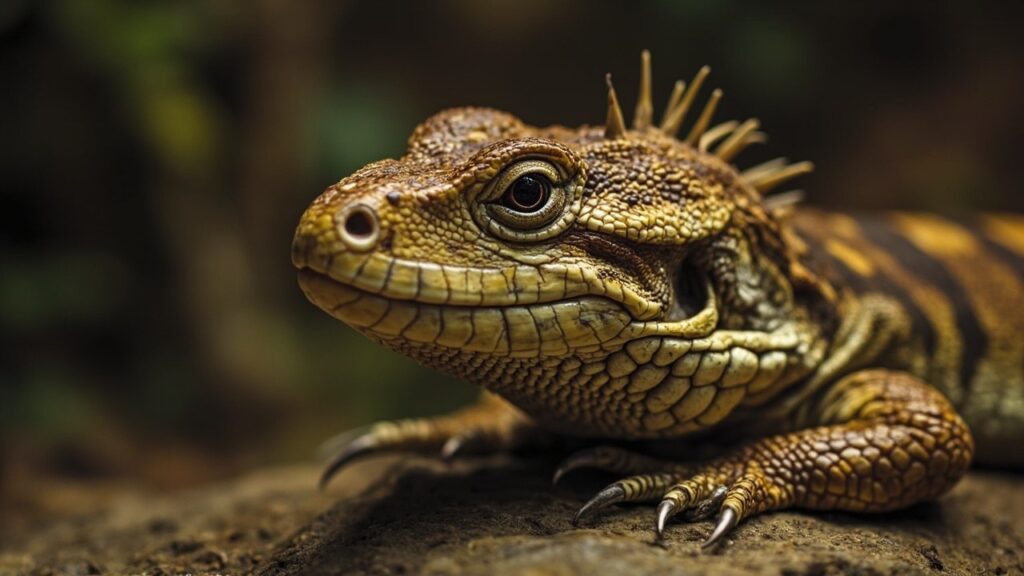
Evolutionary Adaptations in Reptile Anatomy
Reptile anatomy reflects ancestry, habitat and function. Shells, limb reduction, skull form and breathing systems evolved along different paths.
Reptile anatomy reflects ancestry, habitat and function. Shells, limb reduction, skull form and breathing systems evolved along different paths.
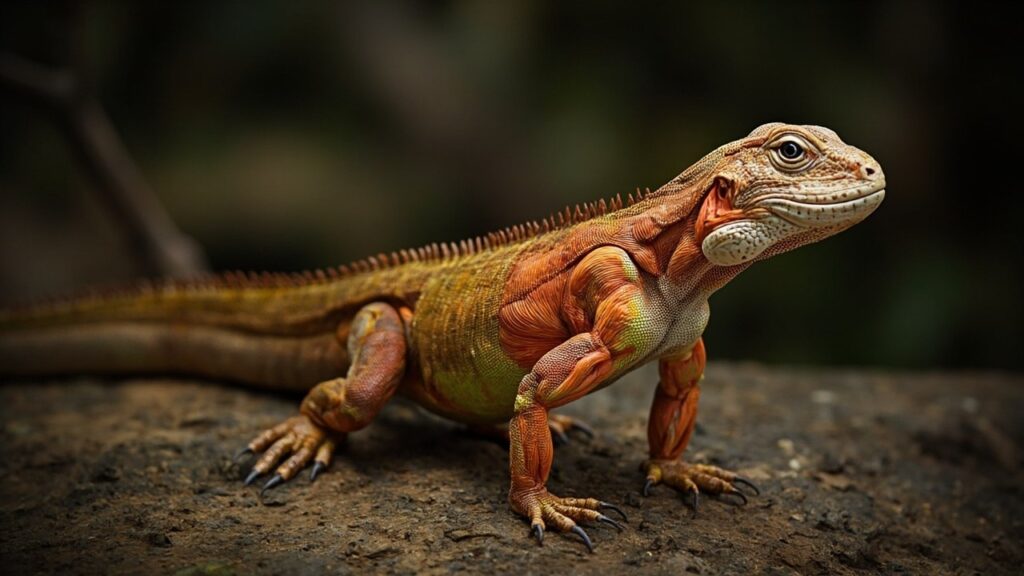
Reptile muscles power movement, feeding, breathing and posture. Their arrangement and performance vary with body form, temperature and activity.
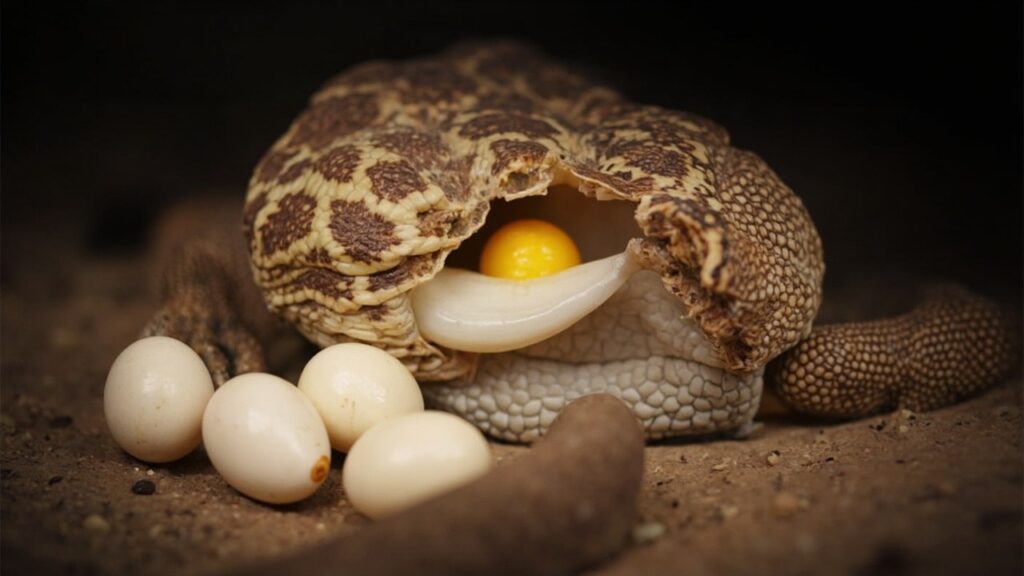
Reptile reproductive anatomy differs among turtles, crocodilians, tuatara, snakes and lizards. Internal fertilisation, egg laying, live birth and reproductive timing all vary by lineage.
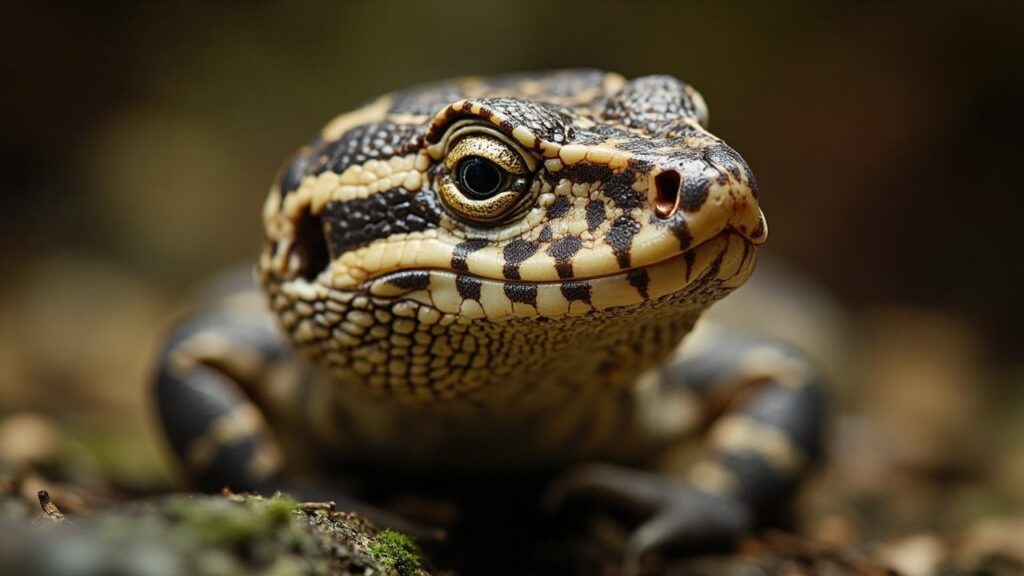
Reptile skin includes scales, scutes and, in some groups, bony osteoderms. Structure and shedding patterns vary by lineage and habitat.
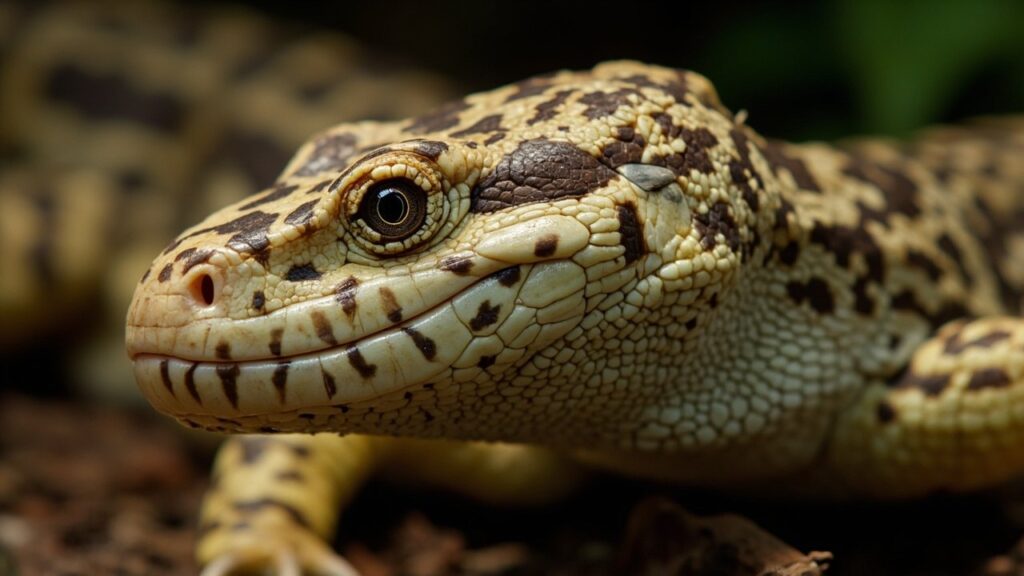
Reptile eyes, ears, chemical-sensing organs and heat receptors vary across lineages. No single sensory description applies to every turtle, crocodilian, snake or lizard.
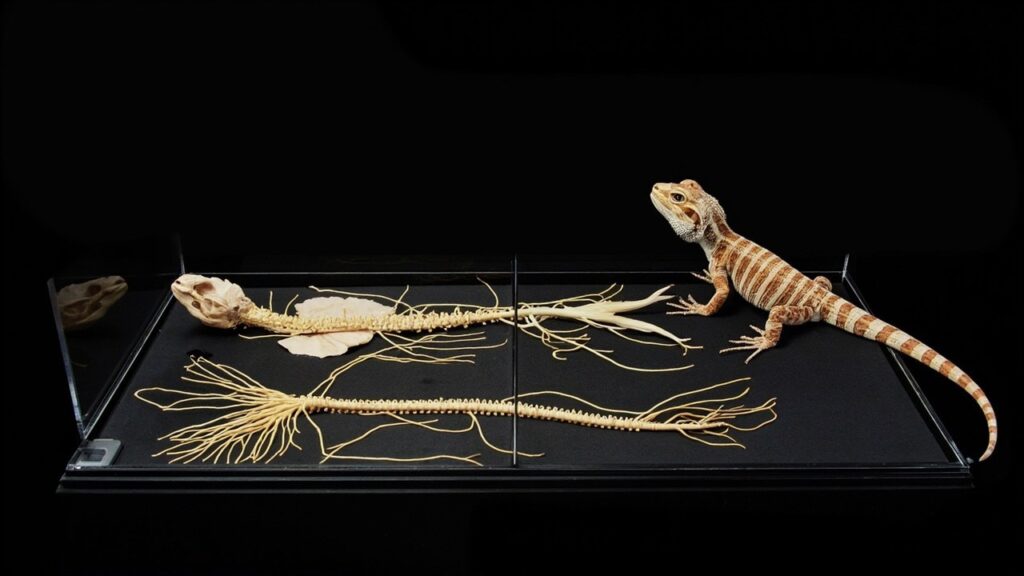
Reptile nervous systems process visual, chemical, tactile and other signals. Specialized senses occur in some lineages, not all reptiles.
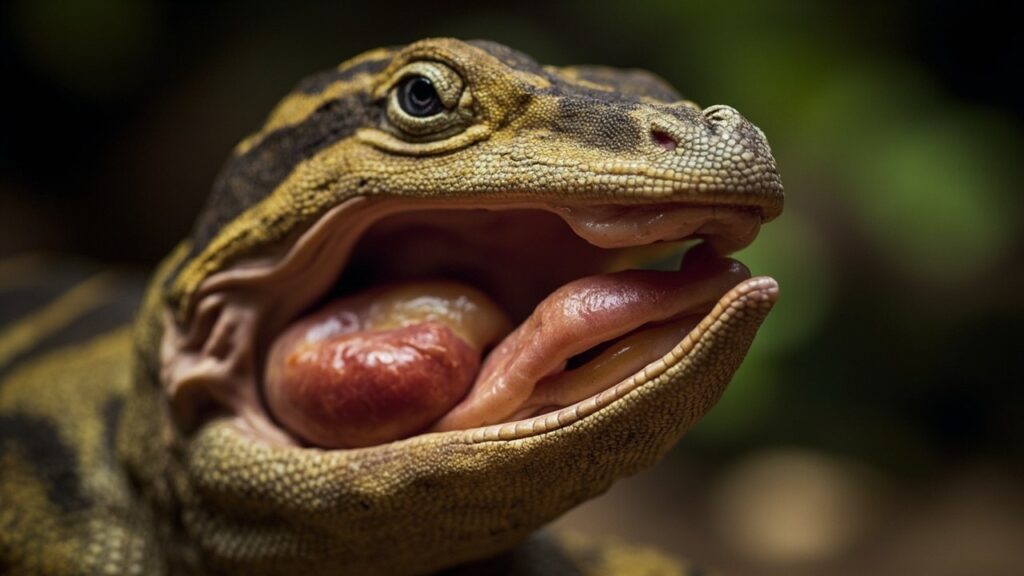
Reptile digestive tracts reflect diet and feeding pattern. Herbivorous species often rely on enlarged gut regions and microbial fermentation.
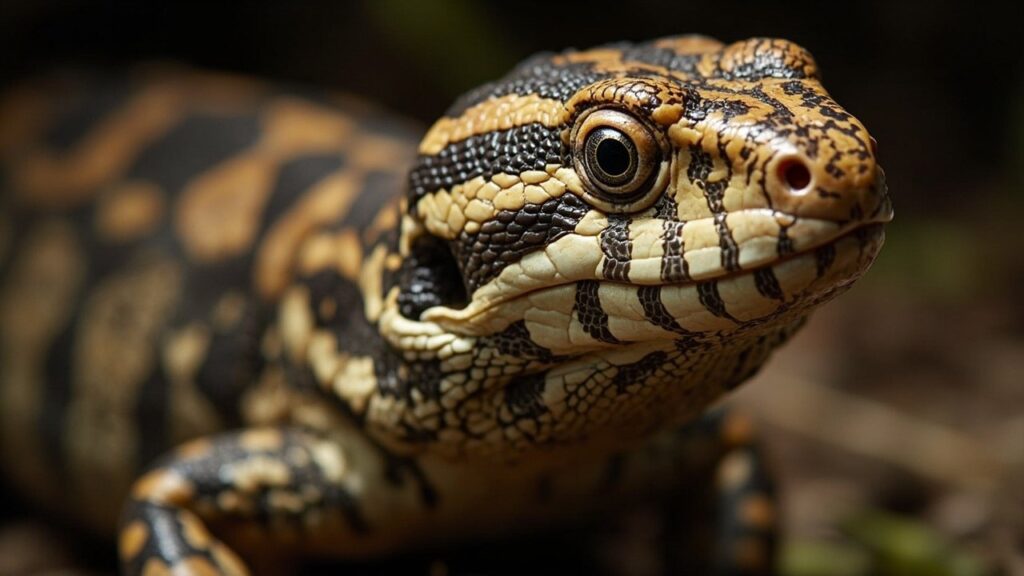
Reptile ventilation varies among lineages. Most use movements of the ribs and body wall, while some turtles and crocodilians use specialized muscles.
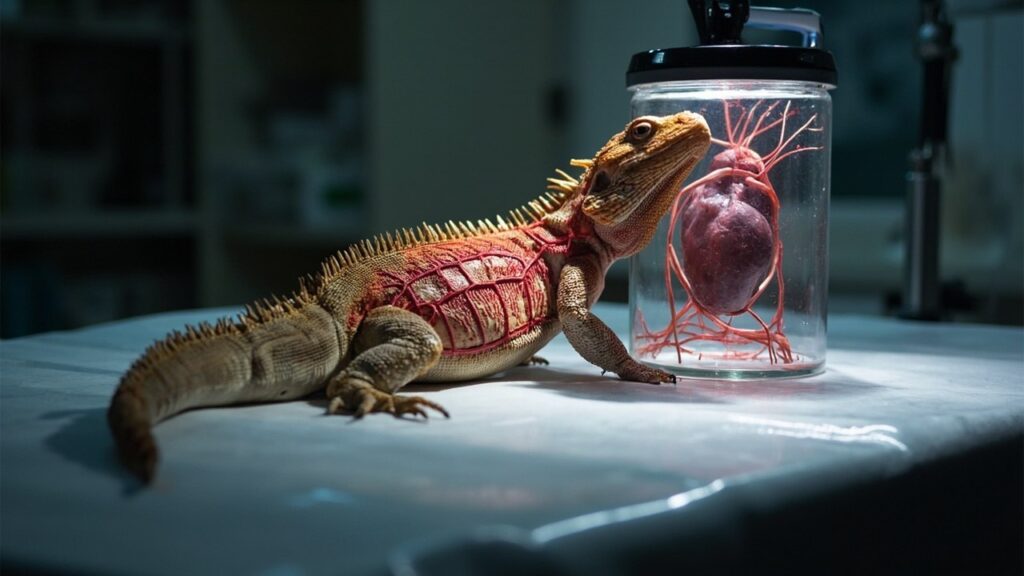
Reptile circulation varies among lineages. Heart structure and blood-flow shunts help meet demands for breathing, digestion and activity.
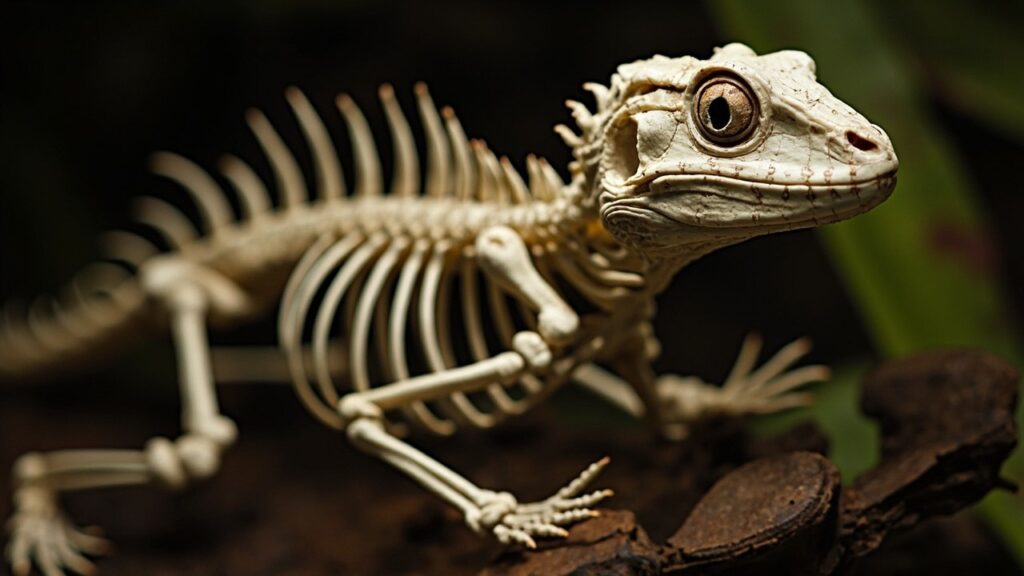
Reptile skeletons support movement, feeding and protection. Limb shape, vertebrae, skulls and shells differ by lineage and function.