Conservation With Rights at the Centre
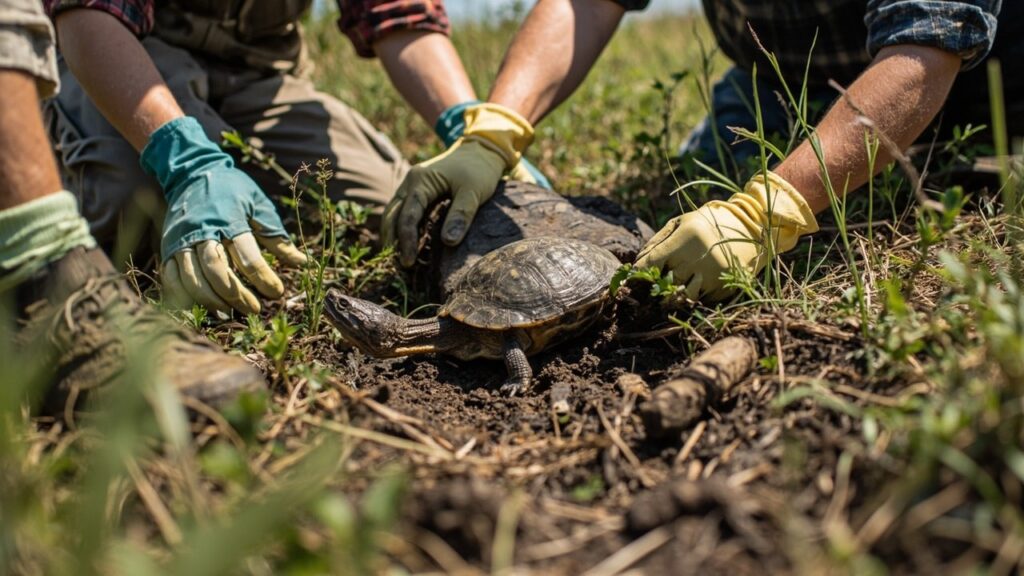
Community-led conservation recognizes that Indigenous peoples and local communities may hold rights, responsibilities, and deep knowledge connected to land and water. Effective projects respect those rights rather than treating people as a source of unpaid labour or data. That includes deciding whether a project should proceed, how information is used, and who can speak for community interests.
From Participation to Decision-Making
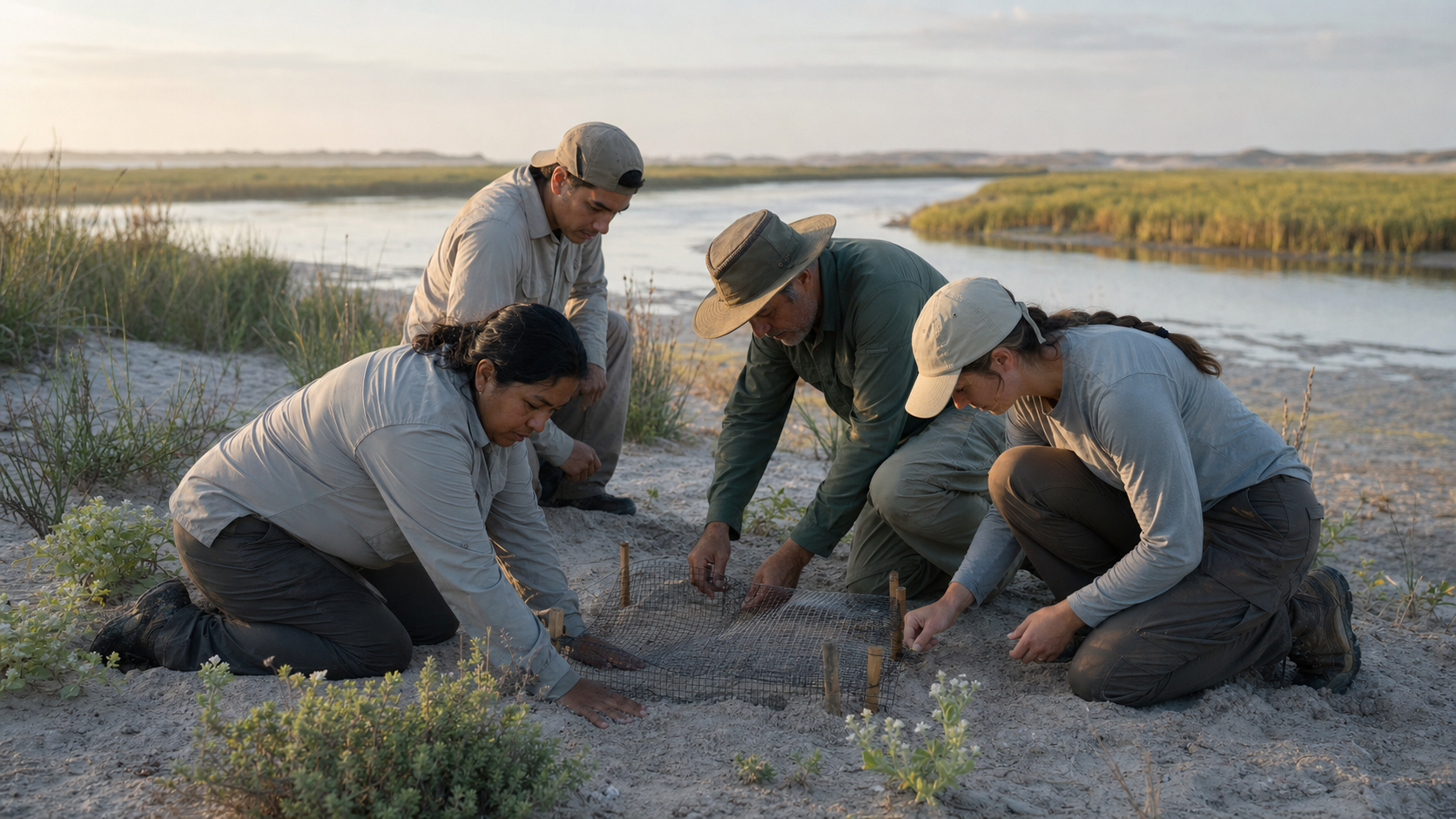
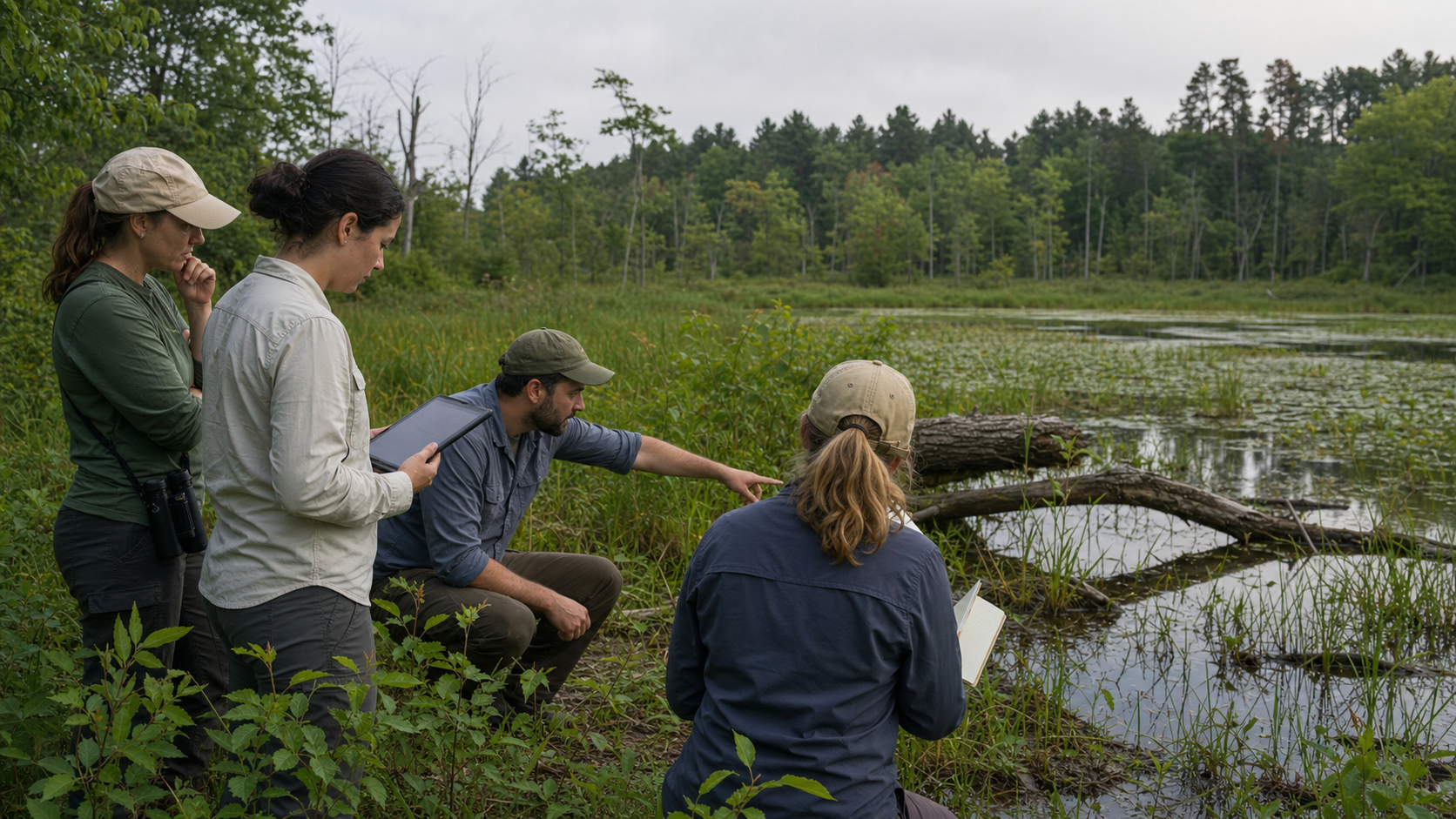
Meaningful involvement means communities help define goals, governance, benefit-sharing, monitoring, and responses to change. Secure tenure, informed consent, transparent funding, and respect for cultural knowledge make partnerships more durable and more equitable. Agreements should be understandable, revisited when circumstances change, and designed so that participation is possible without placing unequal costs on local people.
Measure Success Together
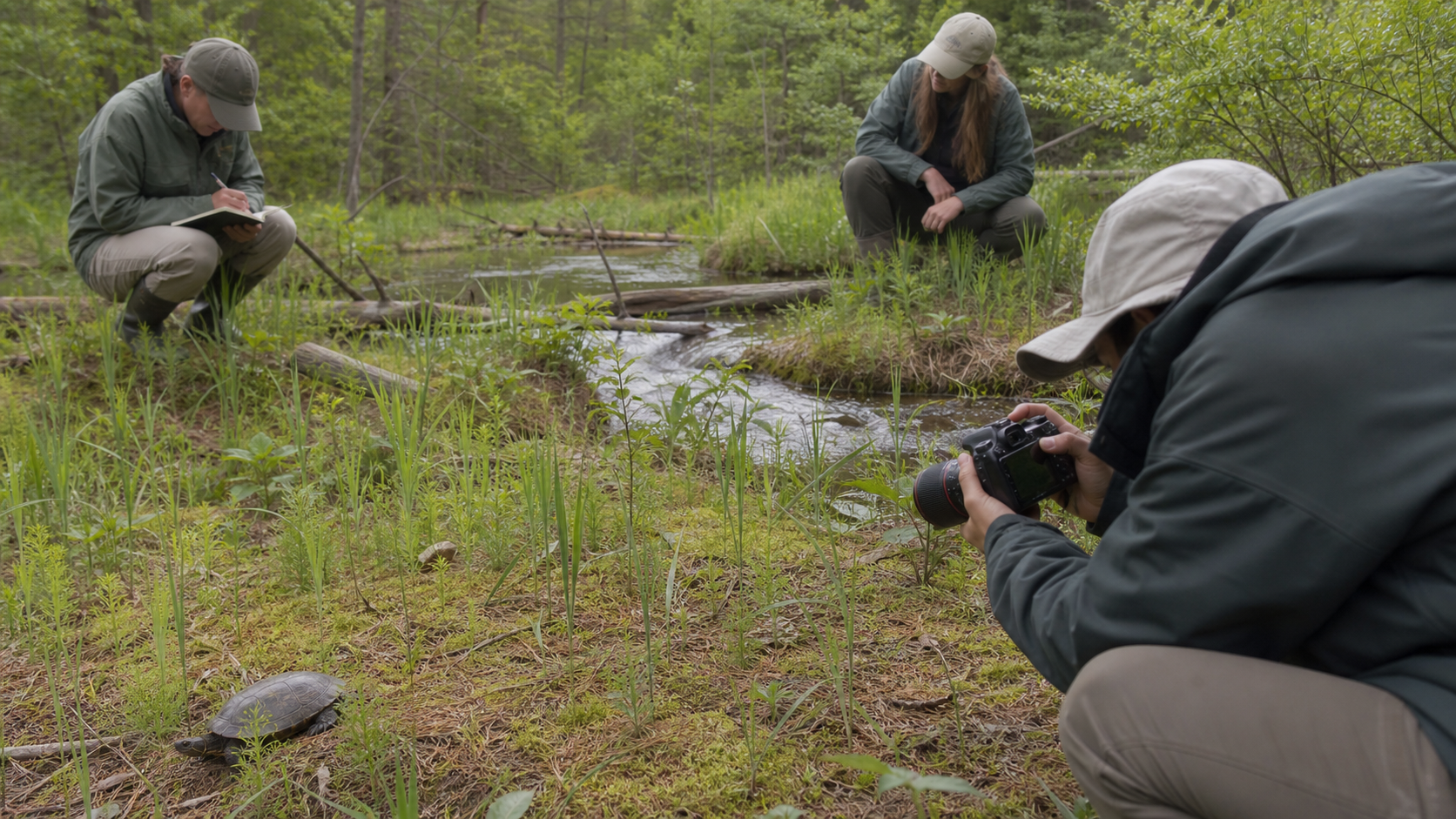
Conservation outcomes should be assessed with indicators chosen by the people involved. Ecological measures may include habitat condition or species records, while social measures can track rights, livelihoods, safety, and fair distribution of benefits. Technology can assist, but it cannot replace accountable local governance. Sharing results in useful formats and supporting locally owned capacity can help monitoring remain valuable after an outside grant or partner leaves.
Consent and Governance Must Be Practical
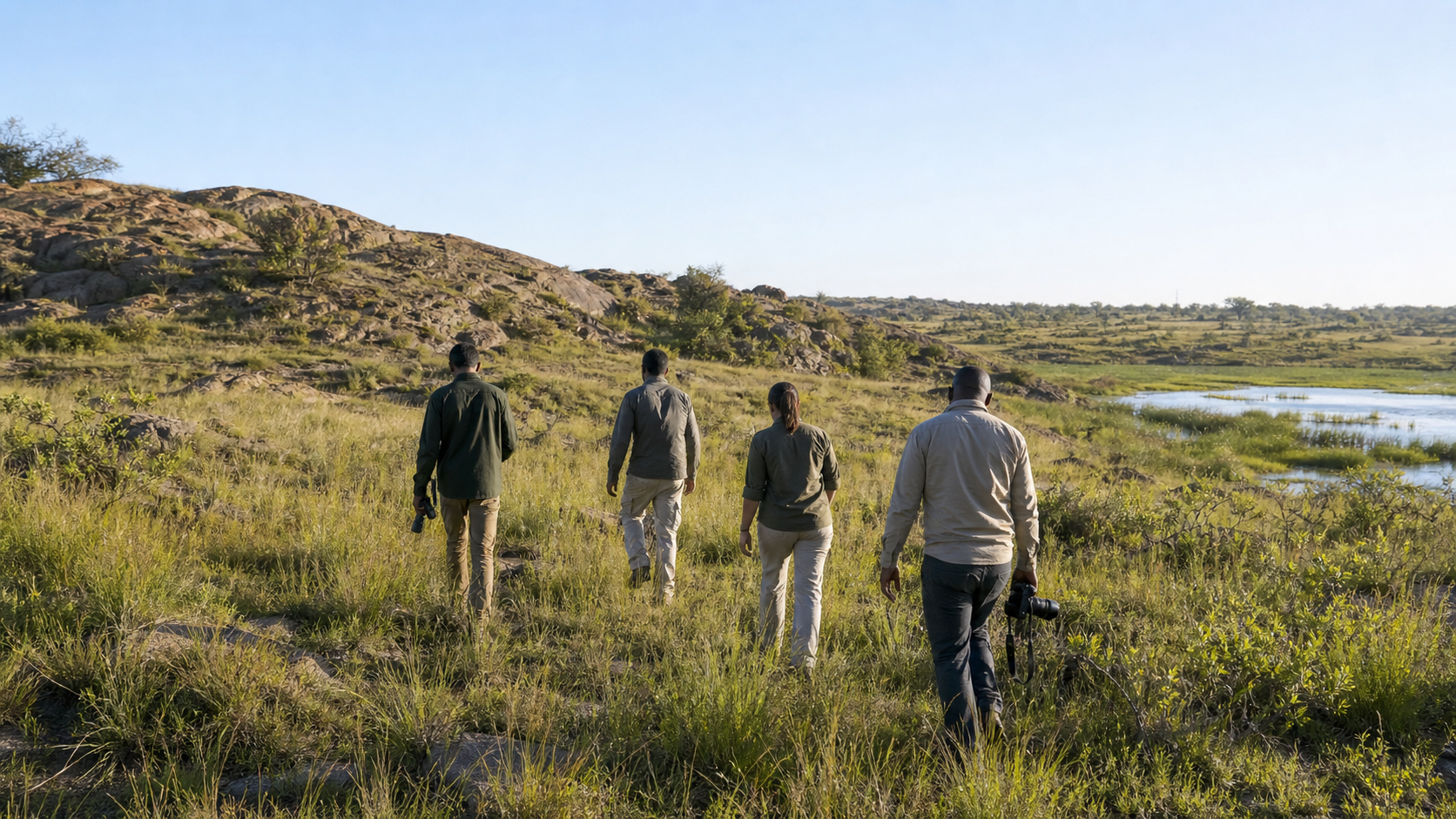
Community-led conservation is more than inviting people to a meeting after decisions are made. People with rights and responsibilities in a place need a meaningful role in defining objectives, deciding how knowledge is used and reviewing whether a project remains acceptable. Agreements should state who holds decision-making authority, how concerns are raised and how benefits and costs are shared.
Free, prior and informed consent is relevant when a project could affect Indigenous peoples or local communities. Information should be accessible in the languages and formats participants use, and consent should not be treated as a one-time signature when a project changes over time.
Data Can Be Valuable and Sensitive
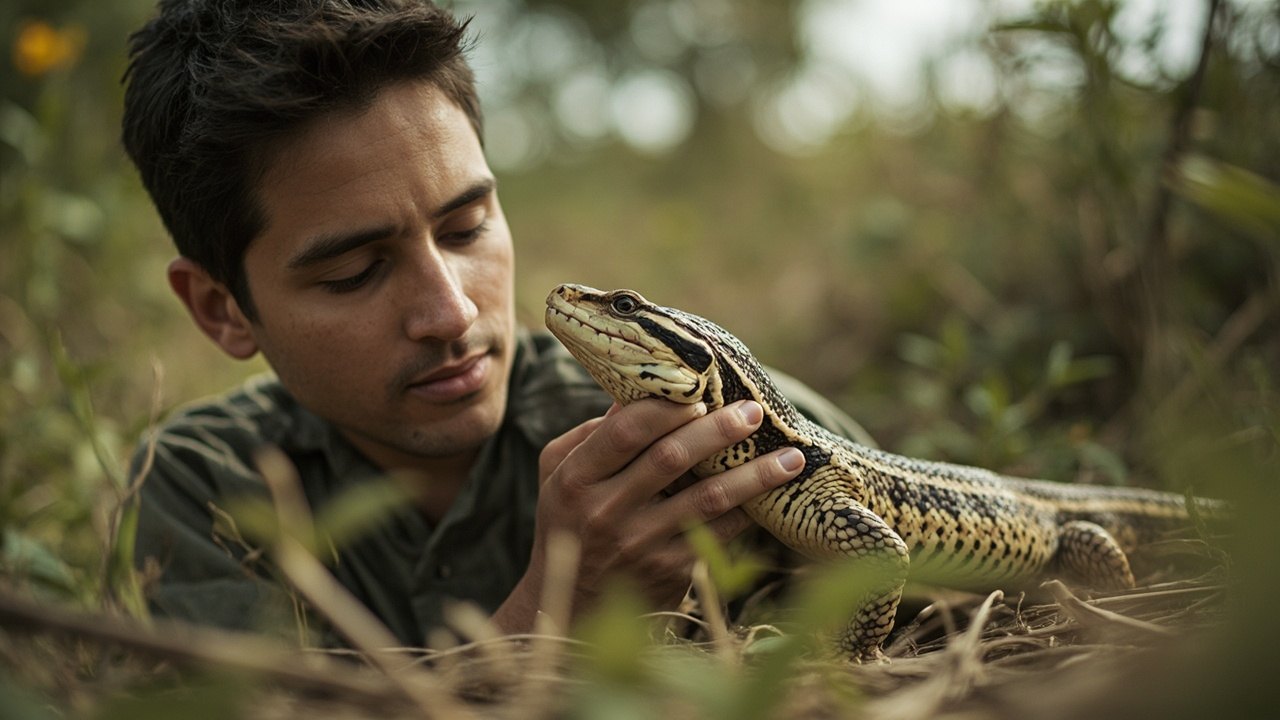
Wildlife records, cultural knowledge and sensitive site information can be misused if they are shared without safeguards. A monitoring plan should establish what will be collected, who can access it and how results return to the people who contributed. Local data stewardship can protect rare reptiles from collection while still supporting habitat decisions.
Success Includes Ecological and Social Results
Habitat condition and species observations matter, but so do safety, rights, livelihoods and whether local partners can continue the work. Transparent funding, shared reporting and long-term support make it easier to identify what is working and what needs revision.
Sources and review notes
Reviewed 23 August 2026. Conservation is rarely a one-step success story. We have kept the language specific about evidence, limits and local context, because a programme that helps one population may not transfer neatly to another.
Reference starting points: The IUCN Red List of Threatened Species, IUCN conservation-translocation guidelines, and the current CITES Appendices. Conservation status, taxonomy and local laws can change, so check the linked databases and the relevant local authority for current information.
Spotted something we should revisit? Send Reptile Explorer a correction—thoughtful reader feedback is always welcome.