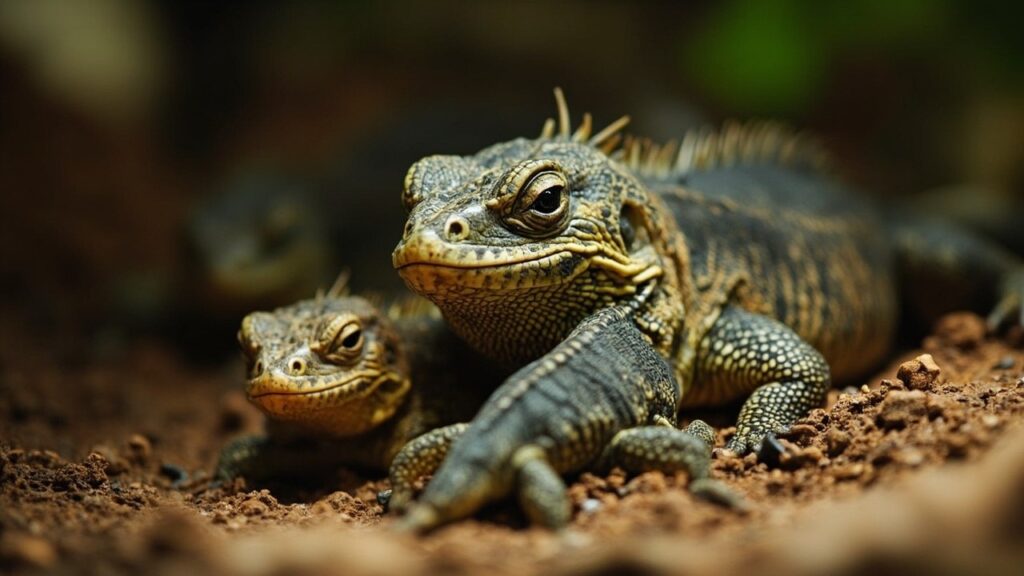
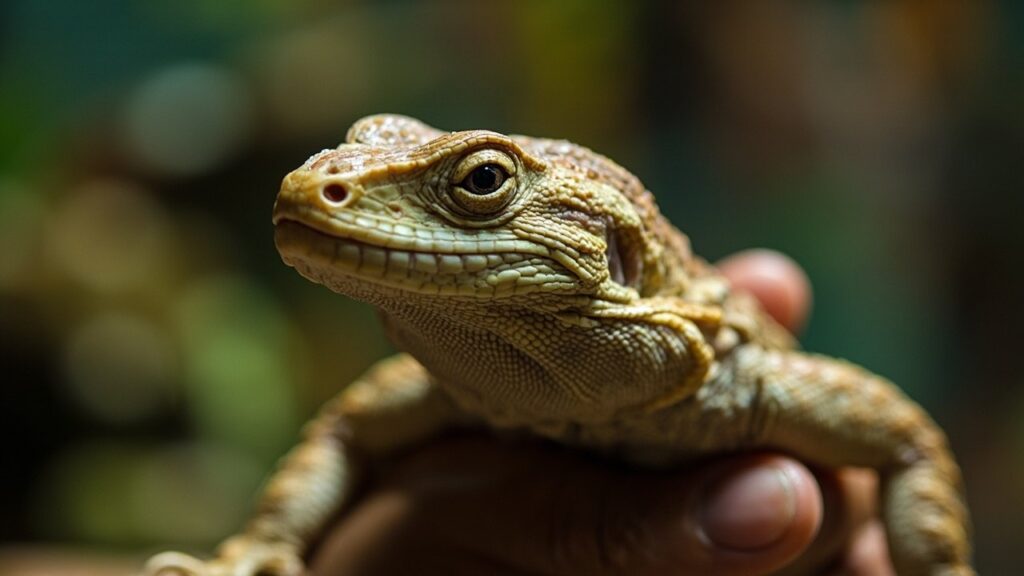
Restoration Begins with a Clear Goal
A site is not restored simply because it looks greener or attracts visitors. A useful project starts by identifying what was damaged, what ecological function is being rebuilt and how progress will be measured. Goals may include reconnecting floodplains, restoring native vegetation, reducing erosion or rebuilding habitat for particular species.

What Reptiles Need from Restored Habitat
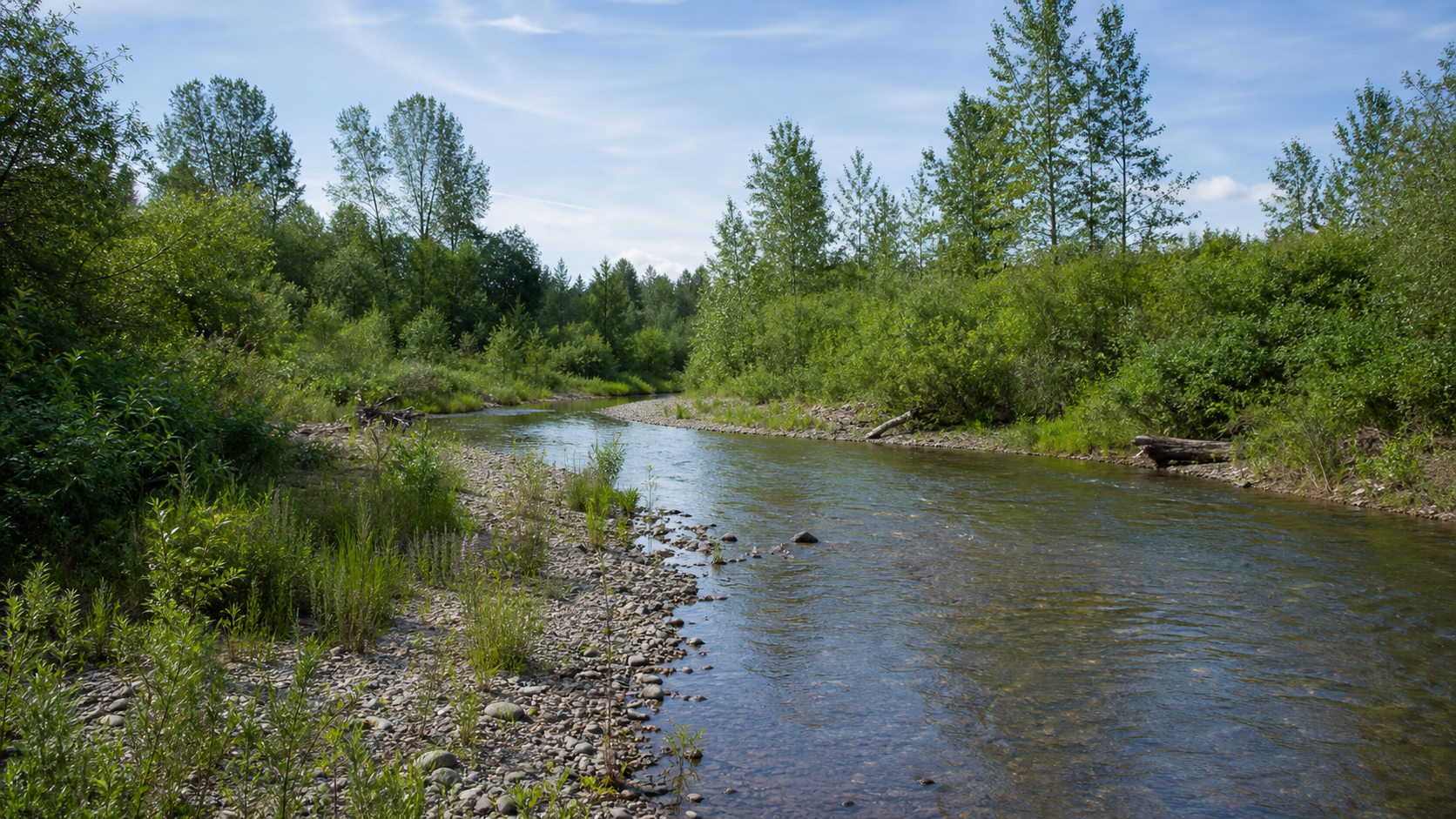
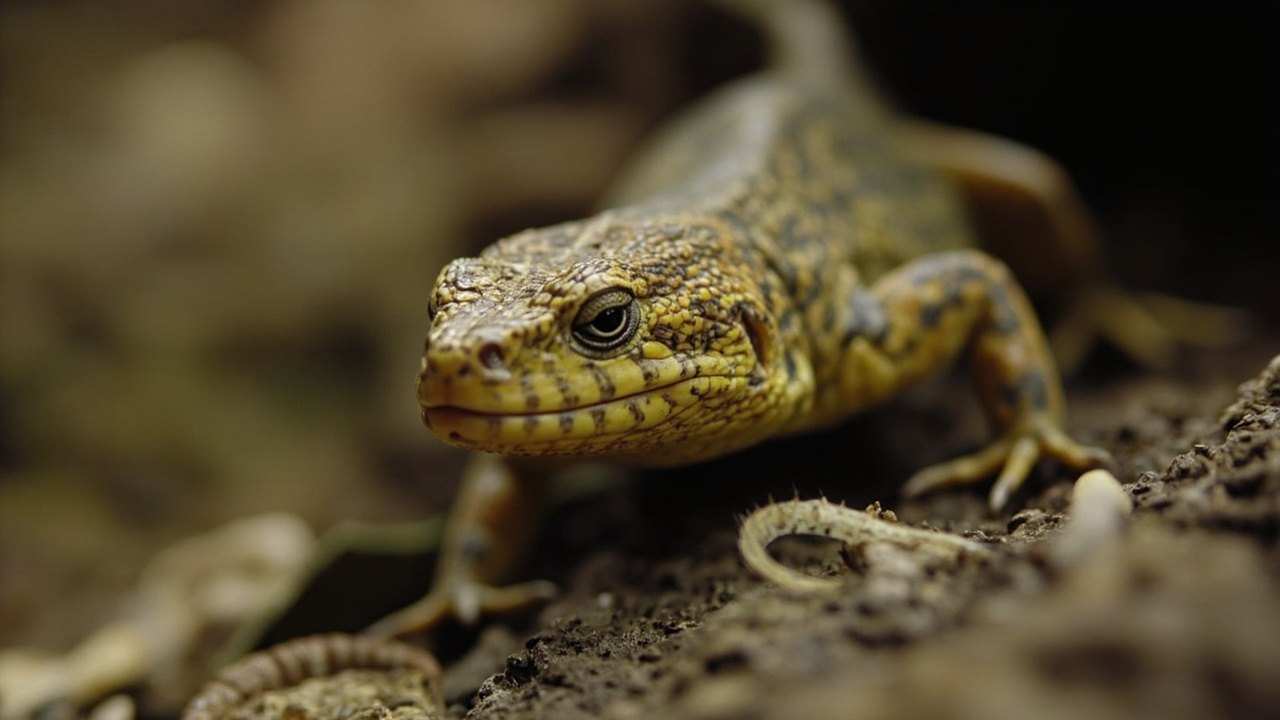
Reptiles often depend on structural details that can be missed in broad restoration plans: basking sites, shaded refuges, nesting ground, native prey, movement corridors and seasonal water patterns. A project that benefits one species may not benefit another, so habitat design should be tied to local species and local threats rather than generic wildlife imagery.
Measure Change Over Time
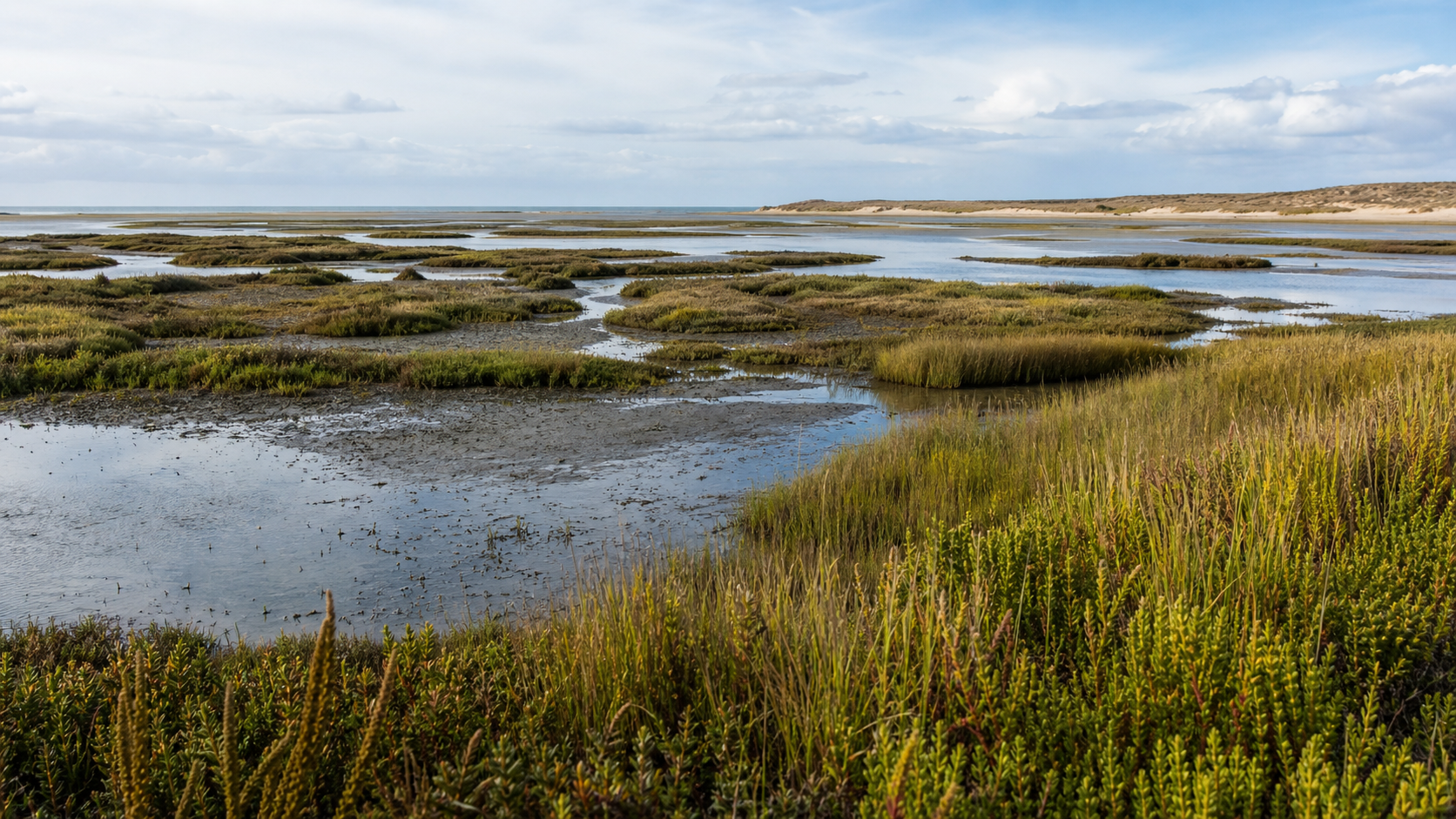
Meaningful success is demonstrated through baseline surveys, repeated monitoring and willingness to adjust the work when results are weak. Reptile detection can vary with weather and season, so monitoring should be repeated and standardised. Long-term protection of the restored area matters as much as the initial planting, earthwork or invasive-species removal.
Restoration Begins With a Clear Ecological Problem
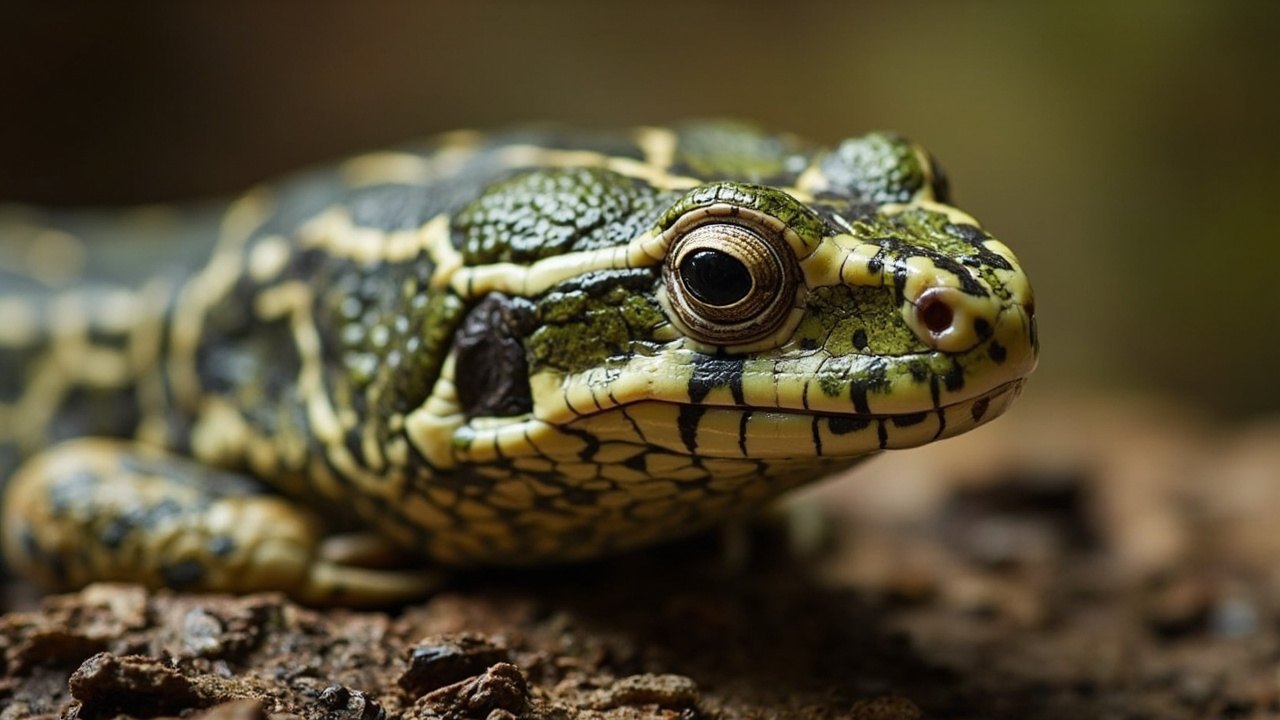
Planting vegetation or moving substrate is not automatically habitat restoration. A project should first identify what has changed and what species need to use the site. The relevant issue might be altered water flow, loss of nesting ground, road mortality, invasive plants, lack of cover or a break between seasonal habitats. The intended result should be specific enough to test.
A baseline makes later results easier to interpret. Records of vegetation structure, water conditions, temperature choices, wildlife use and local pressures can show whether a change is helping. Without that starting point, a site can look greener or tidier while still failing to provide food, shelter or safe movement routes for the species of concern.
Measure Use, Not Only Appearance
For reptiles, useful indicators can include basking sites, nesting success, movement between habitat patches, survival and the return of prey or cover. One sighting after a project begins is encouraging but does not establish recovery. Monitoring needs repeated visits across the seasons in which the species is active.
Management Should Adapt to Results
If a restored bank erodes, a wetland fails to hold water or animals do not use a new crossing, the plan may need revision. Sharing results with land managers and local communities helps identify practical constraints early. Restoration has the greatest value when it protects the functions that animals use throughout their life cycle, not only the visual appearance of a site.
Sources and review notes
Reviewed 23 August 2026. Conservation is rarely a one-step success story. We have kept the language specific about evidence, limits and local context, because a programme that helps one population may not transfer neatly to another.
Reference starting points: The IUCN Red List of Threatened Species, IUCN conservation-translocation guidelines, and the current CITES Appendices. Conservation status, taxonomy and local laws can change, so check the linked databases and the relevant local authority for current information.
Spotted something we should revisit? Send Reptile Explorer a correction—thoughtful reader feedback is always welcome.