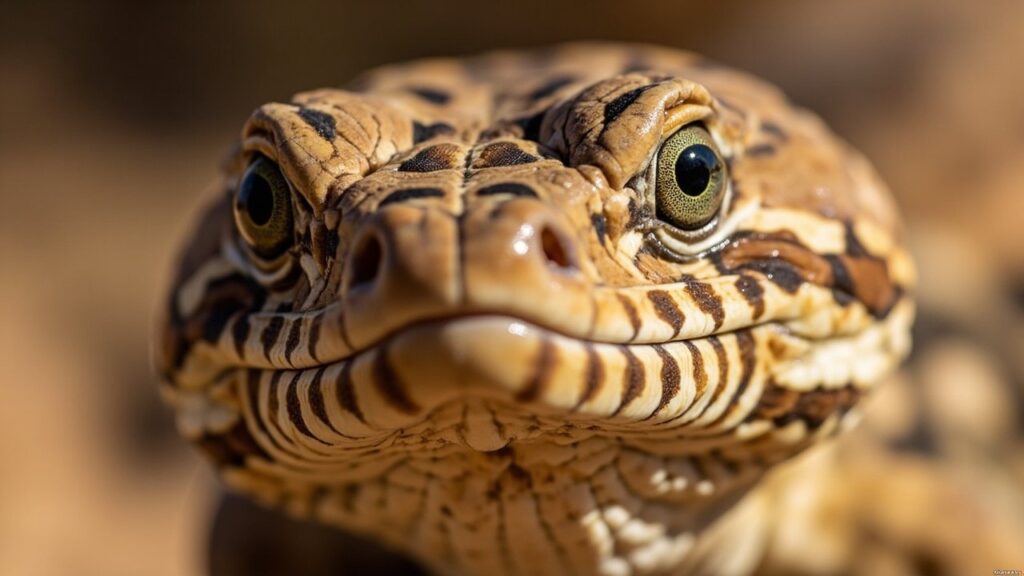
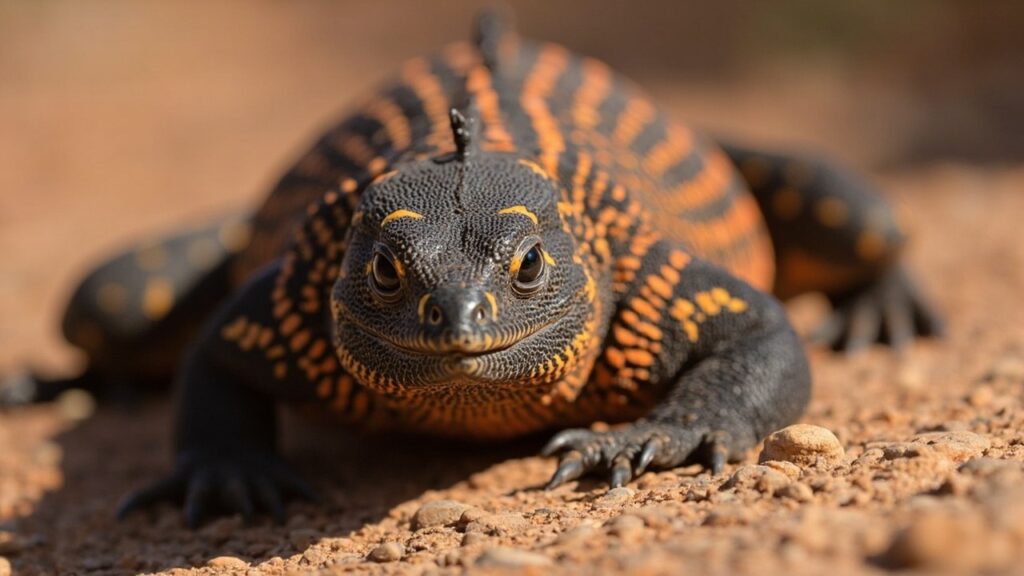
A cold desert with varied refuges
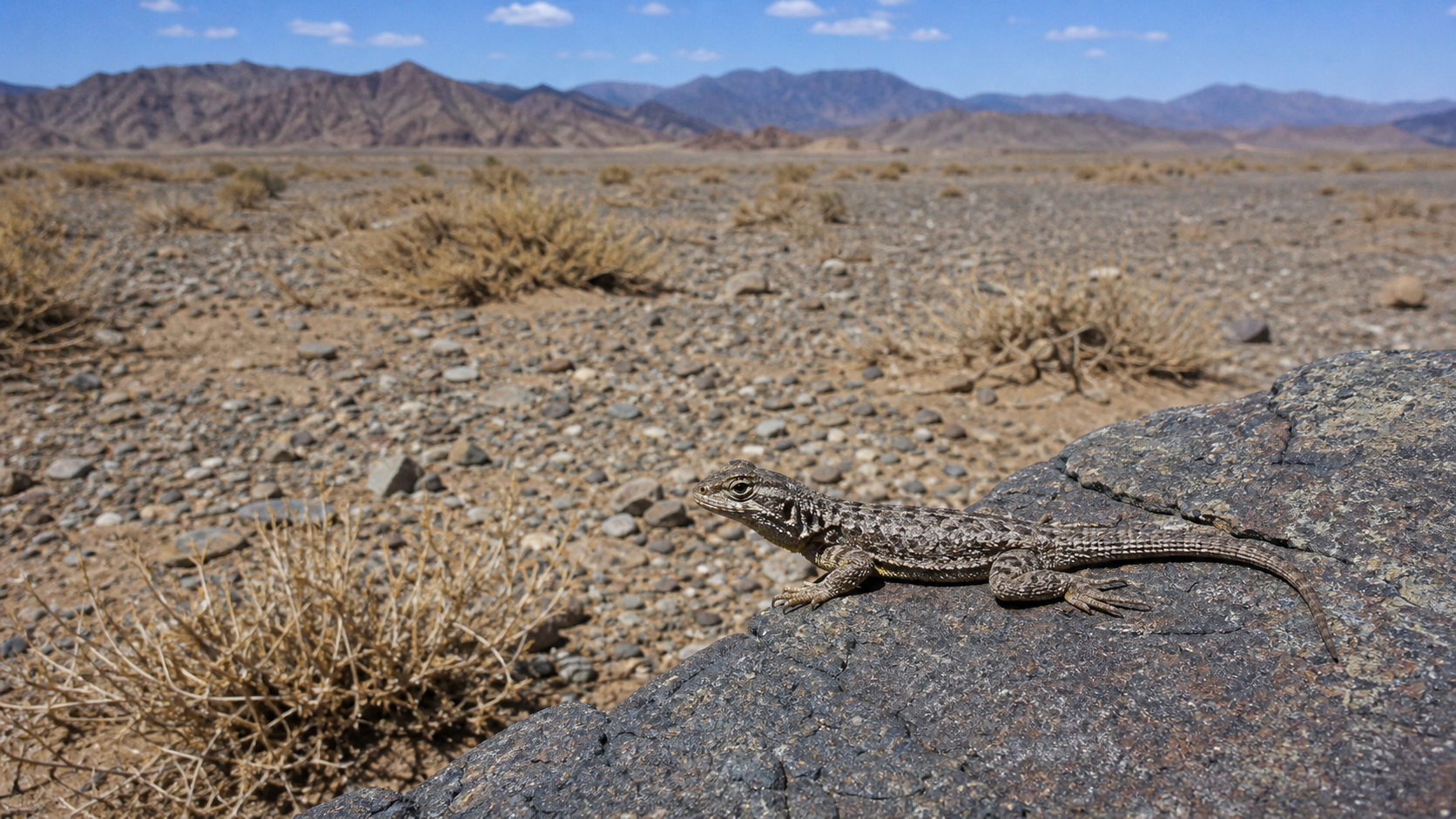
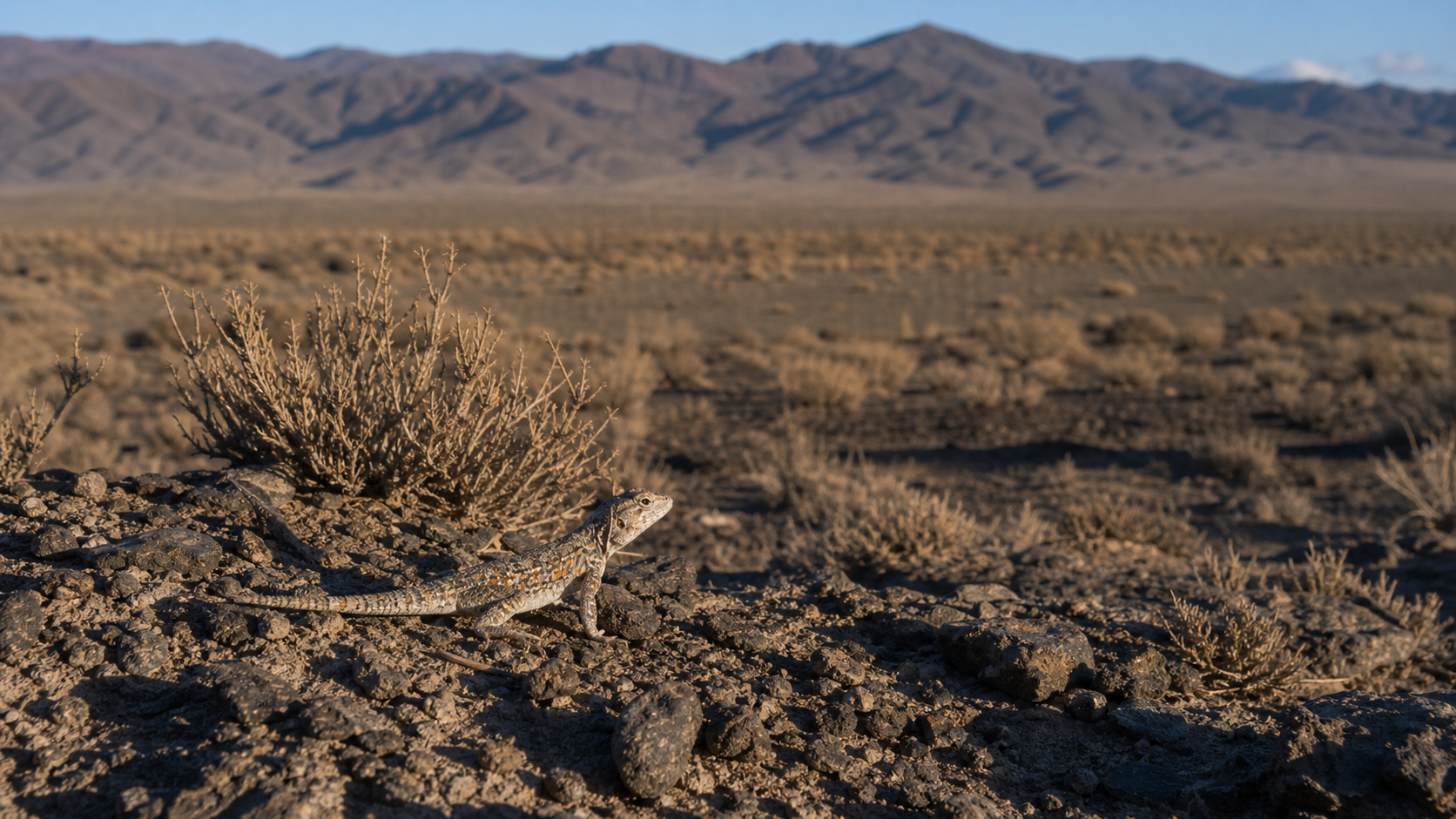
The Gobi is a vast, cold desert and steppe region spanning southern Mongolia and northern China. Its gravel plains, dunes, rocky slopes, dry valleys and seasonal watercourses do not support the same reptile communities. Reptiles occur where suitable shelter, prey and seasonal conditions overlap, so local records matter more than a single “Gobi reptile” checklist.
Meeting heat, cold and drought
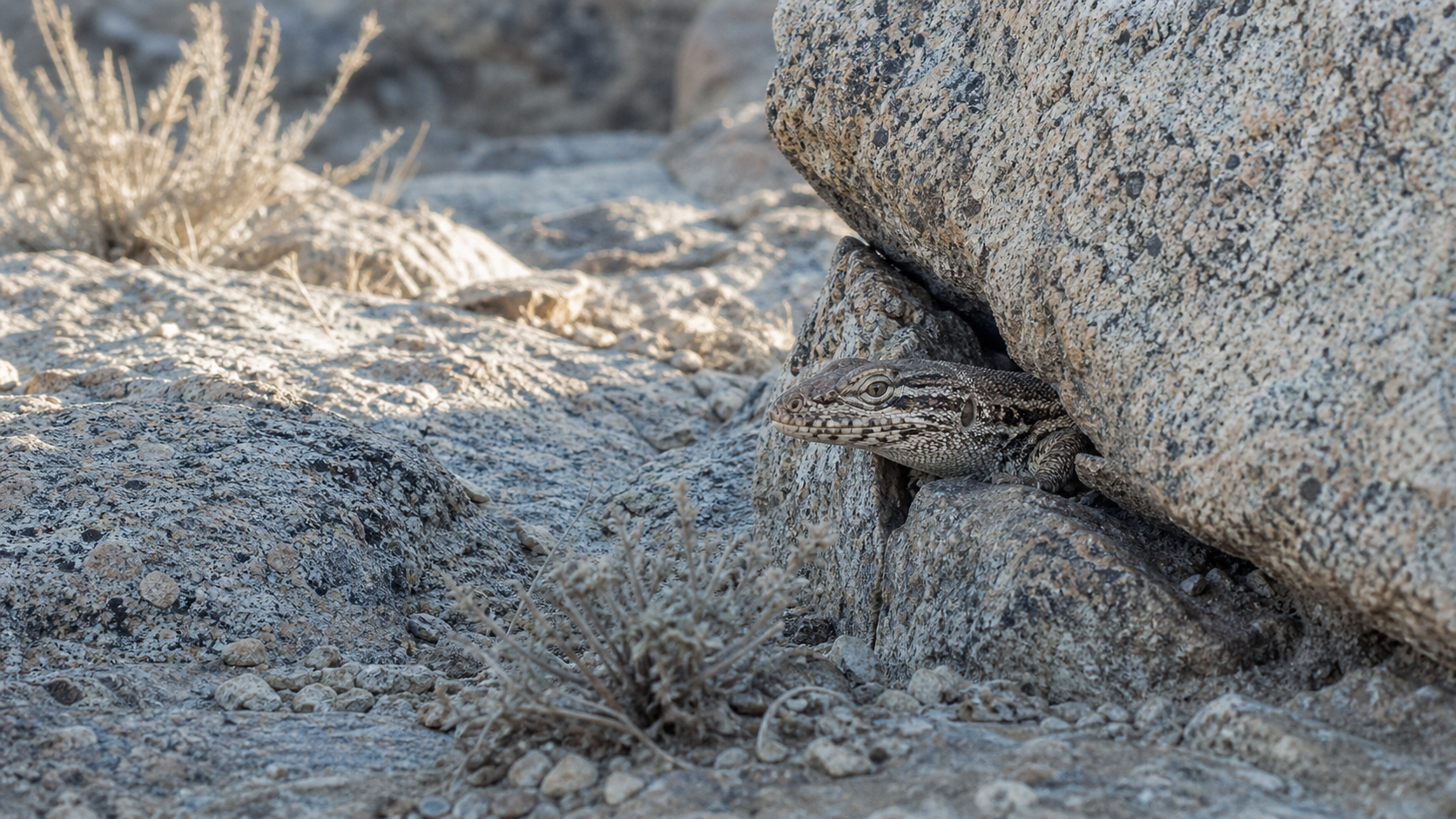
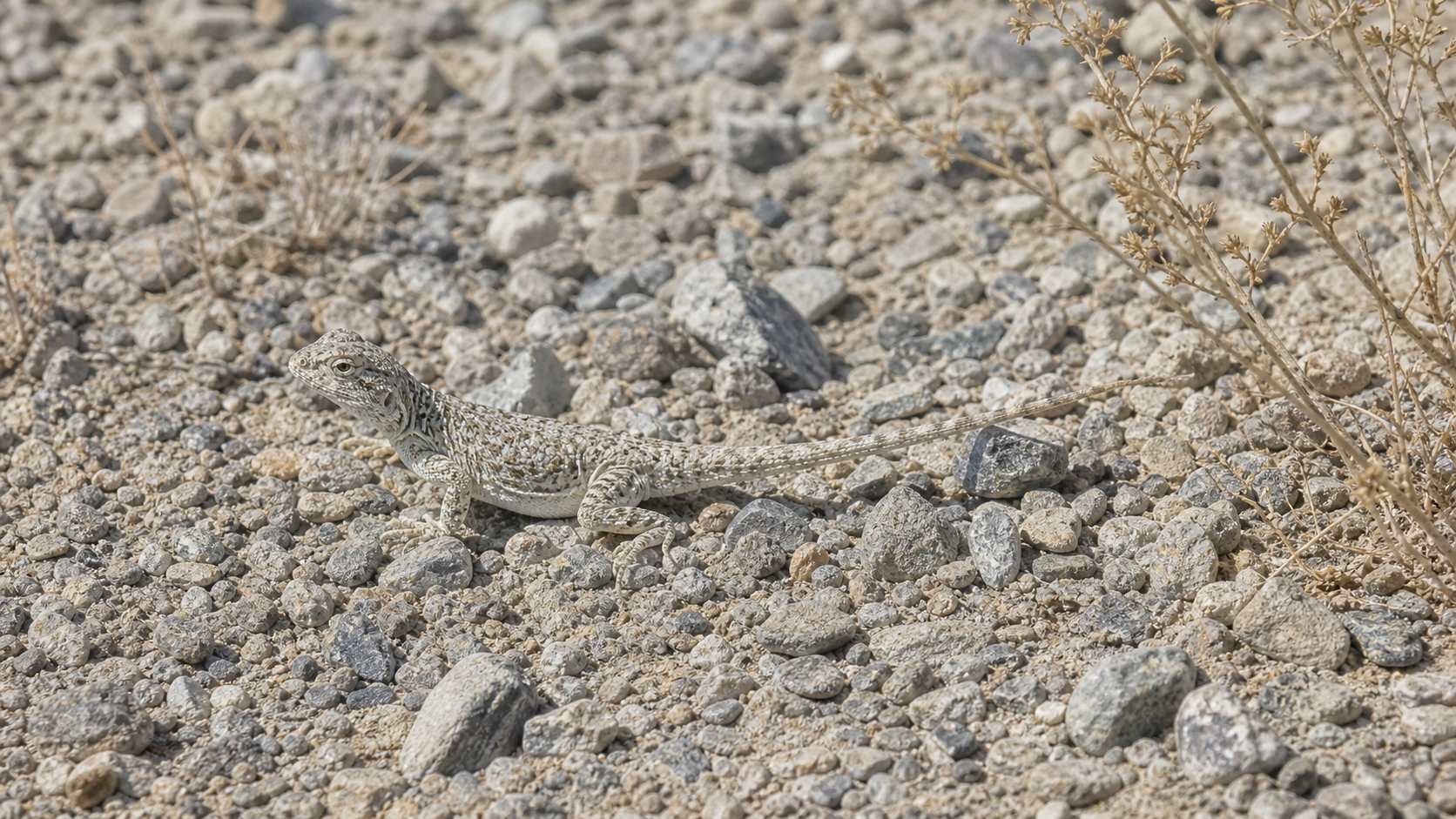
Like other ectotherms, Gobi reptiles use behaviour to manage body temperature. Burrows, rock crevices, vegetation and shaded ground can buffer dangerous surface temperatures and night-time cold. Their scaly skin and physiology reduce water loss, but water use and activity patterns differ between species; it is not accurate to assume that every desert reptile stores water or follows the same schedule.
Why careful observation matters
Camouflage, rapid movement and use of cover can reduce predation risk, while seasonal activity helps animals match food availability. Observers should avoid handling wildlife, disturbing refuges or identifying animals from colour alone. Good field records pair a confirmed identification with habitat, date and location, helping researchers understand how climate and land use affect desert communities.
A Desert Can Be Cold as Well as Dry
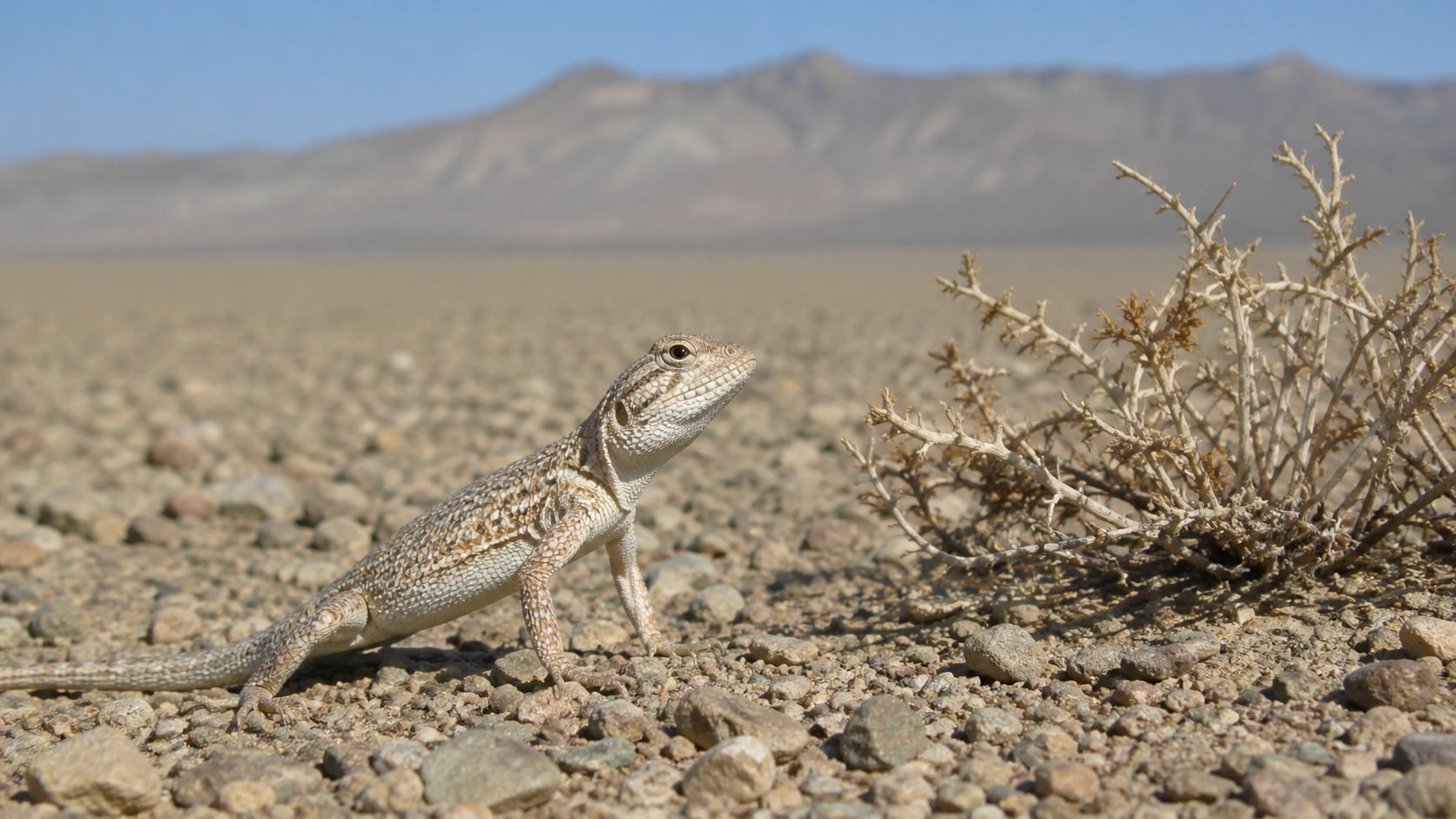
The Gobi has low rainfall, strong winds and large seasonal temperature changes. Reptiles there must manage cold winters as well as heat during the activity season. Suitable refuge can include burrows, rock crevices and soil conditions that buffer temperature. An image of open gravel or sand does not show all the small places that make survival possible.
Activity periods depend on species, weather, elevation and local ground conditions. A reptile may be active during a brief warm window, then retreat before the surface becomes too hot or cold. These choices are shaped by access to prey and cover as well as temperature.
Microhabitats Separate Species
Rocky slopes, gravel plains, dry valleys and sparse vegetation patches can support different reptile communities. A broad desert label is a starting point, not a species record. Surveys should note habitat structure, time of day and weather so that a missing observation is not confused with absence.
Disturbance Can Last Beyond a Visit
Vehicle tracks, rock removal and off-route travel can damage fragile surface features and refuge sites. Visitors can reduce impact by staying on approved routes, leaving wildlife undisturbed and avoiding precise public locations for rare species.
Sources and review notes
Reviewed 23 August 2026. Reptile biology is wonderfully variable. We have avoided turning one species, photograph or dramatic observation into a rule for an entire group, and we have used cautious wording where evidence or local conditions differ.
Reference starting points: The Reptile Database, The IUCN Red List of Threatened Species, and PubMed-indexed research. Conservation status, taxonomy and local laws can change, so check the linked databases and the relevant local authority for current information.
Spotted something we should revisit? Send Reptile Explorer a correction—thoughtful reader feedback is always welcome.