What Critically Endangered means
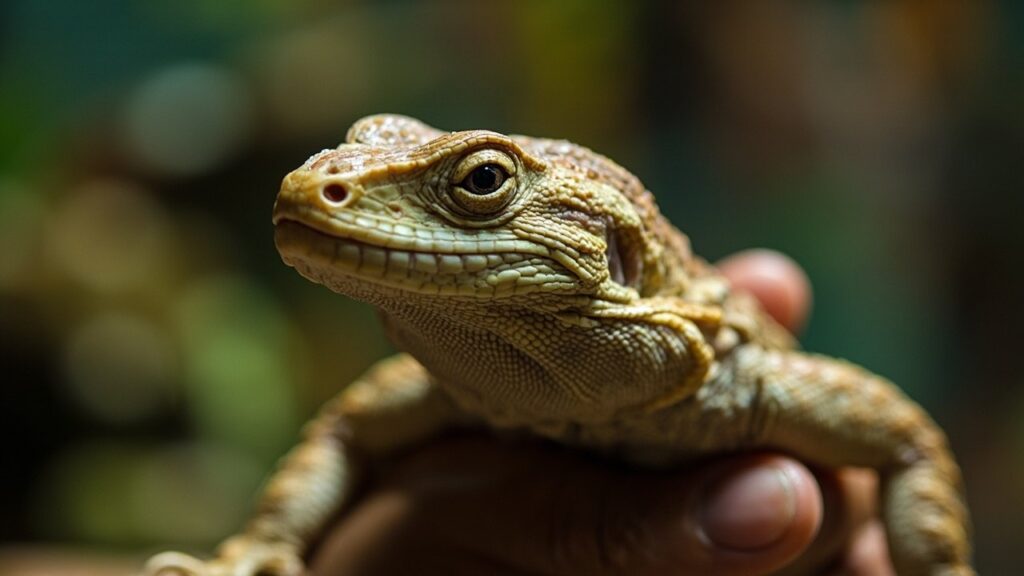
Critically Endangered is an IUCN Red List category for species facing an extremely high risk of extinction in the wild. It is not a popularity ranking or a label that describes every individual animal. Assessments consider evidence such as population decline, geographic range, fragmentation, and ongoing threats. The status helps focus attention on species that need urgent, well-targeted action.

Address the threat before counting a recovery
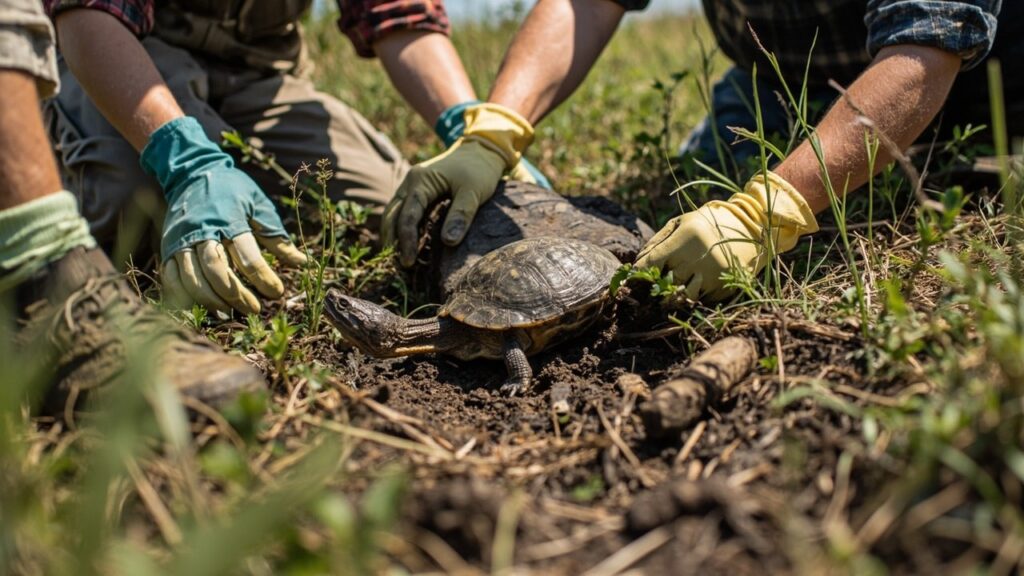
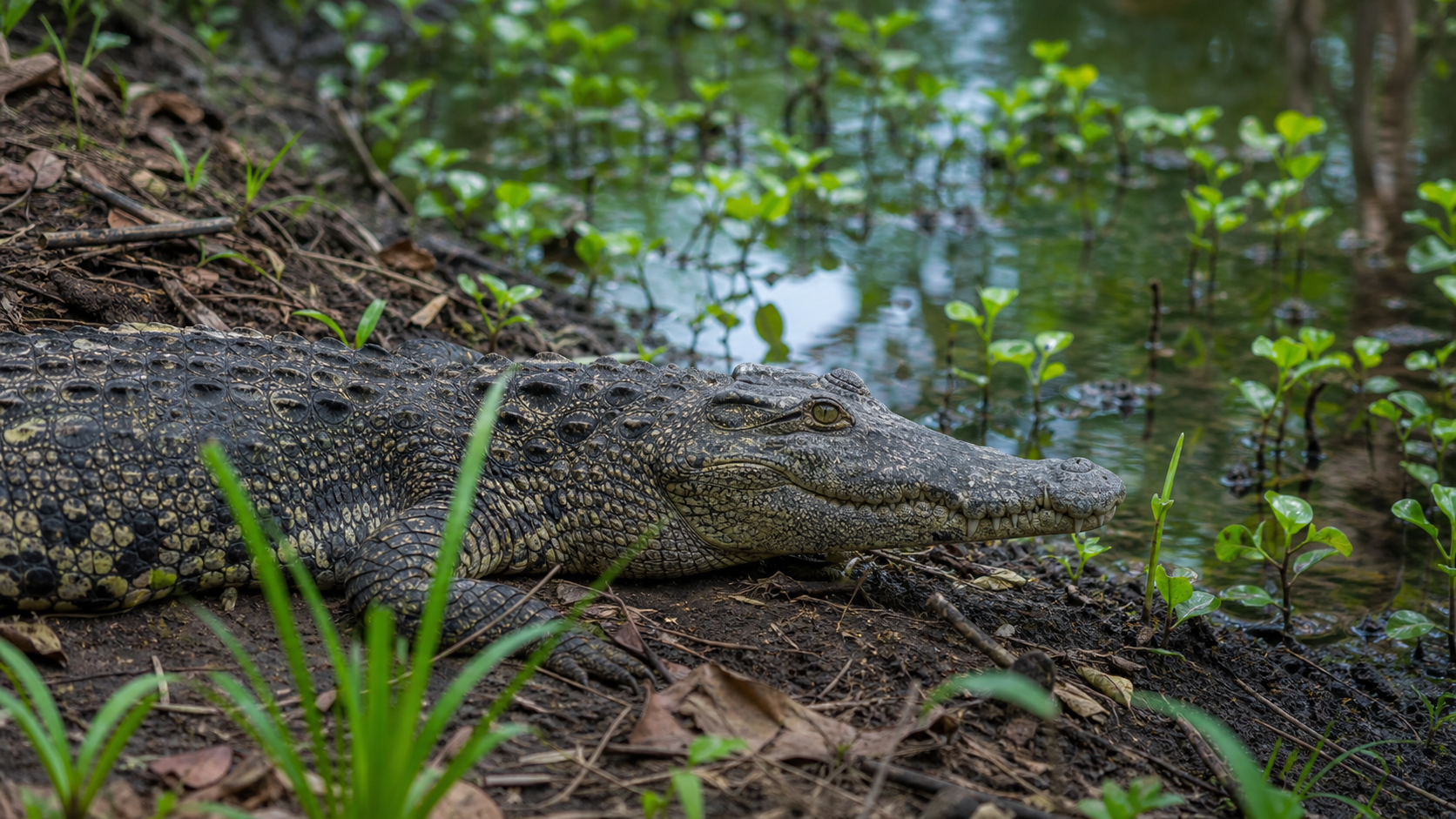
Habitat loss, river alteration, invasive species, disease, illegal collection, and unsustainable trade affect different reptiles in different ways. Effective conservation identifies the main pressure at a particular site and reduces it. Protecting nesting beaches, restoring wetlands, managing harmful predators, securing forest habitat, and enforcing trade rules may all be important, but no single action fits every species.
Breeding programmes support, not replace, habitat
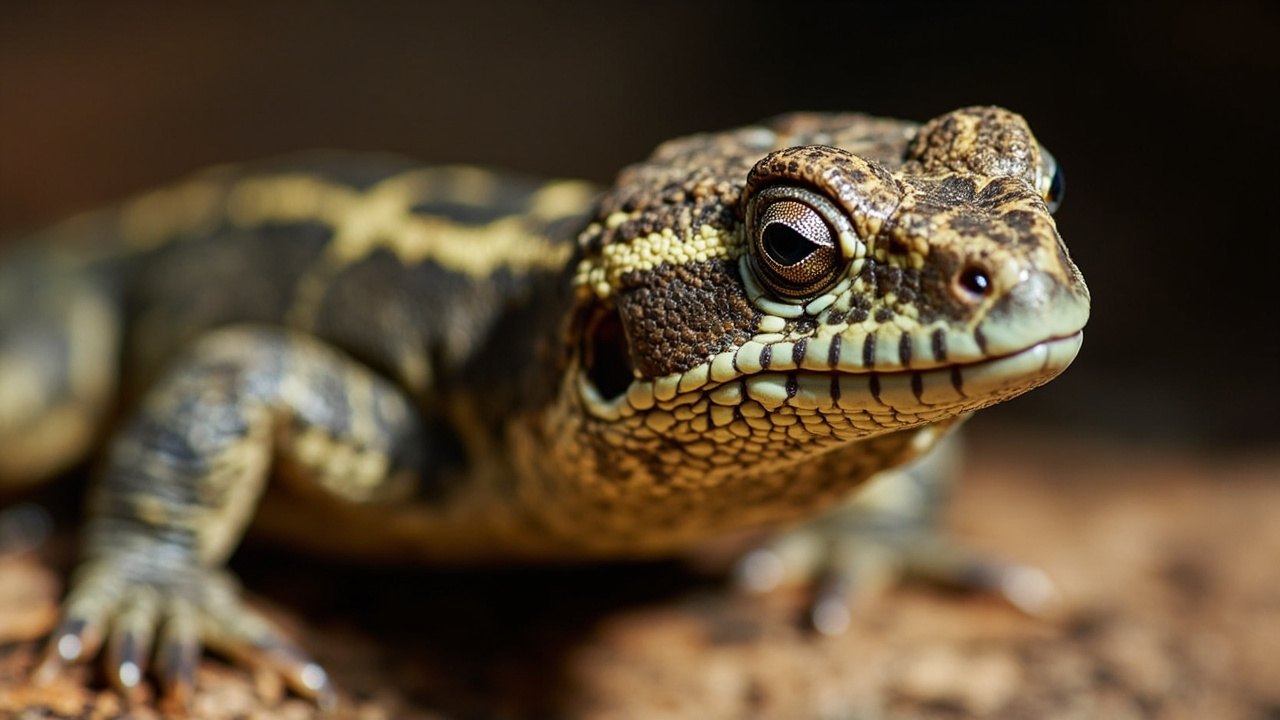
Captive breeding, head-starting, and conservation translocations can be valuable when they follow clear goals, genetic safeguards, disease screening, and post-release monitoring. They cannot compensate for an unsafe release site or an unresolved cause of decline. Local knowledge, community partnerships, field surveys, and long-term funding give recovery work a better chance of creating resilient wild populations.
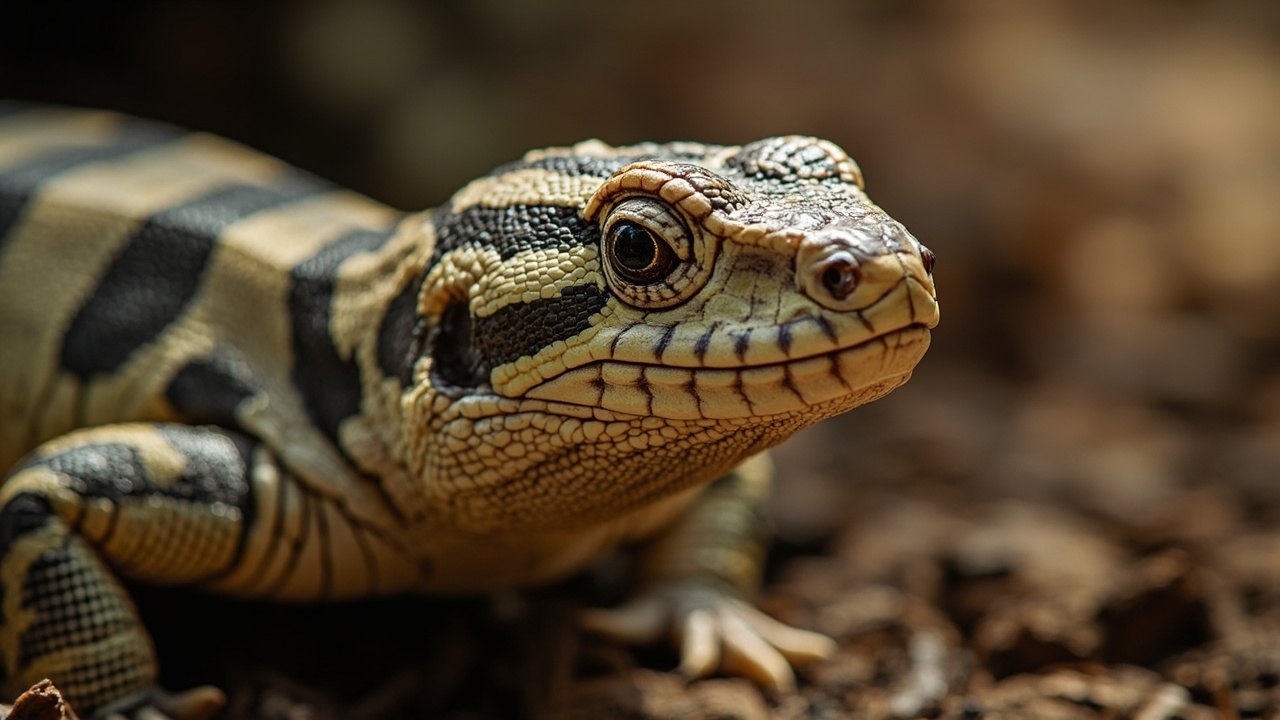
Status Is Evidence, Not a Prediction for Every Site
An IUCN Red List category is based on criteria and evidence available at the time of assessment. It describes extinction risk for a taxon at a broad scale, not the immediate condition of every population or a guarantee that a species will disappear by a particular date. A serious conservation account should name the species, assessment source and the pressures documented for the population being discussed.
Numbers can also be misunderstood. A count from one nesting beach or wetland does not replace a survey across the species’ range. Repeated field methods, records of breeding and information about habitat condition help show whether a population is stable, declining or recovering.
Threat Reduction Must Be Measurable
Recovery actions should link a known threat to a practical response. For example, nest protection can reduce disturbance at a breeding site, trade enforcement can limit illegal collection, and restoring a wetland can improve habitat where drainage caused loss. Monitoring then tests whether the action changed the pressure and whether the reptile population responded.
Public Interest Can Support Safe Action
People can help by avoiding trade in protected wildlife, respecting closed areas and supporting organisations that work with local communities and authorities. Publicity should not reveal precise locations for rare reptiles, because attention can increase collection pressure.
Sources and review notes
Reviewed 23 August 2026. Conservation is rarely a one-step success story. We have kept the language specific about evidence, limits and local context, because a programme that helps one population may not transfer neatly to another.
Reference starting points: The IUCN Red List of Threatened Species, IUCN conservation-translocation guidelines, and the current CITES Appendices. Conservation status, taxonomy and local laws can change, so check the linked databases and the relevant local authority for current information.
Spotted something we should revisit? Send Reptile Explorer a correction—thoughtful reader feedback is always welcome.