There Is No Universal Reptile Temperature
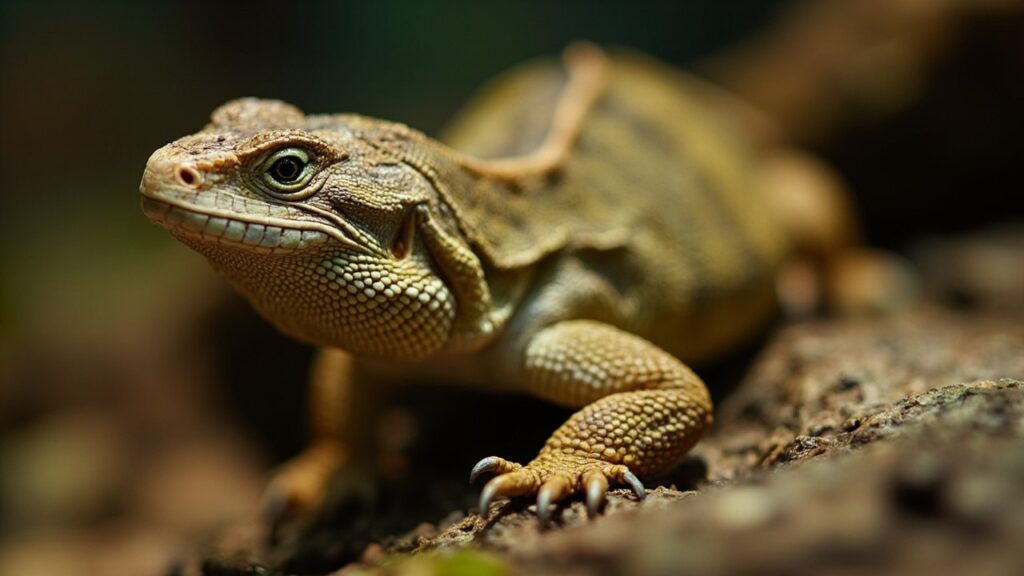
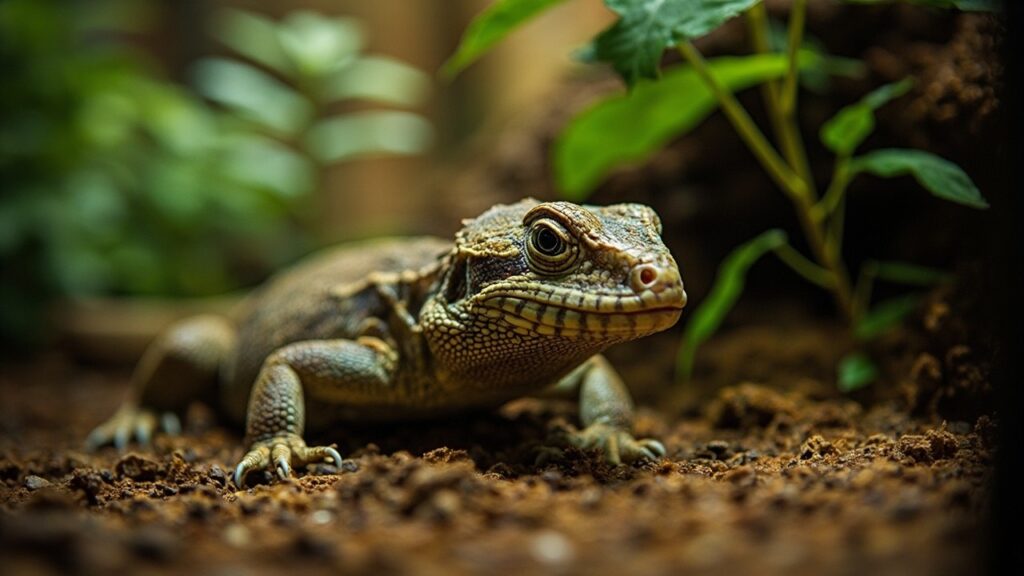
“Ideal temperature” is not one number for every reptile. Appropriate conditions depend on species, age, health, season, natural history and enclosure design. A care plan should begin with reliable information for the individual animal rather than copying a generic range from an unrelated species or social-media post.
Why a Thermal Gradient Matters
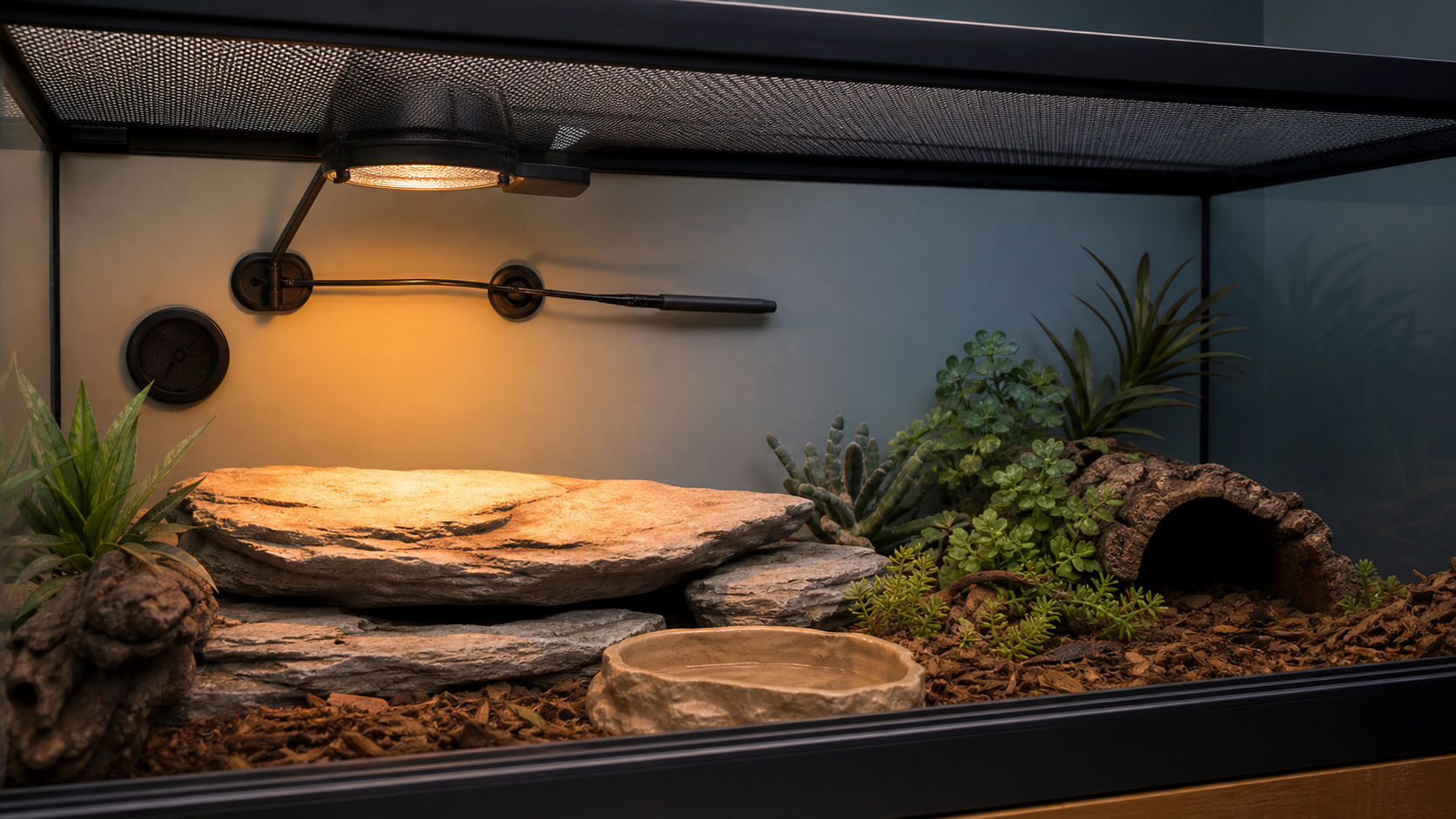
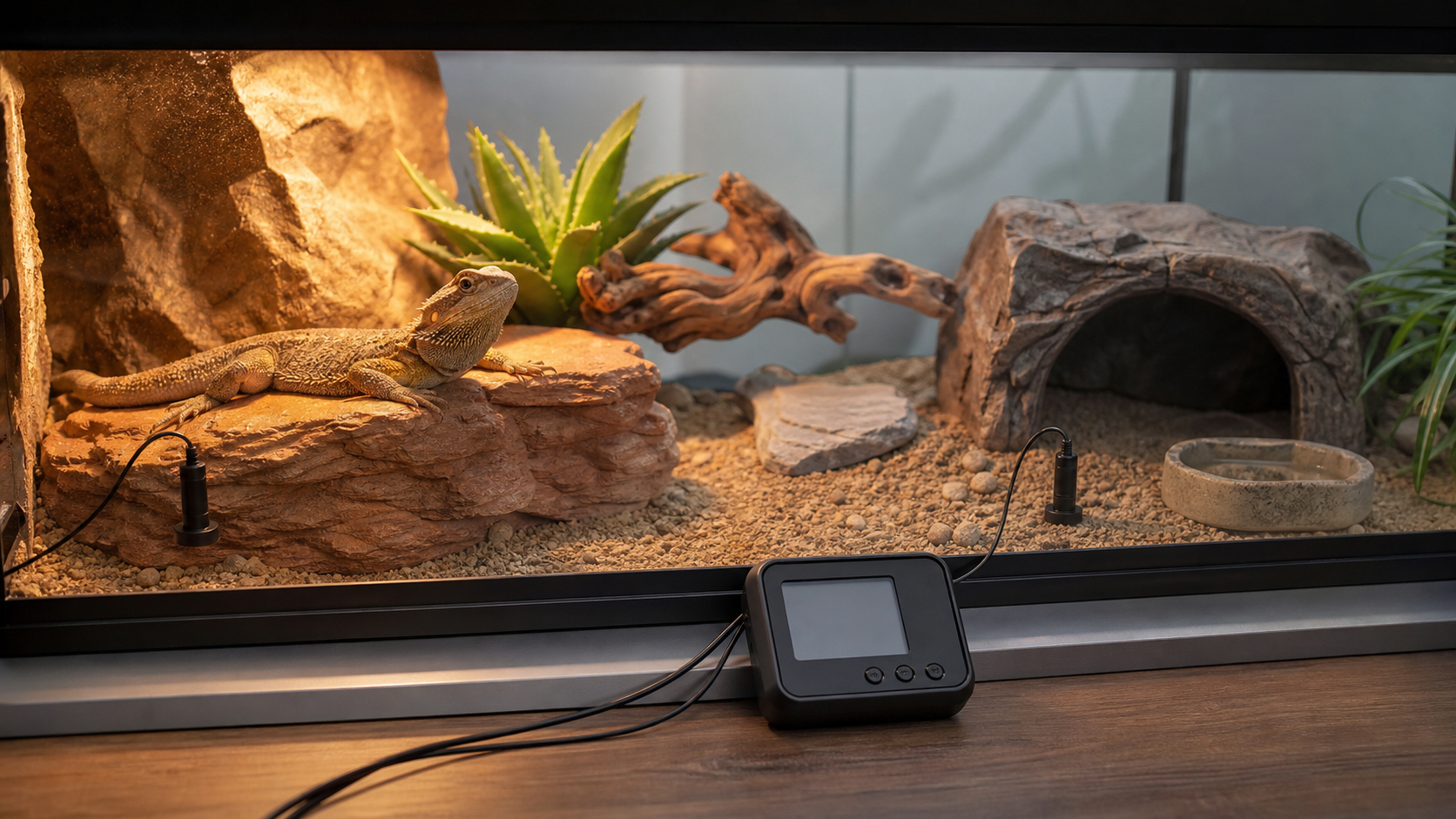
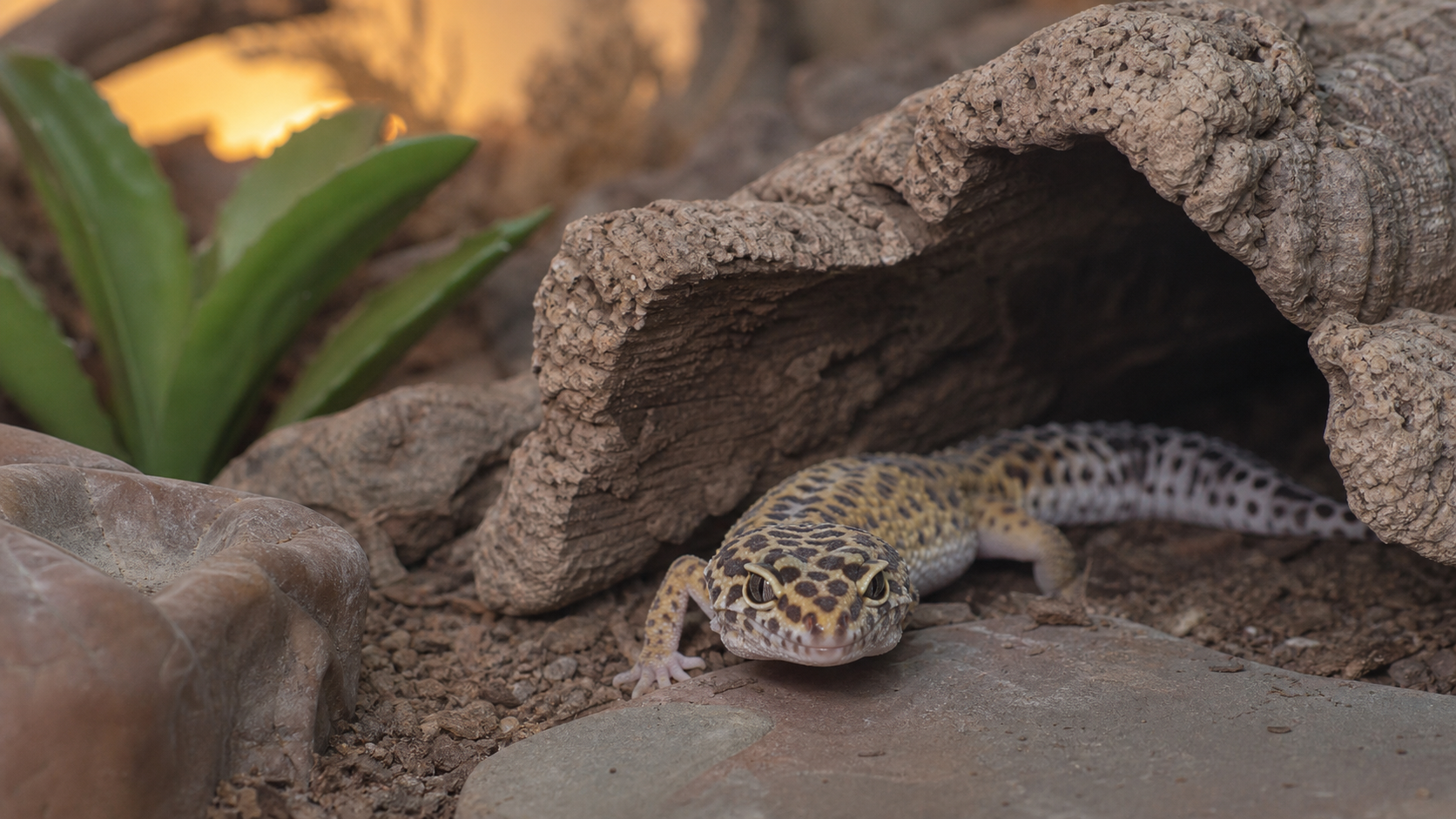
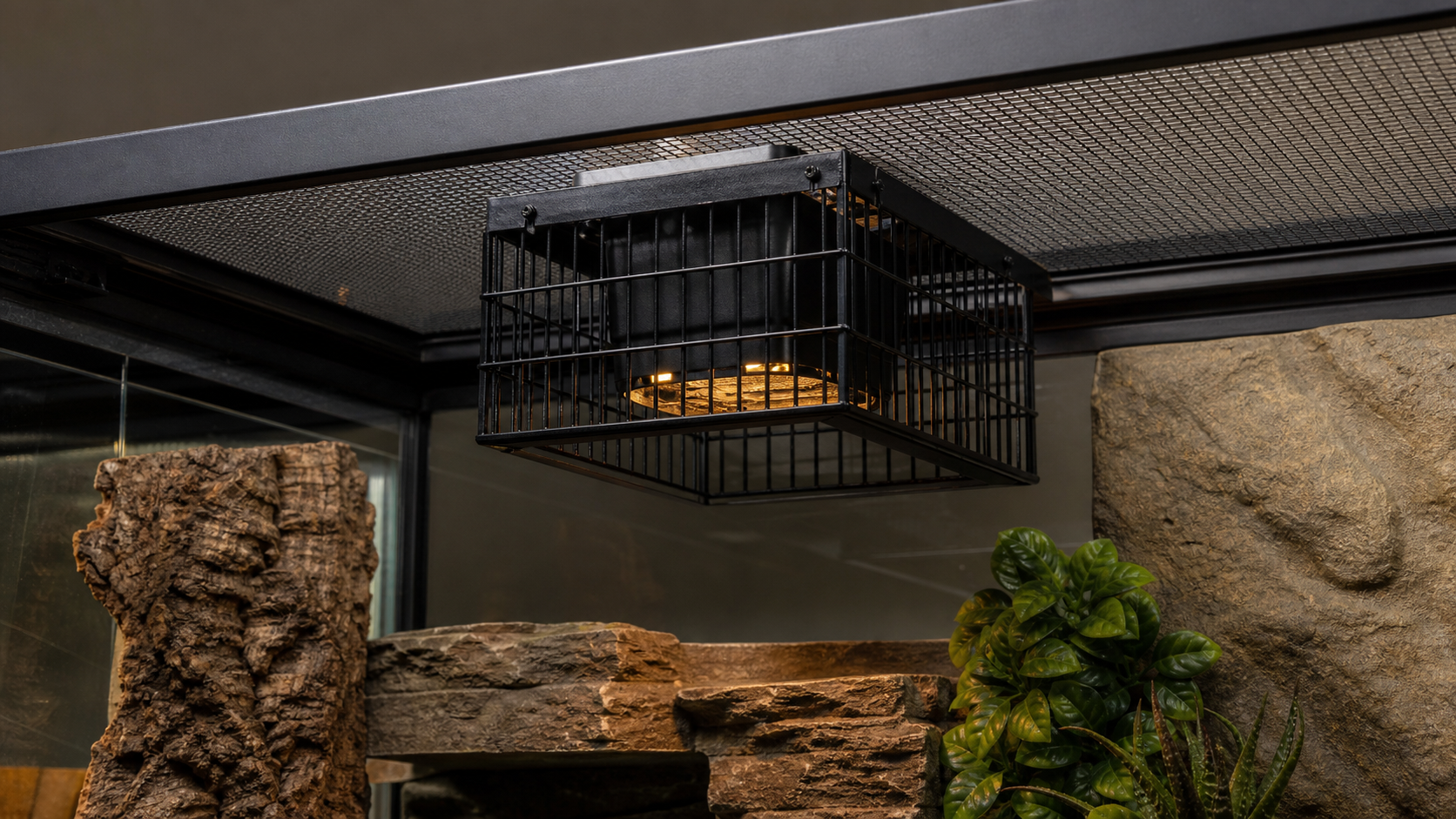
Reptiles use their environment to regulate body temperature. A properly designed enclosure offers a warm area, a cooler retreat and species-appropriate hides so the animal can choose where to rest. Heating equipment should be thermostatically controlled, screened from contact and checked with dependable measuring tools at the locations the reptile actually uses.
Monitor the Animal and the Equipment
Record temperatures regularly, especially after changing bulbs, thermostats, enclosure furniture or room conditions. Do not treat appetite, activity or shedding changes as a diagnosis by themselves; they can reflect husbandry, illness or both. Persistent concerns warrant review by a qualified reptile veterinarian alongside a careful check of the enclosure setup.
Measure the Conditions the Reptile Can Reach
A temperature reading at one point in an enclosure does not describe every surface, perch, hide or water area. A heat source can create a local hot spot while another part of the enclosure remains too cool. Measurements should be taken where the animal actually rests and moves, including both warmer and cooler areas. Reliable equipment and thermostatic control reduce the risk of burns, overheating and unstable conditions.
Day and night conditions may need separate planning. Some species require a predictable change after lights go out, while others need carefully controlled overnight heat. The correct approach depends on the animal’s natural history, life stage, health and the enclosure design. A generic chart cannot replace species-specific guidance.
Choice Matters as Much as a Set Point
A thermal gradient gives a reptile options. It can warm, cool down, hide or use a different perch without being forced against a hot surface or into one uniform temperature. Hides, ventilation, furniture and the position of the heat source all affect whether that choice is real. The design should allow the animal to use cover in both warmer and cooler areas when appropriate.
Use Health Signals Carefully
Reduced feeding, hiding or altered activity can have several causes. Do not diagnose illness solely from a thermometer reading or make large equipment changes in response to one symptom. Record conditions, review the species plan and consult a reptile-qualified veterinarian for persistent changes or signs of illness.
Sources and review notes
Reviewed 23 August 2026. Care works best when it starts with the exact species in front of you. We checked this article against current veterinary husbandry guidance, but measured enclosure conditions and a reptile-experienced veterinarian should guide decisions for an individual animal.
Reference starting points: Merck Veterinary Manual: reptile management and husbandry, CDC: healthy handling around reptiles and amphibians, and The Reptile Database. Conservation status, taxonomy and local laws can change, so check the linked databases and the relevant local authority for current information.
Spotted something we should revisit? Send Reptile Explorer a correction—thoughtful reader feedback is always welcome.