What conservation breeding can achieve
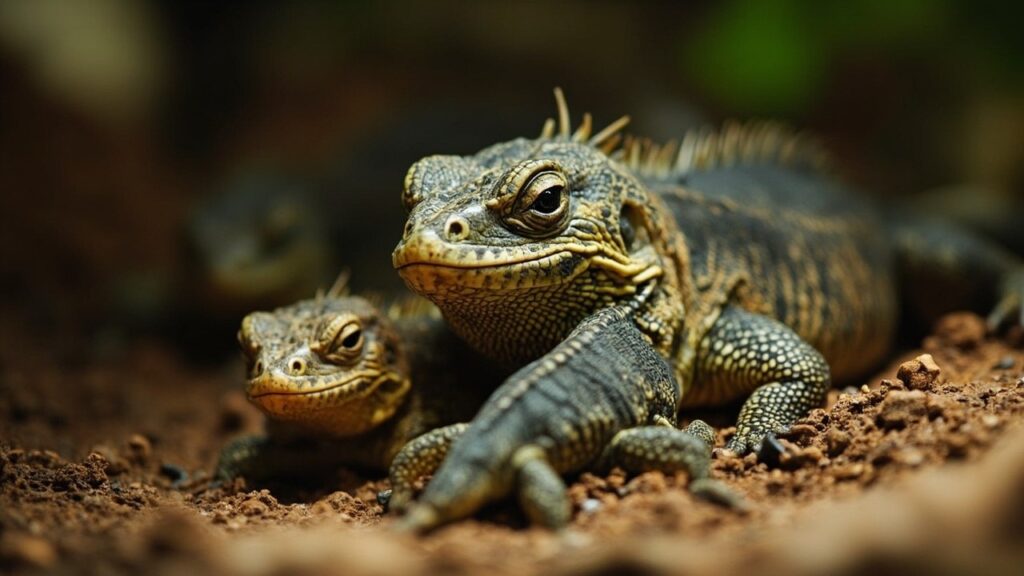
Conservation breeding can create an assurance population when a wild species faces severe decline, disease, habitat loss or other immediate risk. A programme needs a clear conservation purpose, not simply the ability to produce offspring. For reptiles, this may include safeguarding genetic diversity, supporting research or providing animals for carefully planned recovery work.

Good programmes manage more than numbers
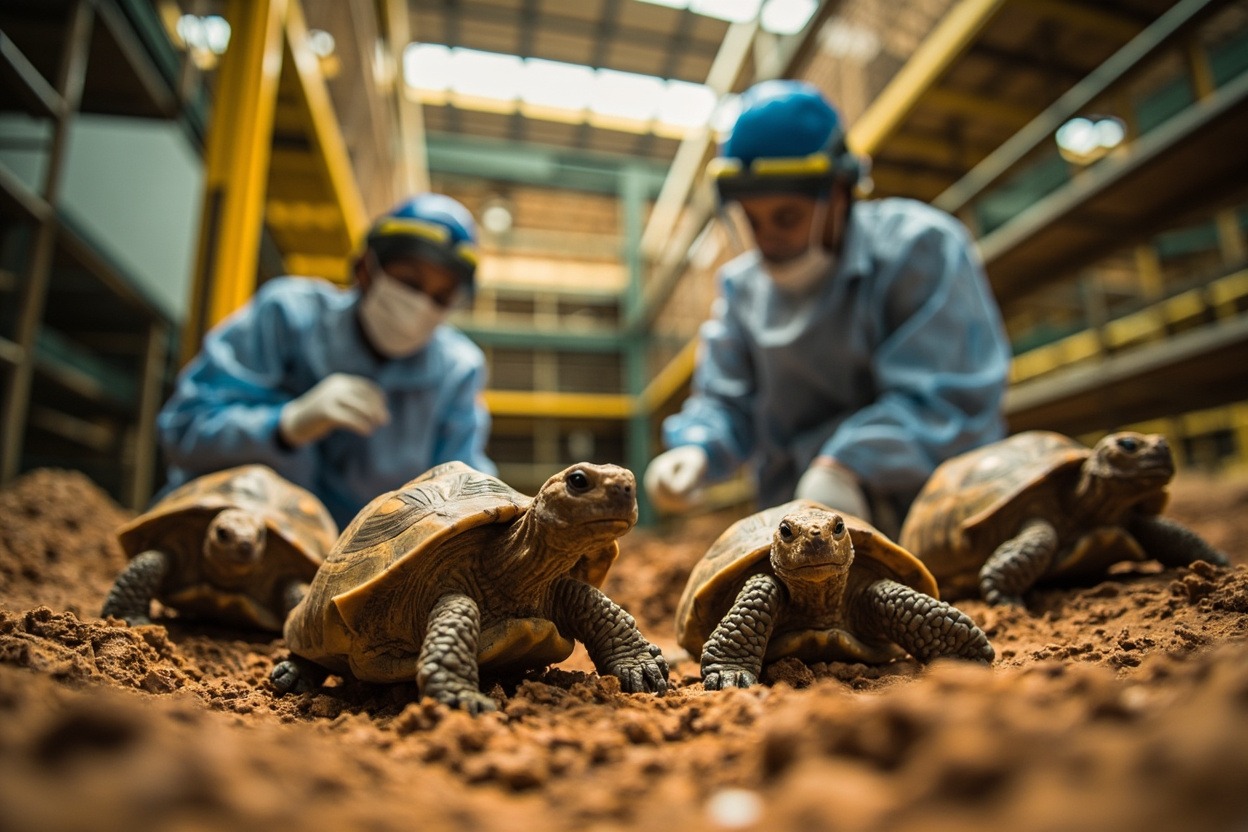
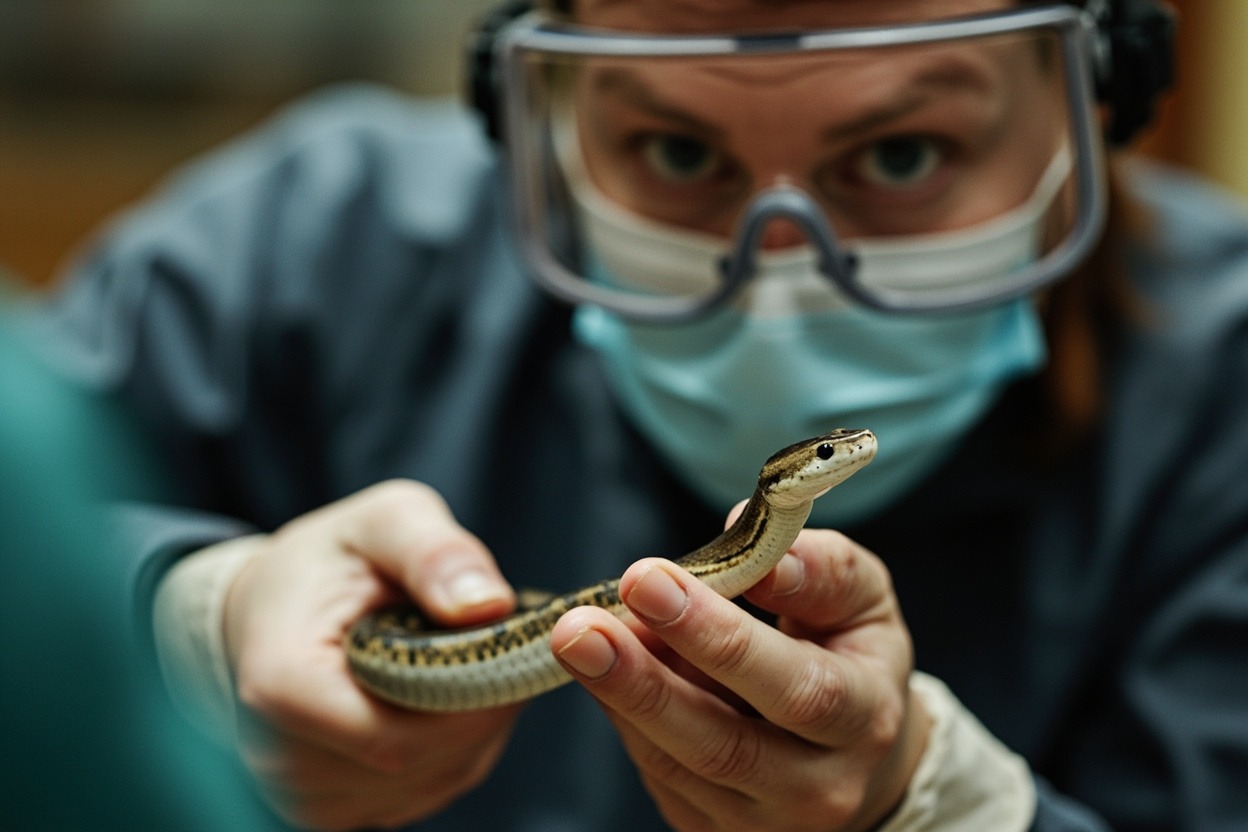
Breeding decisions should consider pedigree, genetic diversity, demographic balance, health screening, welfare and biosecurity. A population can grow in captivity while still being poorly prepared for release. Coordinated institutions, transparent records and expert veterinary care are essential, particularly for species with specialised diets, long generation times or limited biological data.
Release is not the finish line
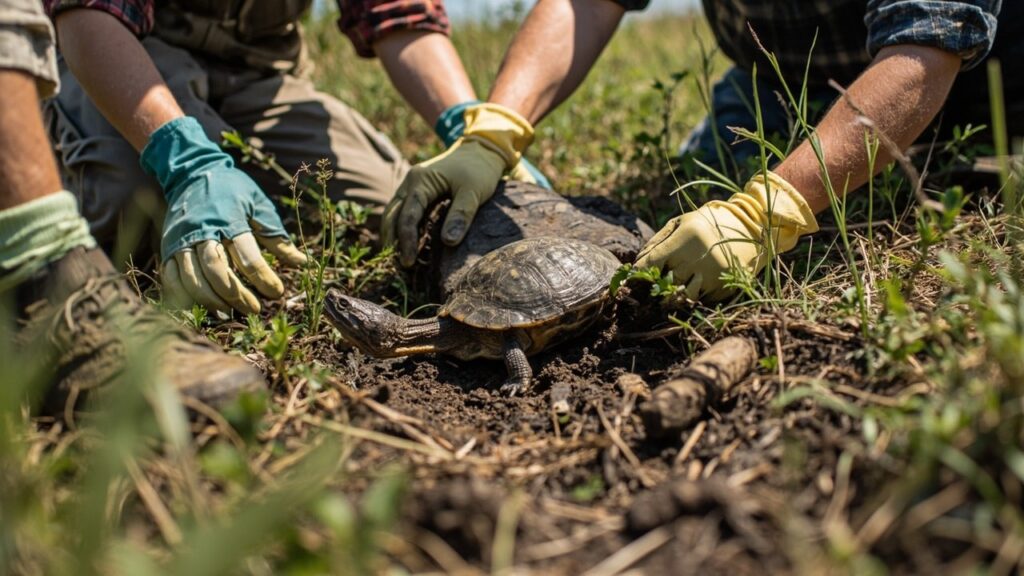
Reintroduction should occur only where the causes of decline have been reduced and suitable habitat is protected. Released animals require post-release monitoring, and managers must be prepared to revise the programme when results do not match expectations. Habitat protection, local partnerships and threat reduction remain more important than captive breeding alone.
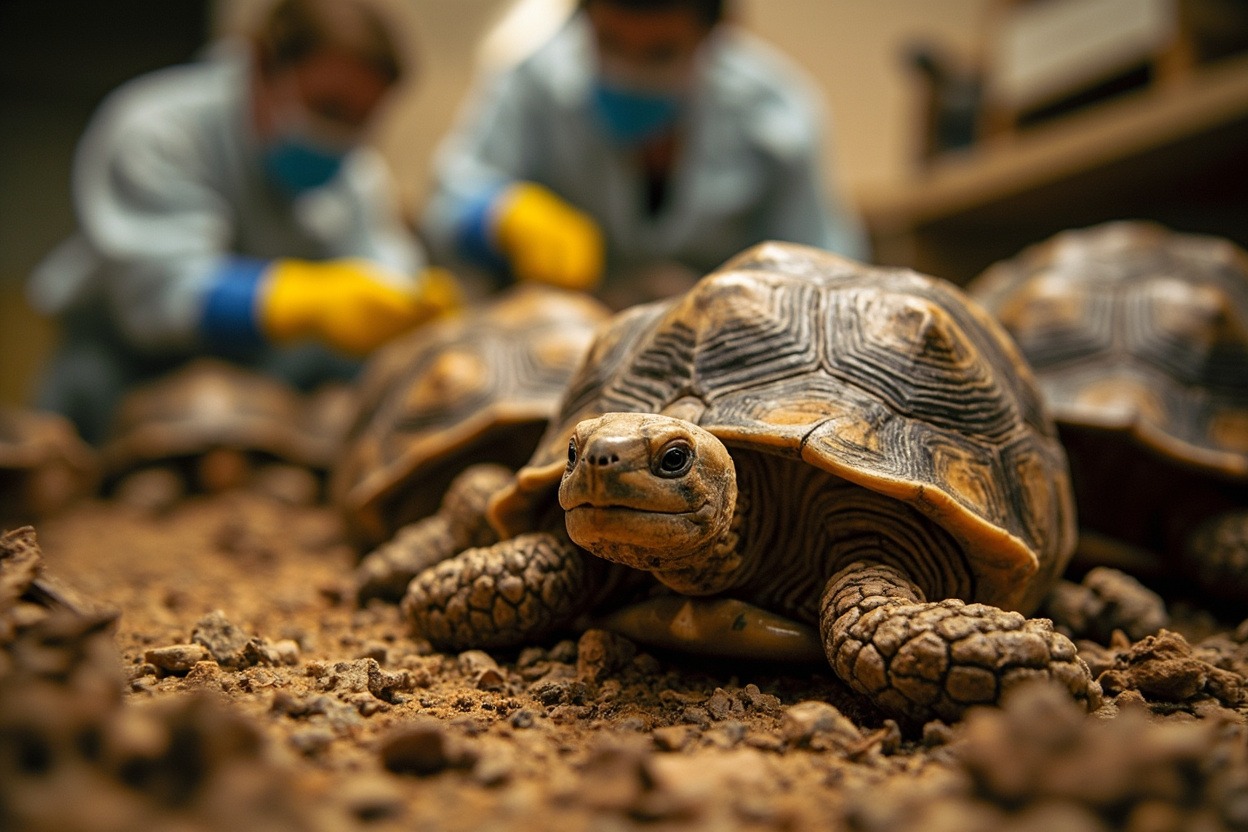
Captive Breeding Needs a Defined Conservation Role
A breeding programme can serve several purposes: maintaining an assurance population, supporting research, improving husbandry knowledge or preparing for carefully planned releases. These goals are not interchangeable. A large collection of animals does not automatically provide a genetically healthy population, an appropriate release group or a solution to habitat loss.
Managers need records of identity, parentage, health, origin and breeding history. Those records help avoid excessive inbreeding, accidental mixing of distinct populations and the spread of disease. They also make it possible to explain what the programme has achieved rather than relying on a simple count of hatchlings.
Release Cannot Replace Habitat Security
Before a release, conservation teams need evidence that the receiving habitat is suitable and that the causes of the original decline have been addressed. Food, shelter, water, nesting areas, predators, disease, human pressure and connectivity can all affect the result. Moving animals into an unsafe site can create new welfare and conservation problems.
Success Is Measured After the Release
Useful monitoring asks whether animals survive, move through suitable habitat, reproduce and contribute to a persistent wild population. It also checks the condition of the site and the continued control of threats. Captive breeding is strongest when it works alongside habitat protection, local participation and long-term field monitoring.
Sources and review notes
Reviewed 23 August 2026. Conservation is rarely a one-step success story. We have kept the language specific about evidence, limits and local context, because a programme that helps one population may not transfer neatly to another.
Reference starting points: The IUCN Red List of Threatened Species, IUCN conservation-translocation guidelines, and the current CITES Appendices. Conservation status, taxonomy and local laws can change, so check the linked databases and the relevant local authority for current information.
Spotted something we should revisit? Send Reptile Explorer a correction—thoughtful reader feedback is always welcome.