
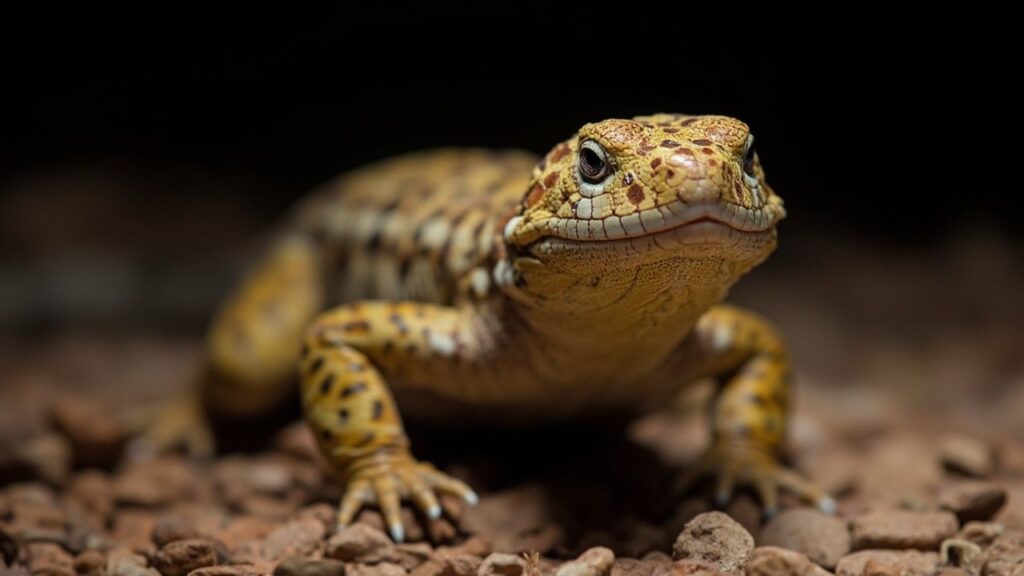
Mojave Desert: Nocturnal Reptiles
Mojave Desert reptiles follow different daily schedules. Some are active at night, while others use daylight, shade, burrows or ground cover.
Mojave Desert reptiles follow different daily schedules. Some are active at night, while others use daylight, shade, burrows or ground cover.
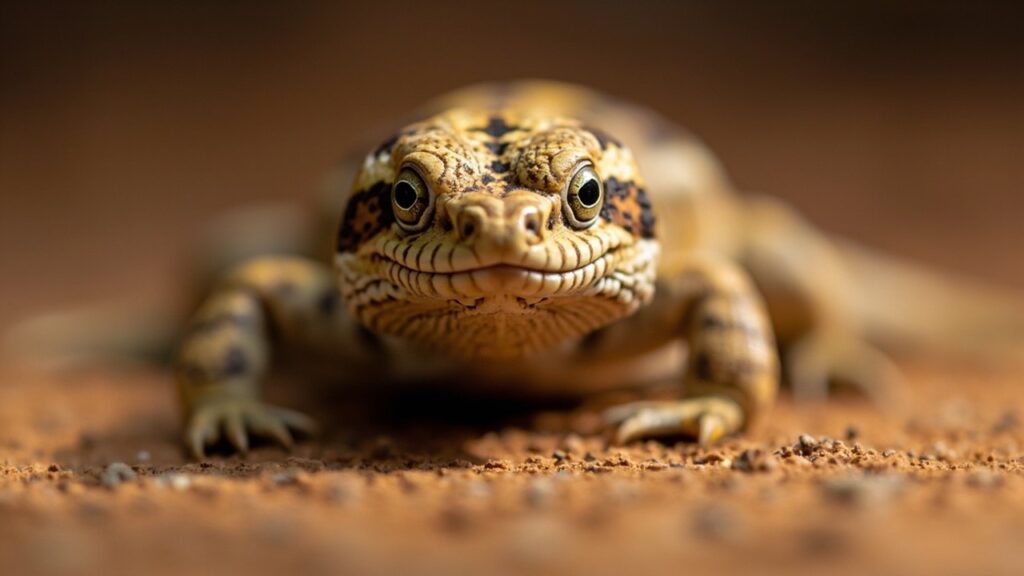
Arabian deserts support reptiles adapted to dunes, gravel plains, mountains and wadis. Species accounts must match each animal’s known range.
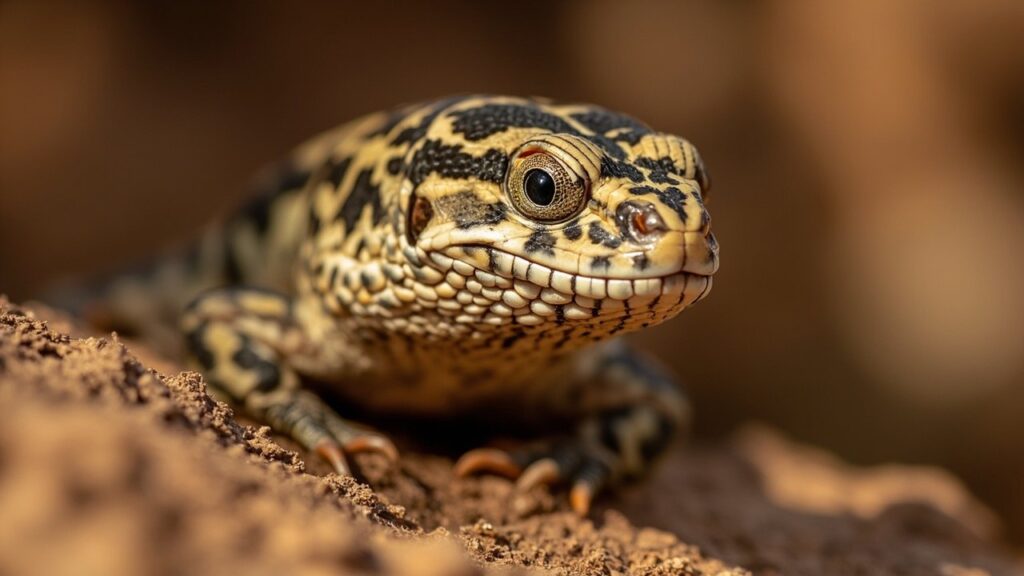
The Atacama includes coastal, interior and high-elevation habitats. Reptile diversity and survival strategies vary across this dry landscape.
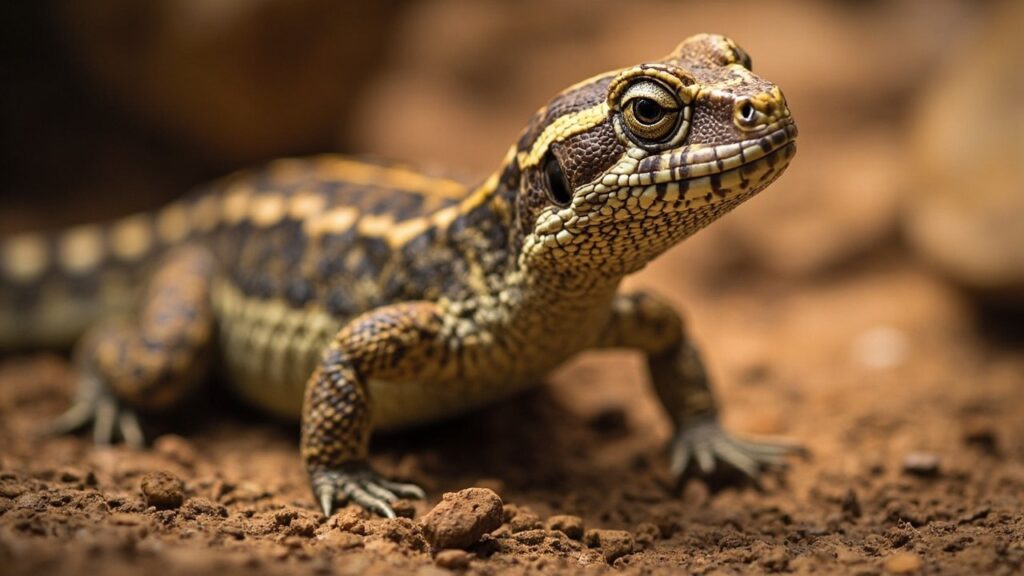
The Chihuahuan Desert includes grassland, scrub, rocky slopes and arroyos. Its reptiles use different shelters and activity patterns by species.
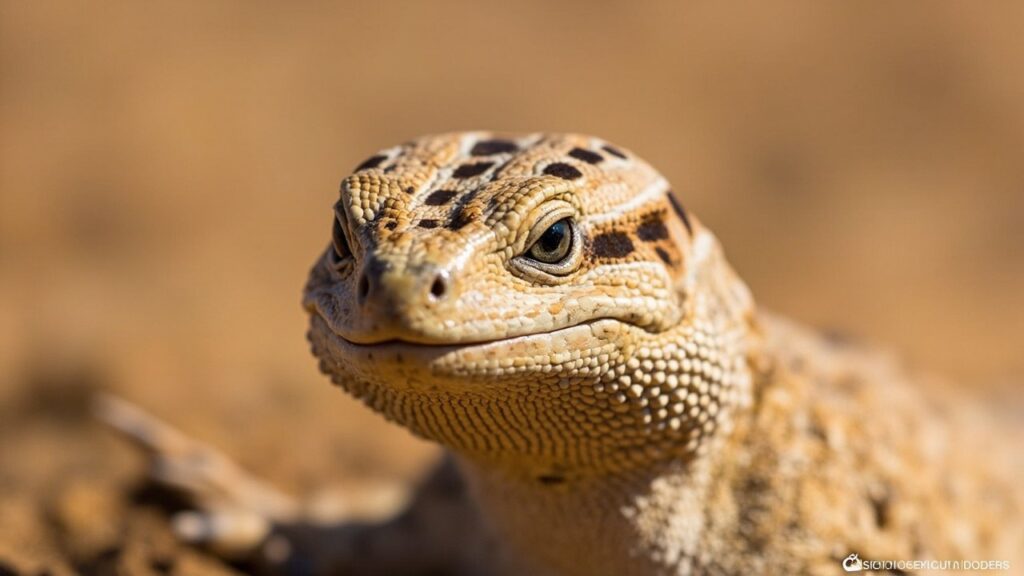
Namib web-footed geckos live on coastal dunes and dry riverbeds. Webbed feet aid movement and digging, while nocturnal activity and burrows limit exposure to daytime heat.
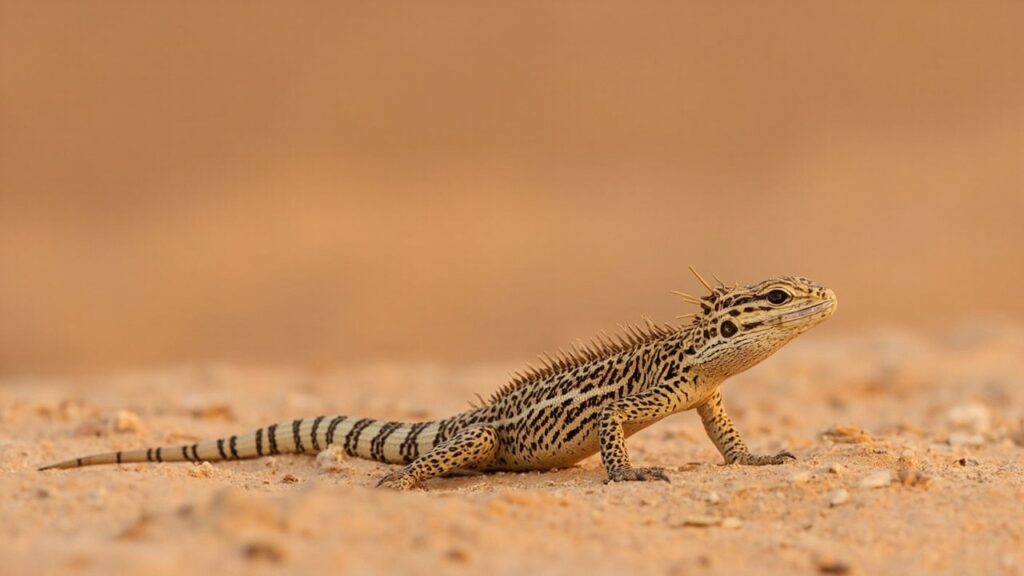
The Thar Desert supports lizards, snakes and other reptiles across dunes, scrub and rocky ground. Activity and shelter use differ by species.
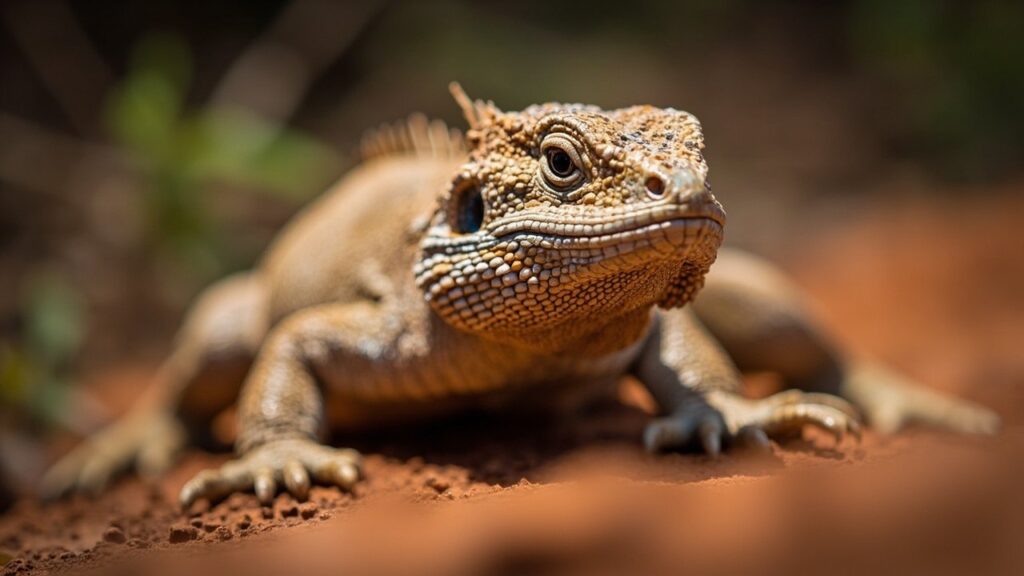
Central bearded dragons use posture, beard displays and colour changes in communication. Habitat and conservation pressures vary by region.
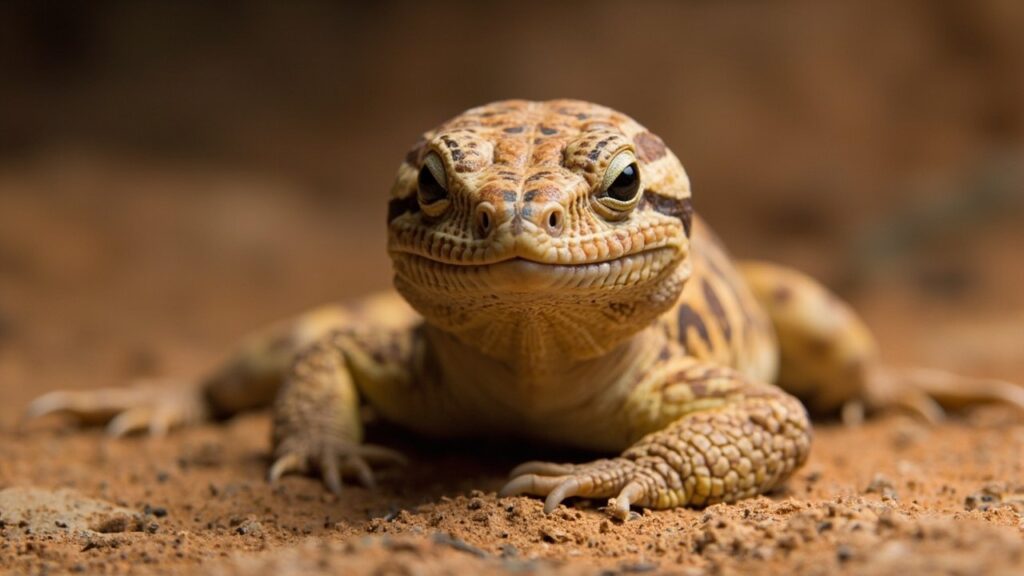
Reptiles of the Namib use shelter and carefully timed activity to manage heat. Some species also exploit moisture from coastal fog.
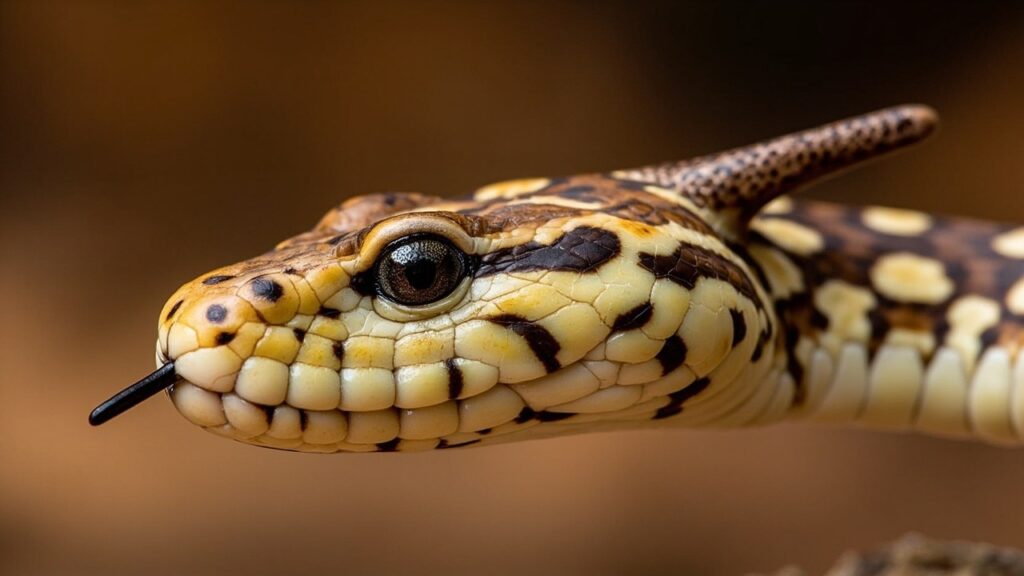
Saharan horned vipers are medically significant ambush predators of North African deserts. Horn-like scales vary among individuals, and suspected bites require urgent emergency care.
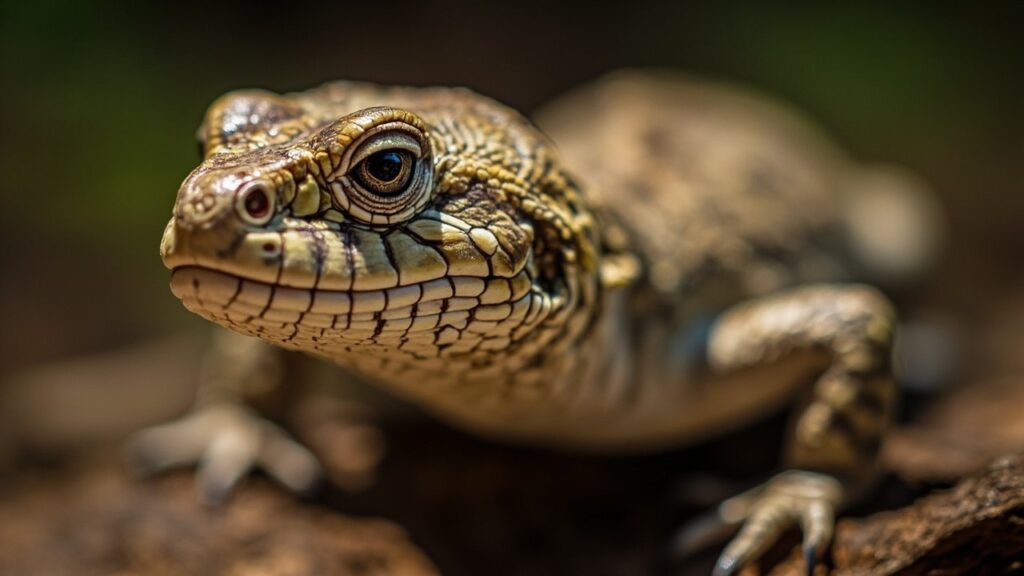
Reptiles of the Gobi use burrows, rock crevices, vegetation and seasonal activity to manage heat, cold and drought. Species records vary across dunes, gravel plains, rocky slopes and dry valleys.