A Diverse Caiman Lineage
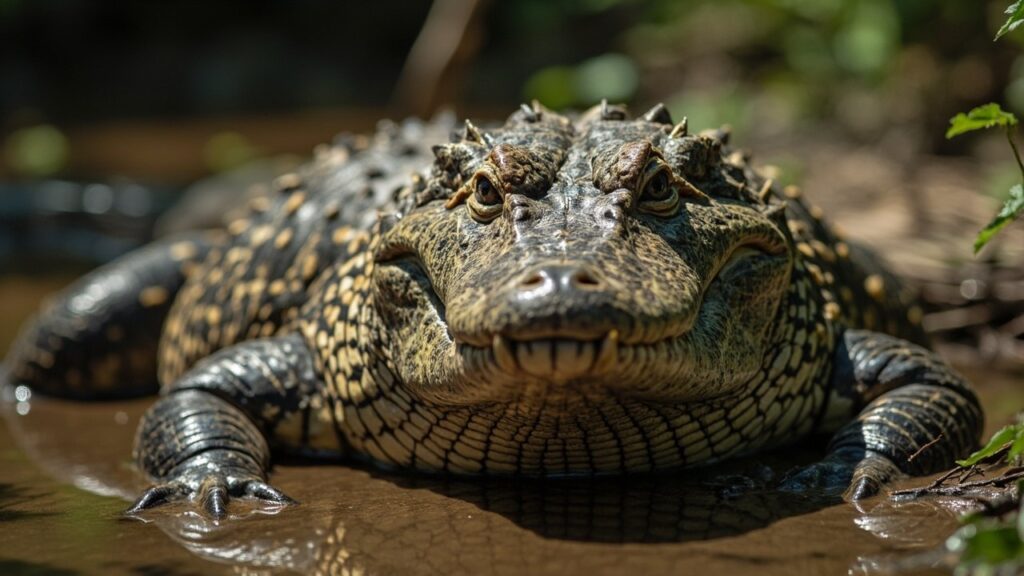
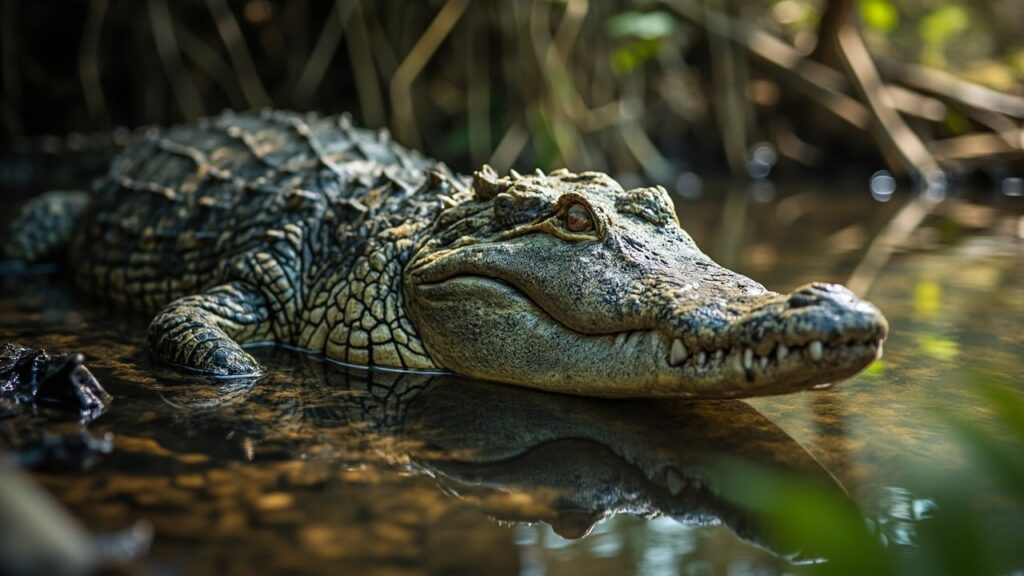
Caimans are crocodilians in the subfamily Caimaninae within the alligator family. The group includes species with very different body sizes, ranges and conservation pressures, from smaller dwarf caimans to the much larger black caiman. A good profile should avoid treating every caiman as interchangeable.

Water, Food and Life Stages
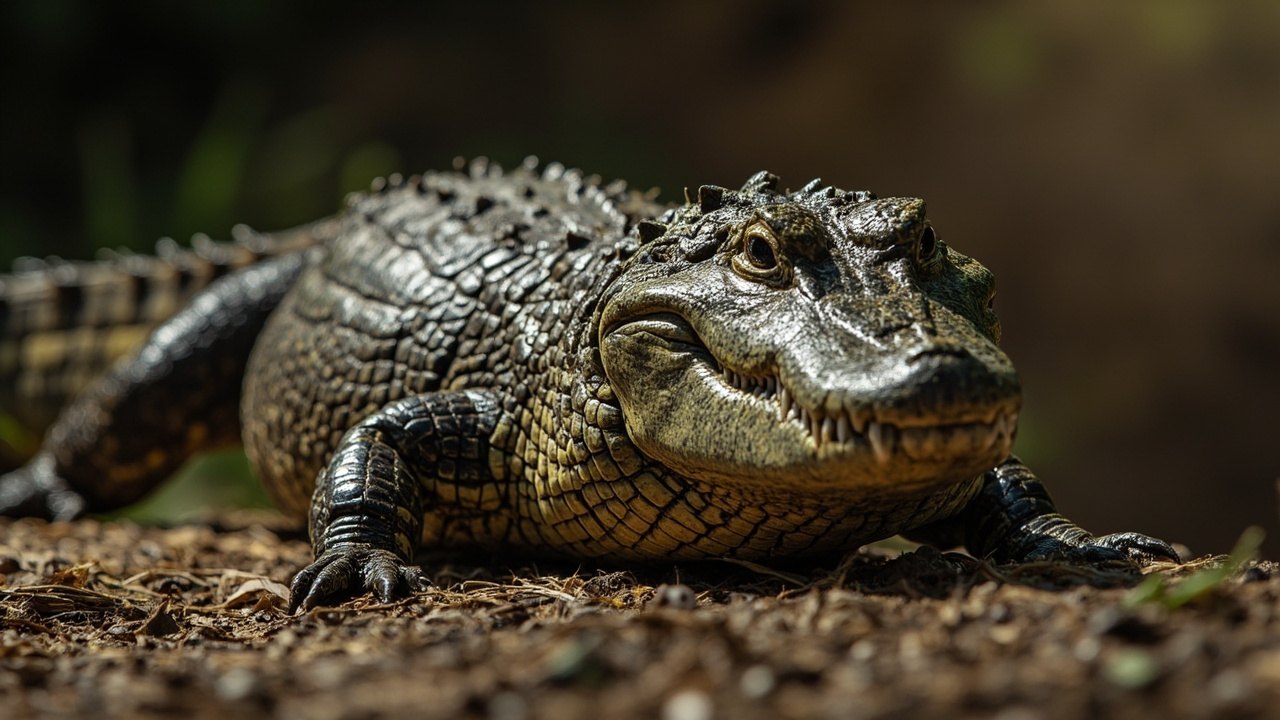
Most caimans use freshwater rivers, lakes, marshes and floodplains, although tolerance of brackish water varies by species. Young animals usually take smaller prey than adults, and diet changes with size, habitat and season. Their role in food webs is real, but it should not be reduced to a generic claim that every caiman controls an ecosystem in the same way.
Respect Wild Crocodilians
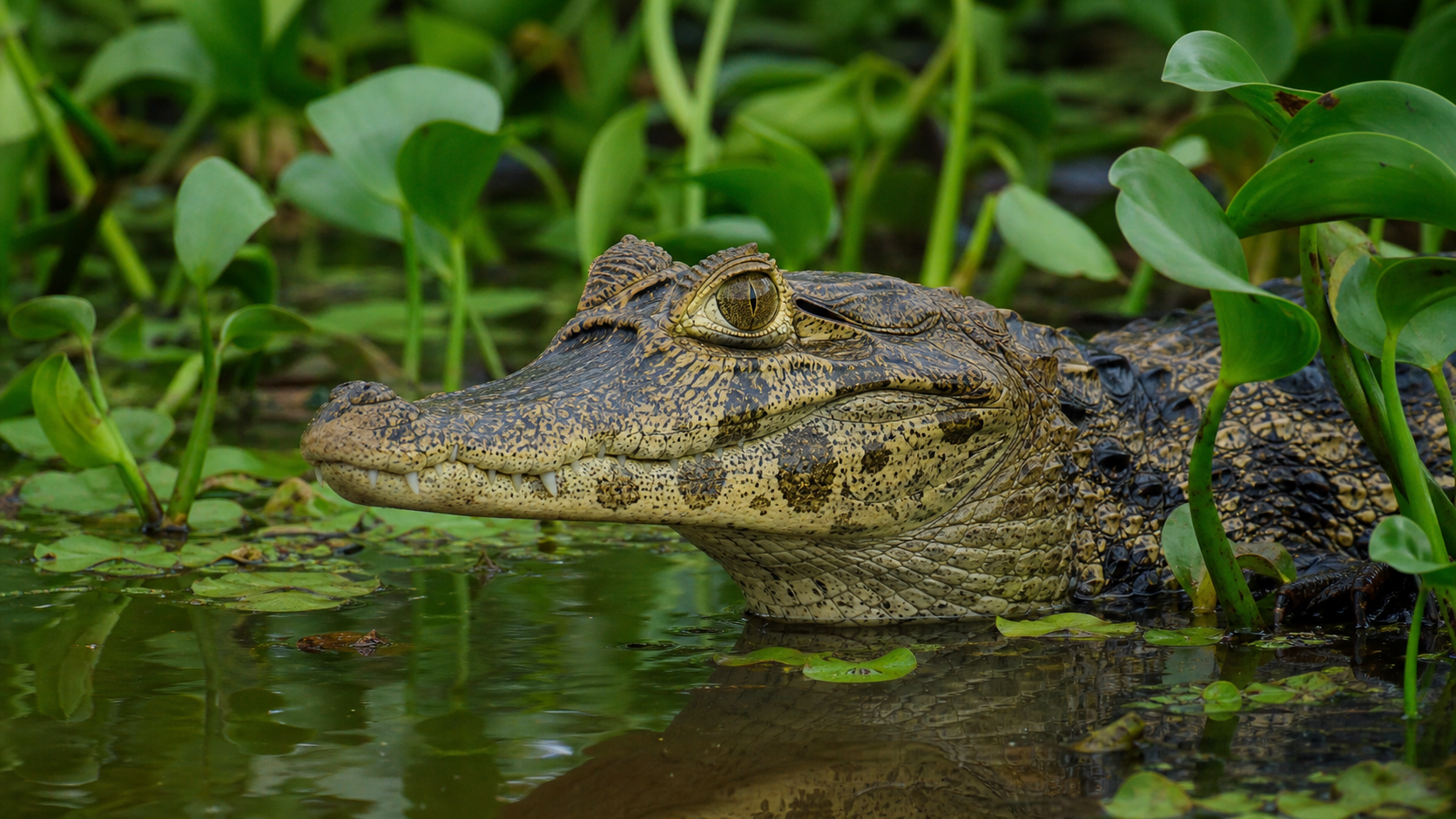
Female caimans commonly construct nests and may guard nest sites or young, but behaviour varies among species and conditions. Caimans are not “friendly” pets or safe animals to approach. Encounters should be observed from a distance, and ownership, trade and handling are subject to local law, welfare requirements and serious public-safety concerns.
Names Prevent False Generalisations
Caimaninae includes several living lineages, including the spectacled caiman, Caiman crocodilus, the broad-snouted caiman, Caiman latirostris, the yacare caiman, Caiman yacare, the black caiman, Melanosuchus niger, and two dwarf caimans in the genus Paleosuchus. They differ in size, range, water use and local pressures. A conservation record should name the species when possible rather than treating every small South American crocodilian as a generic caiman.
Nests Respond to Site Conditions
Female caimans commonly build mound nests from vegetation and mud. Nest position, flooding risk, vegetation, temperature and disturbance can affect egg development and hatching success. Crocodilian nest temperatures can influence offspring sex, but no single nest feature predicts the result by itself. A nest should be left undisturbed, because close approach can expose eggs or provoke a defensive response from an adult.
Monitoring Must Separate Species and Place
Counts are more useful when they record waterbody type, season, size class and a confirmed species identification. A quiet tributary, flooded grassland and urban pond can support different caiman populations even within one region. This detail helps managers assess habitat change without claiming that a sighting at one wetland represents an entire river basin.
Sources and review notes
Reviewed 23 August 2026. Conservation is rarely a one-step success story. We have kept the language specific about evidence, limits and local context, because a programme that helps one population may not transfer neatly to another.
Reference starting points: The IUCN Red List of Threatened Species, IUCN conservation-translocation guidelines, and the current CITES Appendices. Conservation status, taxonomy and local laws can change, so check the linked databases and the relevant local authority for current information.
Spotted something we should revisit? Send Reptile Explorer a correction—thoughtful reader feedback is always welcome.