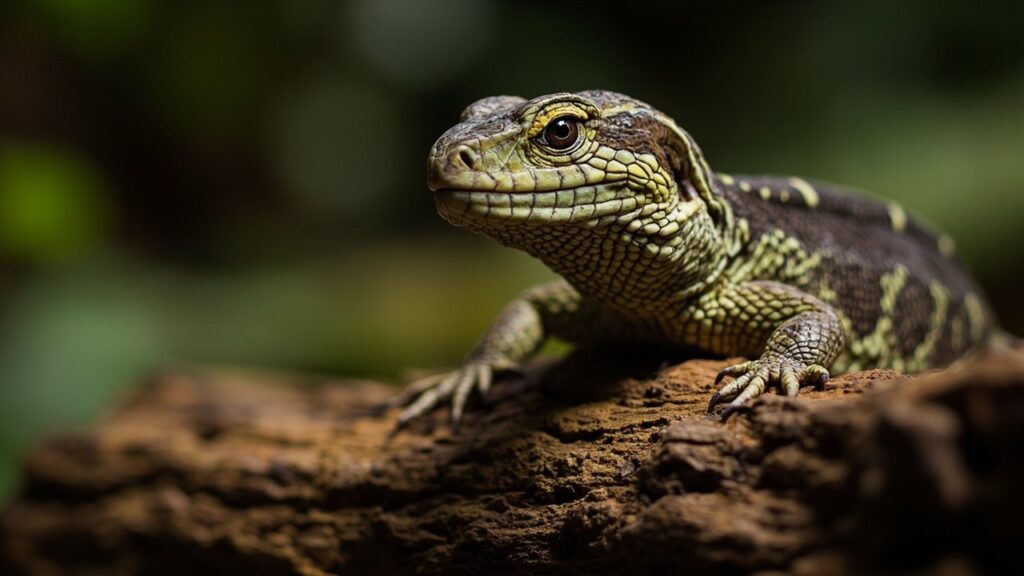
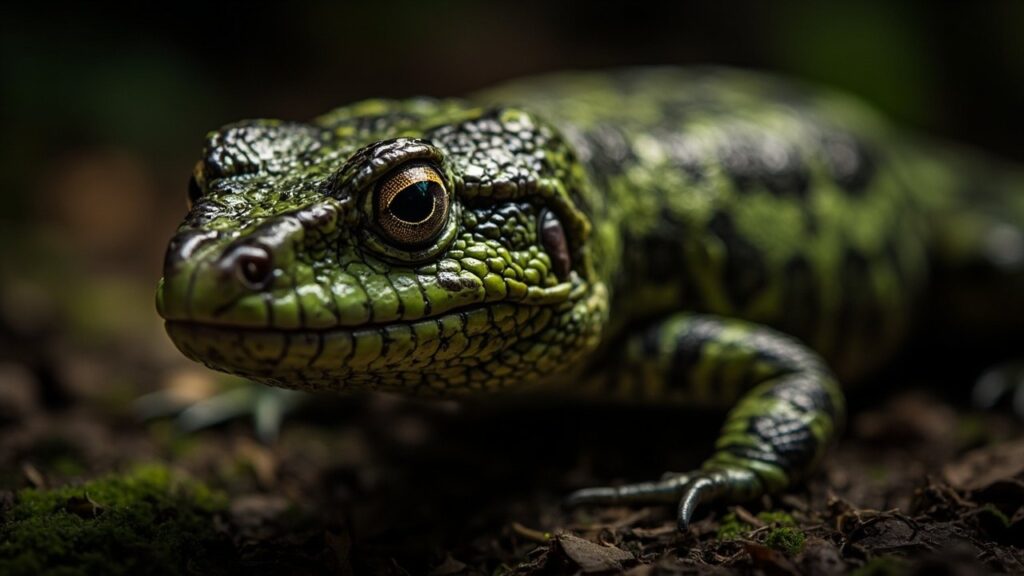
A basin of many habitats and countries
The Congo Basin spans a huge area of Central Africa, including lowland rainforest, rivers, flooded forest, swamp and forest-edge habitats. There is no single short list that represents all of its reptiles. Species presence changes across countries, elevations and water systems, so regional claims should be treated as broad context rather than site-level identification advice.

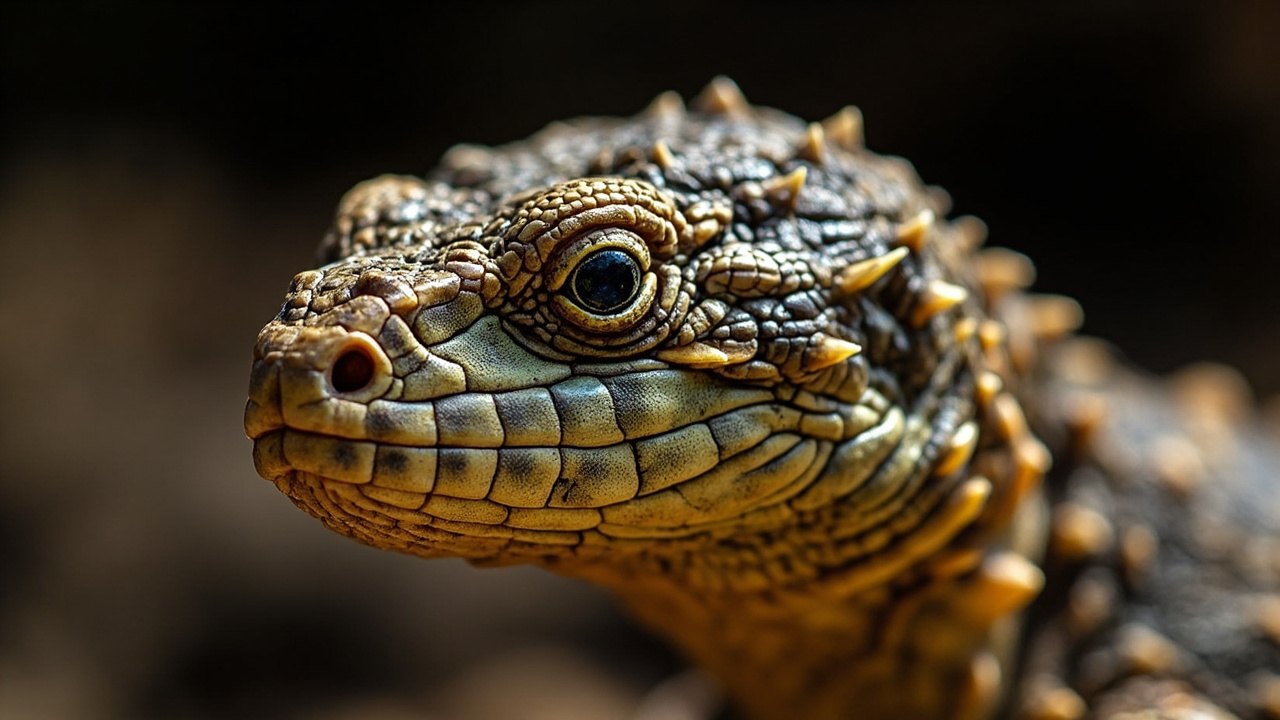
Different reptiles use different waterways
Crocodilians, snakes, turtles, chameleons, skinks and monitor lizards occupy distinct parts of the landscape. Forested wetlands can support dwarf crocodiles, while larger rivers and open water may support other crocodilian communities. Chameleons and many snakes depend on vegetation structure, prey and suitable microclimates rather than simply “rainforest.”
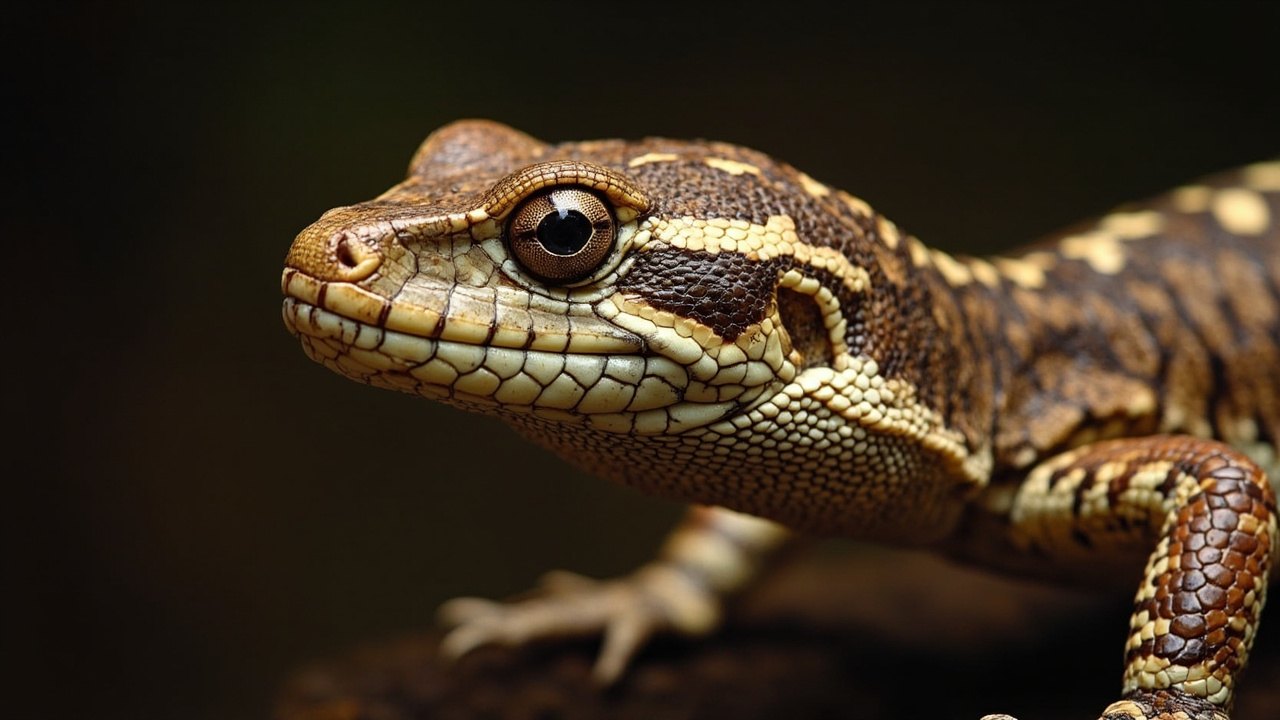
Conservation requires local knowledge
Forest conversion, hunting, trade, pollution and infrastructure can fragment habitat and make monitoring difficult. Effective conservation combines protected areas, community leadership, field surveys and protection for riverine as well as terrestrial habitat. Sensitive locality information for vulnerable species should not be published casually.
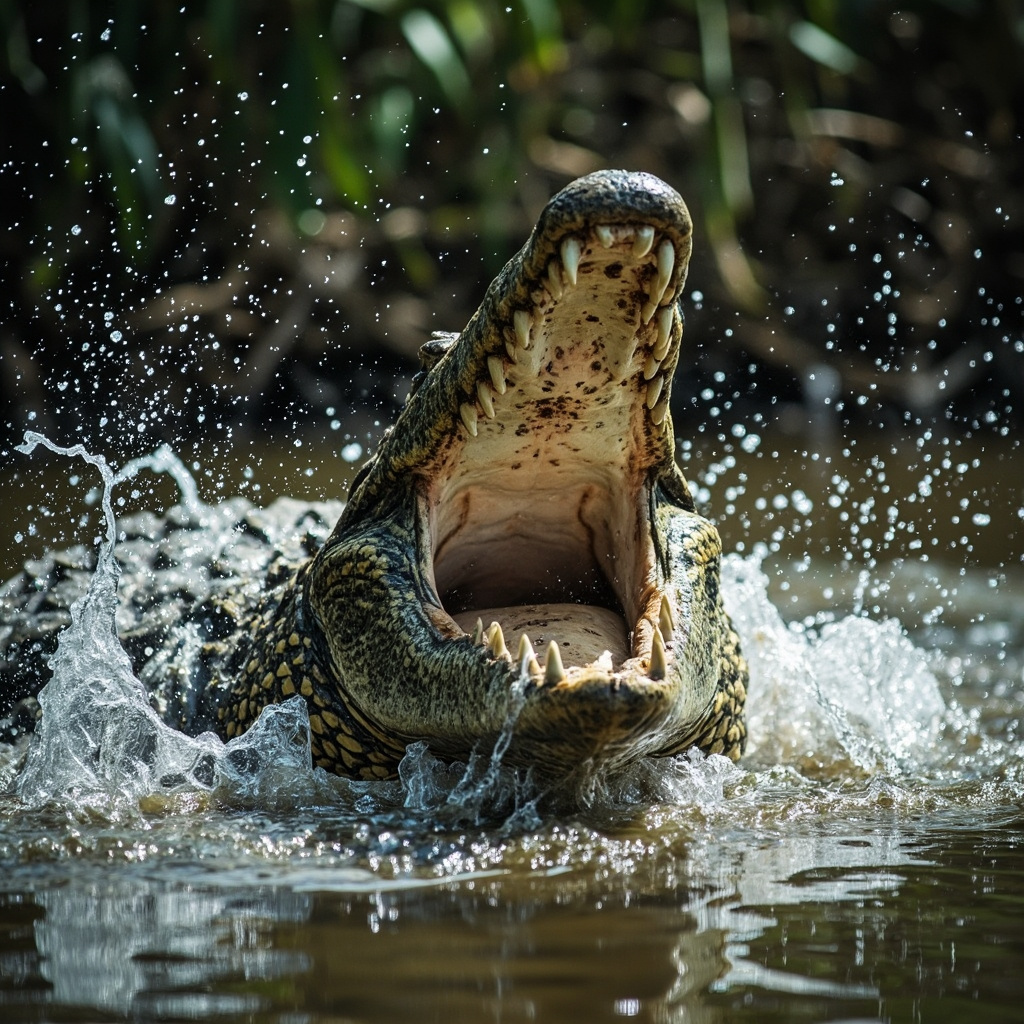
One Basin Contains Many Wet Habitats
The Congo Basin is not one uniform rainforest. It includes dense forest, rivers, flooded forest, swamps, peatlands and seasonally wet ground across several countries. Water level, canopy cover, temperature, prey and access to dry refuges can differ over short distances. A snake, turtle, lizard or crocodile recorded near one river cannot automatically be assumed to use every forest or wetland type in the wider basin.
Repeated Surveys Improve Species Records
Many reptiles are difficult to detect because they are nocturnal, quiet, camouflaged or active only under particular weather conditions. A missing sighting is therefore weaker evidence than repeated surveys designed for the habitat and season. Field records become more useful when they include a verified identification, date, broad locality, microhabitat and observation method. Exact coordinates for threatened or collectible animals should be handled carefully rather than posted publicly.
Protection Includes People and Water
Forest condition and freshwater condition are connected in the Congo Basin. Roads, forest conversion, pollution and altered drainage can change habitat access as well as vegetation cover. Effective conservation should retain forest and water connections, use local ecological knowledge, and respect the rights and roles of communities who live with these habitats. Species-specific monitoring is more informative than broad claims about a single generic rainforest reptile.
Sources and review notes
Reviewed 23 August 2026. Reptile biology is wonderfully variable. We have avoided turning one species, photograph or dramatic observation into a rule for an entire group, and we have used cautious wording where evidence or local conditions differ.
Reference starting points: The Reptile Database, The IUCN Red List of Threatened Species, and PubMed-indexed research. Conservation status, taxonomy and local laws can change, so check the linked databases and the relevant local authority for current information.
Spotted something we should revisit? Send Reptile Explorer a correction—thoughtful reader feedback is always welcome.