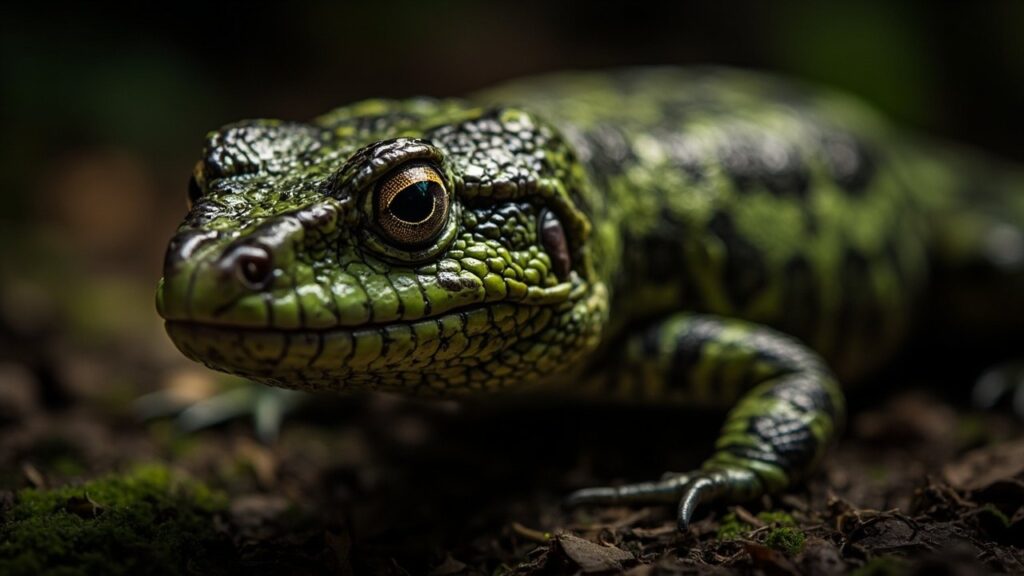
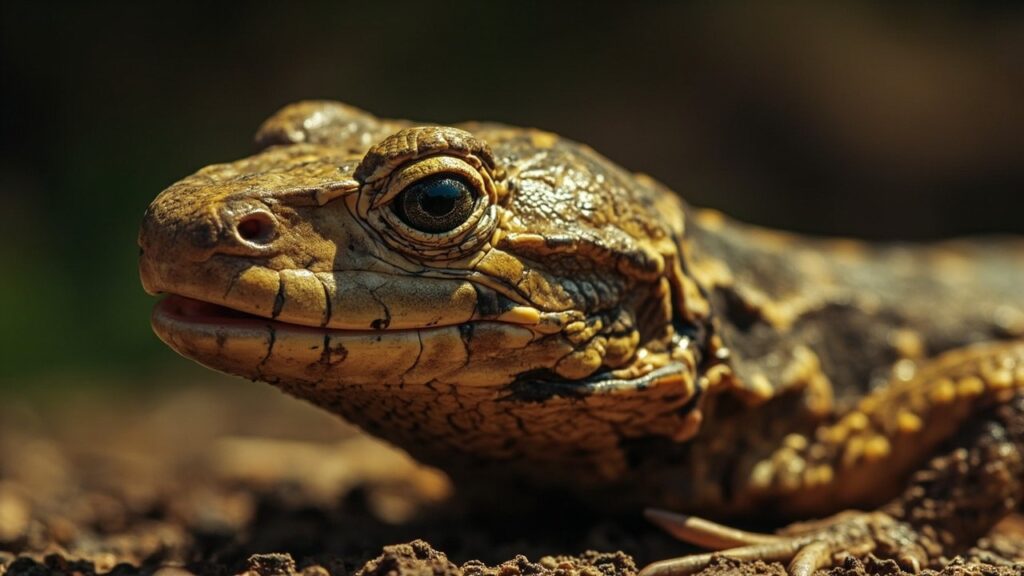
Hundreds of species share a complex region
Amazonia includes rainforest, seasonally flooded forest, wetlands, rivers, forest edges, and upland areas across several countries. These habitats support a diverse range of snakes, lizards, turtles, and crocodilians. Recent taxonomic work has documented hundreds of reptile species in the wider Amazonian region, many found nowhere else. Local communities can differ greatly from one river basin or forest type to the next.
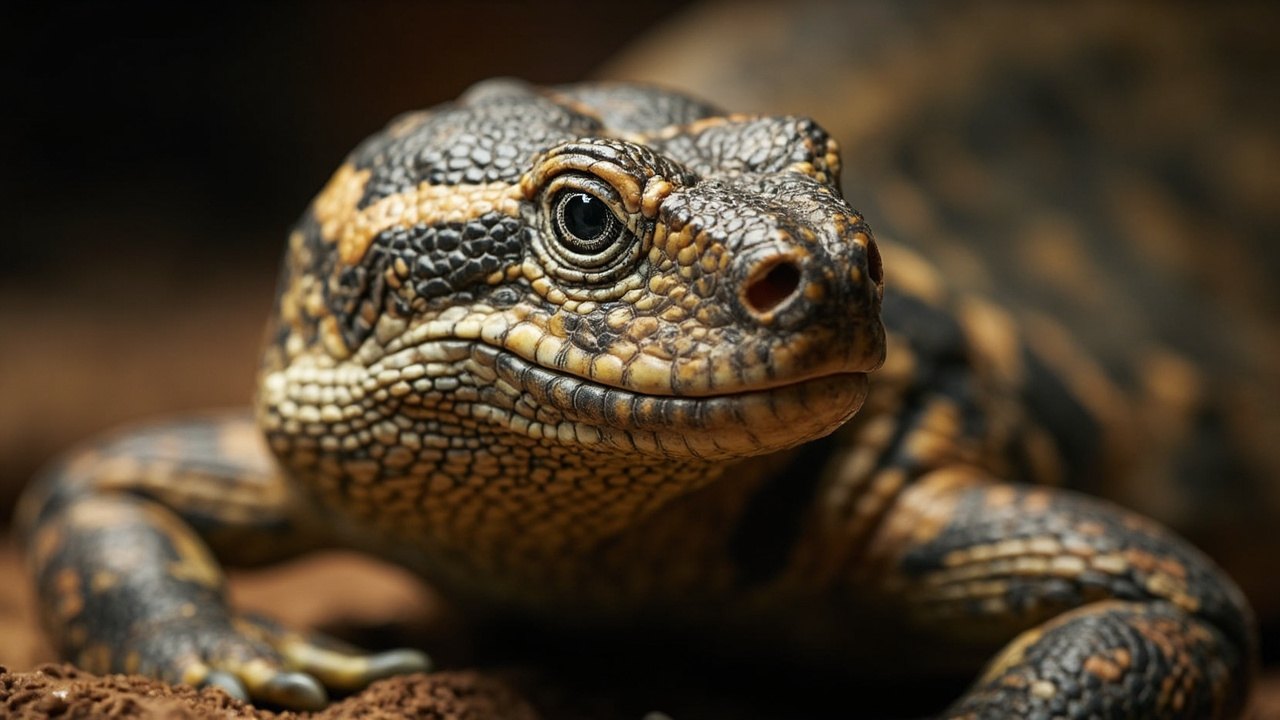
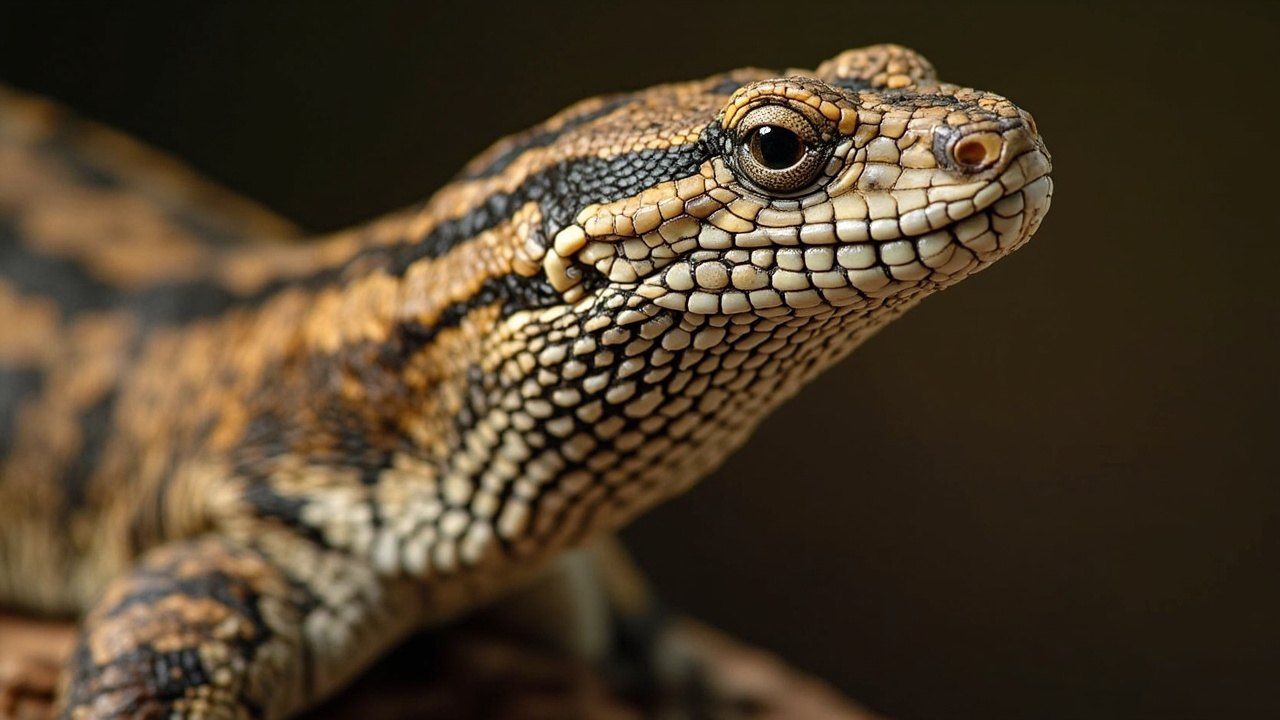
Habitat variety creates different roles
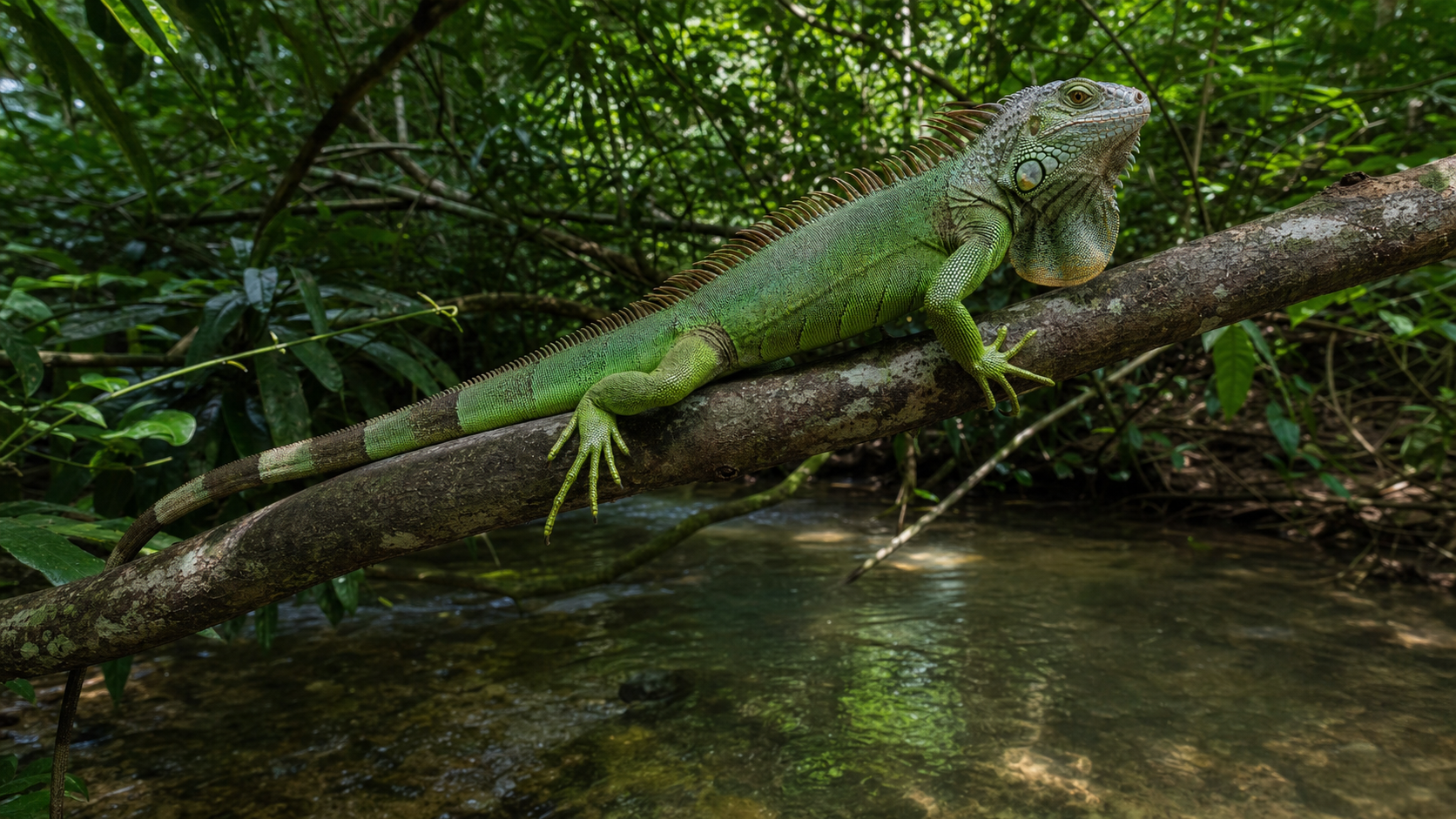
Arboreal lizards use the canopy and trunks, leaf-litter species occupy the forest floor, turtles use waterways and nesting banks, and caimans move between aquatic habitats and shorelines. Reptiles are predators, prey, scavengers, and consumers within these food webs. Many species depend on small-scale features such as intact stream margins, fallen logs, nesting beaches, and connected forest cover.
Conservation needs evidence from the ground
Deforestation, fire, roads, river alteration, and illegal wildlife trade can damage the habitats on which Amazonian reptiles depend. Surveys, museum collections, genetic studies, camera traps, and work with Indigenous and local communities all improve knowledge of where species occur. Protecting intact habitat and limiting disturbance are more useful than collecting wildlife or relying on unverified species lists online.
The Amazon Is a Region of Many Habitats
Amazonia includes major rivers, floodplains, upland forest, seasonally flooded forest and edges shaped by natural or human disturbance. A turtle using a nesting bank, a caiman using a wetland and a leaf-litter lizard using shaded forest may occur in the same wider basin but depend on very different conditions. A species list is more useful when it identifies the habitat and locality behind each record.
Flood cycles rearrange access to water, feeding sites and cover. Some animals follow rising water into flooded forest, while others rely on exposed areas during lower water. Hydrology is therefore part of reptile ecology, not just background scenery in a rainforest description.
Names and Ranges Need Current Evidence
Taxonomic research can split a former single species into several species or clarify where one species actually occurs. Museum specimens, surveys and genetic studies all help test those changes. Online lists that mix animals from different countries or habitat types can create false records and confuse conservation priorities.
Research and Rights Belong Together
Indigenous peoples and local communities hold important knowledge and rights in many Amazonian landscapes. Wildlife research should respect those rights, protect sensitive locations and return useful information to the people who share the region with reptiles.
Sources and review notes
Reviewed 23 August 2026. Reptile biology is wonderfully variable. We have avoided turning one species, photograph or dramatic observation into a rule for an entire group, and we have used cautious wording where evidence or local conditions differ.
Reference starting points: The Reptile Database, The IUCN Red List of Threatened Species, and PubMed-indexed research. Conservation status, taxonomy and local laws can change, so check the linked databases and the relevant local authority for current information.
Spotted something we should revisit? Send Reptile Explorer a correction—thoughtful reader feedback is always welcome.