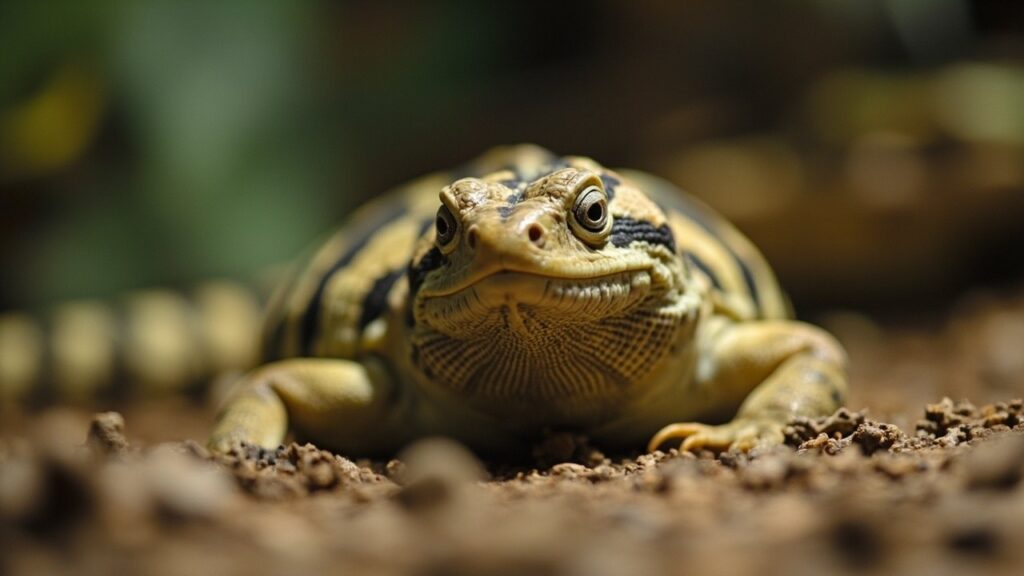
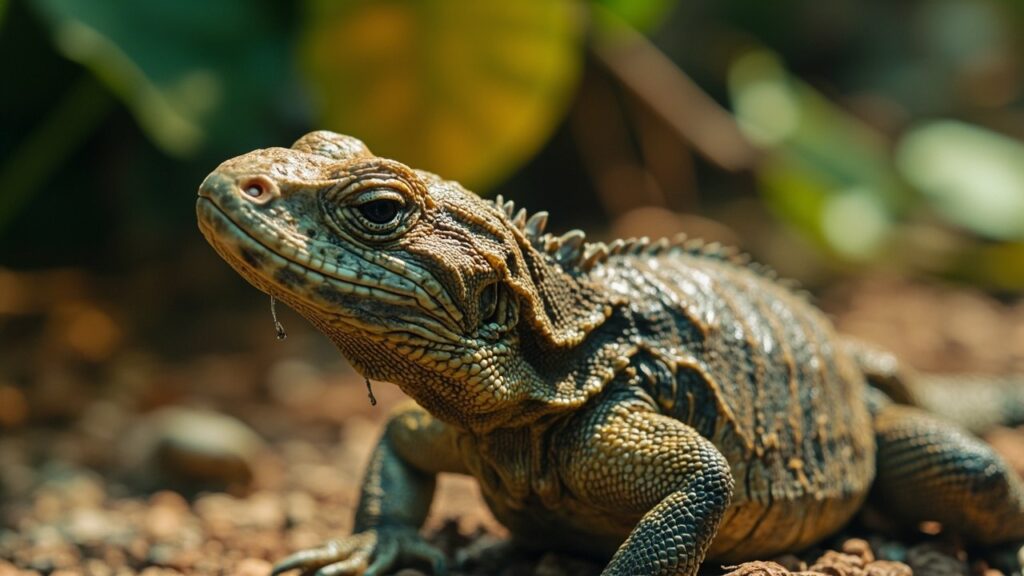
Brumation is not for every pet reptile
Brumation is a seasonal period of reduced activity seen in some temperate reptiles. It is not a requirement for every captive species, and a quiet animal is not automatically brumating. Tropical species, juveniles, underweight animals and reptiles with unresolved health concerns may need entirely different management.

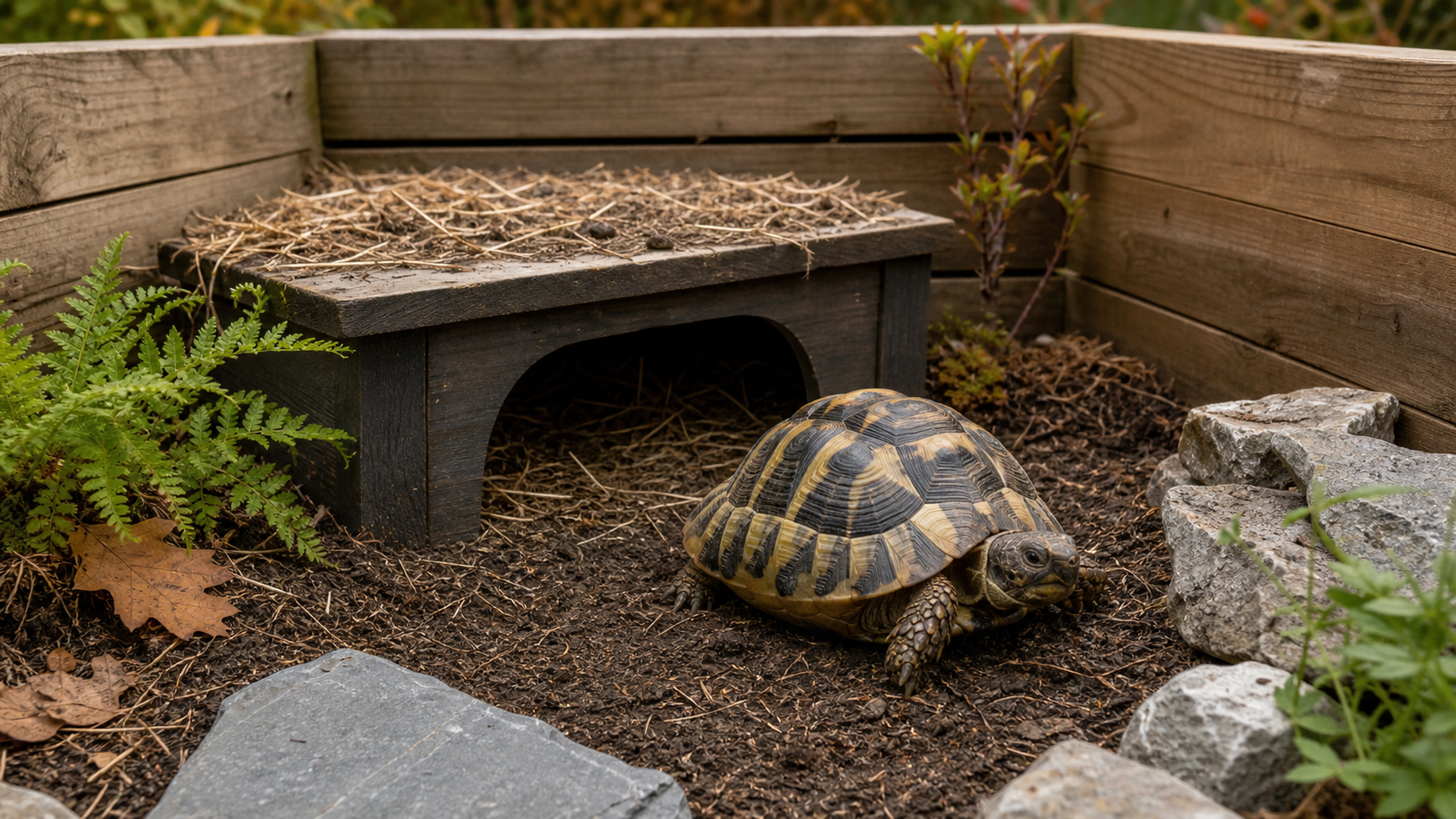
Health comes before seasonal change
Never deliberately reduce heat, light or feeding solely because autumn has arrived. A reptile-experienced veterinarian can help determine whether brumation is appropriate for the species and individual, especially when breeding is a goal. Medical problems, dehydration, parasites and poor body condition can be mistaken for normal dormancy.
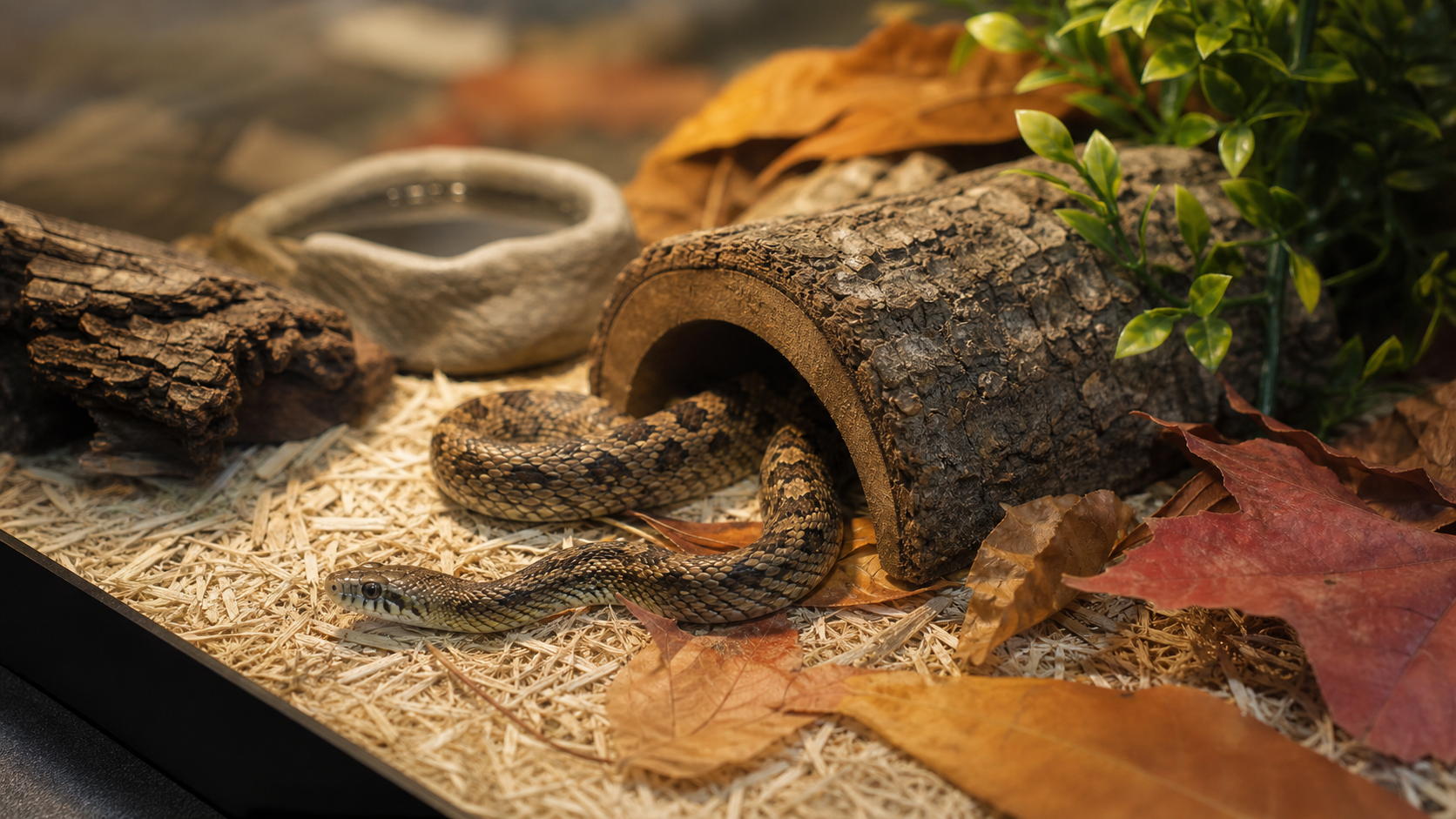
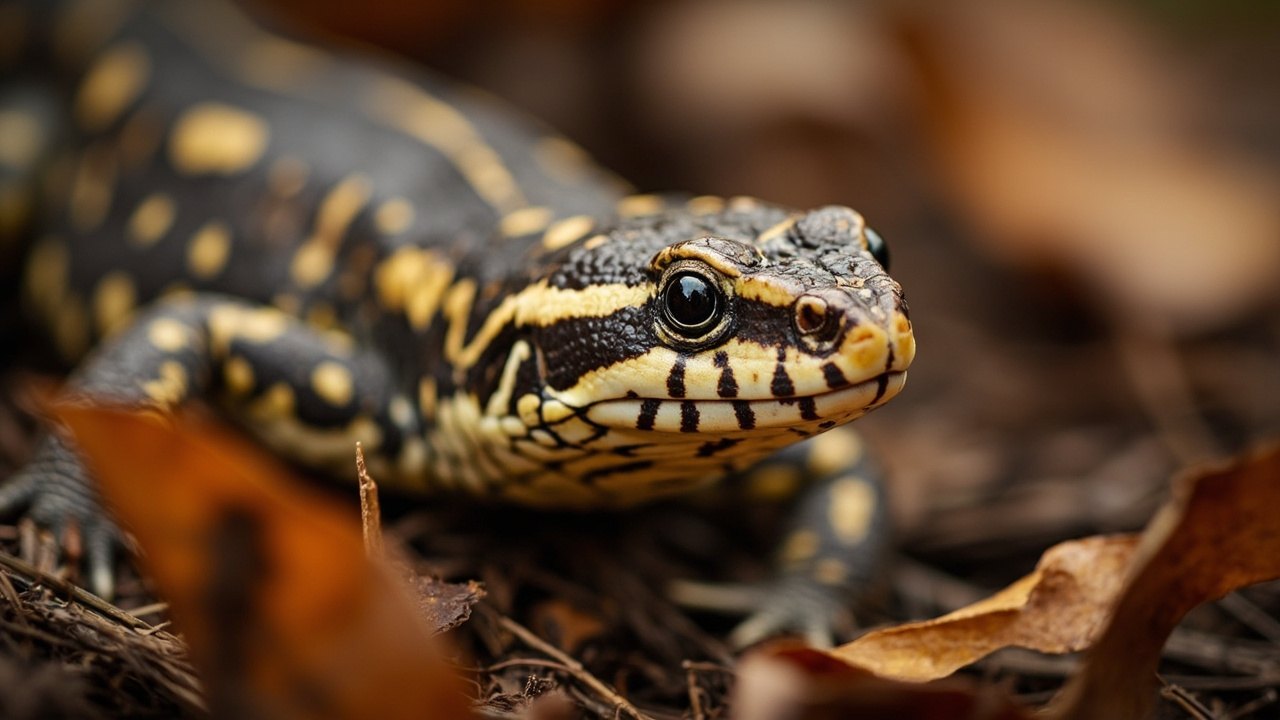
Use a written, monitored plan
If brumation is appropriate, keep records of weight, hydration, behaviour and environmental conditions, and know when to seek help. A secure enclosure, safe temperatures and access to veterinary advice matter more than copying another keeper’s schedule. Resume normal husbandry only in a planned, gradual way that matches the animal’s species-specific needs.
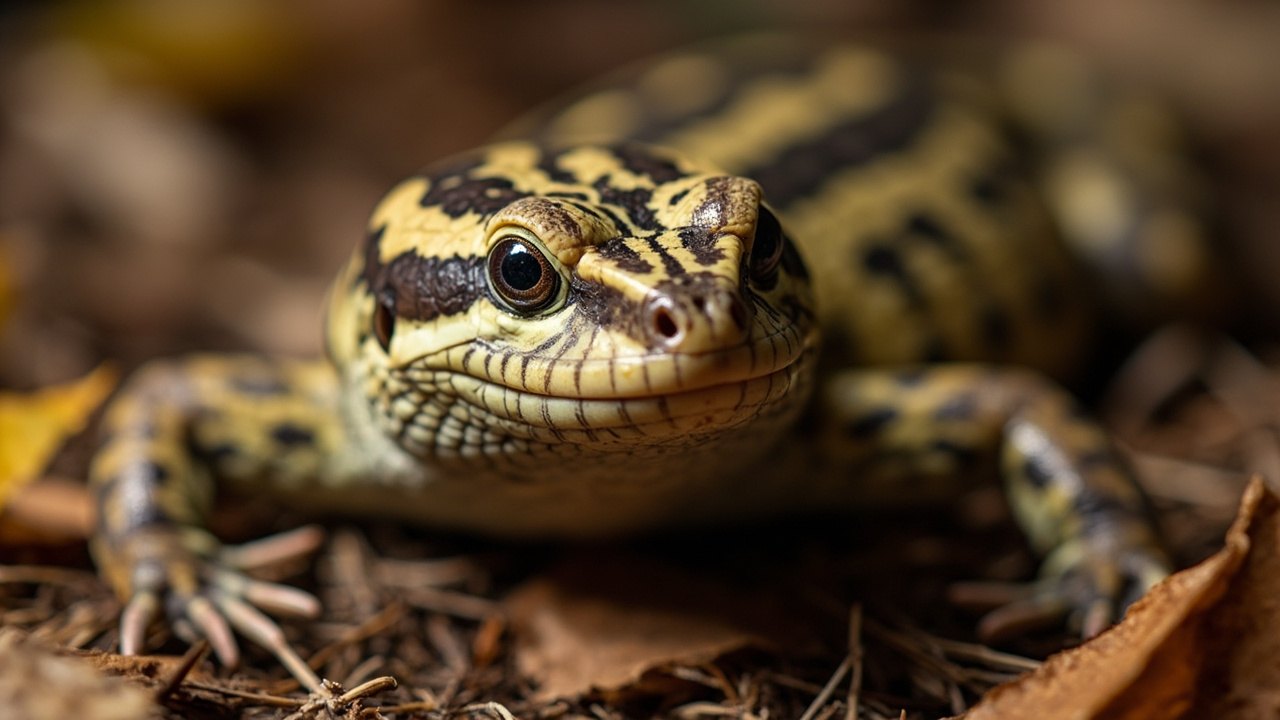
Brumation Needs a Species-Specific Decision
Brumation is a seasonal period of reduced activity and feeding shown by some reptiles under cooler conditions. It is not a universal requirement, a routine health test or a suitable goal for every captive species. Natural history, age, body condition, reproductive plans, enclosure design and local season all matter. A generic online cooling schedule should never replace guidance for the individual species from a qualified reptile veterinarian or experienced specialist source.
Illness Can Look Similar
Reduced activity, poor appetite, weight loss, dehydration or unusual posture can occur with illness as well as seasonal change. A keeper should not assume that any inactive reptile is brumating. A pre-brumation health assessment is particularly useful when a deliberate seasonal plan is being considered, when the animal has a health history, or when its current condition is uncertain. Veterinary advice should guide any change to feeding, light, temperature or monitoring.
Keep a Factual Baseline
Record the animal’s normal body mass, activity, feeding pattern, enclosure temperatures and recent health history before a seasonal change. Continue to check water access, enclosure security and equipment performance. Those observations do not diagnose a problem by themselves, but they give a veterinarian better information if the animal fails to wake normally, loses condition or shows signs of disease.
Sources and review notes
Reviewed 23 August 2026. Care works best when it starts with the exact species in front of you. We checked this article against current veterinary husbandry guidance, but measured enclosure conditions and a reptile-experienced veterinarian should guide decisions for an individual animal.
Reference starting points: Merck Veterinary Manual: reptile management and husbandry, CDC: healthy handling around reptiles and amphibians, and The Reptile Database. Conservation status, taxonomy and local laws can change, so check the linked databases and the relevant local authority for current information.
Spotted something we should revisit? Send Reptile Explorer a correction—thoughtful reader feedback is always welcome.