
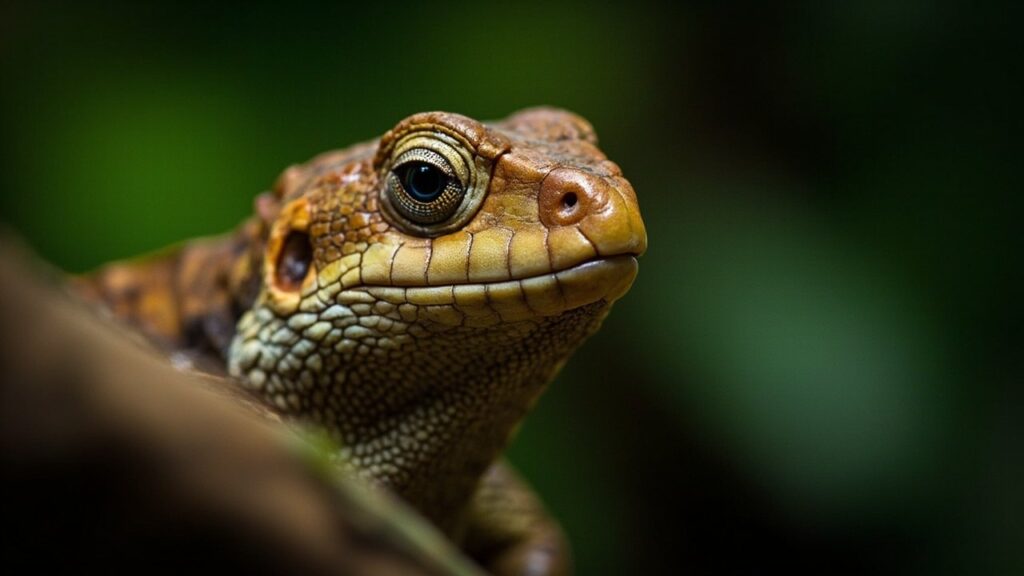
Ecuador’s Cloud Forest Herpetology
Ecuador’s cloud forests change sharply with elevation, rainfall and geography. Many reptiles and amphibians have small or localized ranges.
Ecuador’s cloud forests change sharply with elevation, rainfall and geography. Many reptiles and amphibians have small or localized ranges.
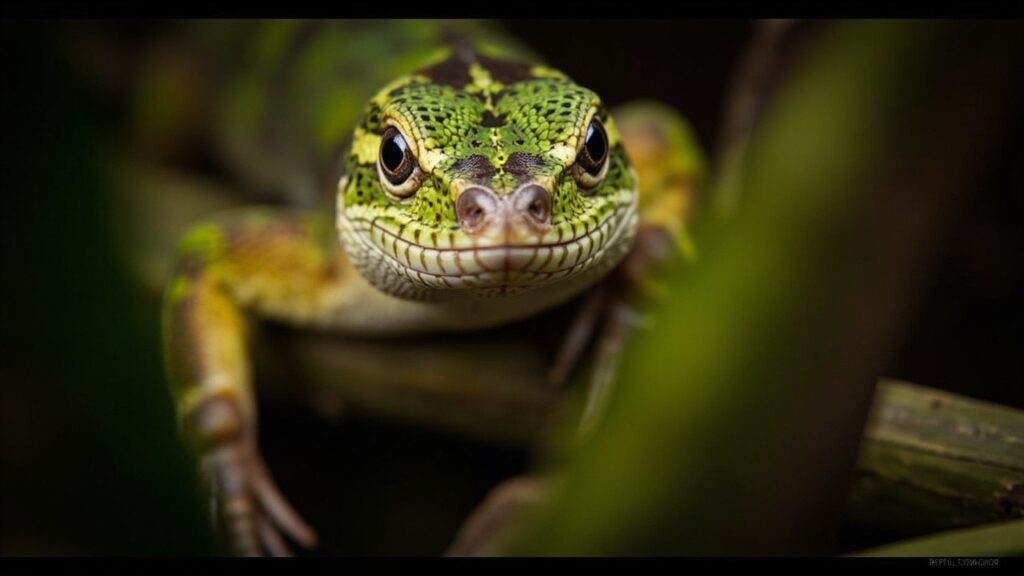
Peru’s rainforests include lowland, river-edge and foothill habitats that support varied reptile communities. Species claims need local range evidence.
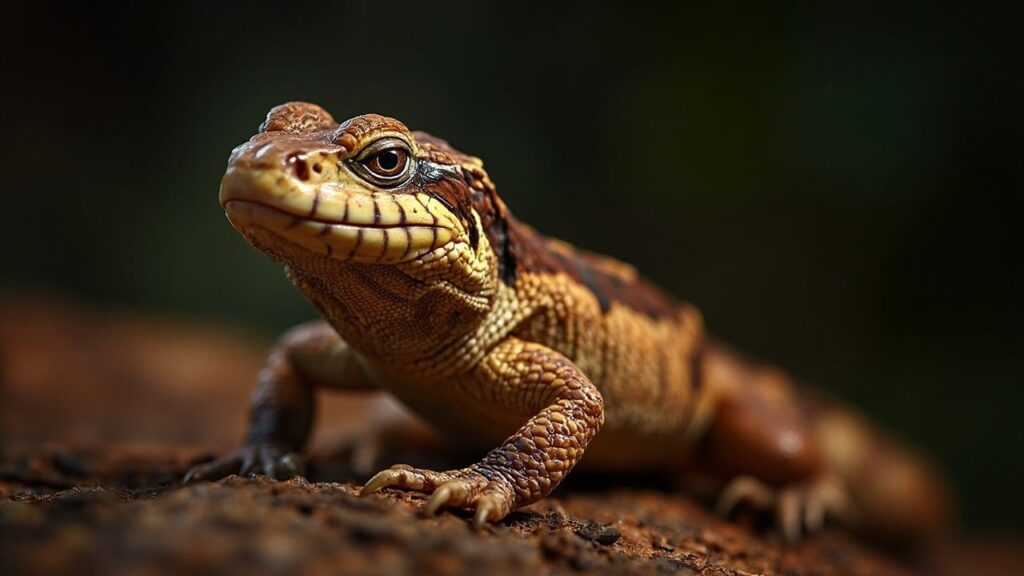
Australia’s tropical north includes rainforest, wetlands, rivers, mangroves and woodland. Each habitat supports a different reptile community.
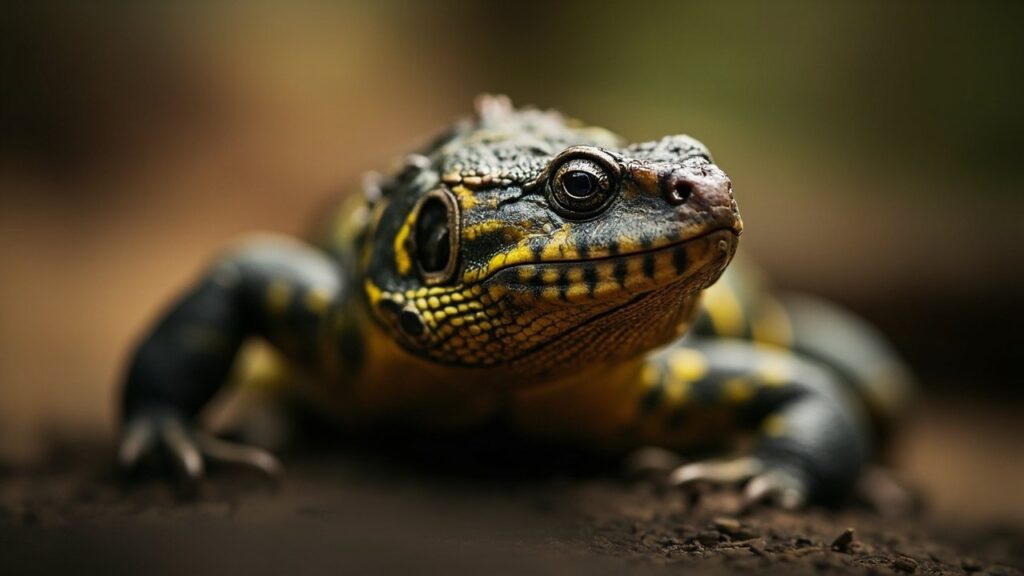
Sumatra’s forests and wetlands support cobras, lizards and other reptiles. Habitat loss, collection and road development can affect local populations.
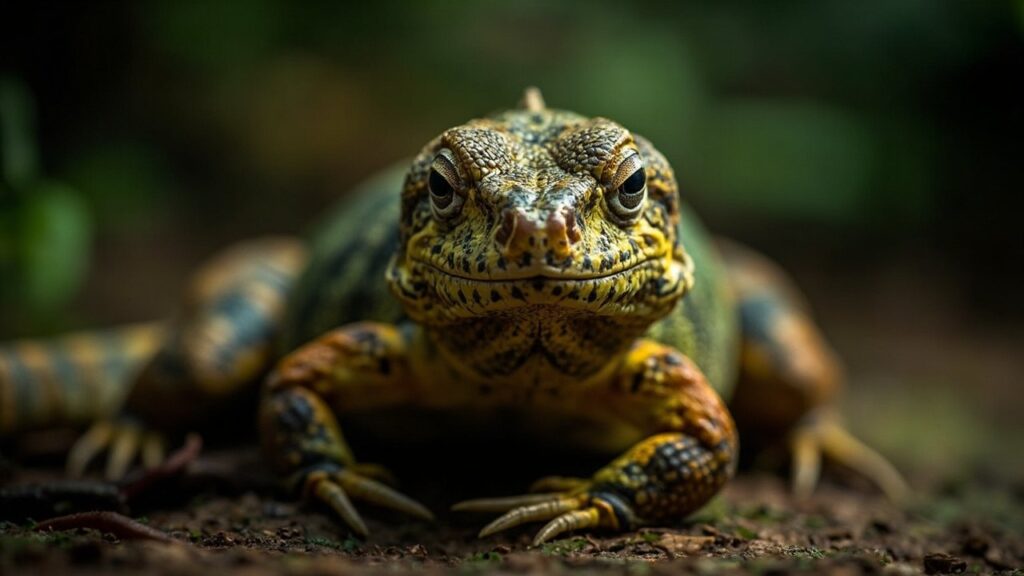
Madagascar’s rainforests support many endemic chameleons, geckos, snakes and other reptiles. Habitat needs vary by forest type and elevation.
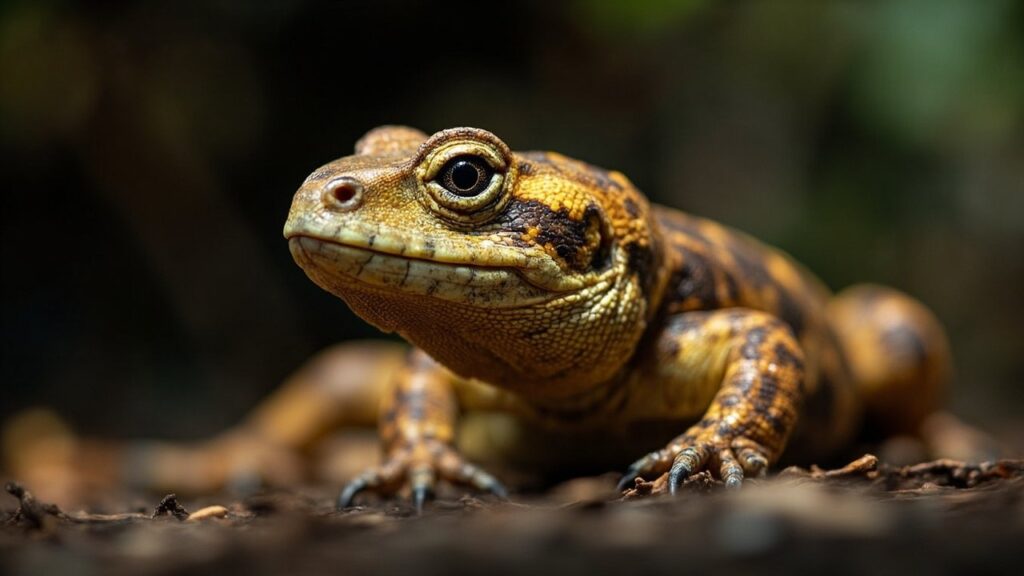
Papua New Guinea contains rainforest, mountains, rivers, swamps and coasts. Reptile ranges and conservation needs differ across these habitats.
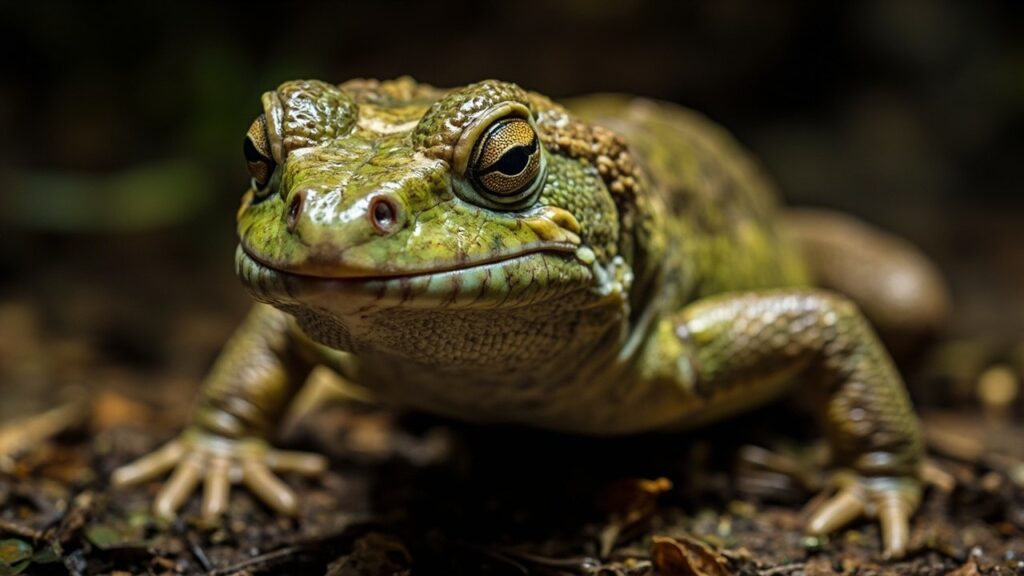
Bolaños’ web-footed salamander is a recently described amphibian known from high-elevation sites within La Amistad International Park in Costa Rica.
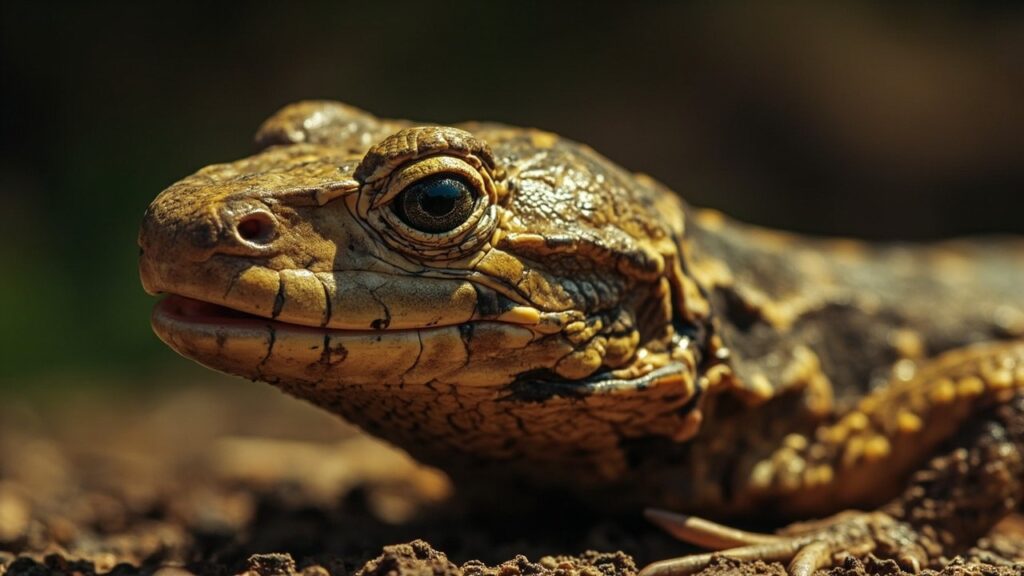
The Congo Basin includes rainforest, rivers, swamps and forest edges across Central Africa. Its reptile communities vary by habitat and location.
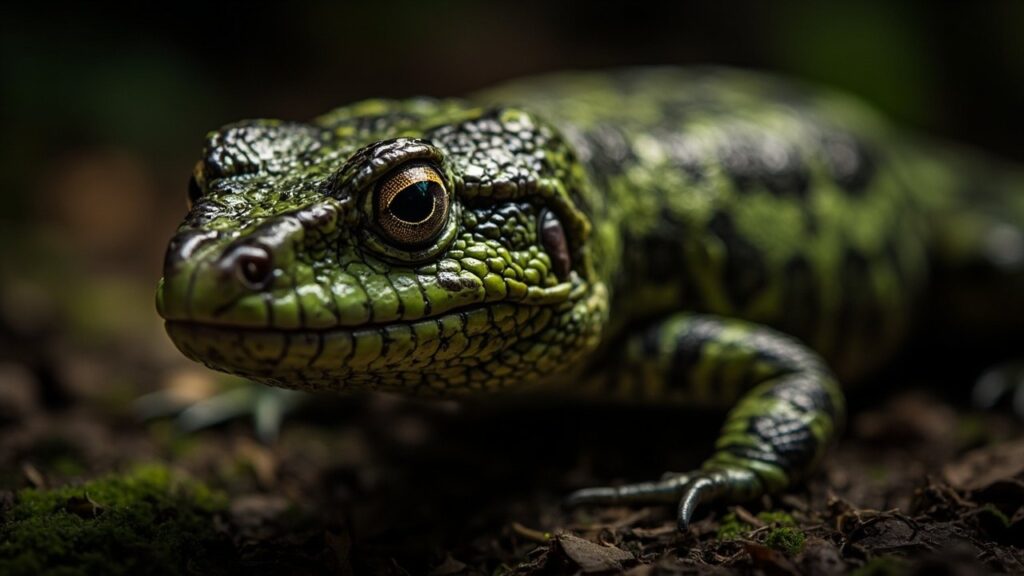
Borneo’s rainforests, peat swamps, rivers and mangroves support reptiles with varied habitat needs. Many are difficult to detect and survey.
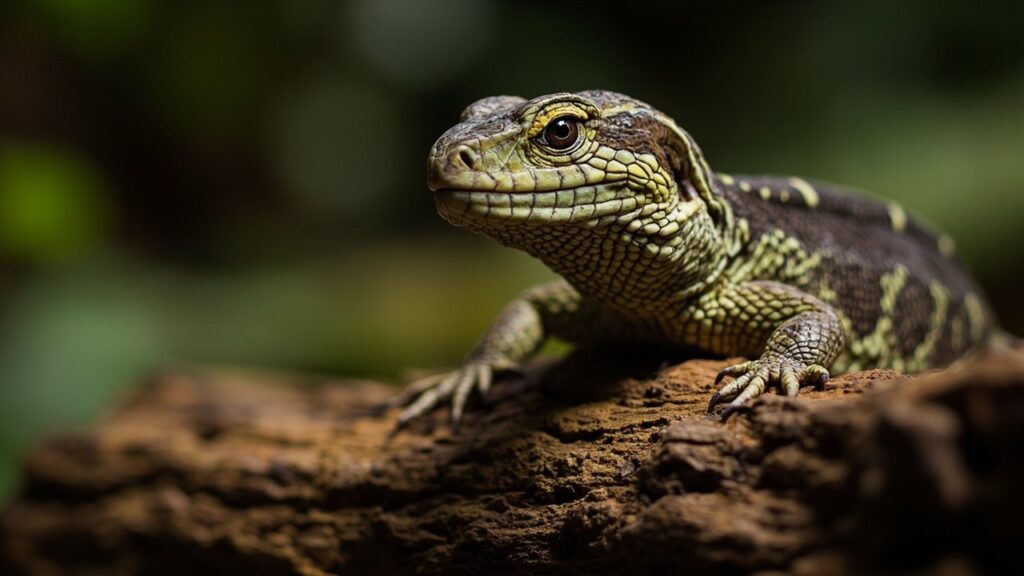
Witness the astounding diversity of Amazonian reptiles and the urgent efforts to protect them from threats like deforestation and climate change.