Monitor the enclosure, not the calendar
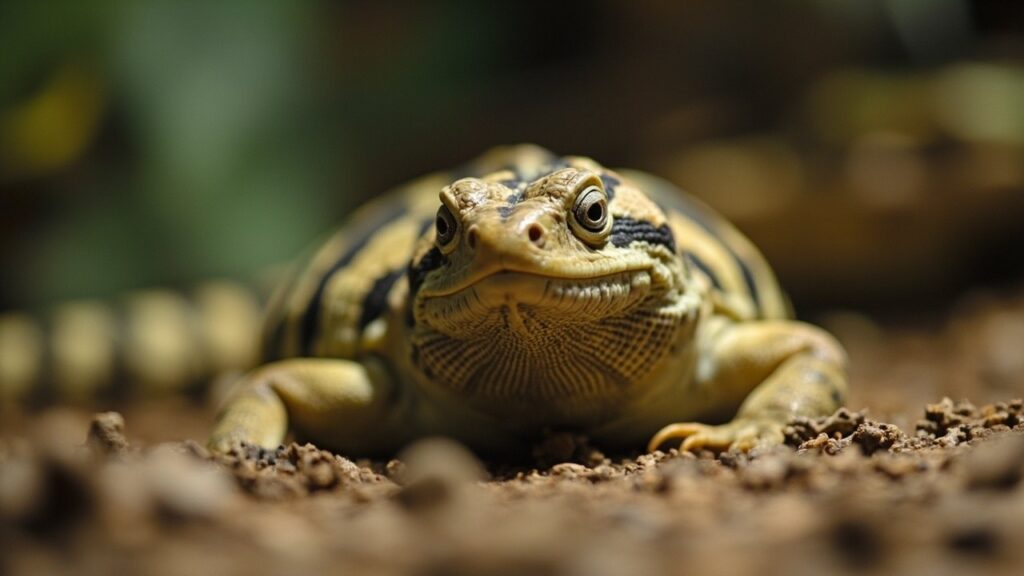
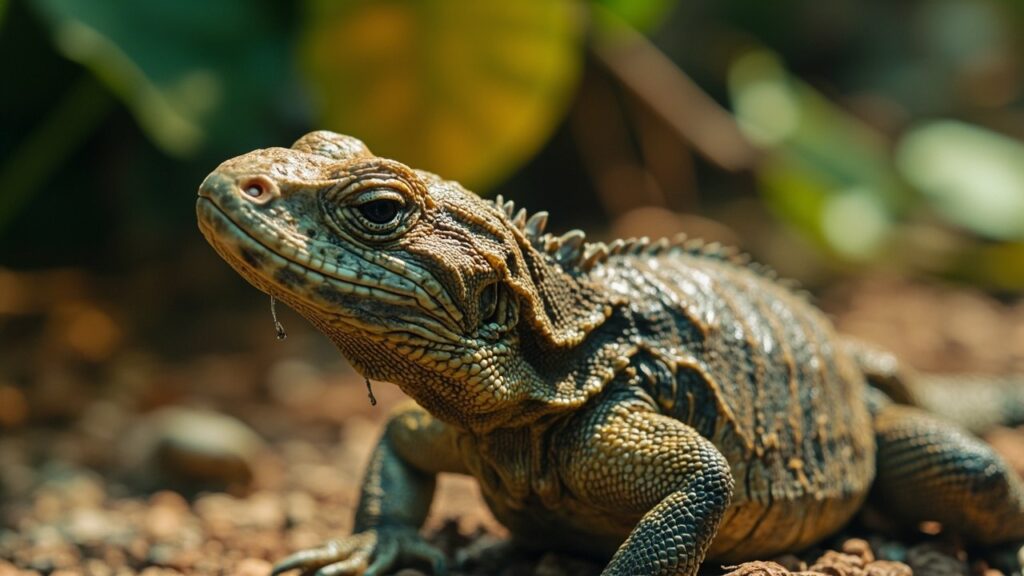
Winter can change room temperatures, daylight and household heating patterns, but it does not automatically change what every reptile needs. Use reliable thermostats and independently checked temperature and humidity monitoring to confirm that the enclosure remains within the requirements for that species. Watch the animal’s appetite, activity, body condition and shedding rather than making broad seasonal assumptions.

Plan for safe interruptions
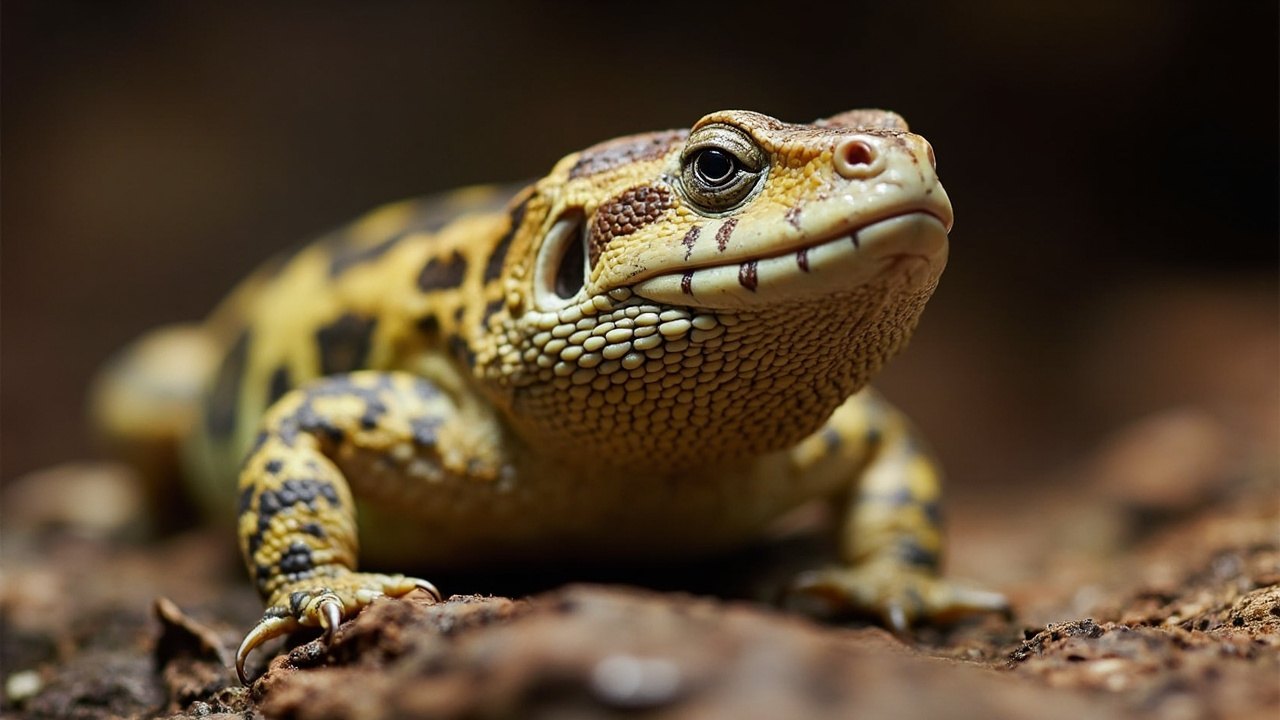
A power outage can become urgent because reptiles depend on their environment for heat. Keep the enclosure secure, avoid placing unsafe heaters or combustible materials near it, and have a species-appropriate contingency plan discussed with an experienced reptile veterinarian or keeper. If temperatures leave the safe range, the animal appears weak, or an outage will be prolonged, contact a veterinarian promptly.
Keep husbandry changes measured
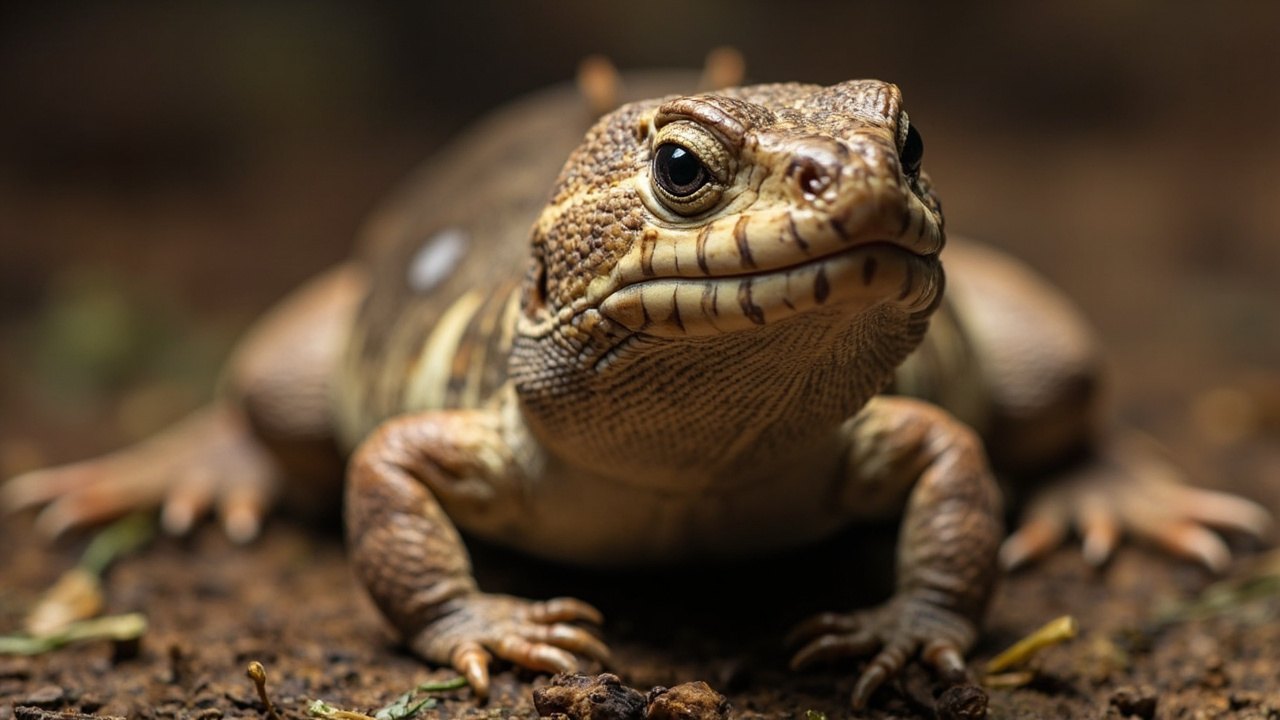
Humidity, lighting, hydration and feeding should match the animal’s natural history and established care plan. Some species need access to a humid retreat; others become unwell in persistently damp conditions. Do not use winter as a reason to force brumation, change diet abruptly, or alter lighting without understanding the needs of the particular animal.
Check the Warm and Cool Areas Separately
Central heating can make an enclosure look stable while a window, floor, draft or overnight thermostat setting changes one part of it. Measure the basking area, the cooler retreat and the place where the animal actually rests. A controller reduces risk, but an independent thermometer helps confirm that the equipment is producing the intended conditions.
Seasonal changes can affect room humidity as well as temperature. A water bowl, ventilation, substrate and enclosure design all influence the reading. Do not compensate by sealing ventilation or keeping every surface wet. The right balance depends on the species and should leave the animal with suitable choices.
Prepare Before a Power Failure
A written plan is more useful than a hurried purchase during an outage. It should state whom to contact, how the enclosure will remain secure, which temperature range calls for action and which safe temporary options have been discussed for the species. Unapproved heaters, hot objects and improvised wiring can burn an animal or start a fire.
Do Not Treat Reduced Activity as a Diagnosis
Some reptiles alter activity with season, while others need consistent managed conditions year-round. Reduced feeding, inactivity or weight loss may result from husbandry, illness or other causes. Record the change and seek reptile-veterinary advice instead of forcing brumation or making several major enclosure changes at once.
Sources and review notes
Reviewed 23 August 2026. Care works best when it starts with the exact species in front of you. We checked this article against current veterinary husbandry guidance, but measured enclosure conditions and a reptile-experienced veterinarian should guide decisions for an individual animal.
Reference starting points: Merck Veterinary Manual: reptile management and husbandry, CDC: healthy handling around reptiles and amphibians, and The Reptile Database. Conservation status, taxonomy and local laws can change, so check the linked databases and the relevant local authority for current information.
Spotted something we should revisit? Send Reptile Explorer a correction—thoughtful reader feedback is always welcome.