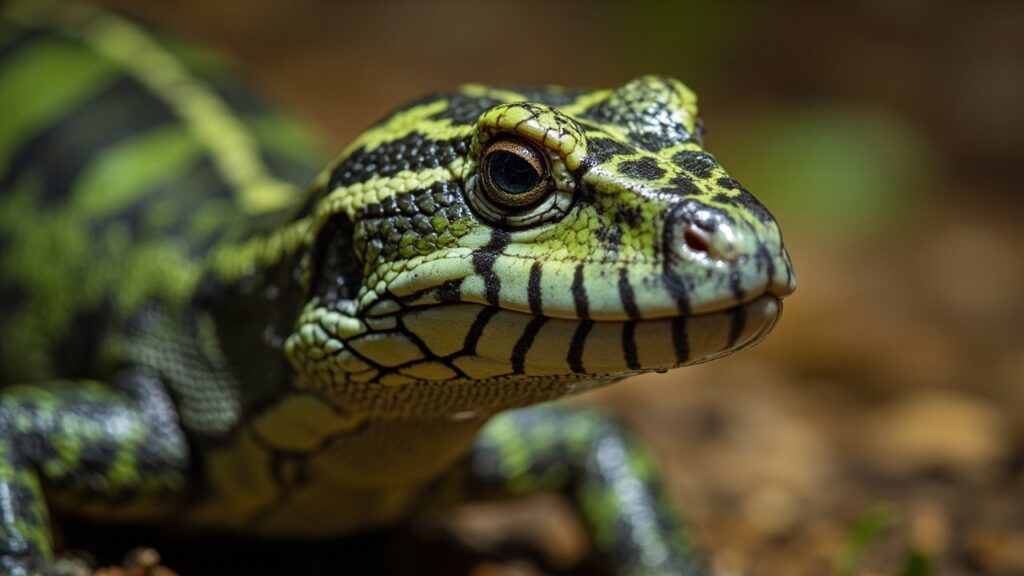
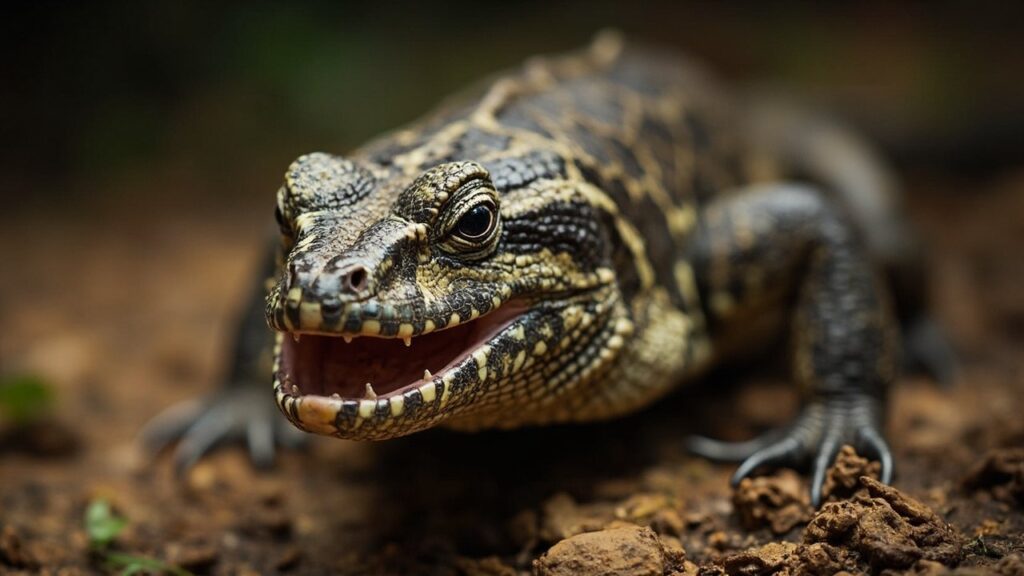
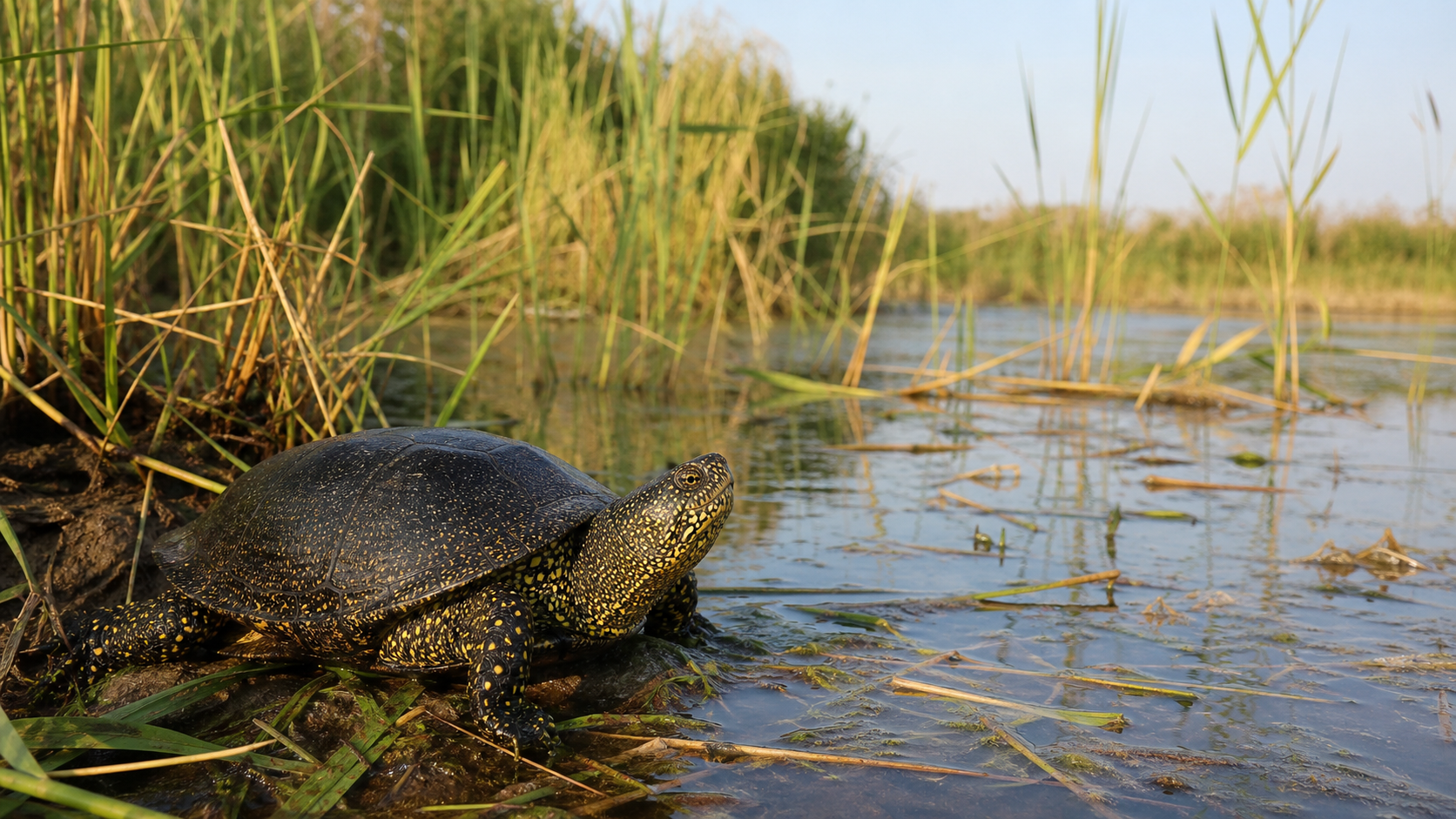
The Camargue is a mosaic of freshwater and brackish wetlands, channels, reedbeds and drier Mediterranean margins. Its reptile communities reflect that variety: European pond turtles, viperine snakes and barred grass snakes are linked to wetter habitats, while species such as Montpellier snakes and ocellated lizards use drier nearby ground.
Wetland research needs local context
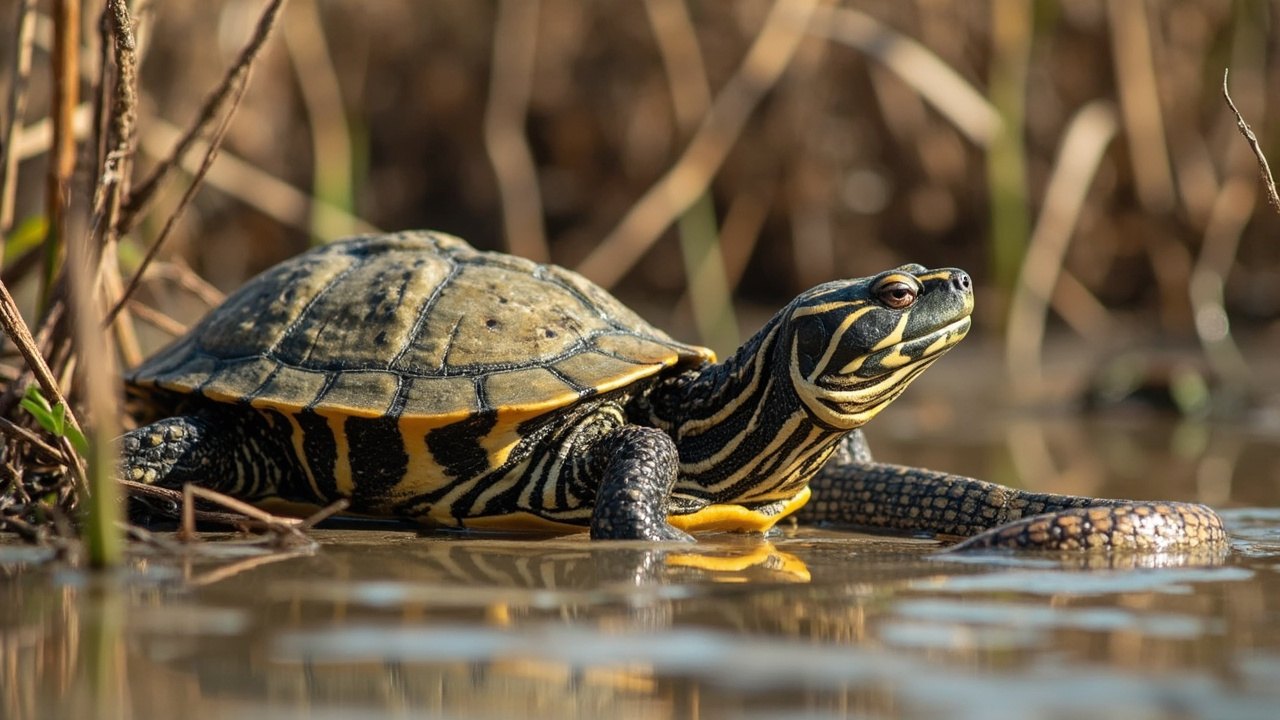
Studies of European pond turtles and snakes show that contaminant exposure can vary by water system, compound, age, sex and management of the surrounding land. A finding at one site should not be treated as proof that every Camargue reptile has the same exposure or health outcome.

What the evidence supports
Monitoring water quality, reducing pollution inputs and protecting connected wetland habitat are sensible conservation actions. Research does not support blanket claims that local reptiles have adapted to contaminants or that contamination has caused the same reproductive or immune effects across all species.
Respect a working wetland
Keep to permitted access routes, do not disturb basking turtles or snakes and avoid releasing pets or unwanted animals. Water management, farming, tourism and conservation all shape these wetlands, so solutions work best when they are site-specific.
Look beyond a simple species list
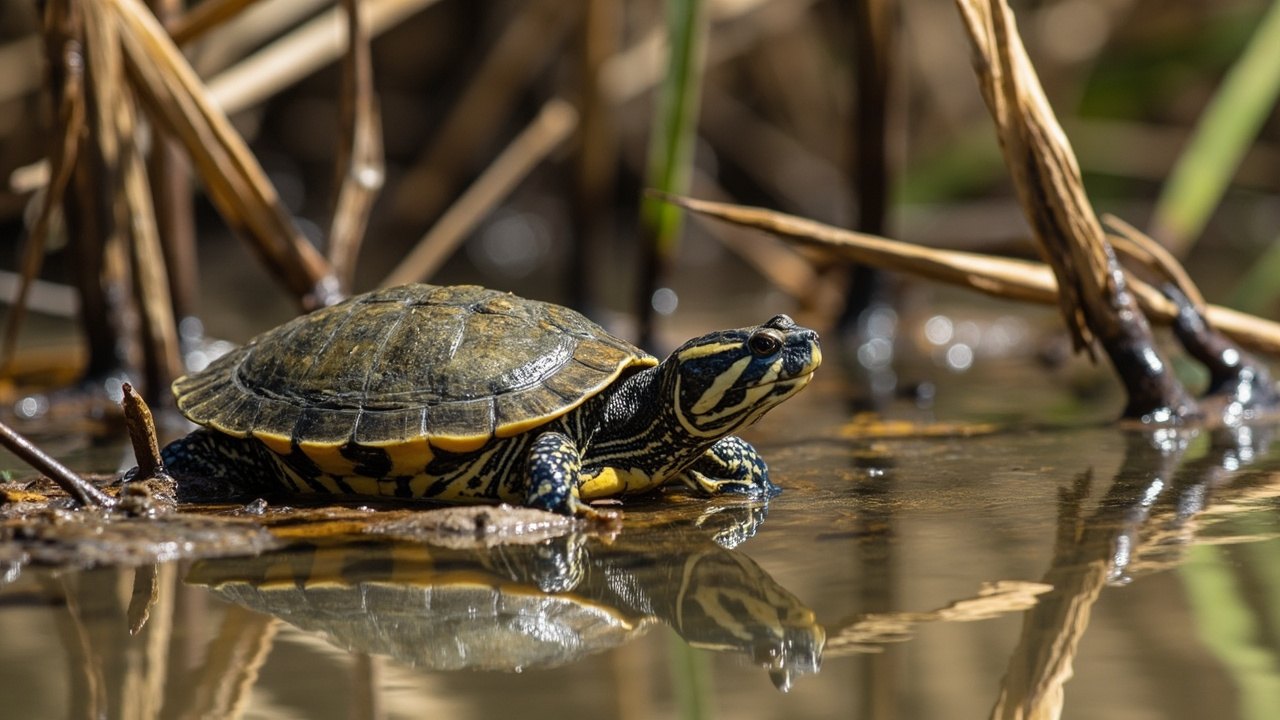
Accurate habitat labels are important. A reptile found near a wetland may still depend on dry refuges, nesting ground or seasonal movement between habitats. Good interpretation connects each species to the conditions it actually uses.
Water and Land Are Linked
Wetland reptiles often need more than the water visible from a path. Turtles may use nearby banks for nesting and basking, while snakes can move between reedbeds, dry cover and feeding areas. Roads, walls and drainage works can interrupt those movements. A habitat plan is stronger when it keeps both aquatic areas and linked terrestrial refuges available.
Seasonal Salinity Changes Habitat
In a coastal delta, rainfall, evaporation, river flow and water management can change salinity over a short distance or season. Those shifts influence plants, invertebrates and the places reptiles can use. A species found beside brackish water is not automatically adapted to every saline condition. Local monitoring is needed before drawing conclusions about tolerance or population health.
Monitoring Works Over Time
One observation can record a species, but repeated visits can reveal movement, seasonal use and change in habitat quality. Survey methods should avoid handling wildlife unless carried out by authorised researchers. Careful long-term records help distinguish a temporary sighting from a real pattern that needs conservation attention.
Sources and review notes
Reviewed 23 August 2026. Reptile biology is wonderfully variable. We have avoided turning one species, photograph or dramatic observation into a rule for an entire group, and we have used cautious wording where evidence or local conditions differ.
Reference starting points: The Reptile Database, The IUCN Red List of Threatened Species, and PubMed-indexed research. Conservation status, taxonomy and local laws can change, so check the linked databases and the relevant local authority for current information.
Spotted something we should revisit? Send Reptile Explorer a correction—thoughtful reader feedback is always welcome.