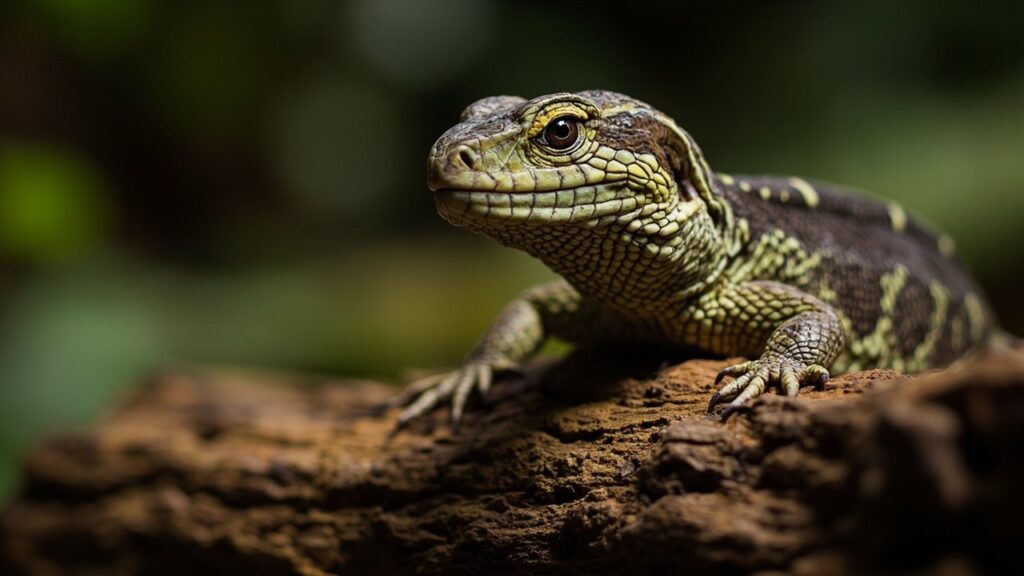
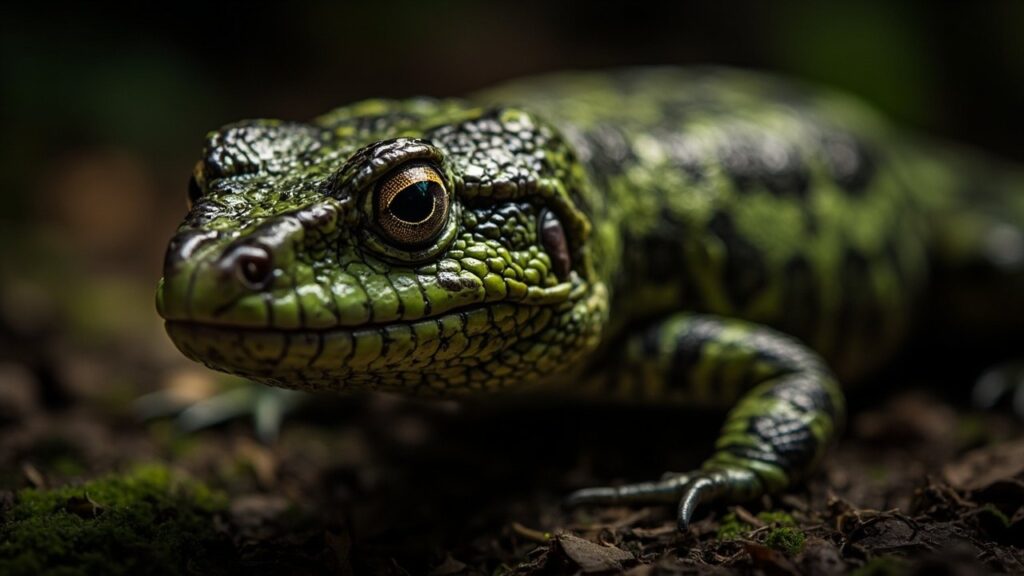
Ecuador’s cloud forests change sharply with elevation, slope, rainfall and geography. That variation creates many localized reptile and amphibian ranges, so a species found at one locality should not be assumed to occur throughout every cloud forest in the country.
Place matters in species accounts
Some recent discoveries illustrate this local specificity. Pristimantis ecuadorensis is known from a small number of western-Andean localities, while the cloud-forest snake Ninia guytudori has been recorded in forest and some coffee-growing landscapes. Amazonian lowland species should not be presented as cloud-forest animals without a clear location and elevation.

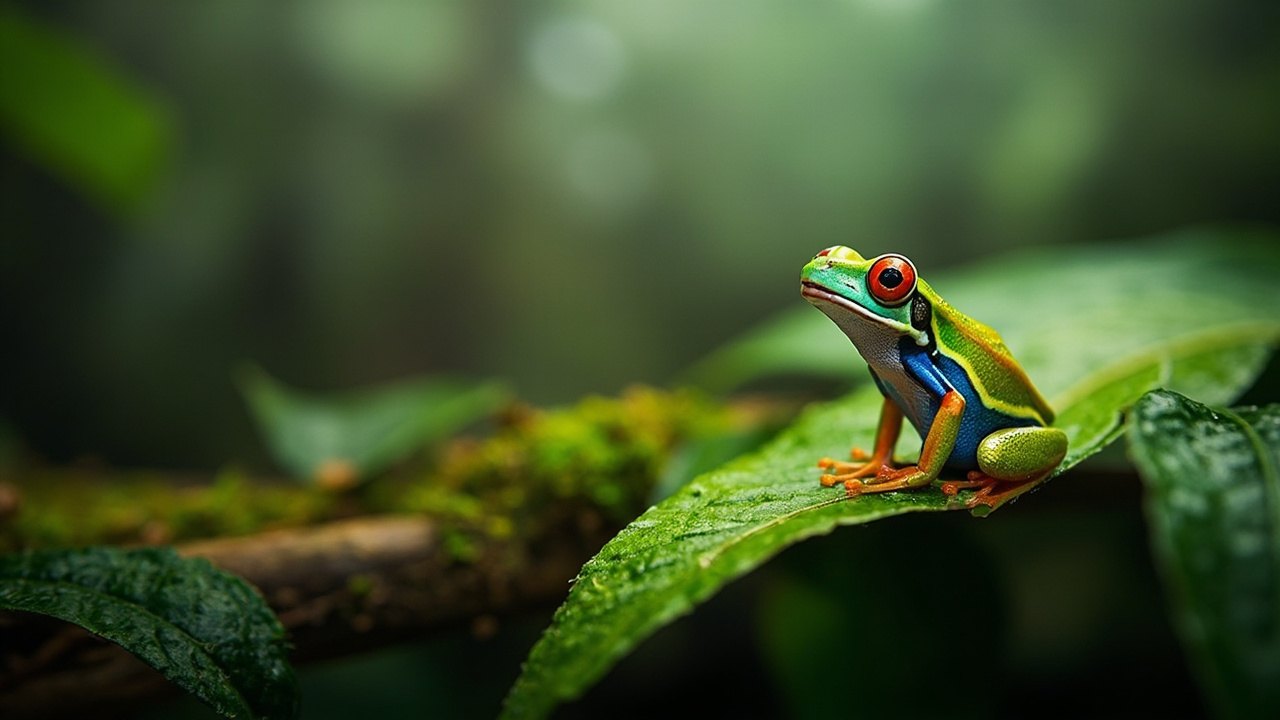
Protection works at the landscape scale
Forest and stream corridors, locally led restoration, careful tourism and reduced land conversion all matter. Site-specific surveys are essential because many amphibians and reptiles have narrow ranges and may be missed by broad, iconic wildlife lists.
Observe responsibly
Stay on permitted paths, do not handle wildlife and avoid moving leaf litter, bromeliads or stream stones. A respectful photograph and a precise location record can be more useful than disturbing an animal for a closer view.
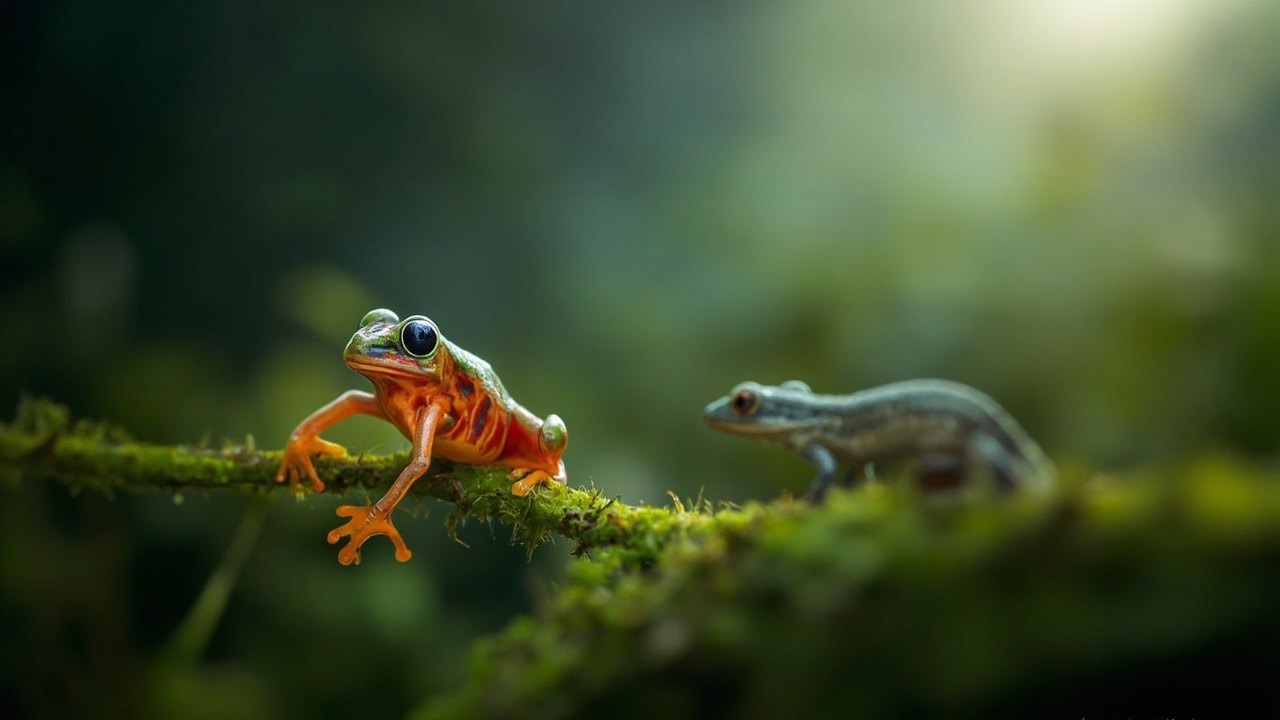
Why accuracy matters
Global threat estimates show that amphibians and reptiles face serious conservation pressure, but local decisions need local evidence. Avoid claiming that a species is common, thriving or present at a visitor site unless a credible survey supports it.
Elevation Is More Than a Number
Temperature, cloud cover, vegetation and water availability can shift over short distances on an Andean slope. Reptiles found in a warm valley may be absent from a cool ridge nearby. Elevation is useful in a field record, but it works best alongside habitat notes, date and a careful identification.
Microhabitat Records Improve Conservation
Leaf litter, bromeliads, stream edges, fallen wood and forest canopy can each support different animals. A survey that records these features can reveal why a species is found in one patch but not another. This detail also helps managers protect the conditions a reptile uses instead of relying on a broad forest label.
Photographs Need Restraint
Moving a reptile onto a more attractive branch or rock can create a misleading record and expose it to stress. Take photographs where it was found, use a general rather than sensitive location online and seek local expertise when an identification is uncertain.
Sources and review notes
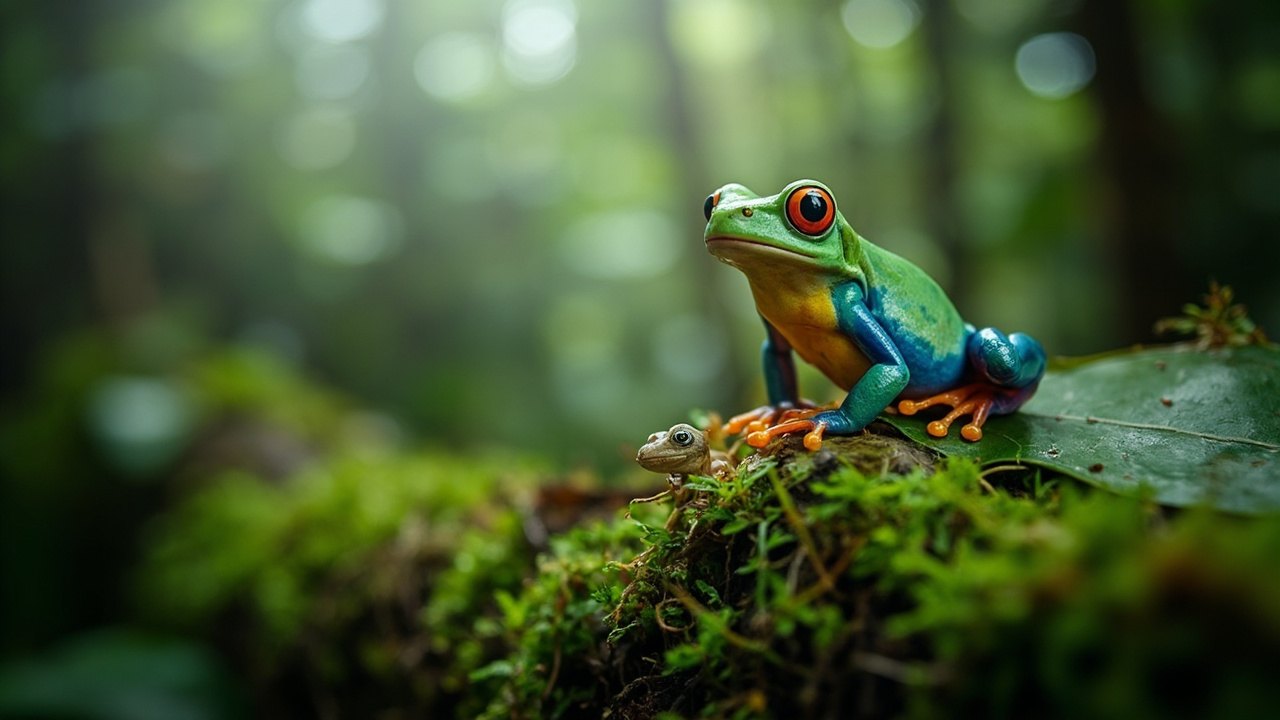
Reviewed 23 August 2026. This article includes an amphibian because herpetology studies reptiles and amphibians together. We say that plainly so the relationship is interesting without blurring the difference between the two groups.
Reference starting points: AmphibiaWeb, The IUCN Red List of Threatened Species, and PubMed-indexed research. Conservation status, taxonomy and local laws can change, so check the linked databases and the relevant local authority for current information.
Spotted something we should revisit? Send Reptile Explorer a correction—thoughtful reader feedback is always welcome.