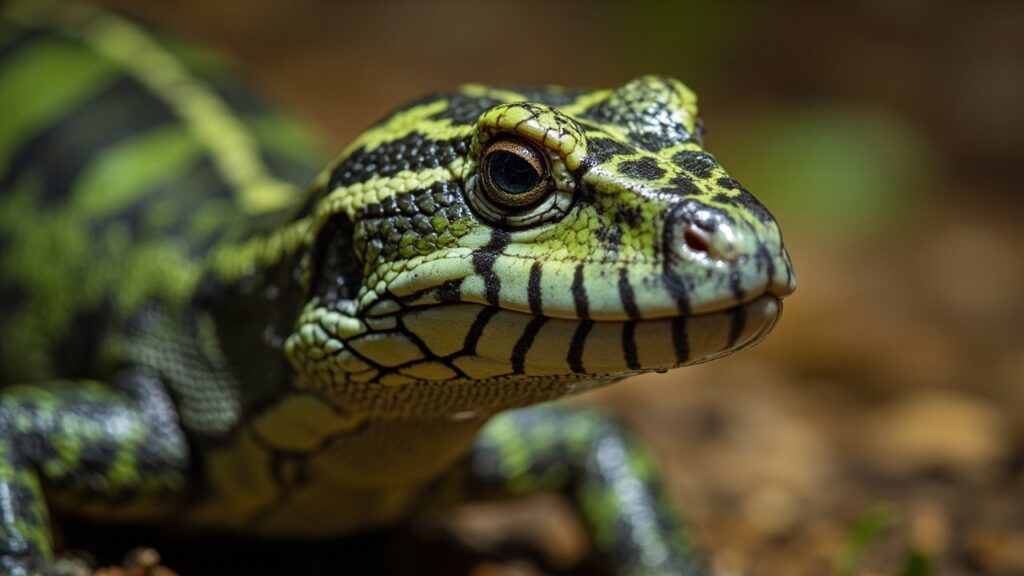
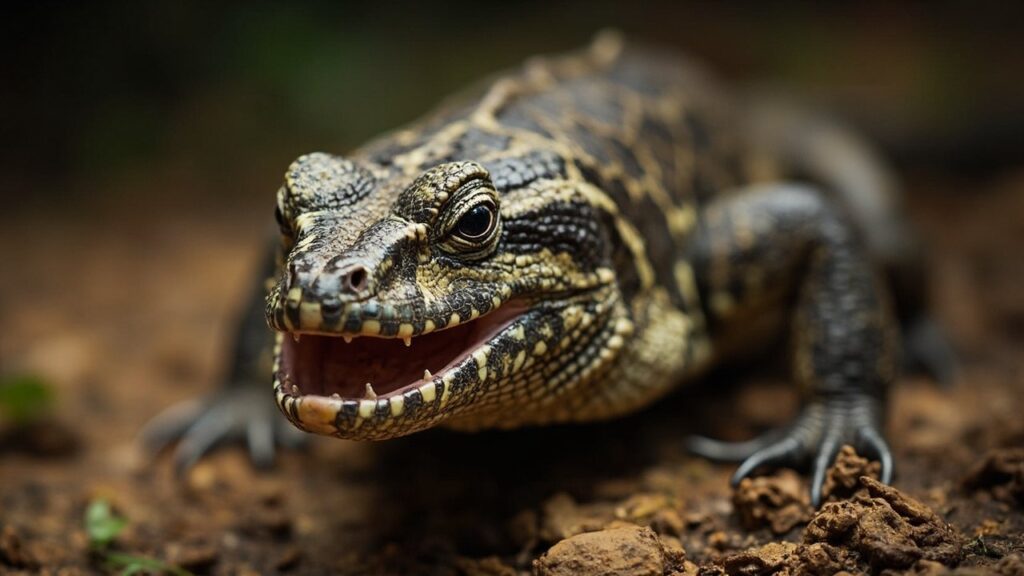
The Mekong Delta is a mosaic of seasonally flooded grassland, wetlands, canals and changing freshwater and brackish habitats. Seasonal inundation and dry-season contraction alter available habitat, but each reptile and amphibian species responds differently.
Use locally documented fauna
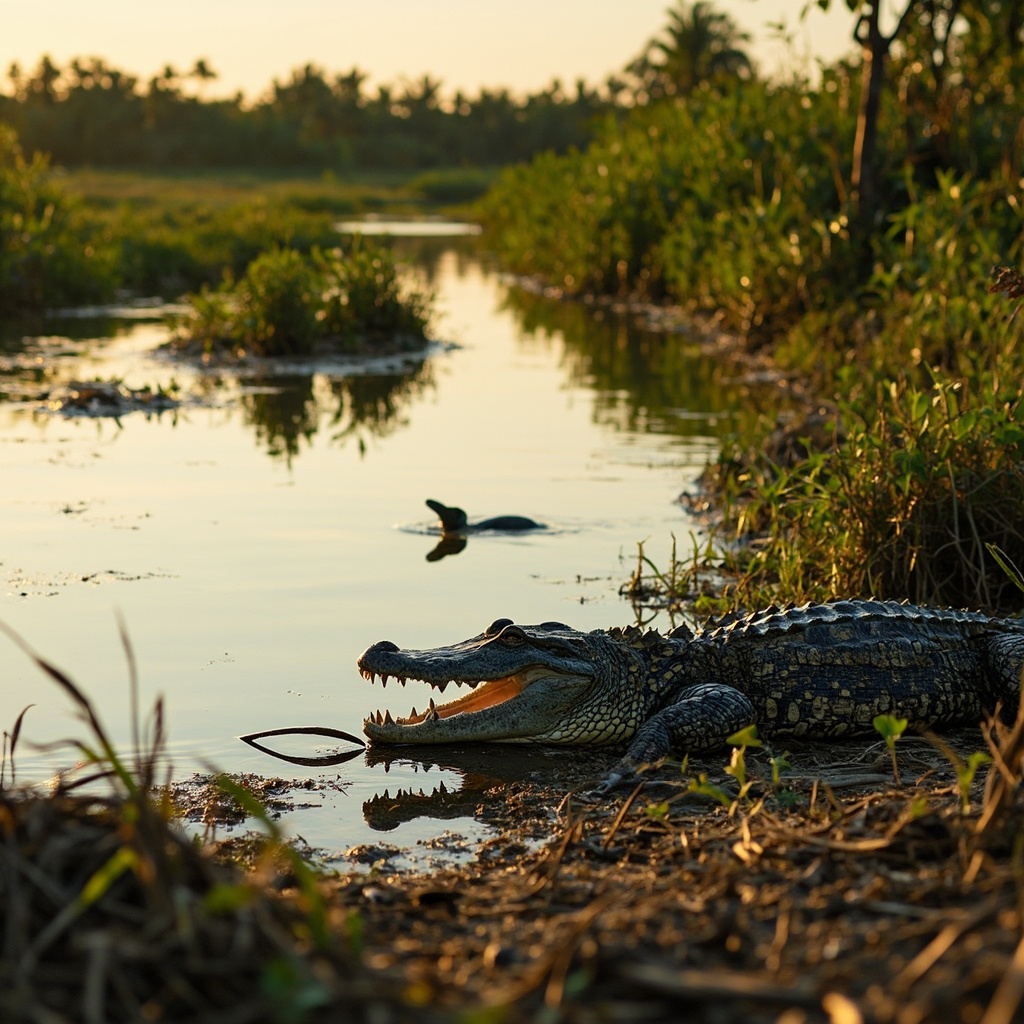
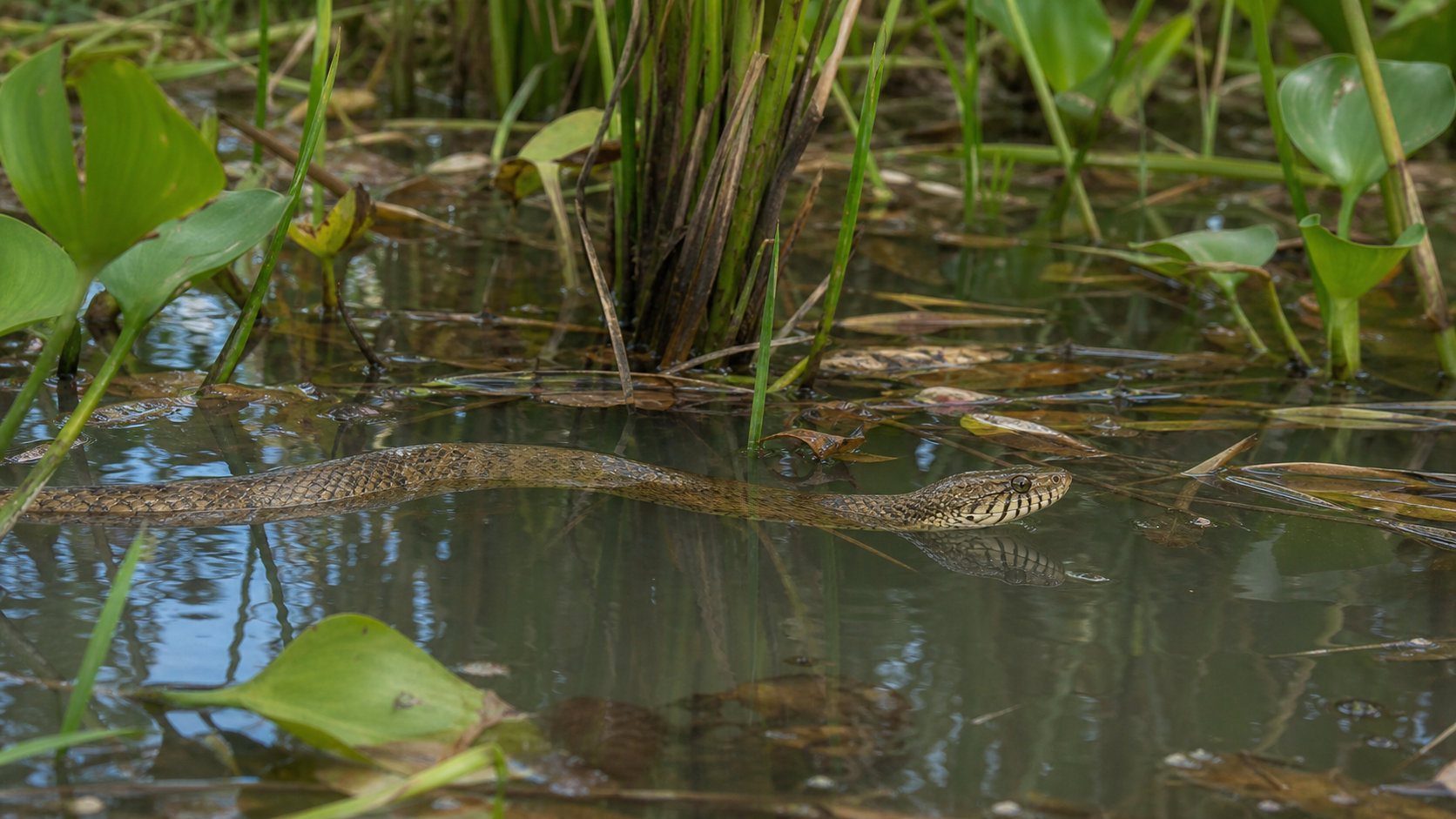
Surveys in southern Viet Nam record diverse reptiles and amphibians, including aquatic snakes and freshwater turtles. Species from New Guinea, South Asia or distant continents do not belong in a Mekong Delta species list simply because they are aquatic. Crocodile claims also require a current, locality-specific source.

Conservation priorities
Wetland integrity, water quality, site-specific surveys and sustainable harvest matter more than a mixed list of distant animals. Seasonal habitat change should be studied at the relevant site before making claims about a population’s trend or a proposed reintroduction.
Safe observation
Do not collect aquatic reptiles, release pets or handle unfamiliar snakes. A photograph from a distance and a precise location can be useful to researchers without disturbing wildlife or spreading misidentifications.
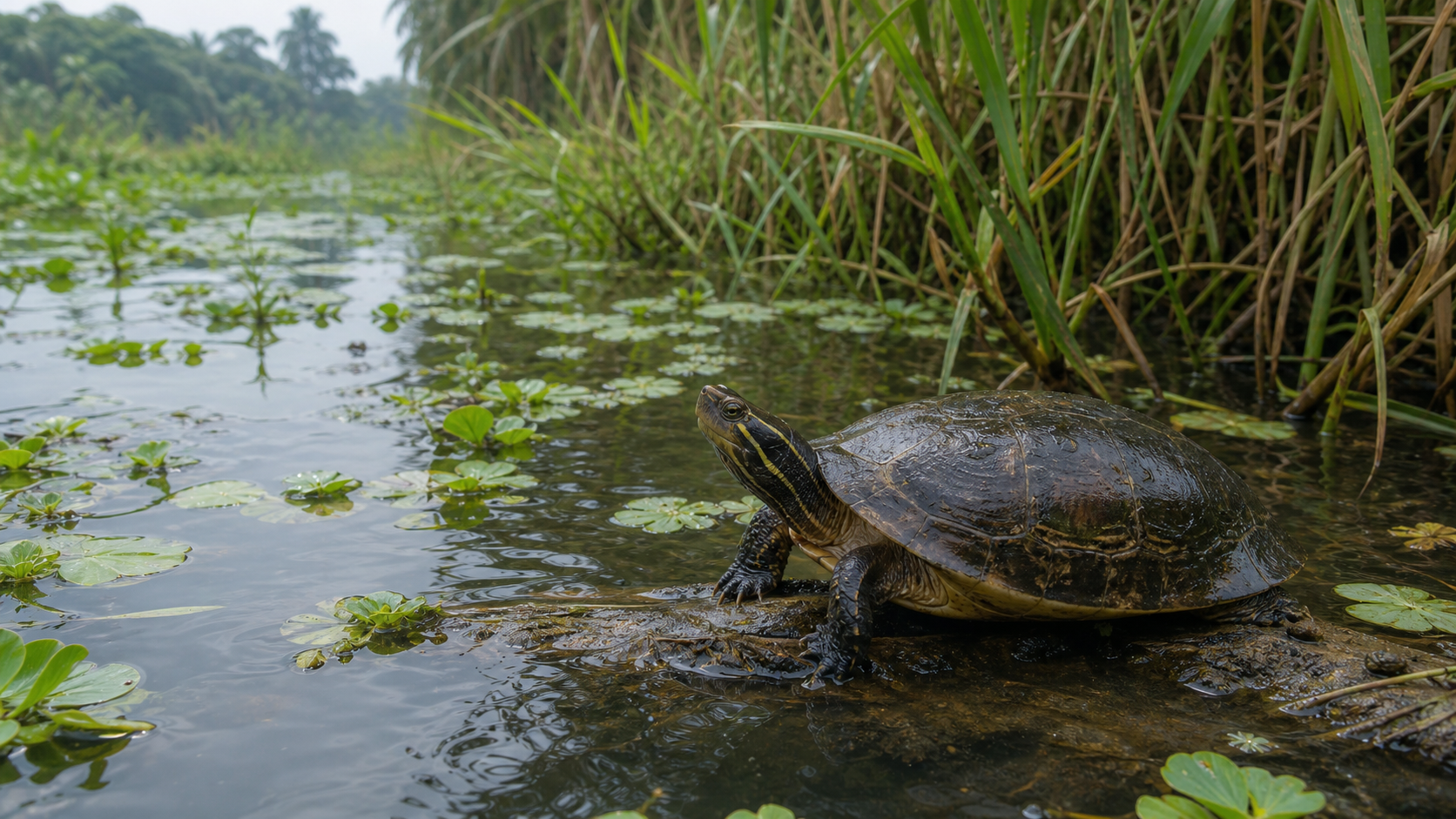
Keep the category honest
Herpetofauna means reptiles and amphibians. Dolphins, fish, cranes, otters, buffalo and tigers may share a landscape but should not be presented as members of that category.
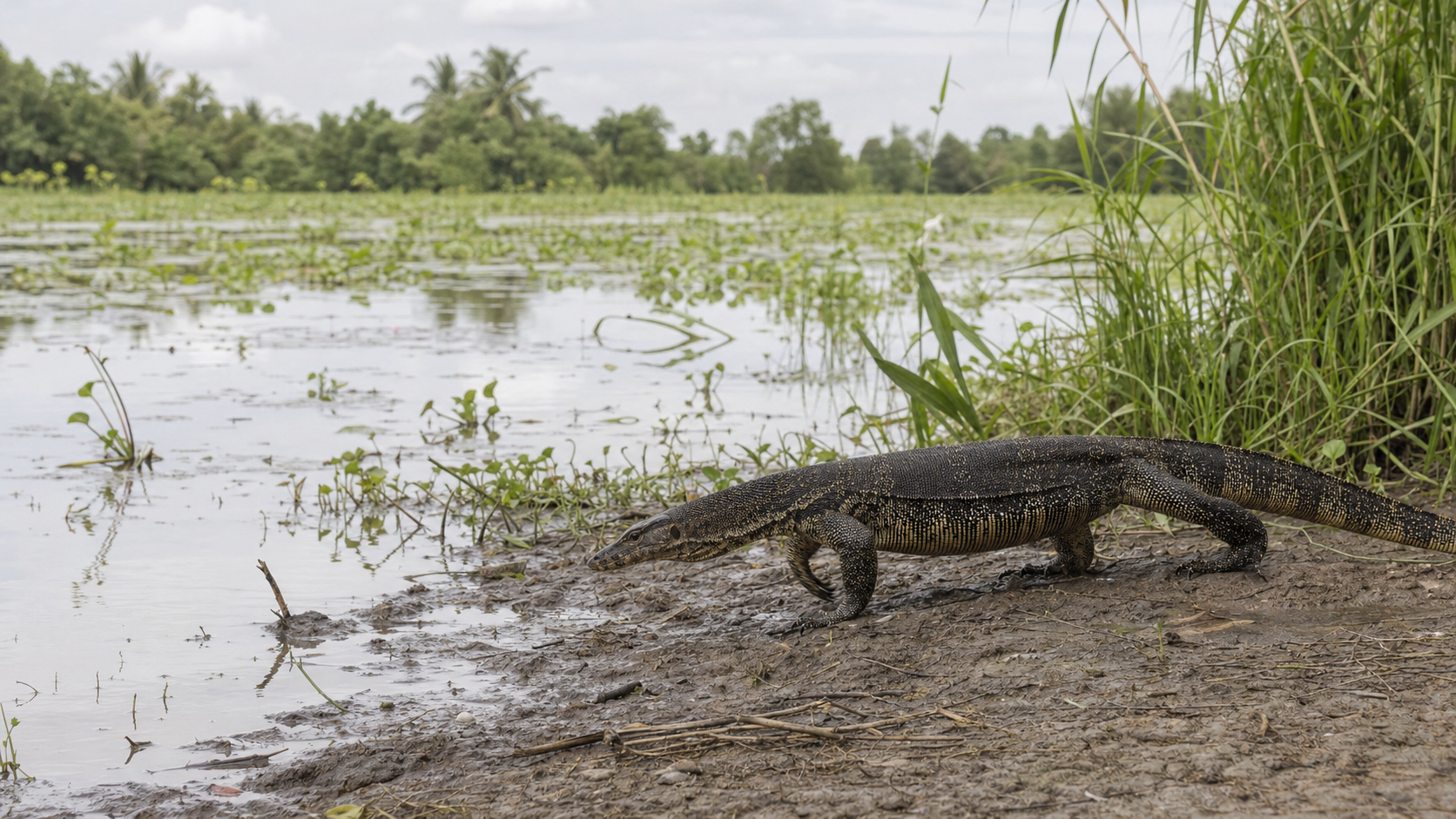
Freshwater and Brackish Areas Are Not Interchangeable
The Mekong Delta includes freshwater channels, flooded fields, marshes, canals and brackish reaches influenced by tides. Salinity, depth, vegetation and seasonal flow can change within a short distance. A reptile or amphibian recorded in one habitat should not automatically be placed in another, even when both appear as water on a map.
Species lists are strongest when they come from current local surveys, museum records or clearly documented observations. Scientific names can change as taxonomy is revised, so older lists may need checking before they are repeated. A source should support both the species identification and the stated locality.
Hydrology Shapes Feeding and Breeding Sites
Flood pulses can open temporary feeding areas and connect wetlands, while dry periods concentrate animals in remaining water. Changes in water extraction, pollution, barriers or shoreline vegetation can alter those cycles. Monitoring should record habitat conditions as well as animal sightings, because a count alone may not explain why a population changes.
Records Should Help Without Increasing Pressure
Observe snakes, turtles and amphibians without collecting or releasing animals. A lawful photo with date, broad habitat and a non-sensitive location can be useful to local researchers. Exact locations for rare or traded species should be shared only through appropriate reporting channels.
Sources and review notes
Reviewed 23 August 2026. This article includes an amphibian because herpetology studies reptiles and amphibians together. We say that plainly so the relationship is interesting without blurring the difference between the two groups.
Reference starting points: AmphibiaWeb, The IUCN Red List of Threatened Species, and PubMed-indexed research. Conservation status, taxonomy and local laws can change, so check the linked databases and the relevant local authority for current information.
Spotted something we should revisit? Send Reptile Explorer a correction—thoughtful reader feedback is always welcome.