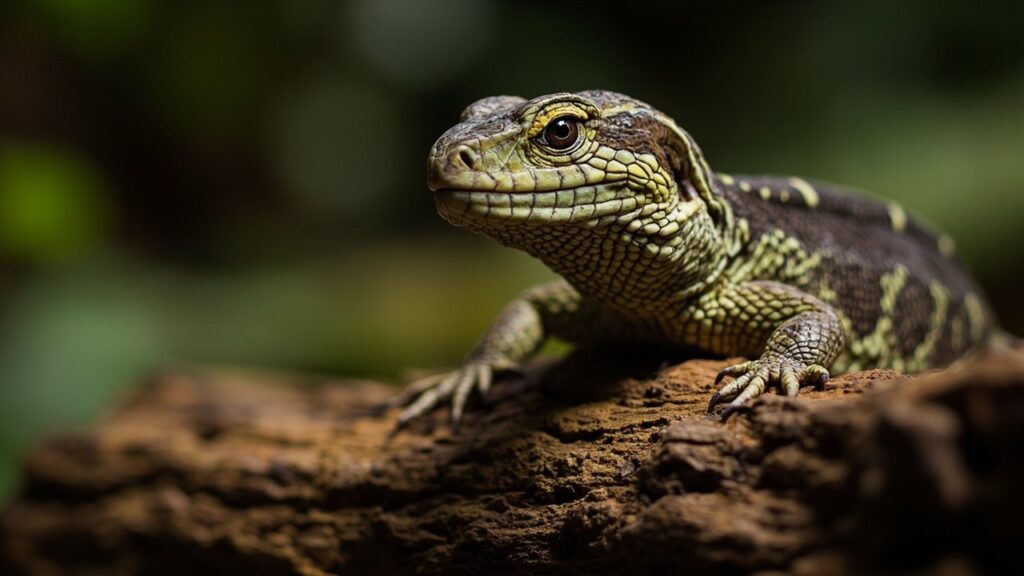
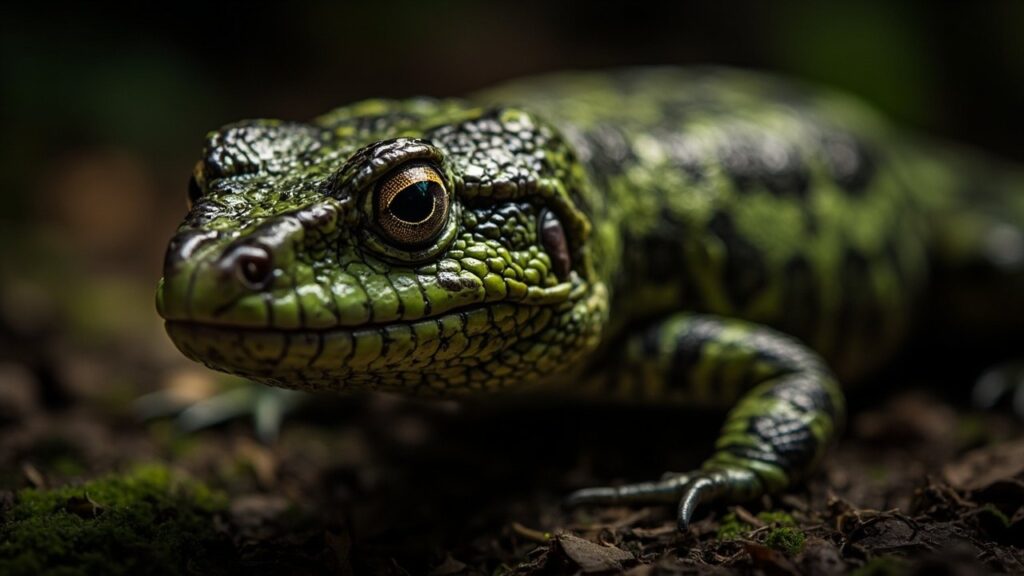
Peru spans Amazonian lowlands and Andean cloud forests, whose reptile communities differ with elevation, vegetation and water. A sound account starts with the habitat and locality rather than treating every iconic Amazonian animal as present everywhere.
Different habitats, different reptiles
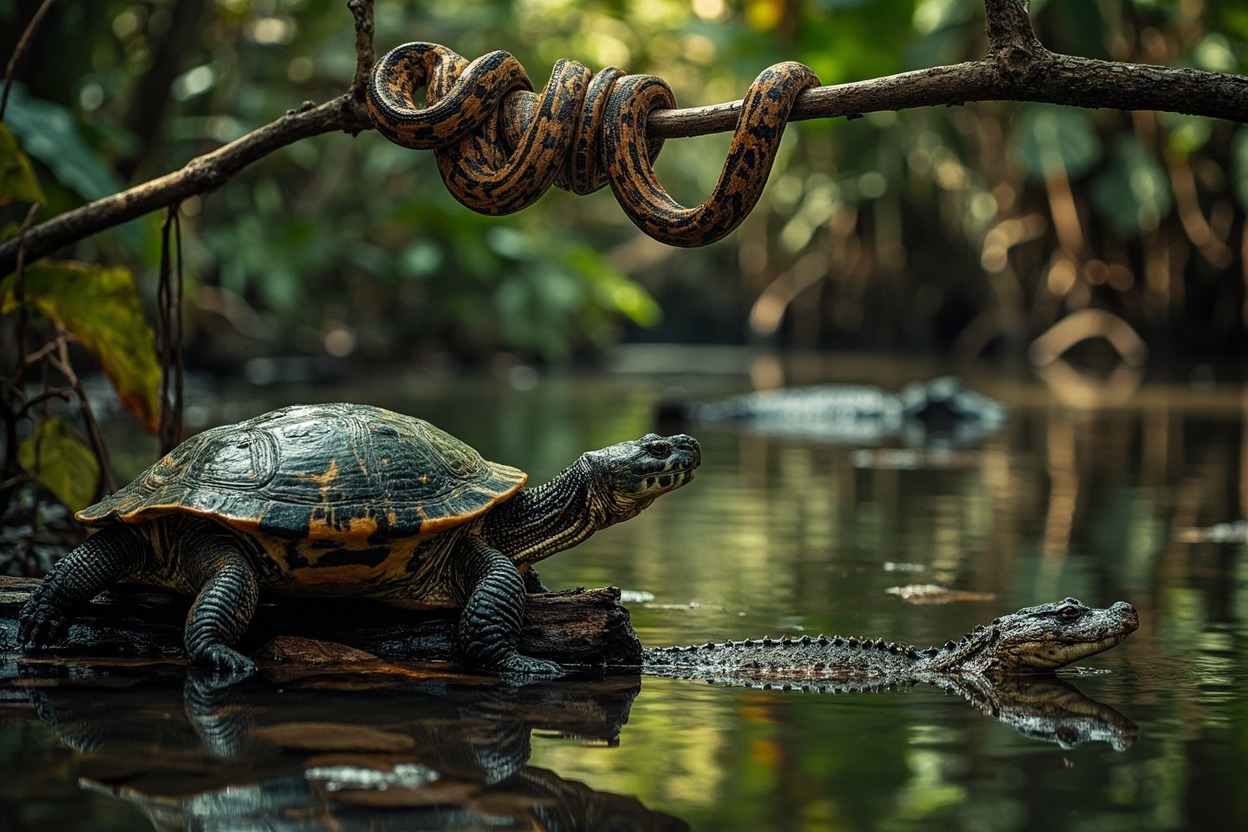
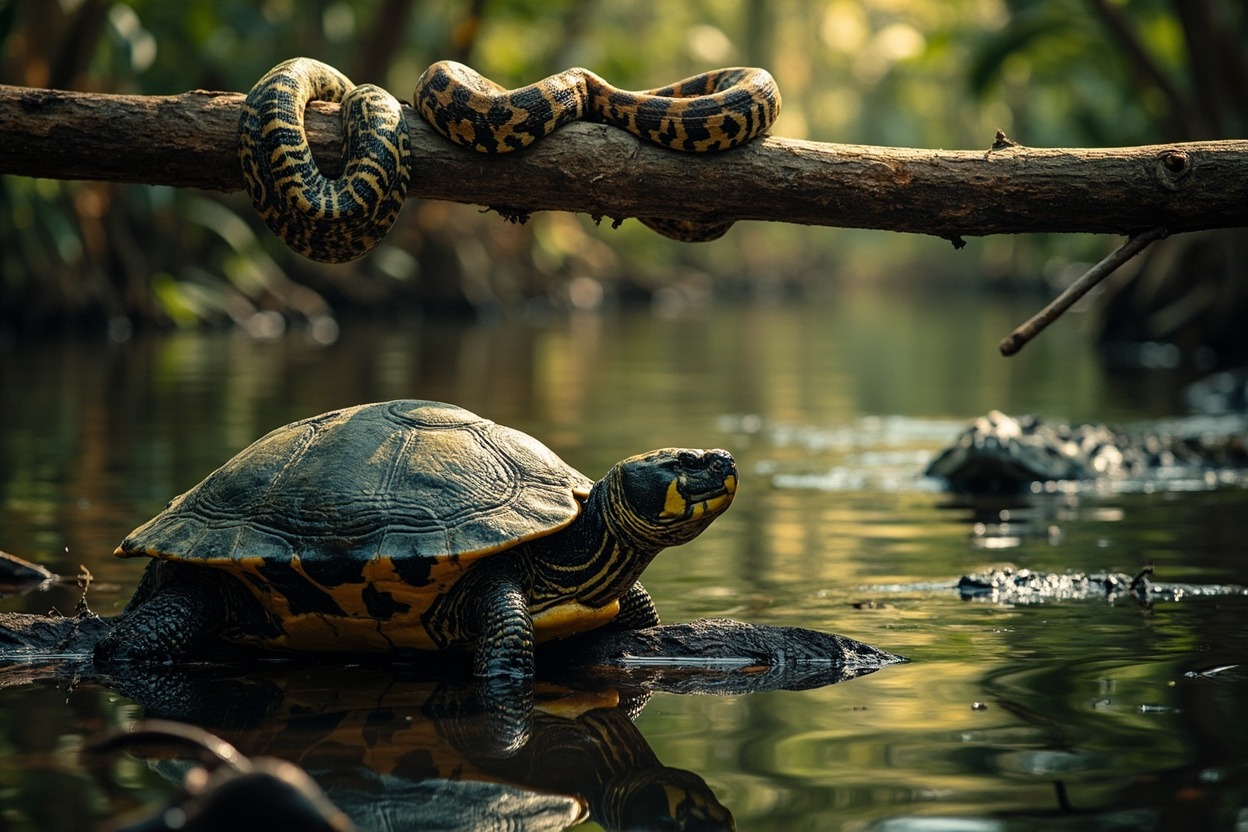
Caimans, turtles, lizards and snakes occupy distinct roles in food webs. Anacondas are associated with wetlands and slow waters, while the Machu Picchu Andean lizard (Proctoporus machupicchu) is known from montane forest in the Historic Sanctuary. Avoid sensational size claims for anacondas and avoid presenting unrelated mammals or frogs as reptiles.

Conservation is site-specific
Habitat protection, local surveys, regulated visitation and sustainable land management are more meaningful than generic claims about seed dispersal, pest control or medical applications. Do not handle or attempt to identify venomous snakes such as bushmasters; their venom is medically serious and species identification should be left to trained experts.
Visit protected places responsibly
Access to protected areas such as Manu is limited to authorized areas and operators. Stay on permitted routes, do not remove animals or plants and follow the guidance of local authorities and Indigenous communities.
Accuracy supports conservation
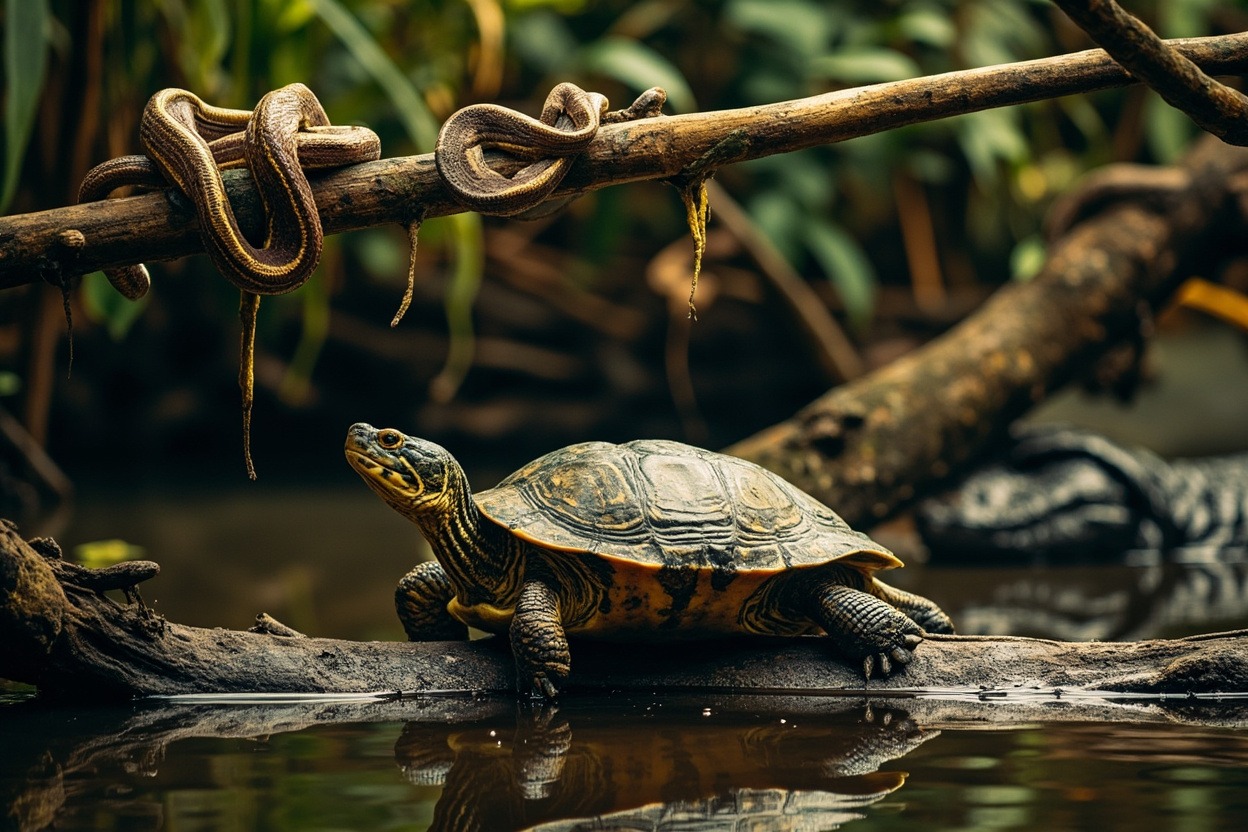
Careful species lists and locality data help managers understand what needs protection. Dramatic stories may attract attention, but reliable observation and respectful tourism do more for wildlife.
Lowland Rivers and Andean Slopes Set Different Limits
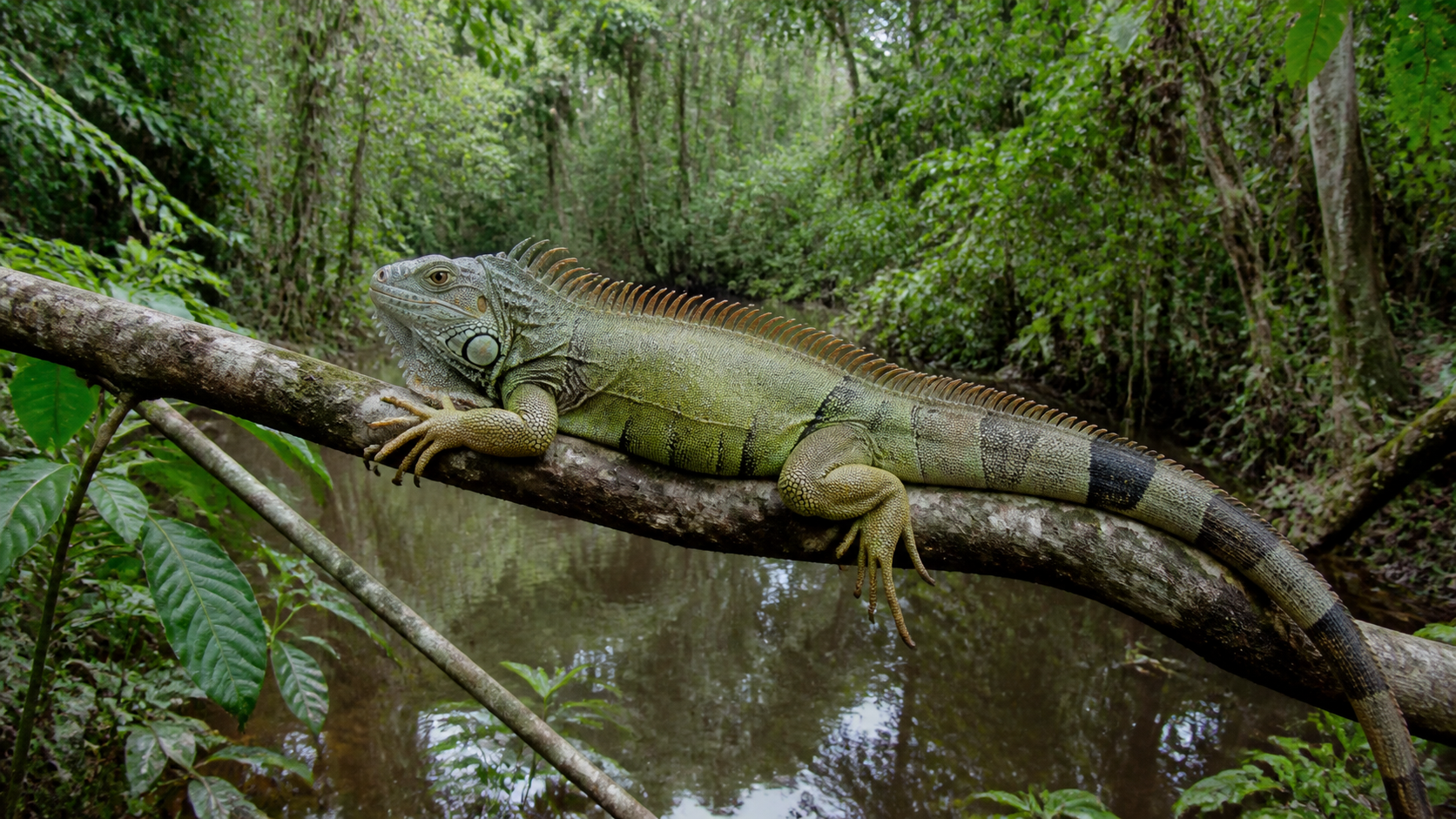
Flooded forest, oxbow lakes, foothills and cloud forest have different temperatures, substrates and seasonal water patterns. A reptile adapted to river-edge vegetation may not occur on a nearby mountain trail, even within the same region of Peru. Site, elevation and habitat type should accompany species claims whenever they are known.
Names Can Change as Research Improves
Specimens, photographs, calls from local experts and genetic studies can clarify which species occurs in a place. A familiar common name may cover several similar animals, and a past range map may be revised. Careful identification protects conservation work from false records that can send attention to the wrong habitat.
Respectful Tourism Protects the Record
Stay with authorised guides, follow access rules and keep wildlife locations broad when a species is sensitive. A photograph that includes the animal’s setting, without moving it or clearing vegetation, can add more value than a close image that removes the habitat context.
Sources and review notes
Reviewed 23 August 2026. This article includes an amphibian because herpetology studies reptiles and amphibians together. We say that plainly so the relationship is interesting without blurring the difference between the two groups.
Reference starting points: AmphibiaWeb, The IUCN Red List of Threatened Species, and PubMed-indexed research. Conservation status, taxonomy and local laws can change, so check the linked databases and the relevant local authority for current information.
Spotted something we should revisit? Send Reptile Explorer a correction—thoughtful reader feedback is always welcome.