The Nile and its connected wetlands support reptiles whose ranges, status and habitat use differ widely. A useful account separates species that live in the river system from historical stories and avoids treating all North African snakes as the same kind of viper.
River specialists and broad-ranging reptiles
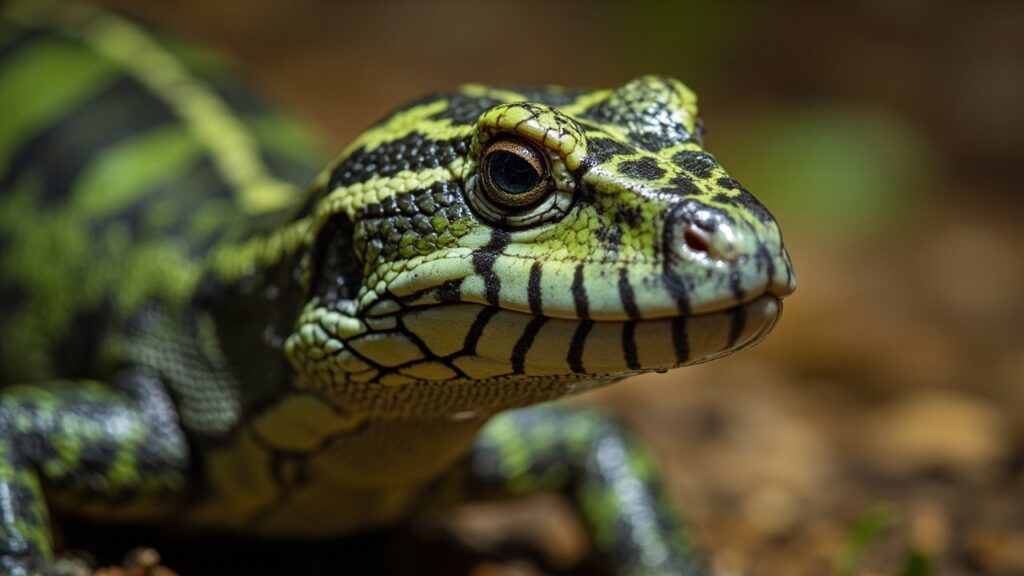
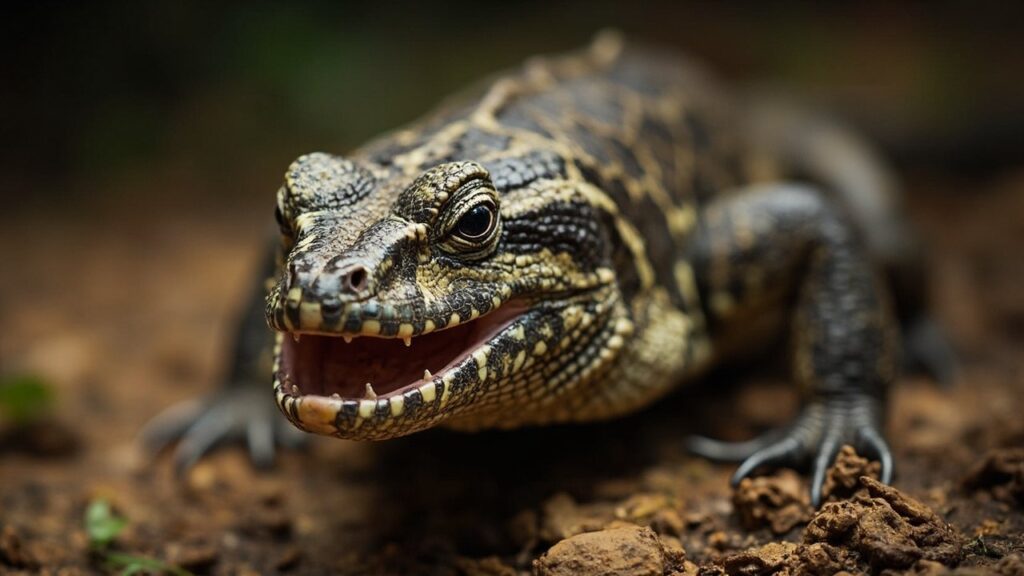
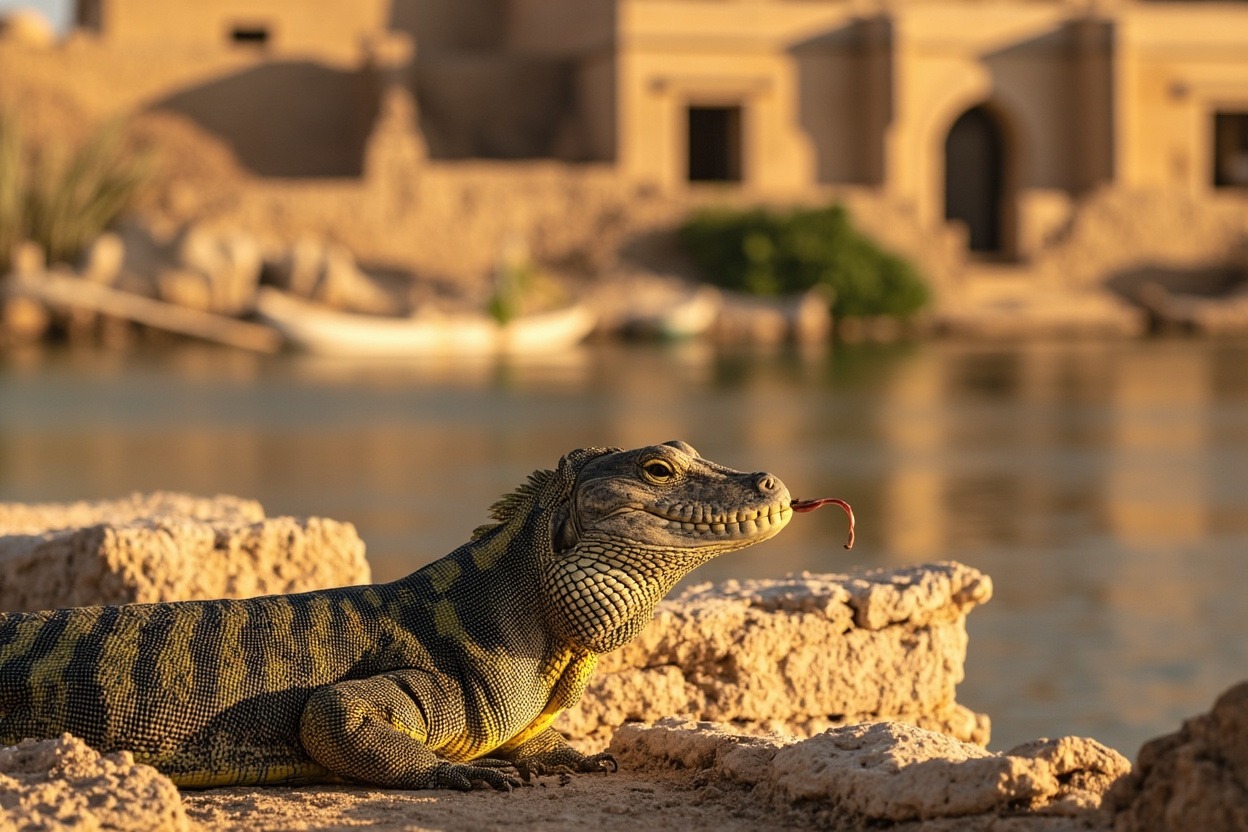
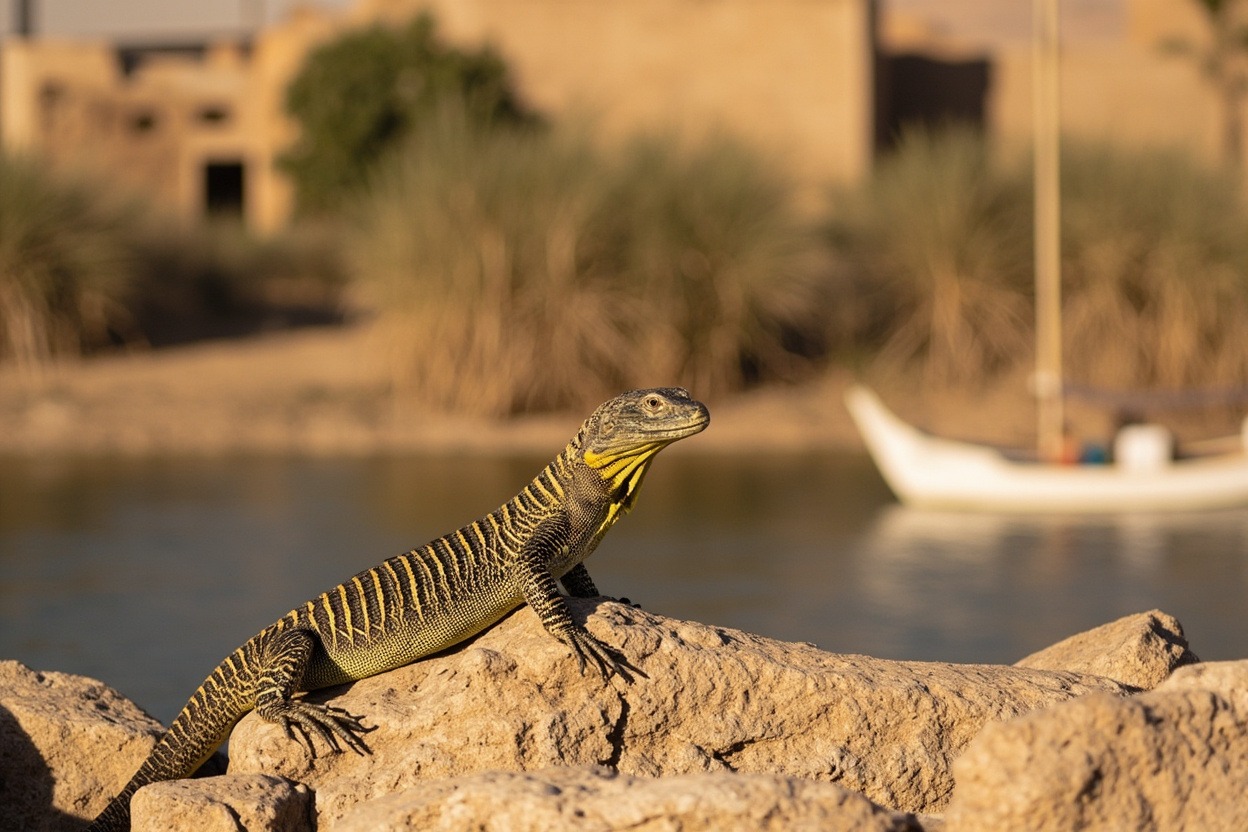
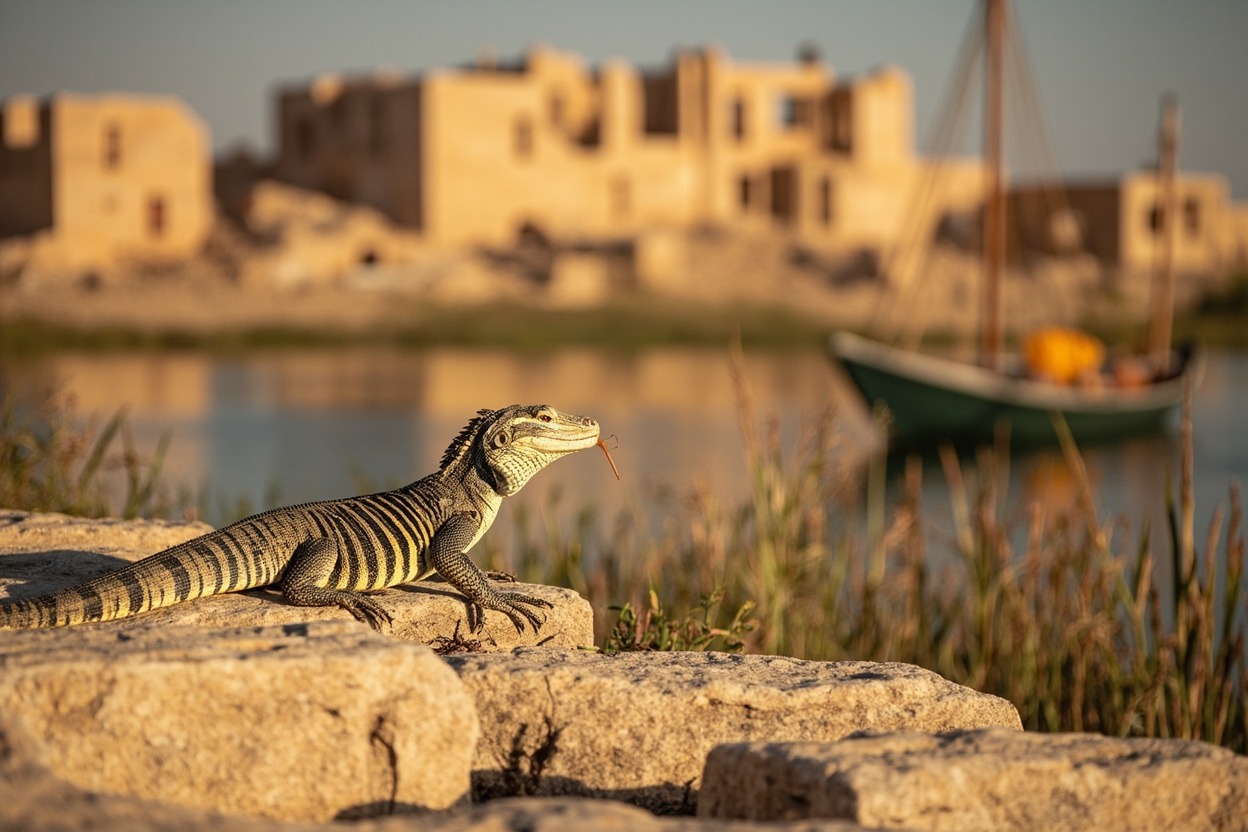
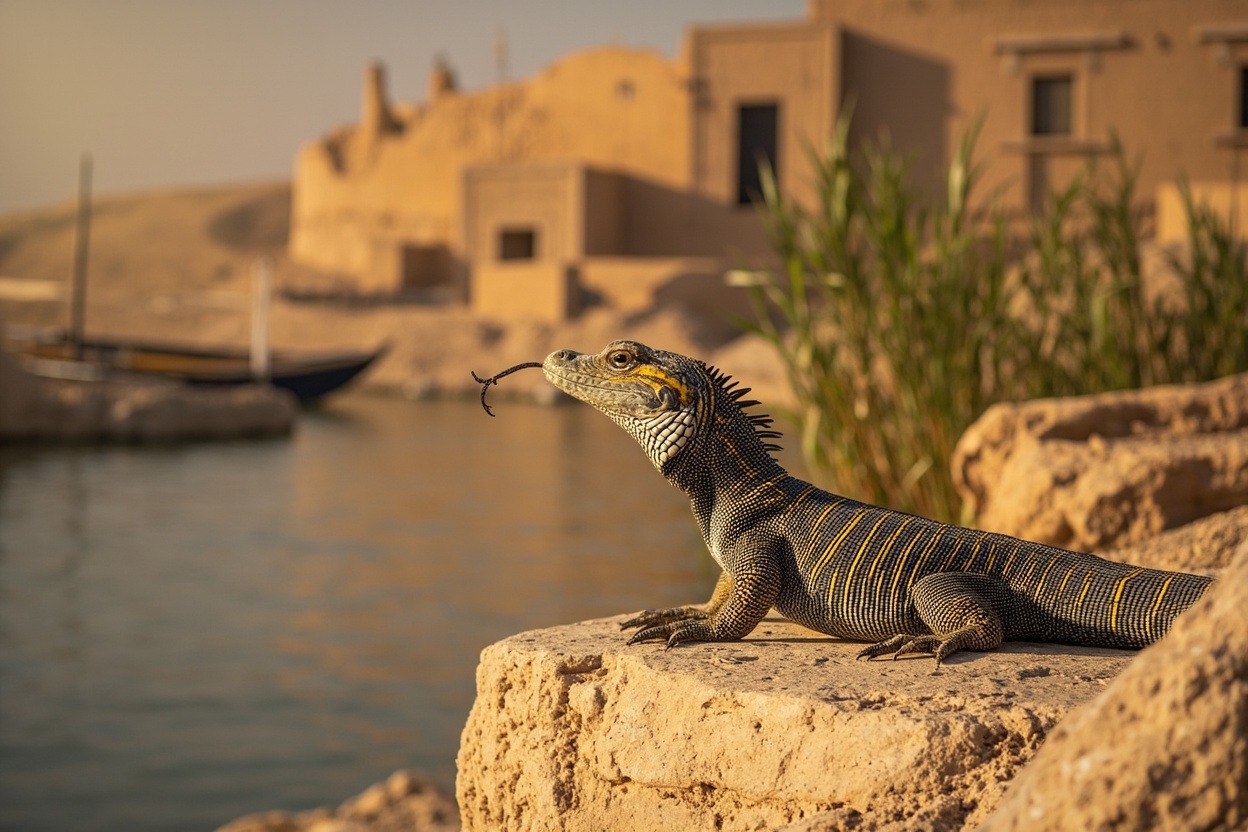
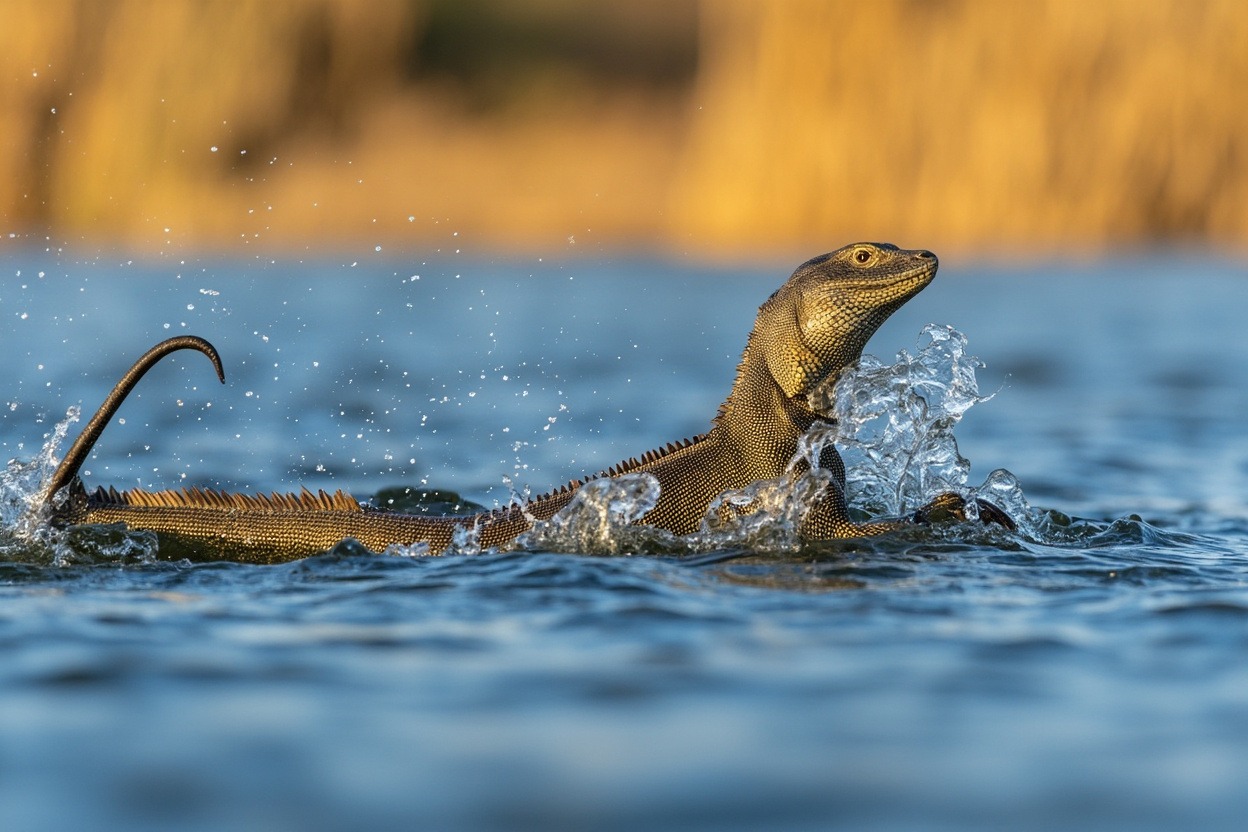
Nile crocodiles are globally assessed as Least Concern, although local populations can face serious pressure. The African softshell turtle (Trionyx triunguis) is a large freshwater turtle with a broad African and eastern Mediterranean range and a more threatened global assessment. Nile monitors are mainly day-active lizards associated with water and surrounding habitat.
Get snake taxonomy right
Egyptian cobras and black mambas are elapids, not desert vipers. Cerastes horned vipers are not pit vipers, and claims about facial heat pits should not be added without species-specific evidence. Any unidentified snake should be left alone.
History is not a field record
The identity of Cleopatra’s asp is a historical tradition with uncertainty, not a confirmed modern identification. Historical accounts can be interesting, but they should not replace current distribution or safety information.
Observe safely
Do not enter water where crocodilians may occur and do not approach turtles, monitors or snakes for a close photograph. Local wildlife authorities are the right source for current regulations and safety advice.
Water and Riverbanks Work Together
River flow, shallow margins, vegetation and exposed banks shape the places reptiles can use. A turtle needs access to water and resting sites, while a crocodilian may need secure basking and nesting ground. Changes in dams, water extraction, fishing pressure or shoreline use can affect these features in different ways along the river.
History Needs a Separate Label
Ancient art and written accounts can show how people understood reptiles in the past, but they do not automatically confirm a modern species at the same location. Current field records should identify the place, date and evidence behind a claim. Keeping historical material separate from survey data prevents a compelling story from becoming a false distribution record.
Local Advice Has Priority
River conditions, legal protection and safety risks vary across countries and water bodies. Visitors should follow local guidance, avoid entering habitat used by crocodilians and leave unidentified snakes alone. Distance is the appropriate response when the species or its risk cannot be confirmed safely.
Sources and review notes
Reviewed 23 August 2026. Reptile biology is wonderfully variable. We have avoided turning one species, photograph or dramatic observation into a rule for an entire group, and we have used cautious wording where evidence or local conditions differ.
Reference starting points: The Reptile Database, The IUCN Red List of Threatened Species, and PubMed-indexed research. Conservation status, taxonomy and local laws can change, so check the linked databases and the relevant local authority for current information.
Spotted something we should revisit? Send Reptile Explorer a correction—thoughtful reader feedback is always welcome.