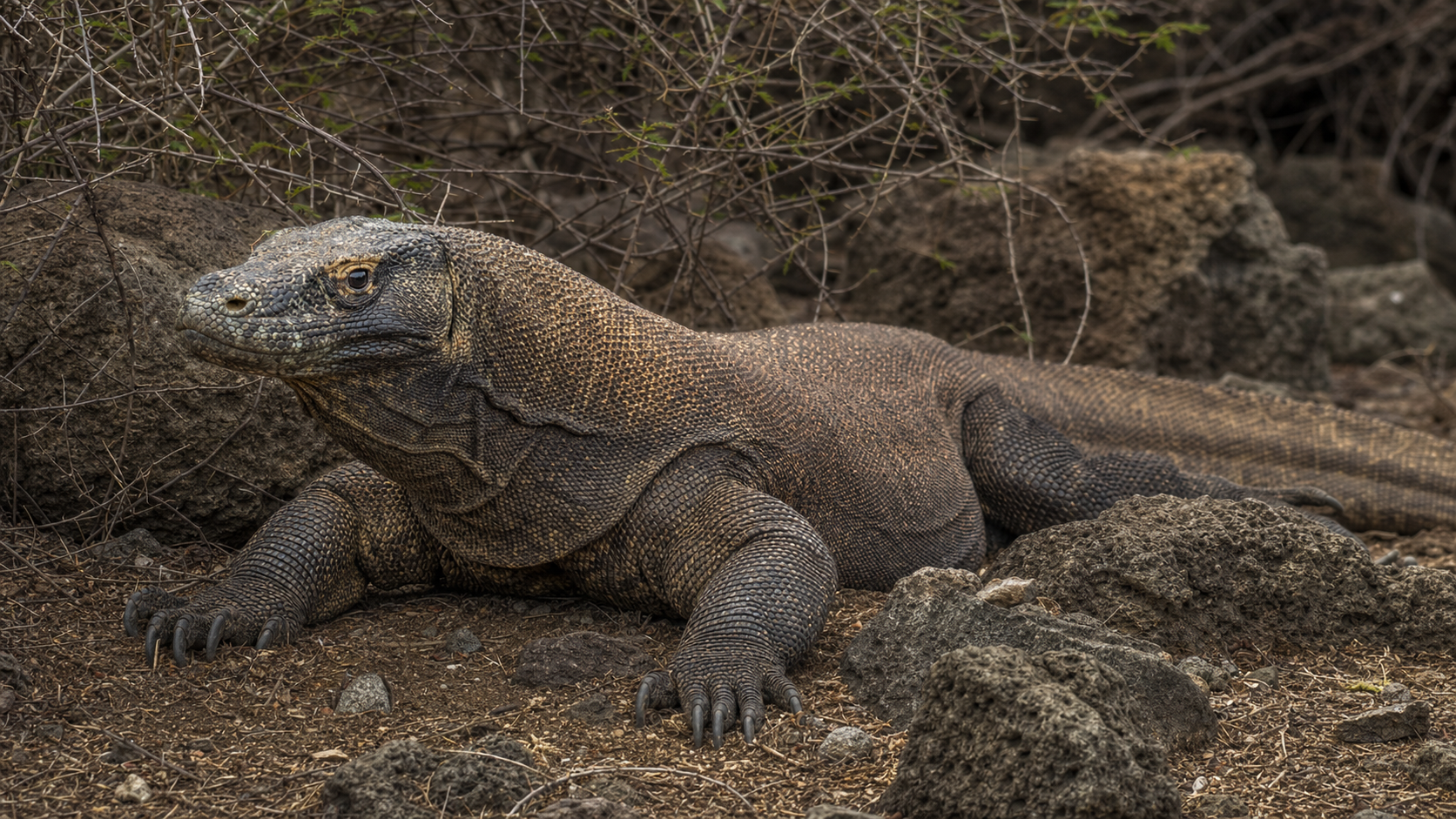
Komodo dragons (Varanus komodoensis) are the largest living lizards and occur naturally on a small group of Indonesian islands. Their heavy bodies, serrated teeth and powerful tails make them formidable predators and scavengers, but dramatic stories should not replace evidence-based biology.
How a bite affects prey
The old claim that prey die mainly from “septic bacteria” in a dragon’s mouth is too simple and remains controversial. Research supports a role for venom in bite effects, alongside trauma and blood loss. This is not an invitation to test a dragon’s behavior; their bite can cause severe injury.
Conservation requires precision
Habitat change, small island distribution, climate risk and human pressure require continued conservation attention. Exact decline figures, poaching prices, captive-breeding outcomes and baiting stories should be used only when a current source documents them. CITES regulates international trade, while ownership laws and permits vary by jurisdiction.
Safe wildlife viewing
Follow park rules, keep well away from dragons and never feed, bait or corner one for a photograph. Rangers and local authorities should manage any close encounter.
Why the species matters
Komodo dragons are part of a distinctive island ecosystem. Protecting them means protecting habitat, prey communities and responsible visitor practices rather than turning a rare animal into a spectacle.
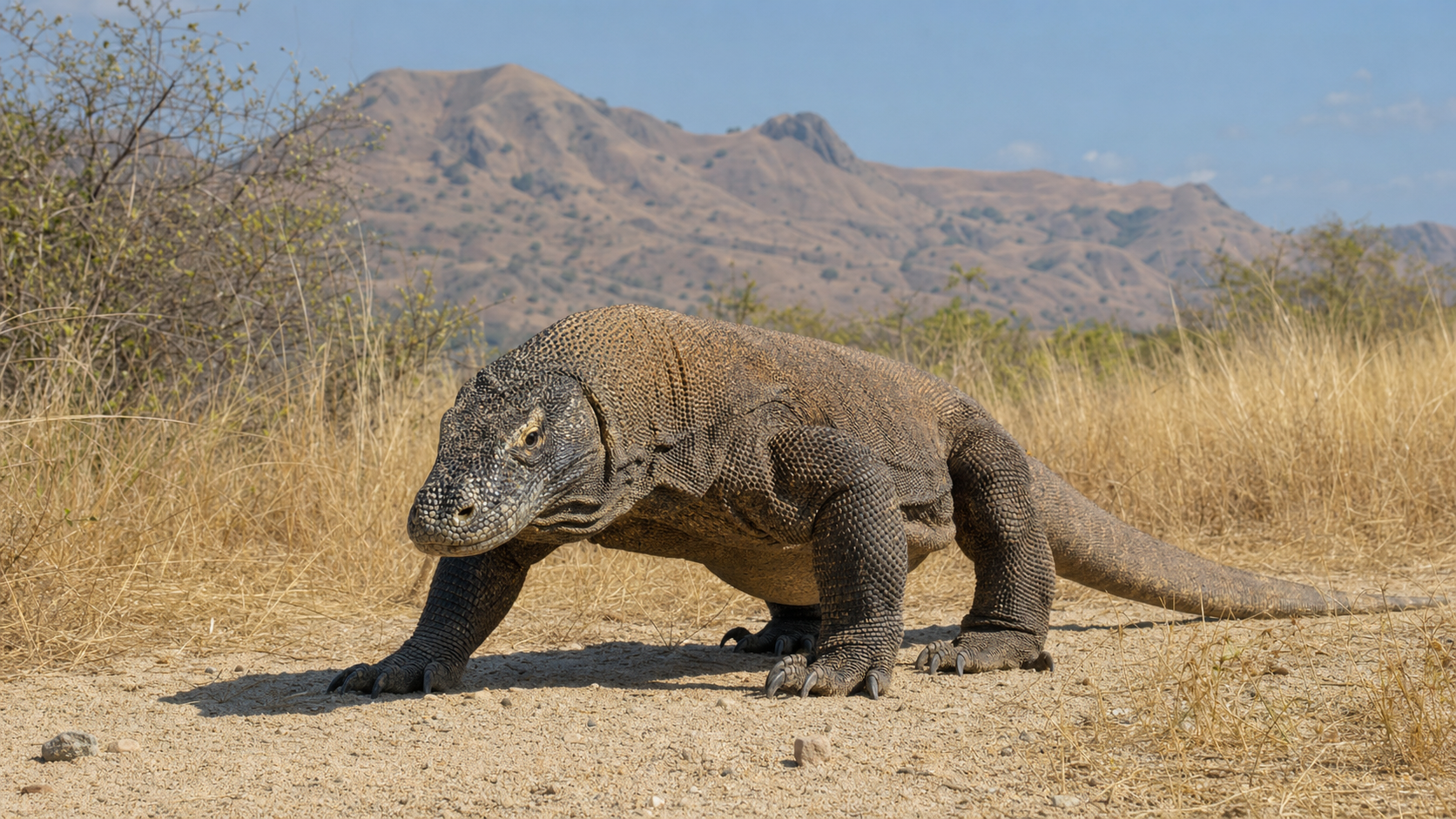
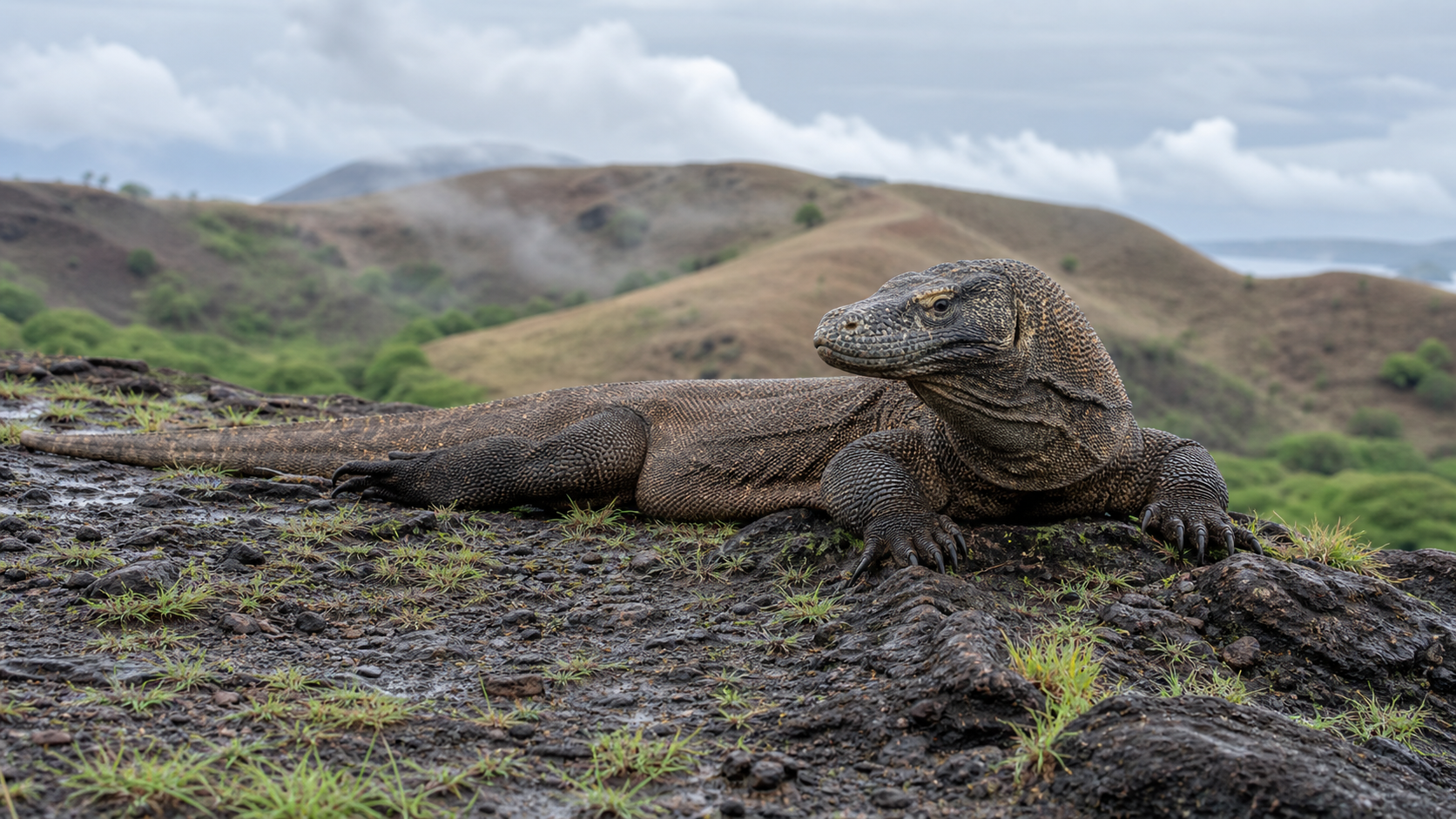
Habitat Includes More Than Open Ground
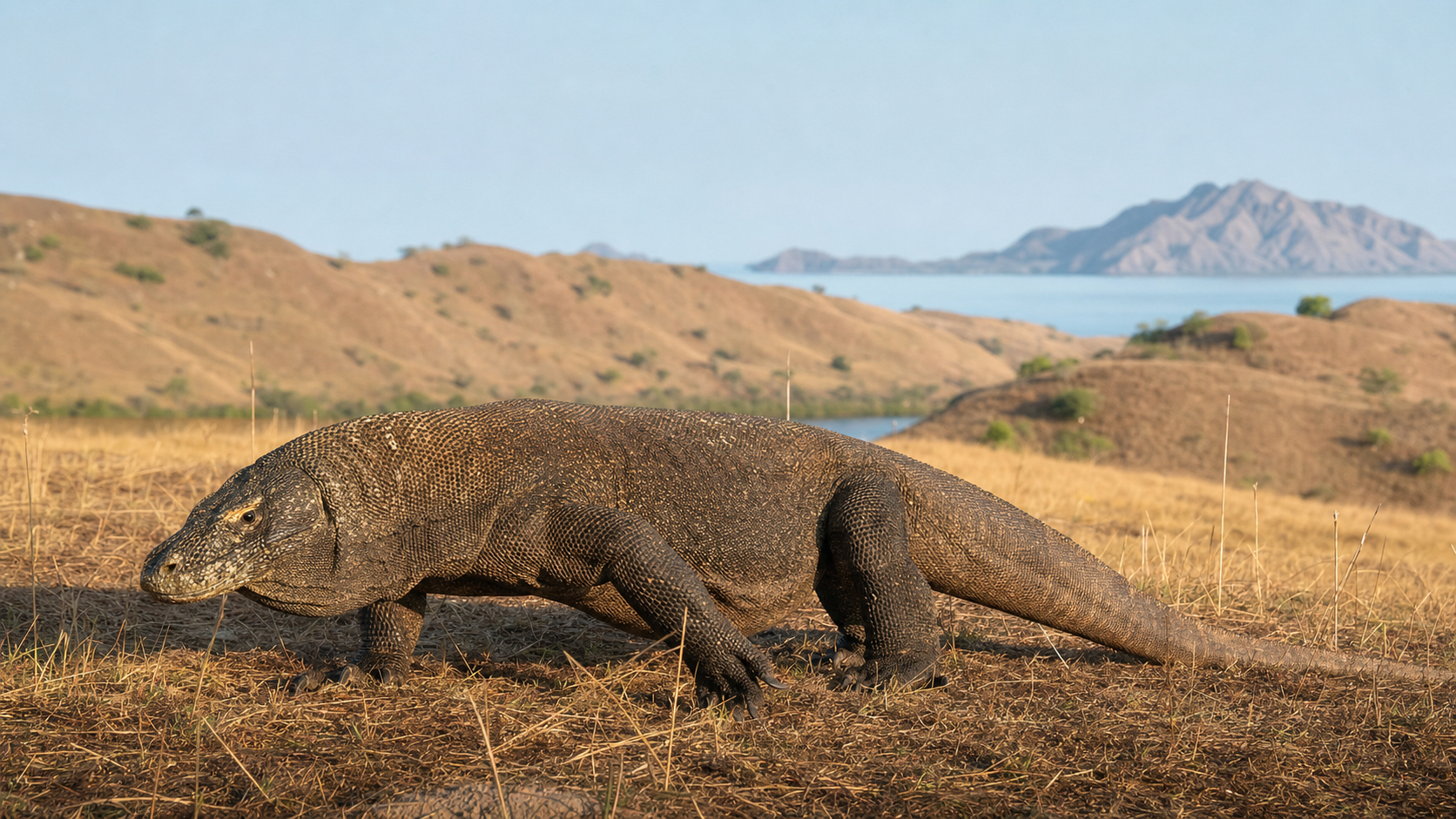
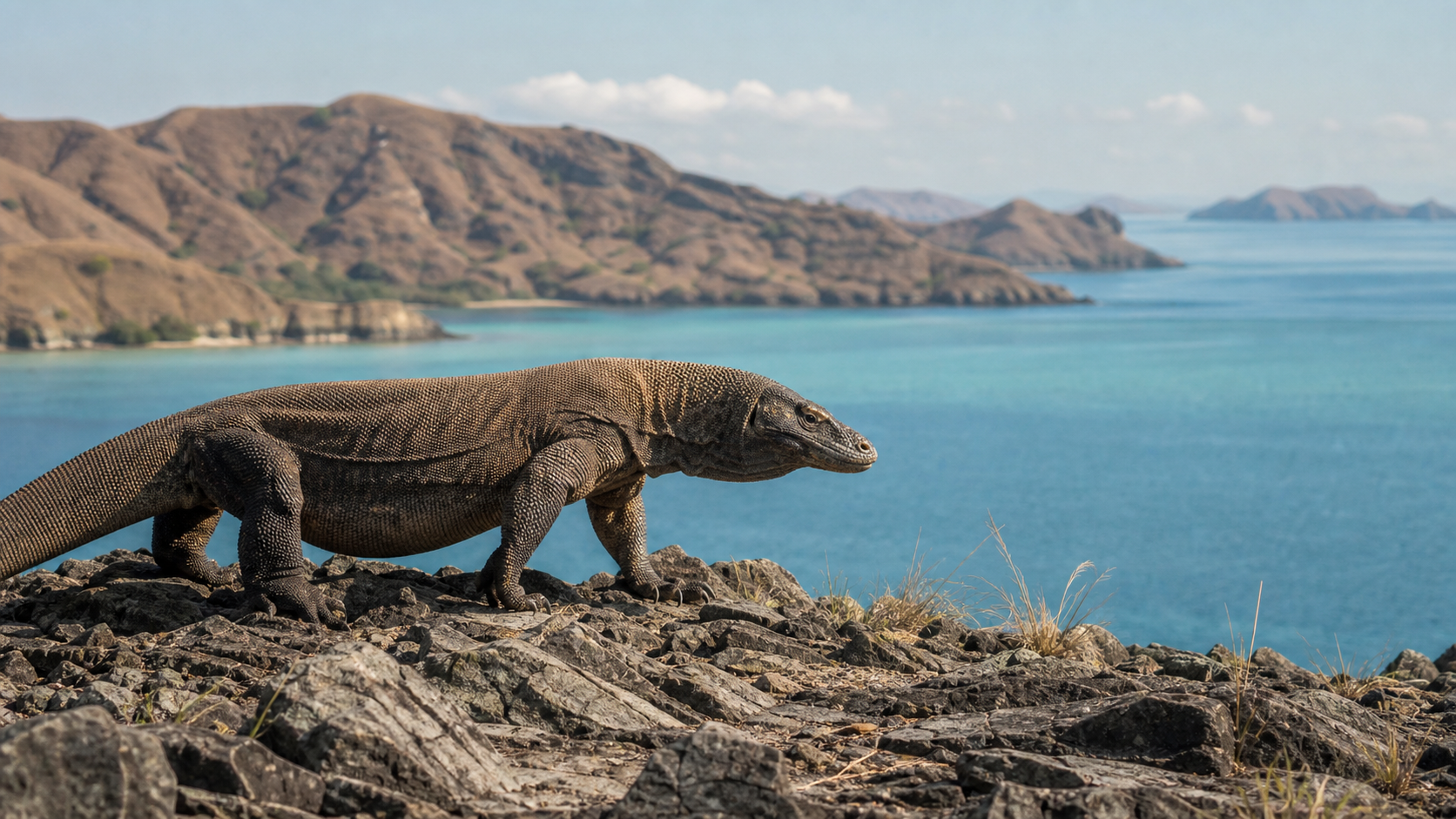
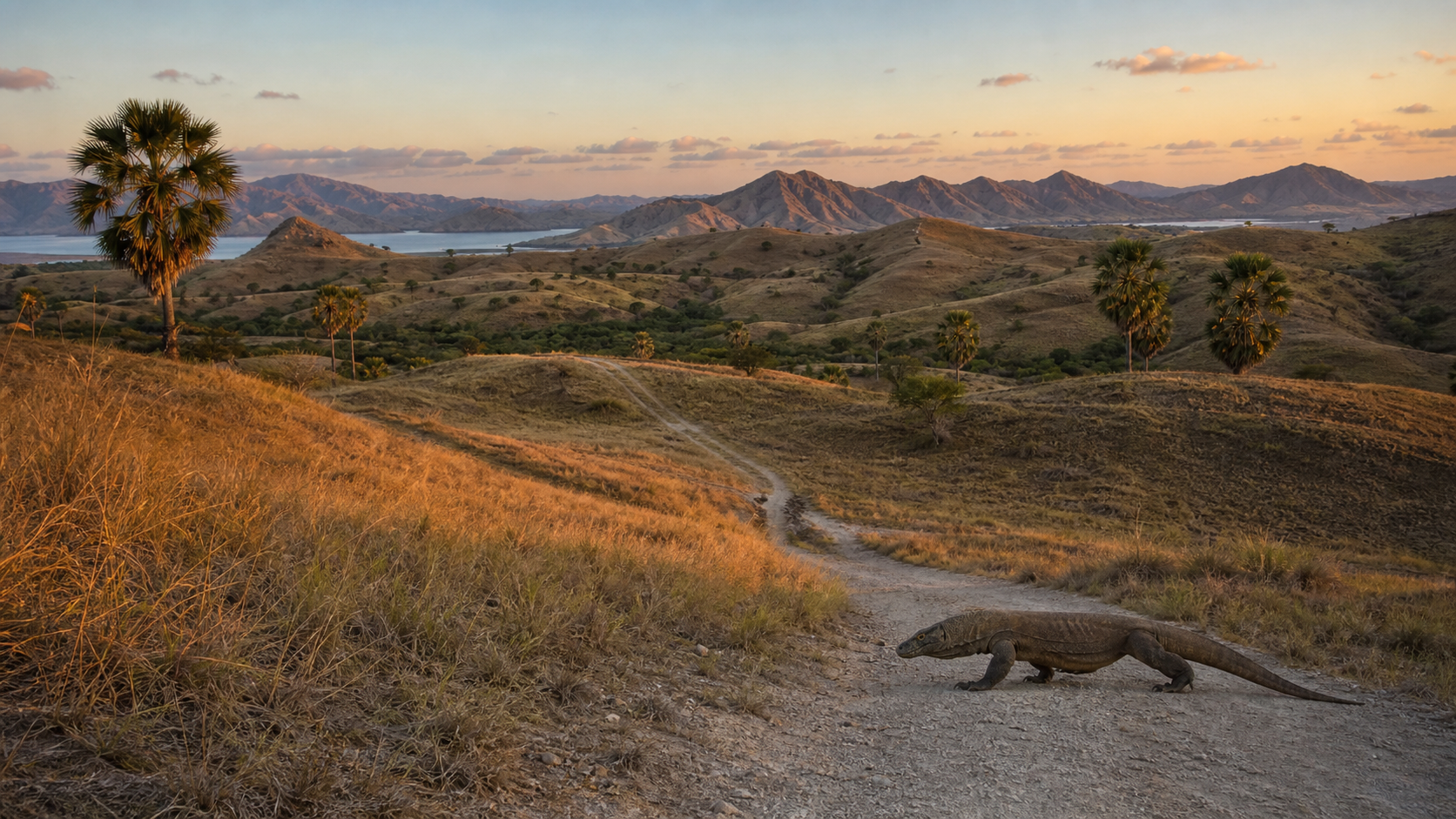
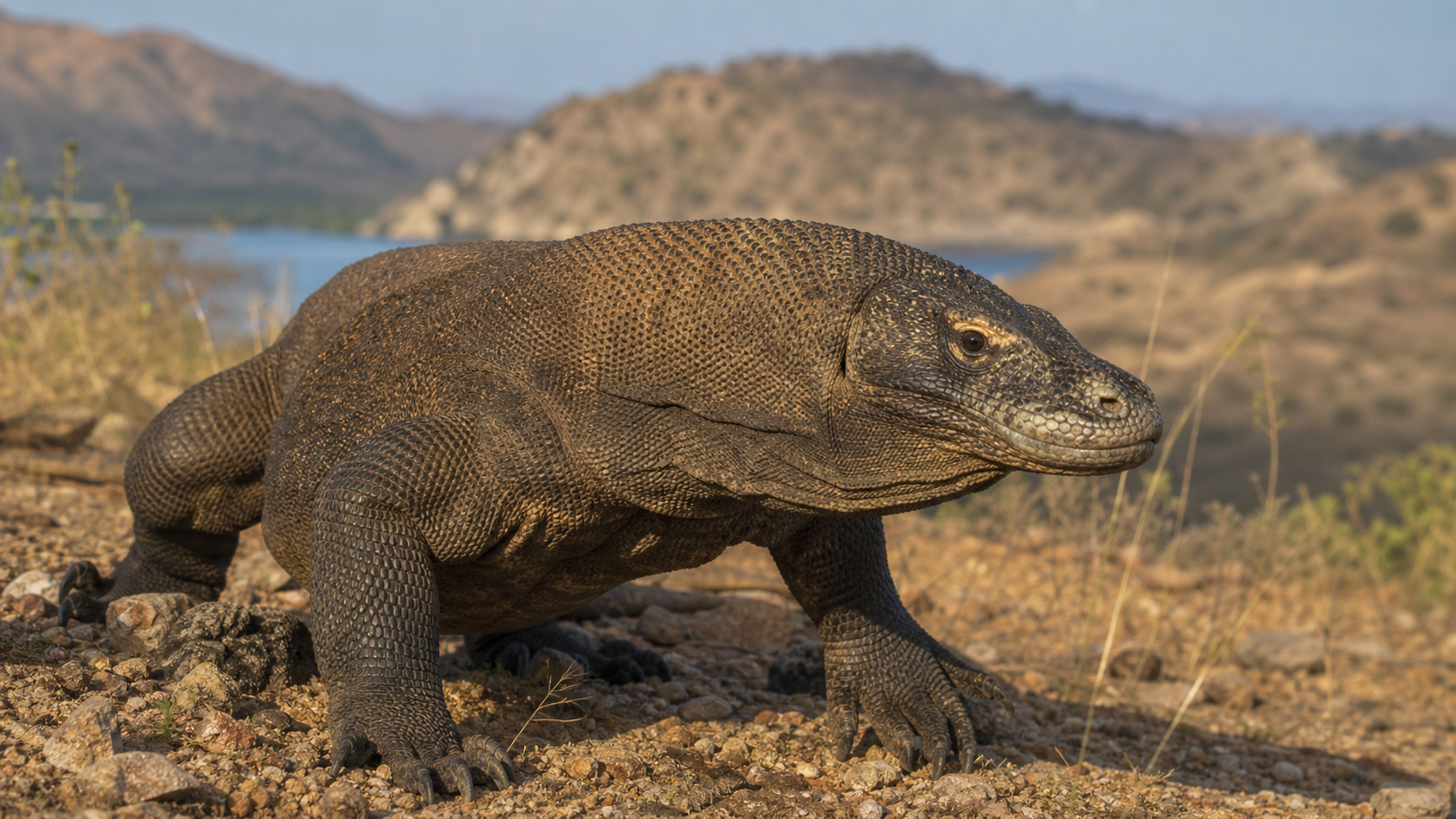
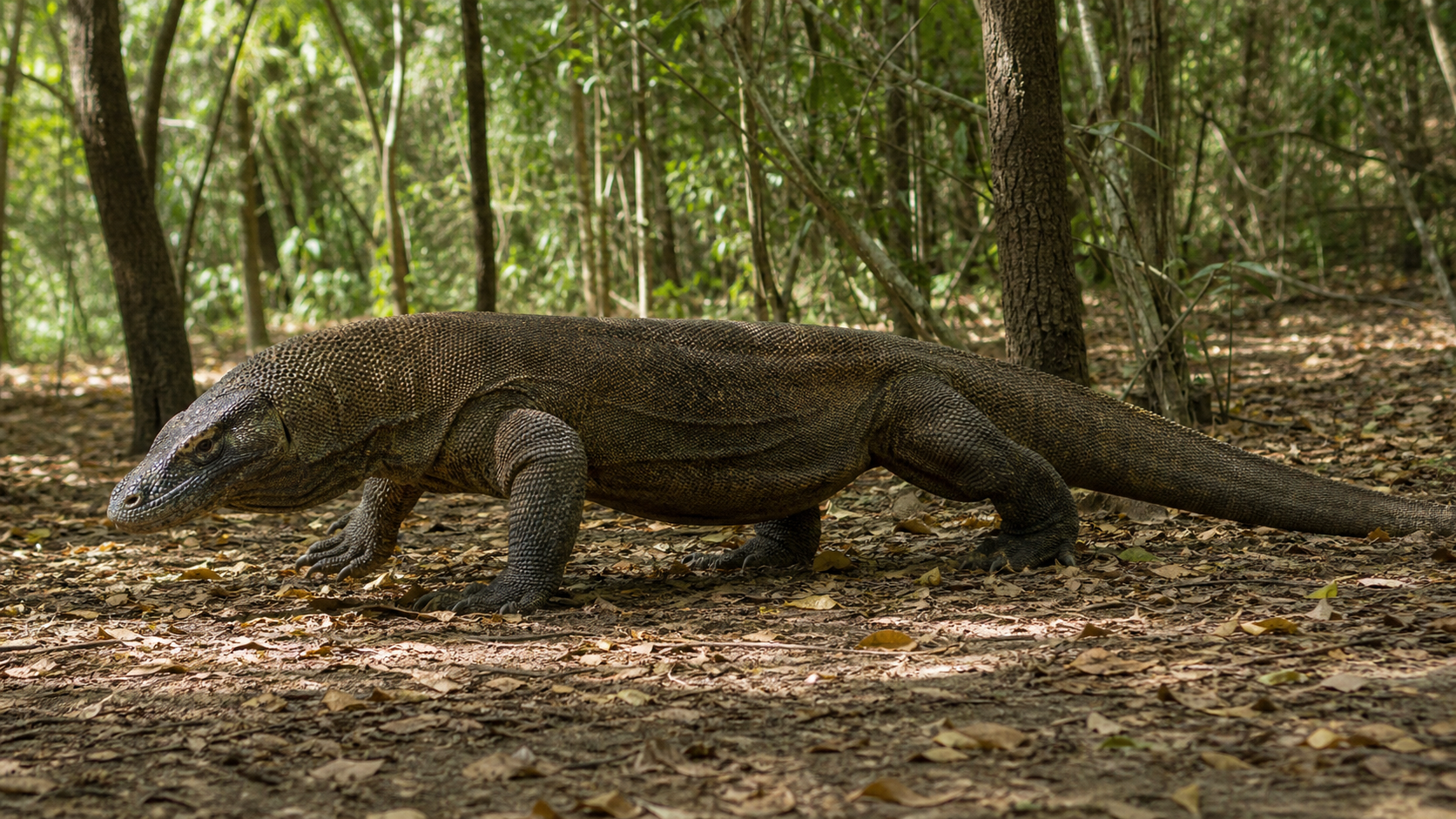
Komodo dragon habitat includes savanna, seasonal woodland, dry forest, beaches and sheltered valleys. These places differ in shade, prey, water and nesting opportunities. An animal near a visitor route is only one part of a wider island population, so a close sighting cannot show whether all age groups have the resources they need.
Prey and Nest Sites Are Conservation Features
Protection has to consider prey populations and the places where dragons rest, breed and lay eggs. Changes in fire, grazing, vegetation or human access can alter these conditions without making the landscape look empty. Conservation monitoring is stronger when it records habitat use and reproduction as well as sightings of adult dragons.
Visitor Rules Protect the Observation
Guides, distance rules and designated access are not barriers to wildlife appreciation. They reduce the chance of feeding, crowding or changing an animal’s movement. A good photograph records a rare lizard in its setting without asking it to tolerate a closer encounter.
Sources and review notes
Reviewed 23 August 2026. Reptile biology is wonderfully variable. We have avoided turning one species, photograph or dramatic observation into a rule for an entire group, and we have used cautious wording where evidence or local conditions differ.
Reference starting points: The Reptile Database, The IUCN Red List of Threatened Species, and PubMed-indexed research. Conservation status, taxonomy and local laws can change, so check the linked databases and the relevant local authority for current information.
Spotted something we should revisit? Send Reptile Explorer a correction—thoughtful reader feedback is always welcome.