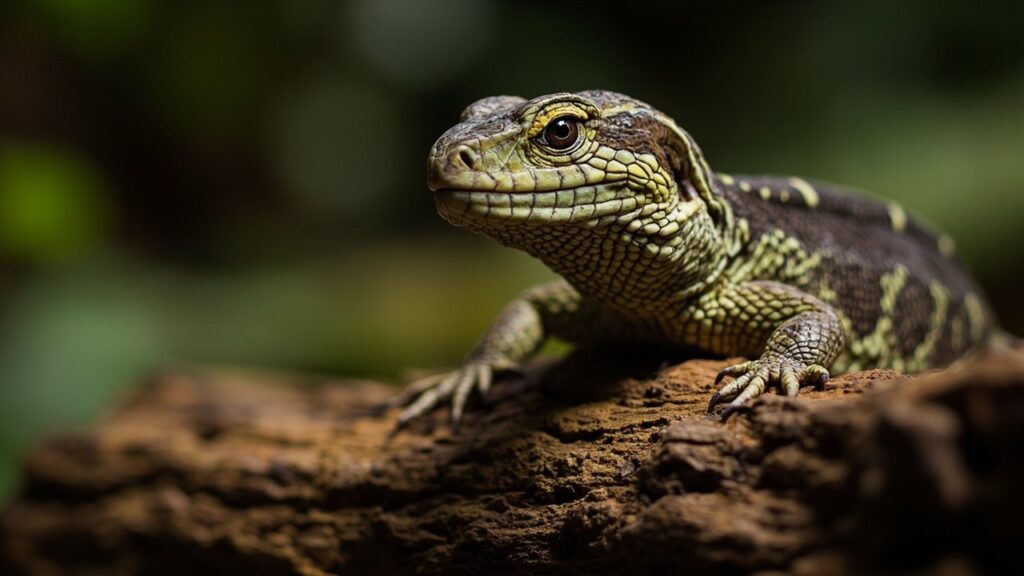
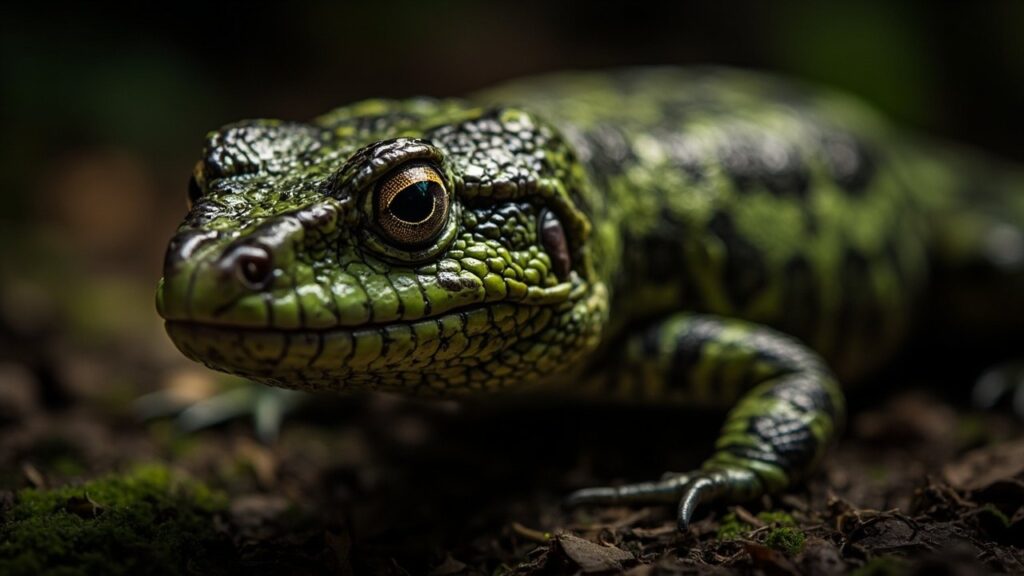
Australia’s tropical north includes rainforest, wetlands, rivers, mangroves and open woodland, each supporting different reptile communities. The Wet Tropics of Queensland covers a very small share of Australia but contains a striking proportion of its reptile diversity.
Habitat diversity drives diversity
Freshwater turtles, skinks, geckos, dragons, snakes and crocodilians use different parts of this landscape. A tropical reptile article should not substitute unrelated iguanas, ornamental plants or botanical-garden advice for locally relevant wildlife and habitat.


Conservation needs a local scale
Forest clearing, altered water regimes, invasive species, road mortality and climate pressure can affect habitats differently. The best response is site-specific monitoring, protection of connected habitat and respect for Indigenous and local knowledge rather than a generic list of colorful animals.
Visit responsibly
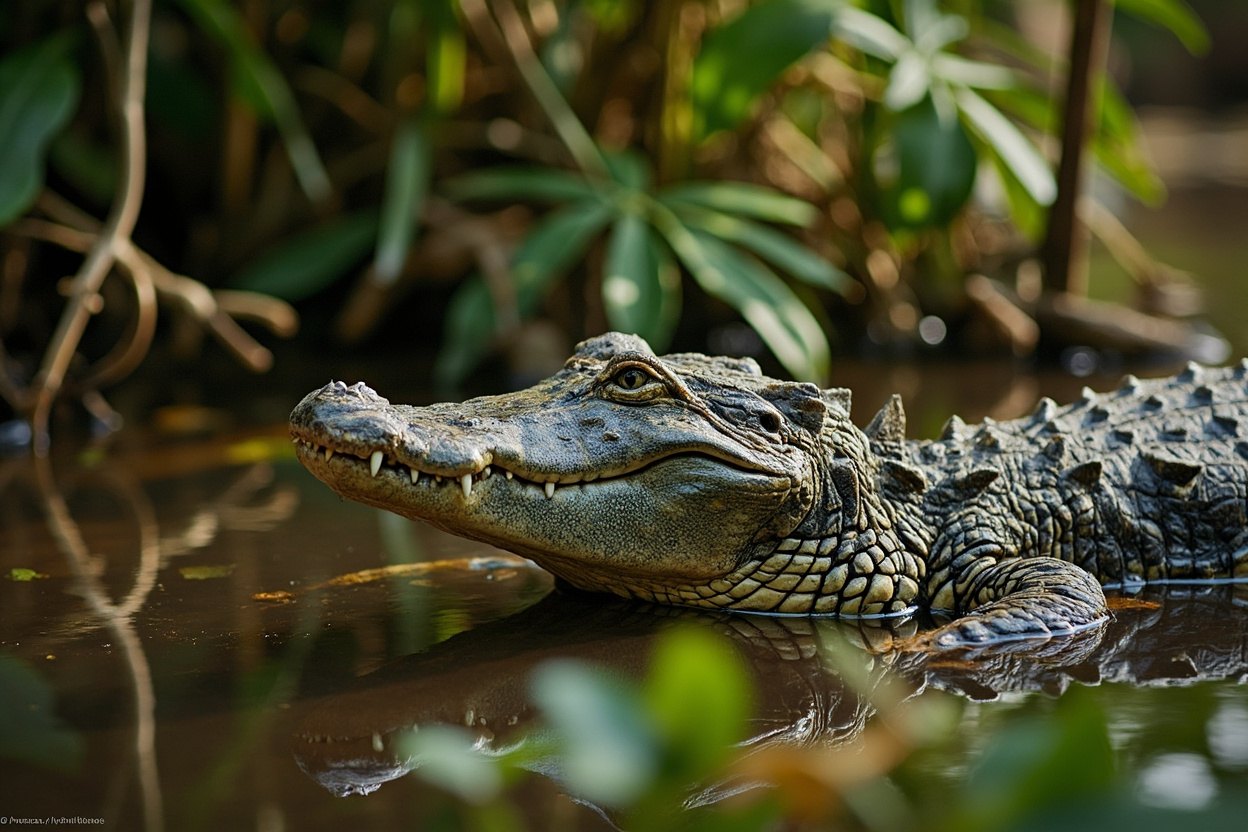
Stay on designated paths, keep a safe distance from crocodilians and snakes and do not collect or feed wildlife. Wetland edges and rainforest floor cover are important refuges, not places to stage a close encounter.

Ask precise questions
For an identification or status claim, name the species and location. “Australian tropical reptile” is too broad to establish a range, risk or conservation priority.
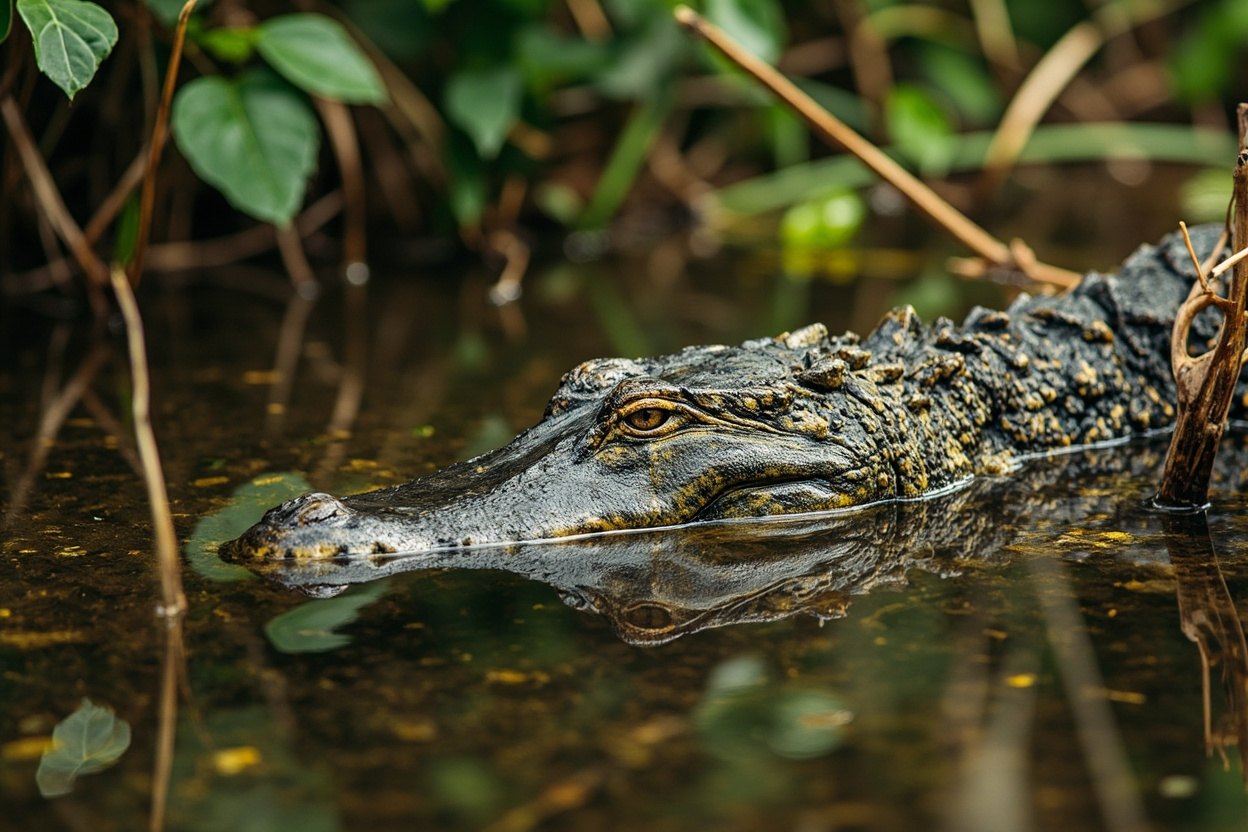
Tropical Australia Includes Many Habitat Types
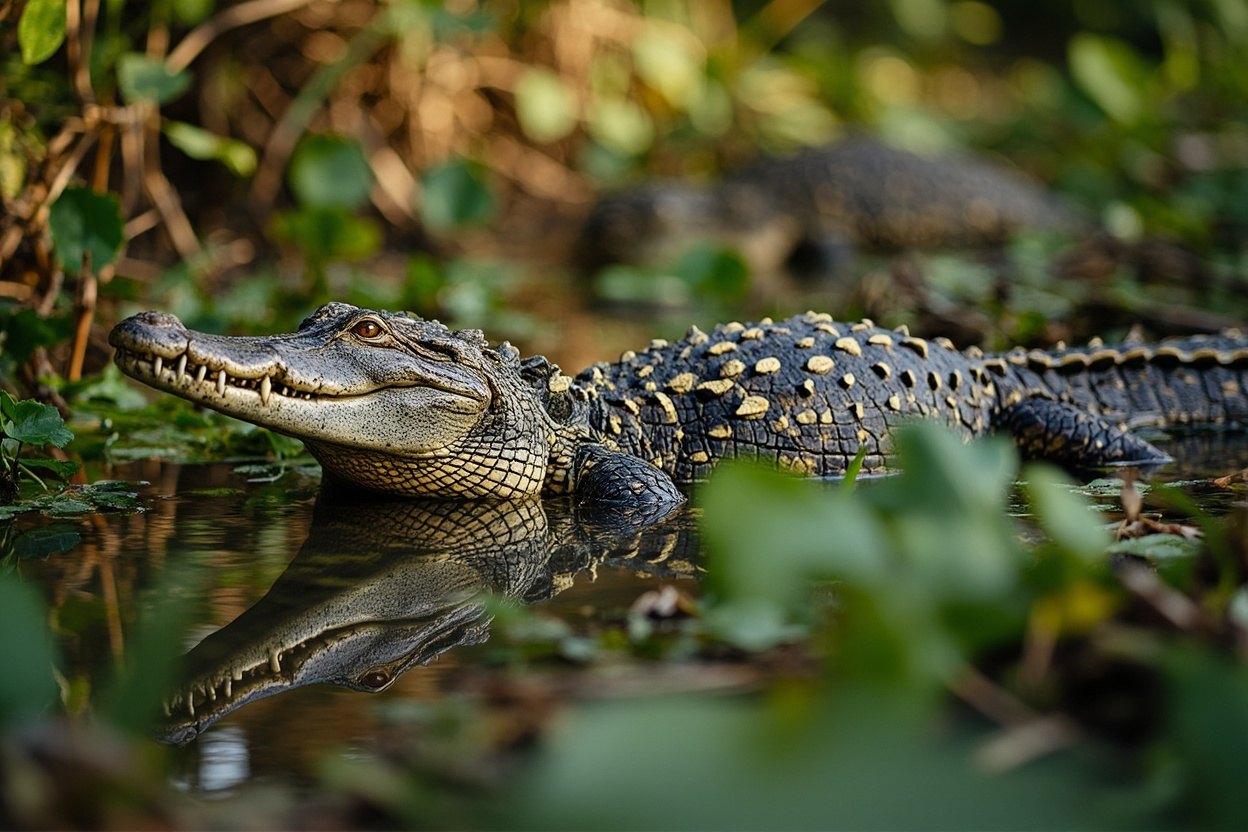
Northern Australia includes rainforest, monsoon forest, savanna, mangroves, rivers, floodplains and offshore islands. Reptiles use these conditions in different ways. A gecko on a rainforest trunk, a turtle in a river and a crocodile in a tidal creek do not share the same habitat requirements simply because they occur in a tropical climate.
Wet and dry seasons change water availability, fire patterns, vegetation cover and movement routes. A species record should name the animal and the habitat rather than presenting every northern reptile as an interchangeable rainforest species.
Safe Observation Supports Better Records
Many tropical reptiles are difficult to identify from colour alone, especially in variable light or at a distance. A photo, general location, time and habitat note can be useful for a local record without handling the animal. Exact locations should not be published for species vulnerable to collection.
Follow Local Wildlife Guidance
Crocodiles, venomous snakes and protected wildlife require particular distance and care. Never enter water or approach a shoreline where crocodiles may occur. Park rules, Traditional Owner guidance and wildlife-authority advice reflect conditions that change by place and season.
Sources and review notes
Reviewed 23 August 2026. Reptile biology is wonderfully variable. We have avoided turning one species, photograph or dramatic observation into a rule for an entire group, and we have used cautious wording where evidence or local conditions differ.
Reference starting points: The Reptile Database, The IUCN Red List of Threatened Species, and PubMed-indexed research. Conservation status, taxonomy and local laws can change, so check the linked databases and the relevant local authority for current information.
Spotted something we should revisit? Send Reptile Explorer a correction—thoughtful reader feedback is always welcome.