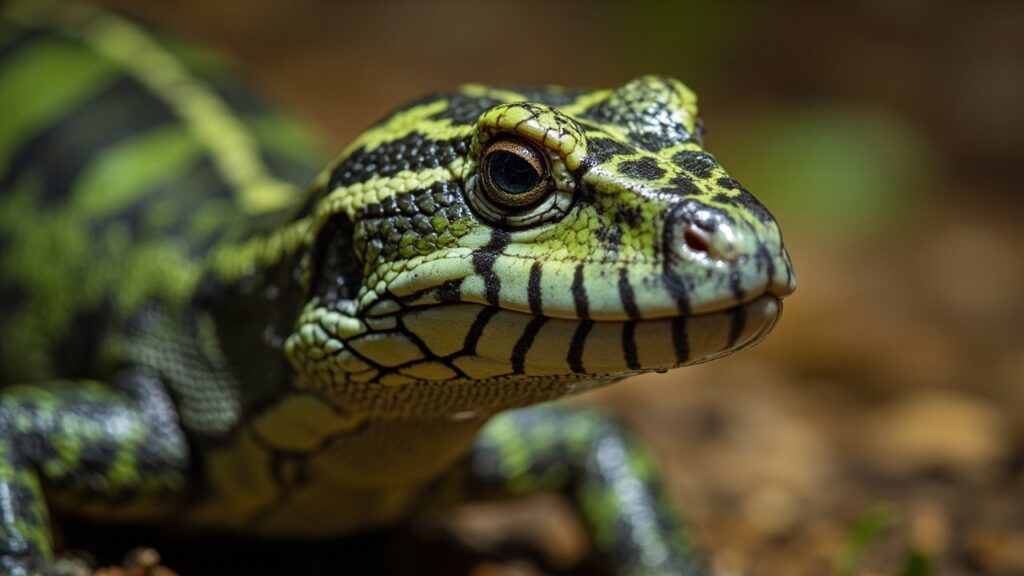
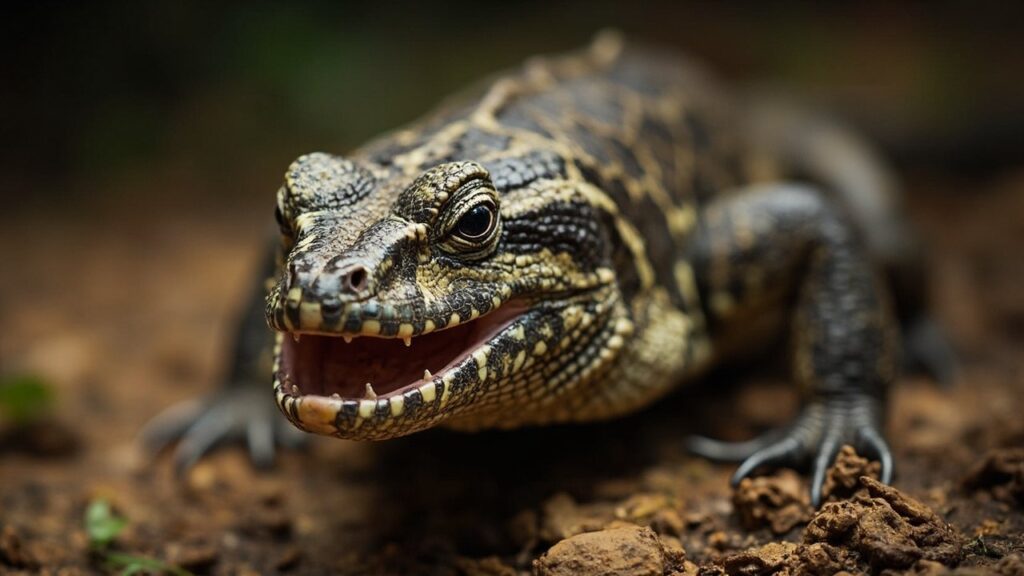
Reptiles in a Tidal Mangrove Landscape
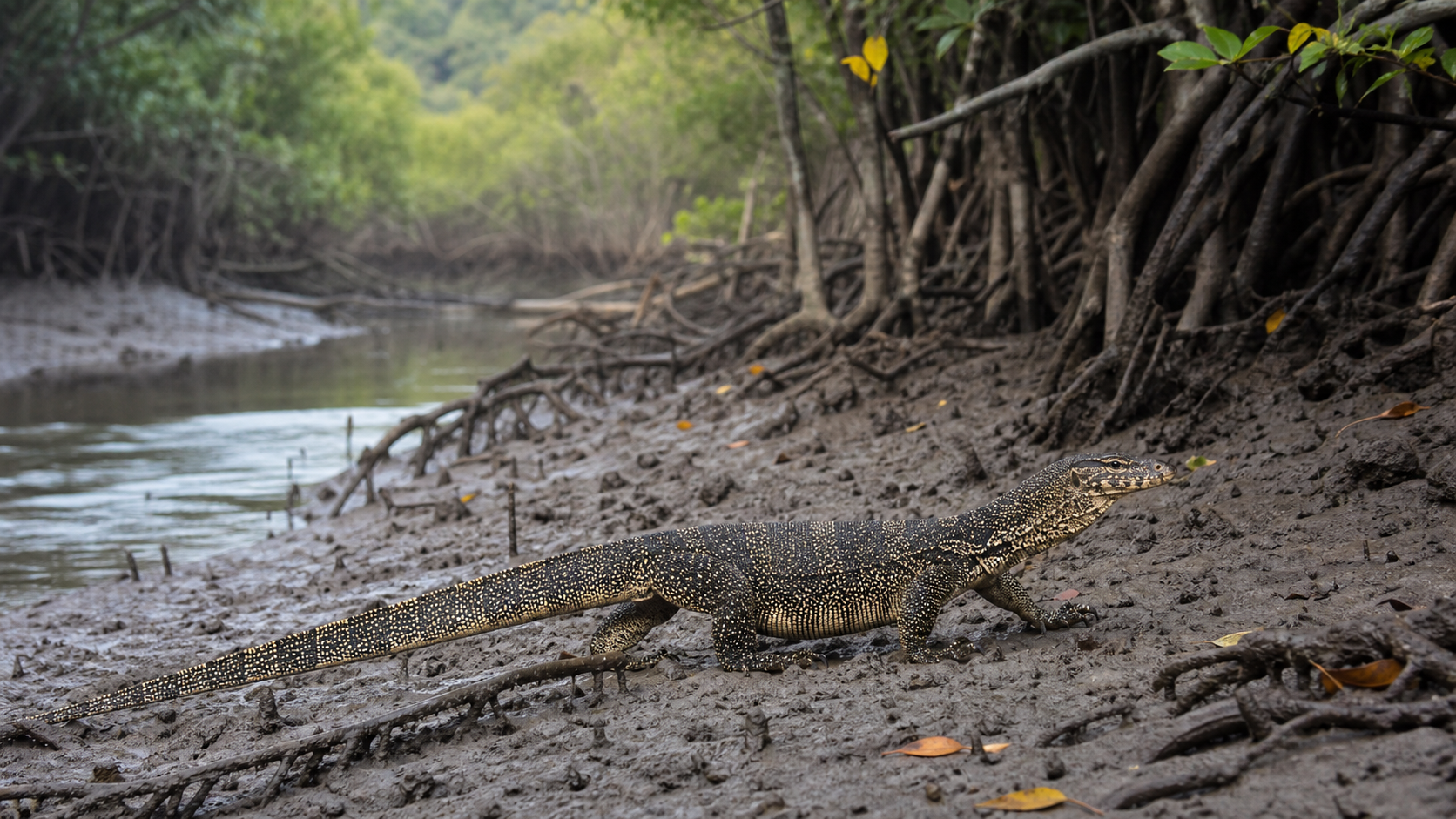
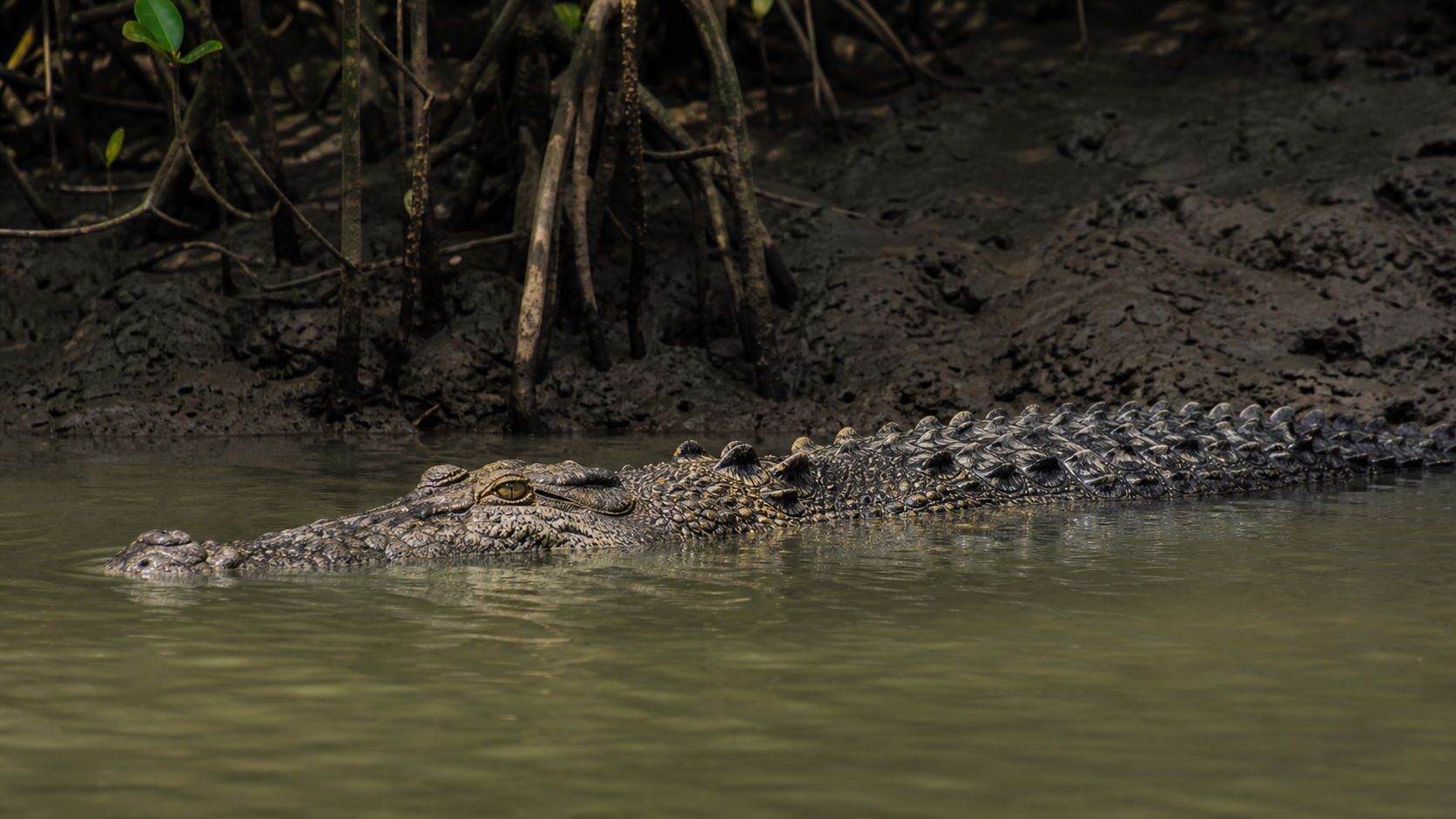
The Sundarbans support reptiles adapted to tidal channels, mudflats, mangrove forest, and freshwater-influenced waterways. Recorded species include the estuarine crocodile, northern river terrapin, water monitor, pythons, cobras, and a range of aquatic and terrestrial snakes.

Life Along a Changing Delta
Salinity, tides, sediment, river flow, and seasonal storms shape where reptiles can feed, nest, and shelter. A species that uses sandy banks may need different protection from one that depends on mangrove cover, tidal creeks, or freshwater pools.
Protect the Habitat, Not a Simplified Story
Conservation should avoid assigning every reptile a single ecosystem job. Maintaining mangrove habitat, protecting nesting areas, reducing illegal collection, improving fisheries practices, and supporting local stewardship can benefit the wider food web without overstating the role of any one species.
A Delta Shared by Fresh and Salt Water
The Sundarbans extend across Bangladesh and India at the mouth of the Ganges, Brahmaputra, and Meghna river system. Water salinity changes from place to place and through the year, as freshwater flow, tides, rain, and coastal conditions interact. A reptile recorded in a brackish tidal creek should not automatically be assumed to use interior freshwater habitat, and a species that nests on an exposed bank may be affected differently from one that shelters in mangrove roots or leaf litter.
Estuarine crocodiles, turtles, water monitors, and snakes use the landscape in different ways. Some movements are associated with tides, prey, or seasonal water levels; others depend on dry resting sites, nesting substrate, and sheltered cover. Good habitat description is therefore more useful than a broad claim that every species is simply “mangrove adapted.”
Monitoring Needs Local Detail
Reliable records identify the species, location, date, habitat conditions, and source of the observation. That detail helps distinguish a resident population from an occasional record and can reveal whether conditions are changing at a particular creek, island, or nesting bank. It also reduces the risk of applying a species account from one part of the delta to another without evidence.
Conservation Includes People and Water
Protection in the Sundarbans has to consider fishing, travel, shoreline use, forest resources, and wildlife safety alongside habitat needs. Maintaining mangrove cover, freshwater influences where they are naturally present, and undisturbed refuge or nesting areas can benefit reptiles without promising that one action will solve every threat. Locally informed monitoring and practical coexistence measures are the foundation for decisions in a tidal landscape that is always changing.
Sources and review notes
Reviewed 23 August 2026. Reptile biology is wonderfully variable. We have avoided turning one species, photograph or dramatic observation into a rule for an entire group, and we have used cautious wording where evidence or local conditions differ.
Reference starting points: The Reptile Database, The IUCN Red List of Threatened Species, and PubMed-indexed research. Conservation status, taxonomy and local laws can change, so check the linked databases and the relevant local authority for current information.
Spotted something we should revisit? Send Reptile Explorer a correction—thoughtful reader feedback is always welcome.