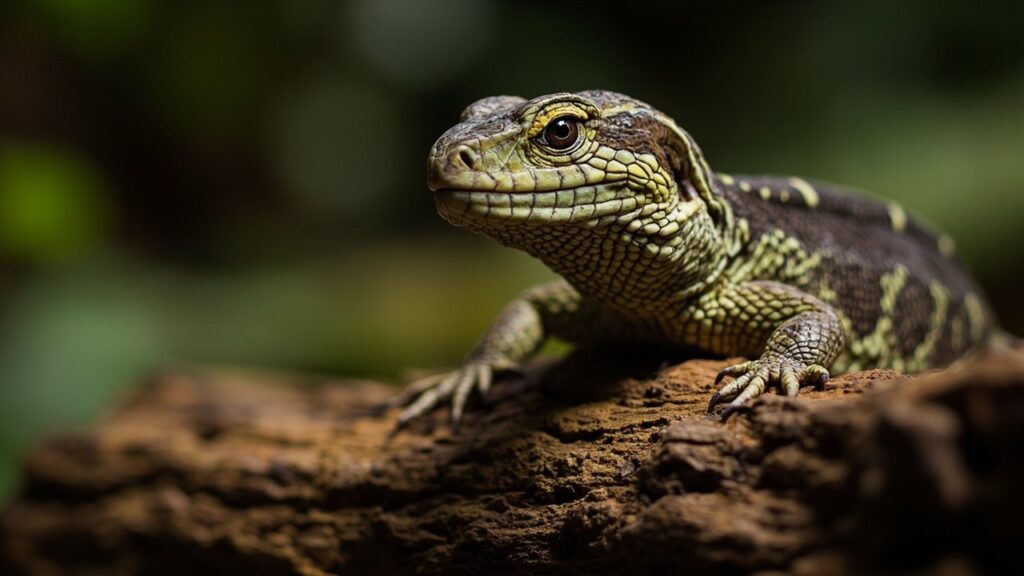
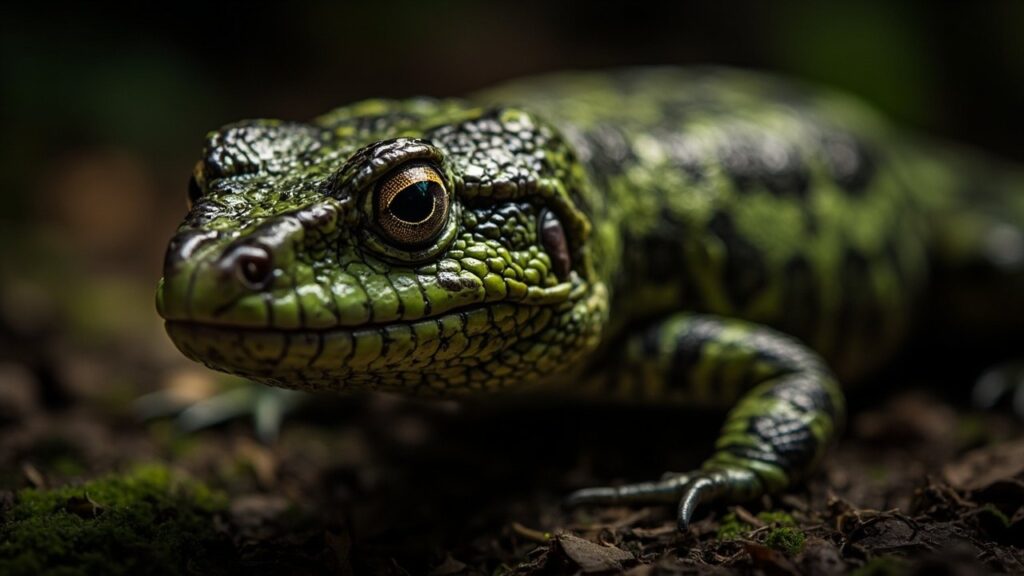
A Region of Many Reptile Habitats
Papua New Guinea includes lowland rainforest, mountain forest, rivers, swamps, mangroves, islands, and coral coasts. These habitats support a diverse reptile fauna, but the country should not be confused with the whole island of New Guinea or with neighbouring island groups.
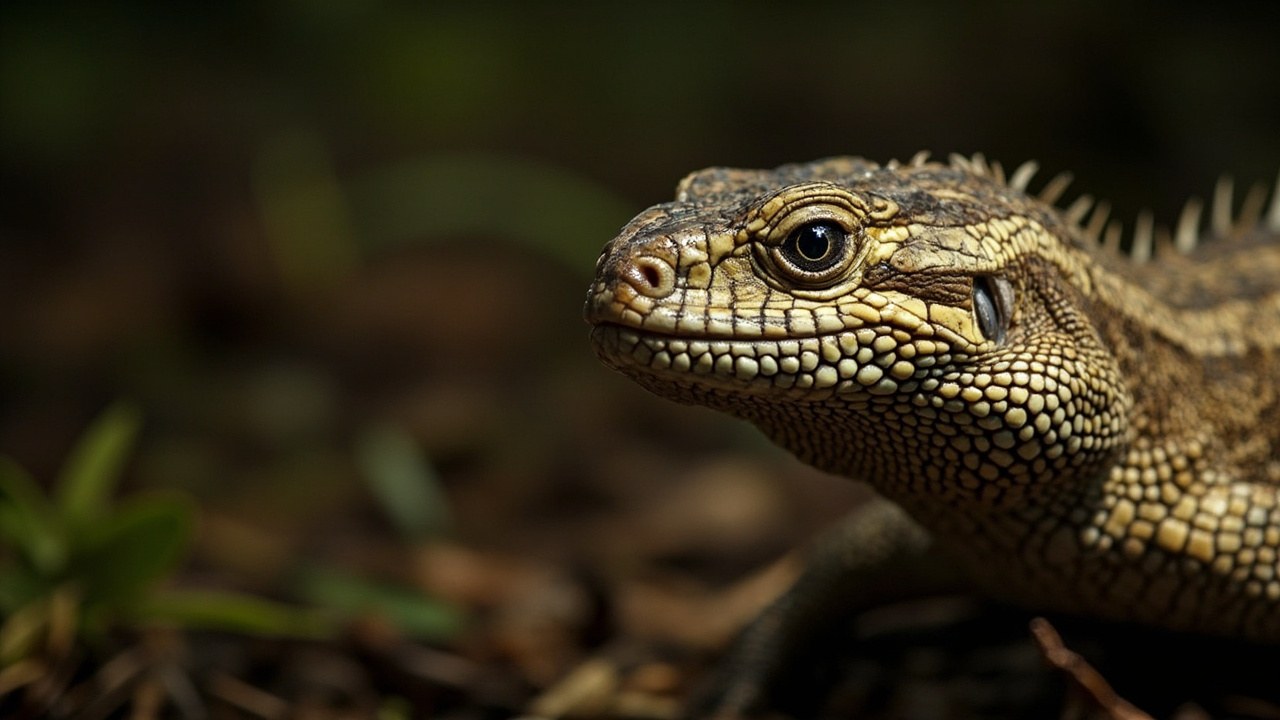
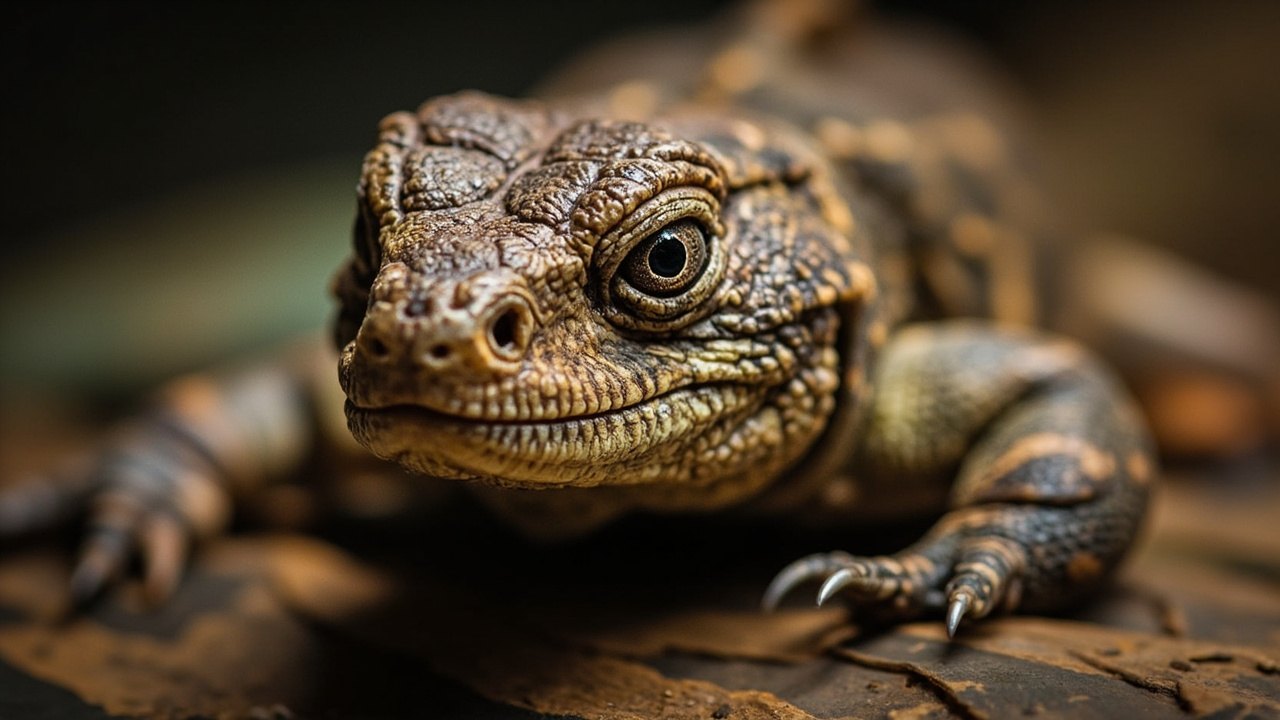
Names and Ranges Matter
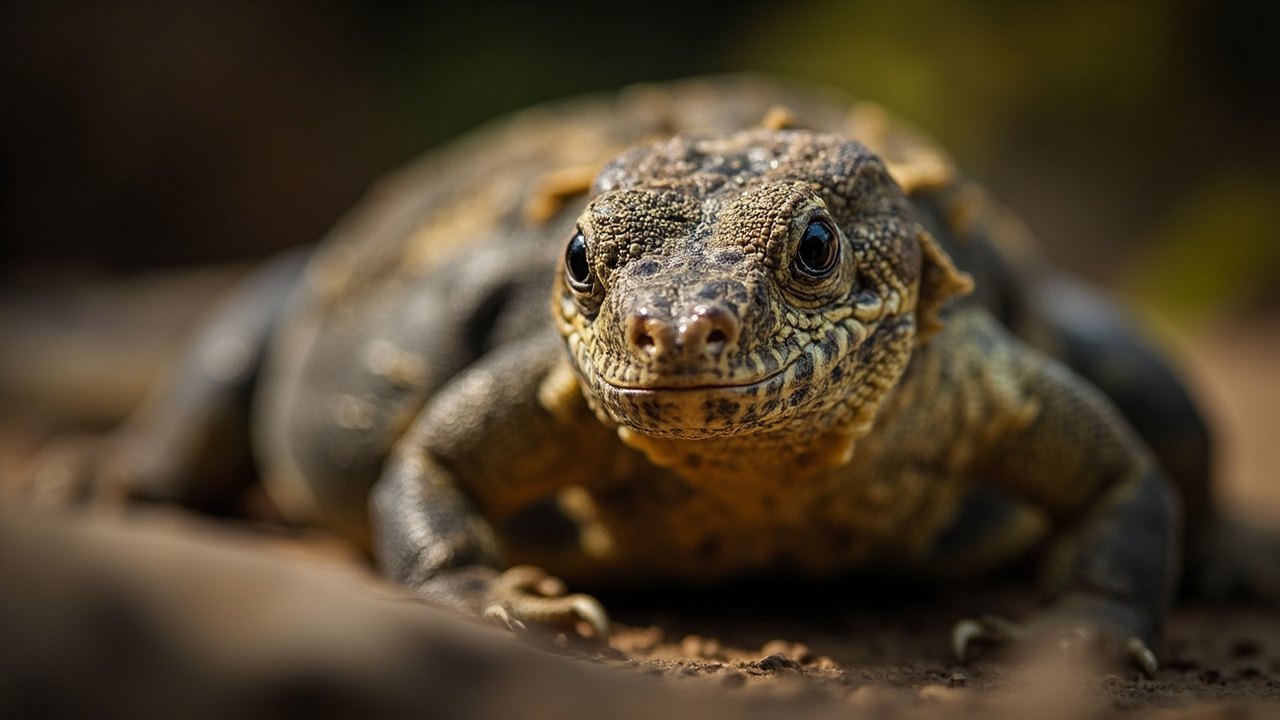
Species accounts should use precise scientific names and verified ranges. Saltwater crocodiles use coastal and tidal habitats, while New Guinea freshwater crocodiles are associated with inland wetlands and rivers. Monitors, skinks, geckos, snakes, turtles, and sea turtles each have different distributions and conservation concerns.
Knowledge Supports Protection
Much of the region remains under-surveyed, and taxonomy continues to change as new research is published. Habitat conversion, harvest, and wildlife trade can create pressure, but conservation planning works best when it begins with current records, local knowledge, and careful species identification.
One Country Contains Several Different Faunal Settings
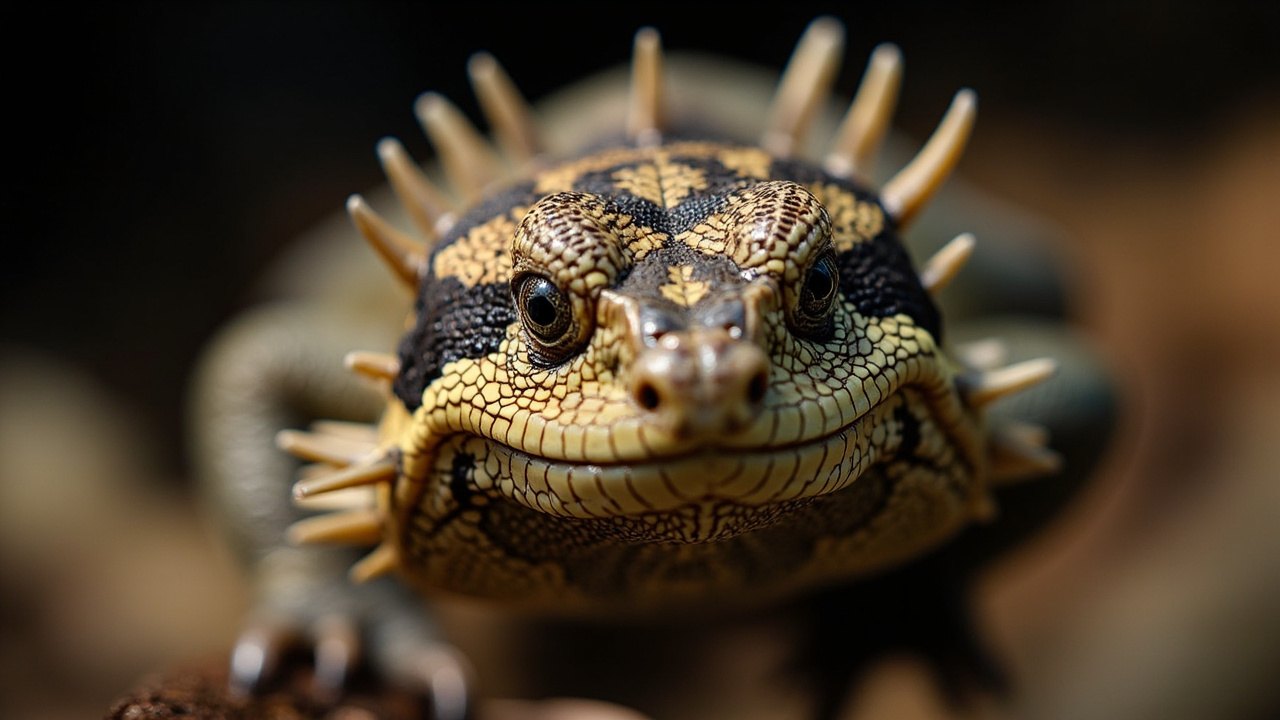
Papua New Guinea includes the eastern half of mainland New Guinea and many surrounding islands. Elevation, rainfall, river basins and coastlines create very different reptile habitats within the country. A record from a coastal mangrove does not establish that a species occurs in highland forest, and an observation from one island should not automatically be extended to another. Geographic precision is essential when discussing a fauna that includes both widespread species and narrowly distributed lineages.
Freshwater and Estuarine Reptiles Need Separate Context
The saltwater crocodile, Crocodylus porosus, can use estuaries, coastal waters and fresh water within its range. Freshwater crocodiles of the New Guinea region are more closely associated with inland wetlands and rivers, although the taxonomy of those populations has been revised. This contrast shows why a broad statement such as “crocodiles live in Papua New Guinea rivers” lacks useful ecological detail. Turtles, monitors, snakes and geckos also differ in how they use forest, rivers, swamps, shorelines and human-modified habitats.
Verified Records Improve Conservation Decisions
Species lists are most useful when they include a correct scientific name, location, date, observer and supporting evidence. Survey photographs and local ecological knowledge can be valuable, but uncertain identifications should remain provisional. Revisions to taxonomy may split or combine names as evidence changes. Keeping records transparent allows conservation planners to distinguish confirmed ranges from gaps in knowledge and to direct field work toward the habitats that need better information.
Sources and review notes
Reviewed 23 August 2026. Reptile biology is wonderfully variable. We have avoided turning one species, photograph or dramatic observation into a rule for an entire group, and we have used cautious wording where evidence or local conditions differ.
Reference starting points: The Reptile Database, The IUCN Red List of Threatened Species, and PubMed-indexed research. Conservation status, taxonomy and local laws can change, so check the linked databases and the relevant local authority for current information.
Spotted something we should revisit? Send Reptile Explorer a correction—thoughtful reader feedback is always welcome.