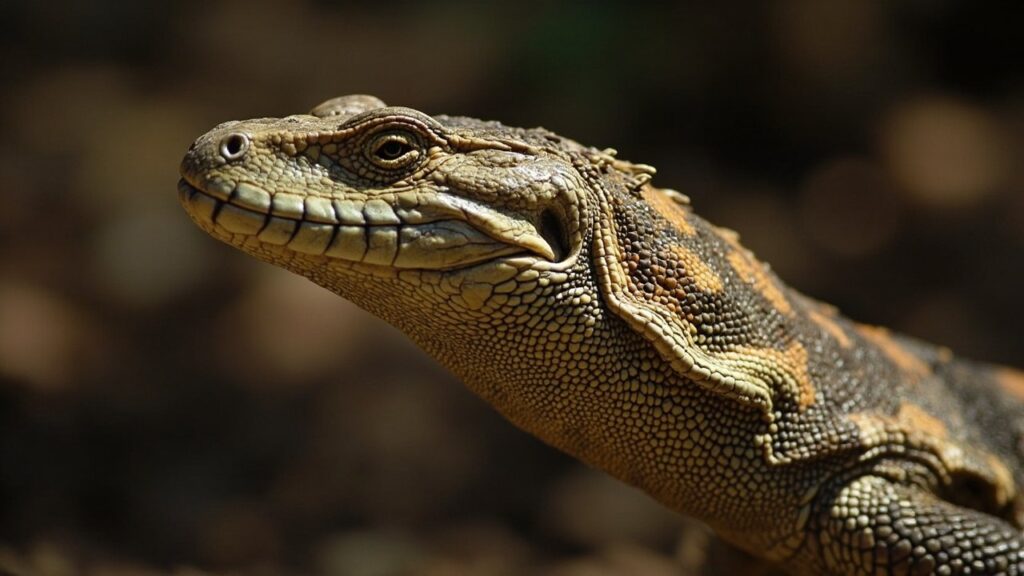
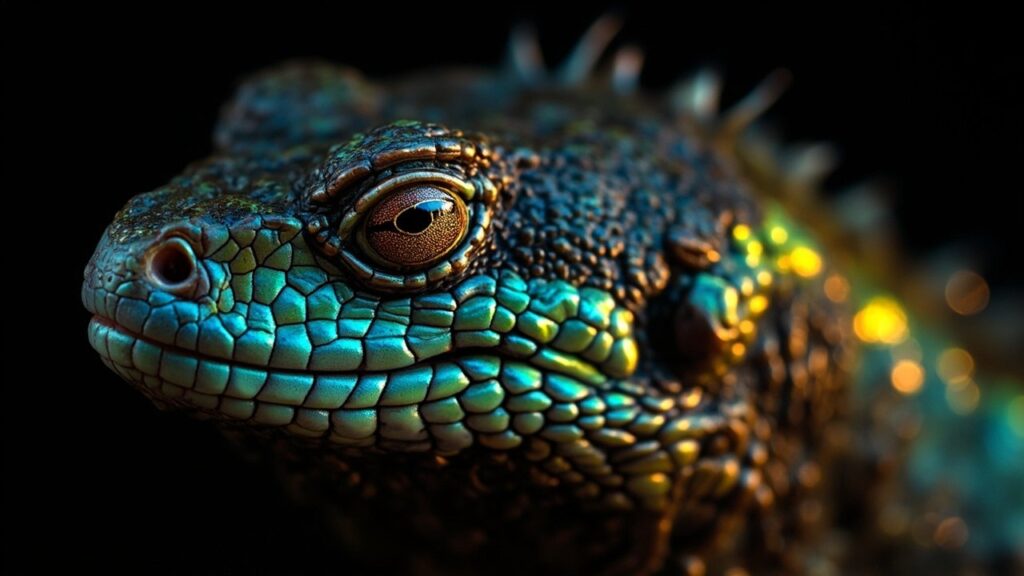
An Amphibian With Unusual Regenerative Capacity
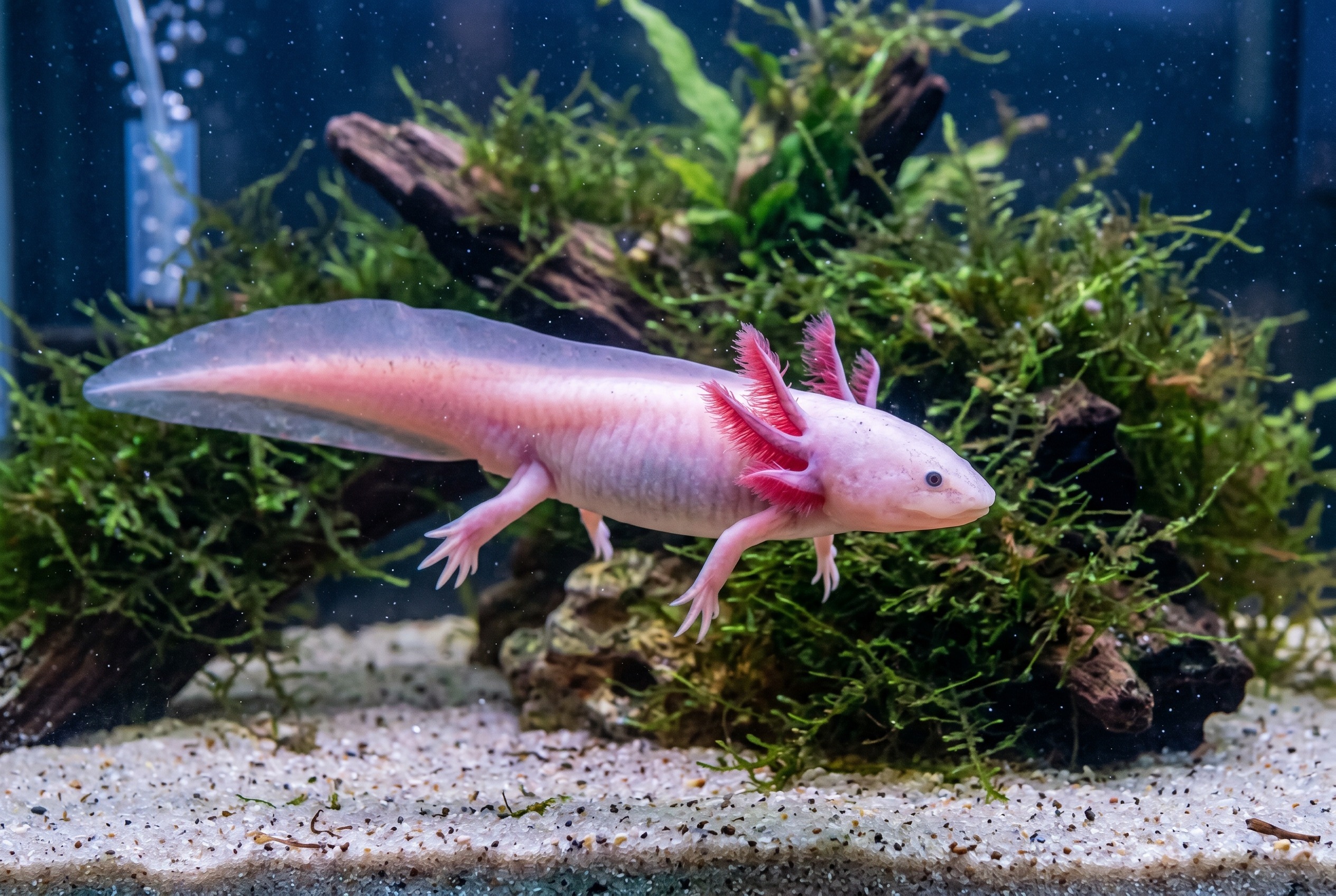
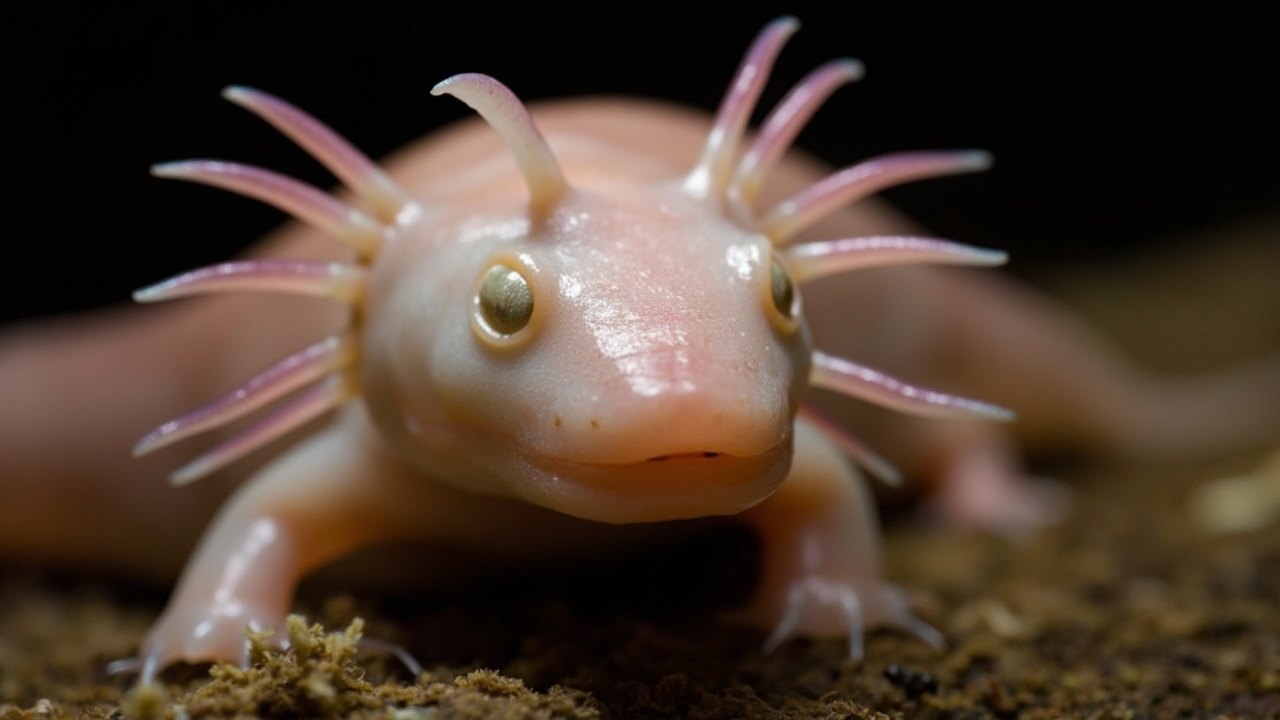
The axolotl (Ambystoma mexicanum) is an aquatic salamander, not a reptile. Native to the Xochimilco lake-and-canal system in Mexico, it is widely studied because it can regenerate complex structures after injury. Wild axolotls are listed as Critically Endangered on the IUCN Red List, and their remaining natural habitat requires protection.

How Regeneration Begins
After a limb injury, specialised skin covers the wound and a blastema forms beneath it. This temporary structure contains cells, signals, nerves and immune cells that coordinate rebuilding. Macrophages are important to the process: experiments show that disrupting their early activity can interfere with regeneration and promote scarring.
Why the Research Matters
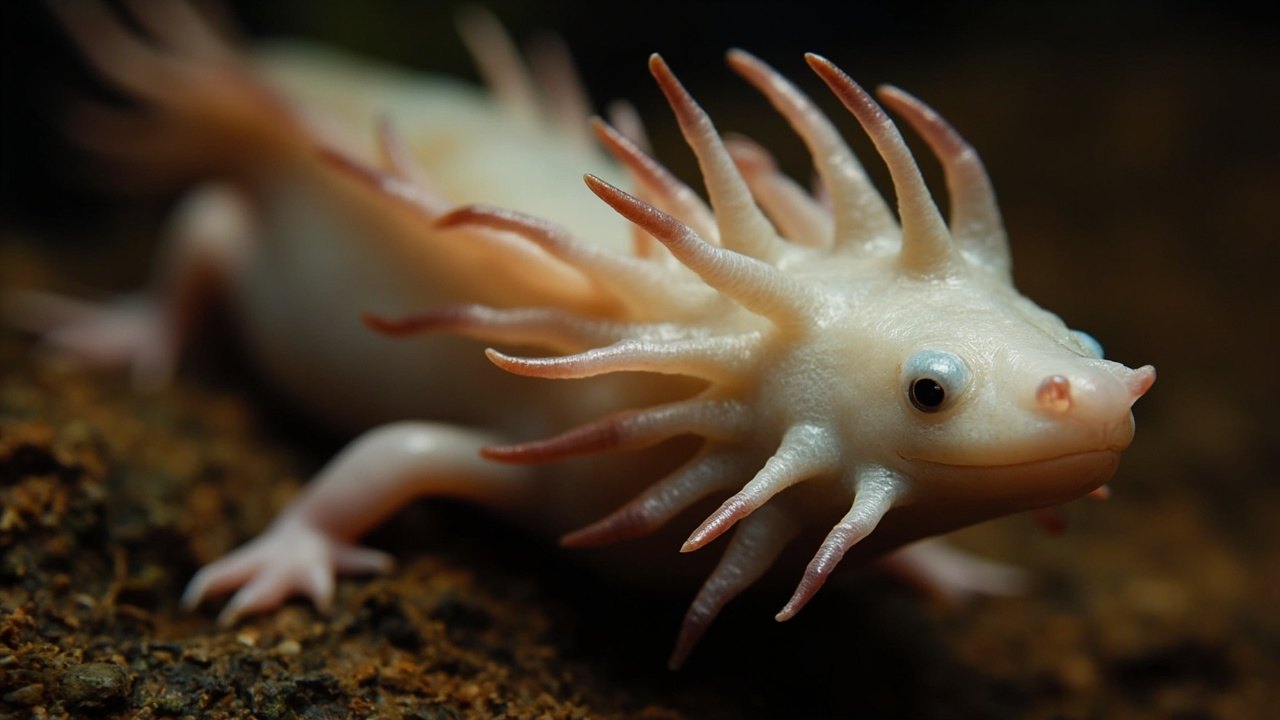
Axolotls can regenerate limbs and portions of structures such as the spinal cord and heart in experimental settings. This makes them useful models for developmental and regenerative biology, not a ready-made blueprint for human treatment. Medical applications require careful work across many species, tissues and safety questions.
Regeneration Follows Coordinated Stages
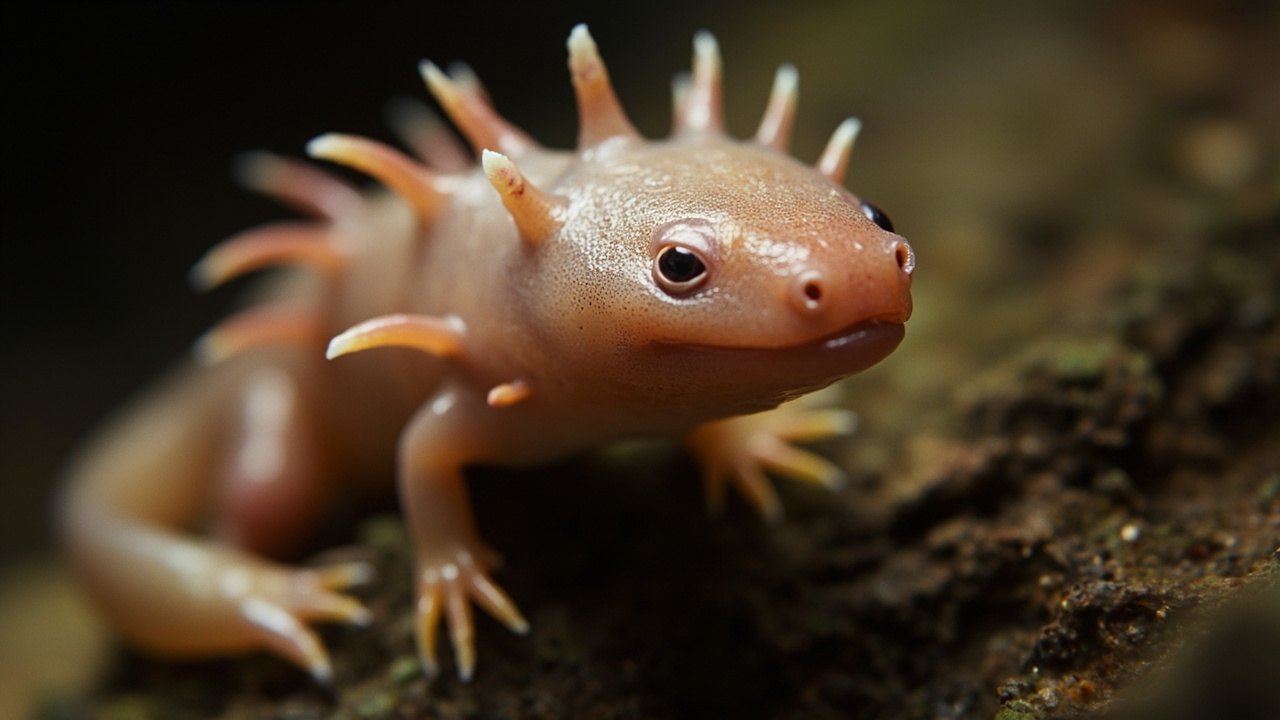
The axolotl, Ambystoma mexicanum, is an amphibian rather than a reptile and has become a major model for regeneration research. After limb injury, a wound epidermis forms and a blastema develops beneath it. Cells, nerves, immune responses, connective tissue and positional signals all contribute to rebuilding the missing structure. This is not a simple process in which one cell type produces an entire new limb without instruction from surrounding tissues.
Research Findings Need Careful Limits
Axolotl studies help scientists investigate how tissues close wounds, grow, organise themselves and reconnect after injury. The animal’s regenerative ability does not mean that an equivalent human treatment already exists. Human tissues, immune responses, body size and injury conditions differ substantially from those of an axolotl in a controlled laboratory study. A responsible article should distinguish a research finding from a clinical treatment claim.
Laboratory Animals and Wild Axolotls Are Linked by One Species
Captive research colonies make repeatable experiments possible, while wild axolotls remain tied to the Xochimilco wetland system near Mexico City. Conservation and laboratory research answer different questions, but both require accurate species identification and responsible animal care. Clear reporting of methods, life stage, tissue studied and limits on interpretation makes regeneration research more useful to readers.
Sources and review notes
Reviewed 23 August 2026. Care works best when it starts with the exact species in front of you. We checked this article against current veterinary husbandry guidance, but measured enclosure conditions and a reptile-experienced veterinarian should guide decisions for an individual animal.
Reference starting points: Merck Veterinary Manual: reptile management and husbandry, CDC: healthy handling around reptiles and amphibians, and The Reptile Database. Conservation status, taxonomy and local laws can change, so check the linked databases and the relevant local authority for current information.
Spotted something we should revisit? Send Reptile Explorer a correction—thoughtful reader feedback is always welcome.