Colour Made by Structure
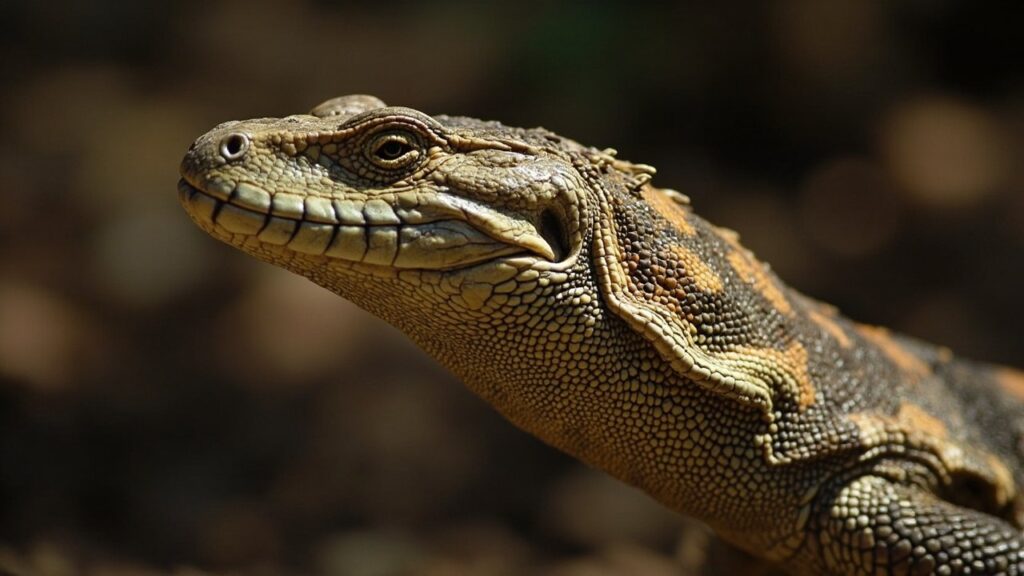
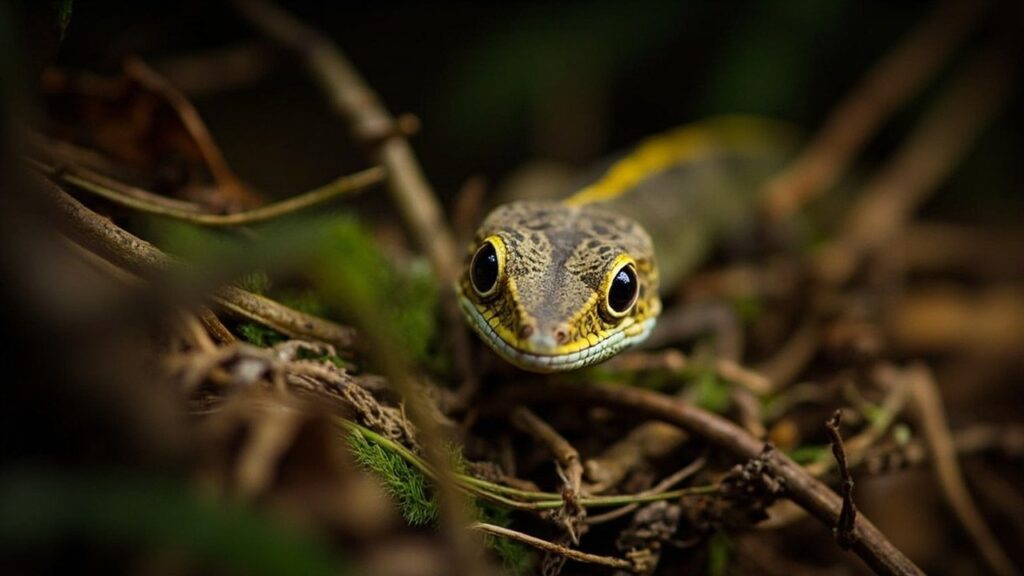
Iridescence is colour that changes with the angle of light or the viewer. It is often produced by microscopic structures that reflect and interfere with light rather than by pigment alone. The effect can make the scales of a sunbeam snake or rainbow boa appear to flash through several colours in direct light, even though the animal is not changing pigment from one moment to the next.

Not Every Shiny Scale Is the Same
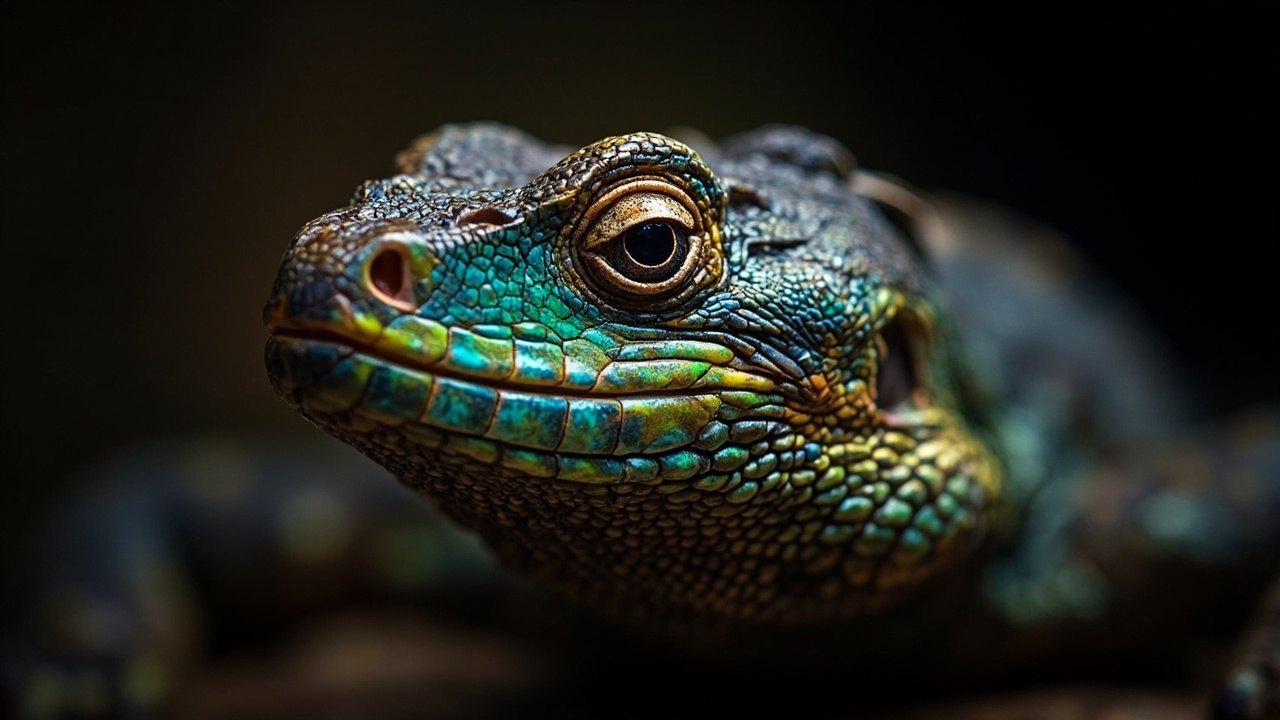
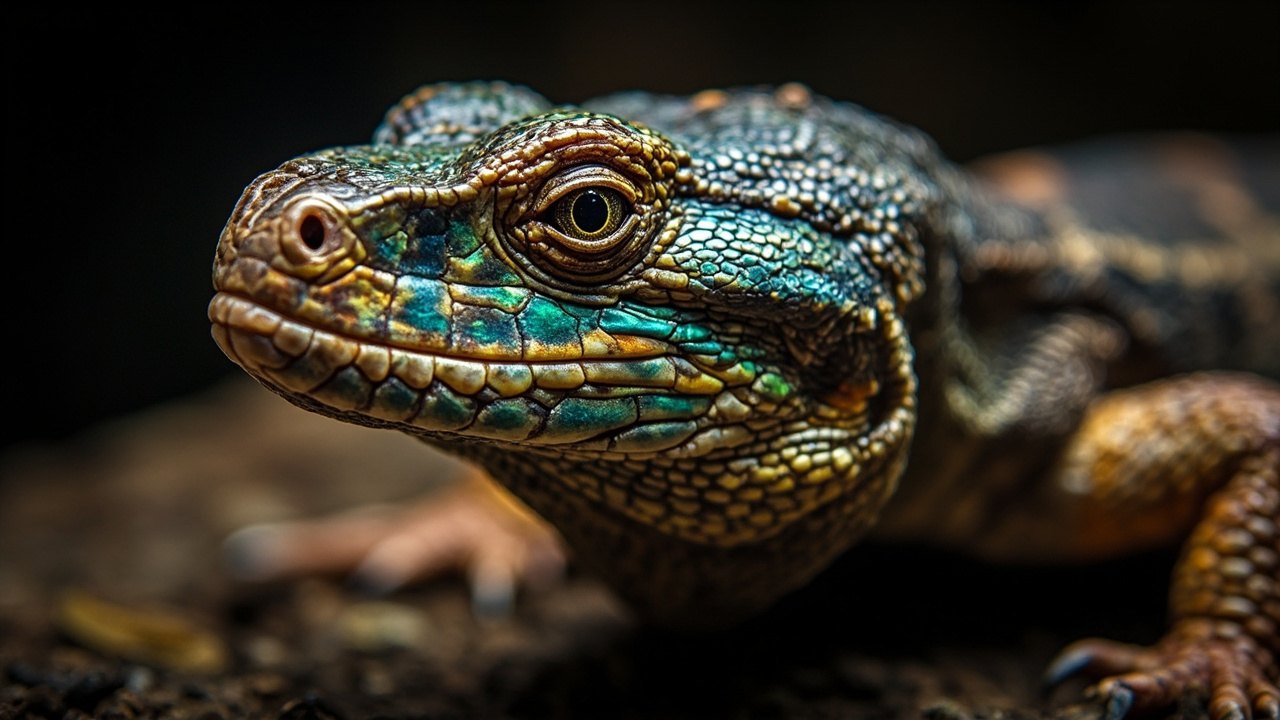
Reptile skin includes a range of microscopic surface features and internal reflective cells. In snakes, scale nanostructures can influence sheen, water repellence and, in some species, structural iridescence. Chameleons use specialised iridophores within the skin for some colour effects. It is inaccurate to say that every reptile scale contains the same crystals or creates colour by the same process.
Function Must Be Tested Species by Species
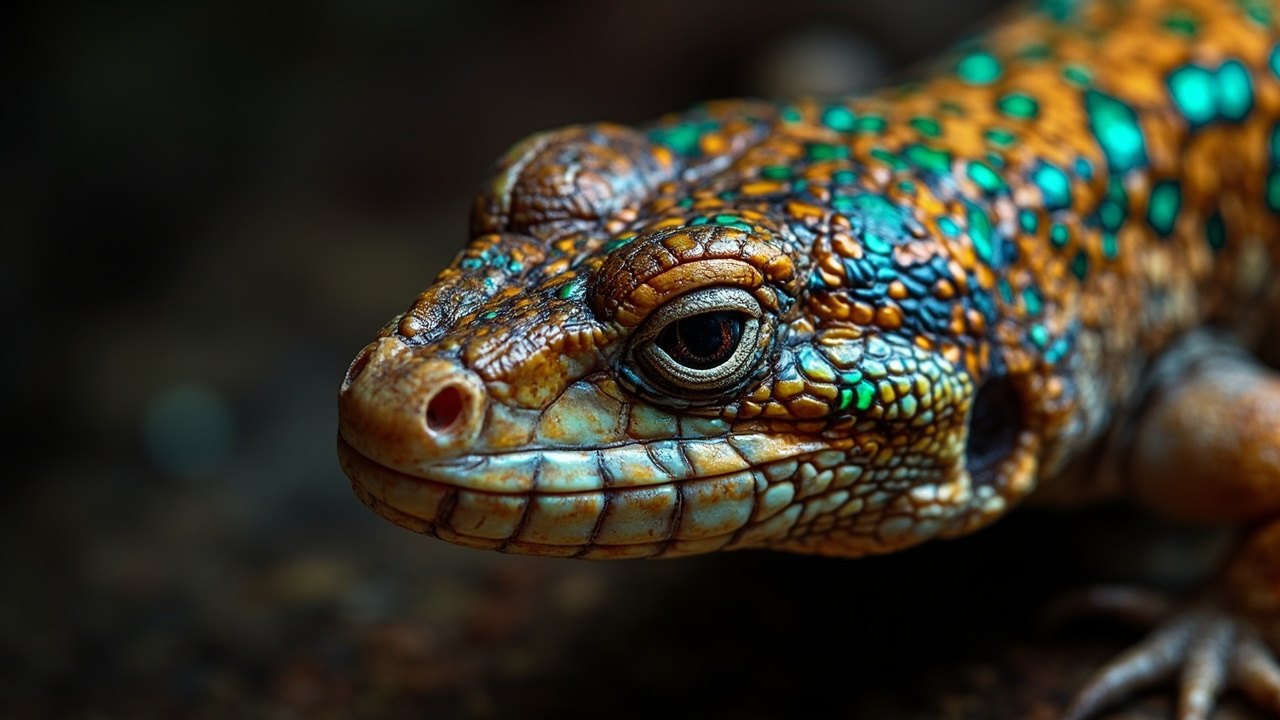
Structural colour may affect camouflage, signalling or heat exchange, but a plausible function is not proof of one. The visual systems of predators, prey and mates differ from our own, and the effect changes with light angle and habitat. Iridescence is striking to observe, yet it should not encourage collecting wild reptiles or handling them for a closer view.
Angle Changes the Colour Seen
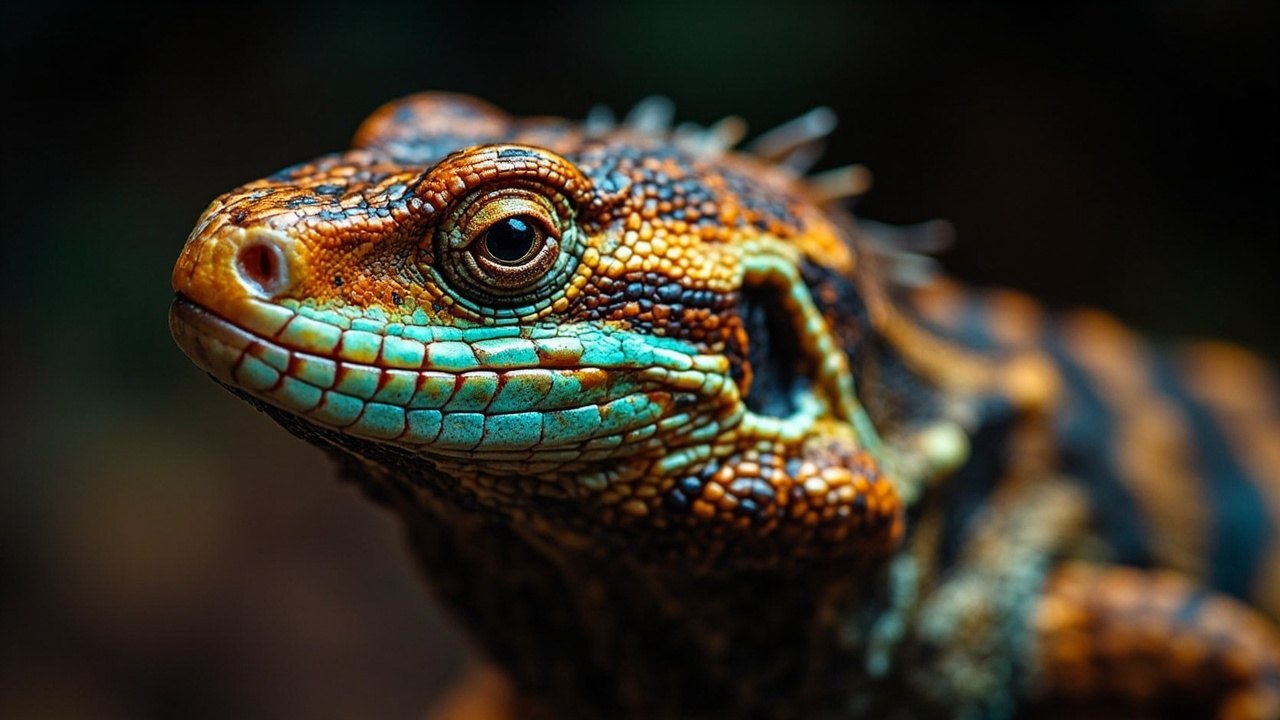
Structural colour arises when microscopic structures reflect and interfere with light. The observer’s position, light source and surface angle can change the colours that are visible. A sunbeam snake or rainbow boa may look dark in diffuse light and highly iridescent in a bright, angled beam without changing pigment.
Photographs can amplify or reduce the effect through flash, exposure and colour processing. An image is useful when it identifies the species and lighting conditions, but it should not be used as proof that every individual always looks the same or that the animal is a different colour form.
Sheen and Iridescence Are Not Identical
Many reptile scales reflect light, but not every glossy surface produces structural iridescence. Surface nanostructures, internal cells and pigment layers can contribute in different ways. The mechanism and possible biological function need to be tested for the species rather than inferred from a striking appearance.
Beauty Does Not Justify Handling
Do not collect, reposition or repeatedly shine lights on a wild reptile to reveal its colours. Keeping distance protects the animal and lets observations remain connected to its natural setting.
Sources and review notes
Reviewed 23 August 2026. Reptile biology is wonderfully variable. We have avoided turning one species, photograph or dramatic observation into a rule for an entire group, and we have used cautious wording where evidence or local conditions differ.
Reference starting points: The Reptile Database, The IUCN Red List of Threatened Species, and PubMed-indexed research. Conservation status, taxonomy and local laws can change, so check the linked databases and the relevant local authority for current information.
Spotted something we should revisit? Send Reptile Explorer a correction—thoughtful reader feedback is always welcome.