Size depends on how it is measured
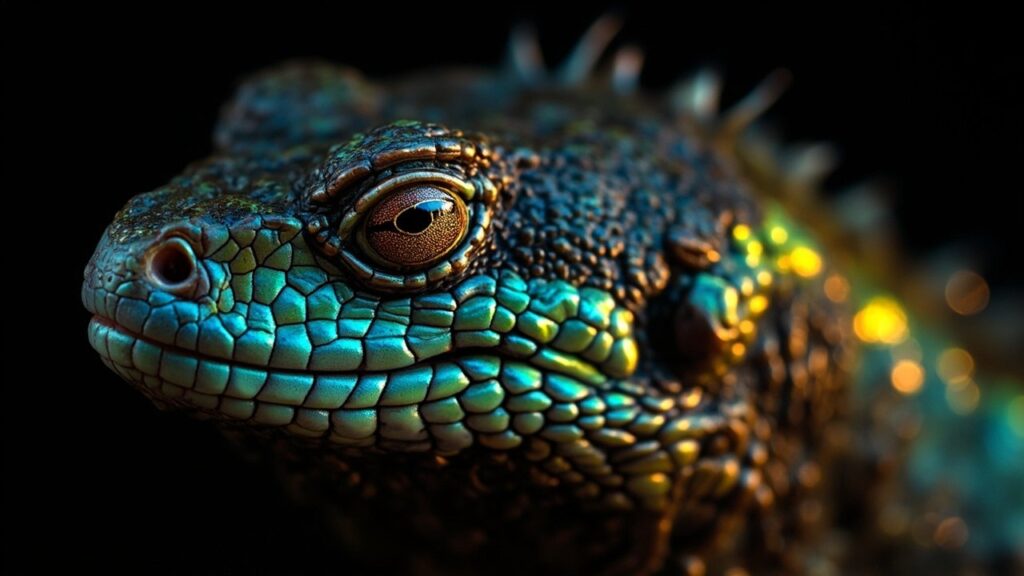
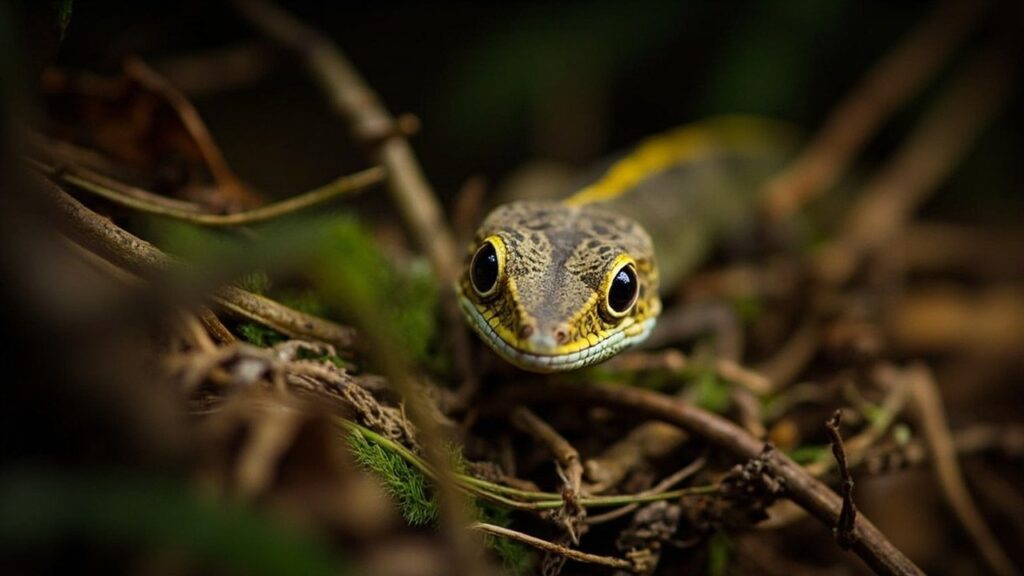
The saltwater crocodile, Crocodylus porosus, is the largest living reptile by mass. Large males can grow several metres long, while females are much smaller. Reliable measurements matter because dramatic claims based on estimates, photographs, or old stories are often repeated without evidence. Any large crocodilian is dangerous and should be viewed from a substantial distance.
Different groups hold different records
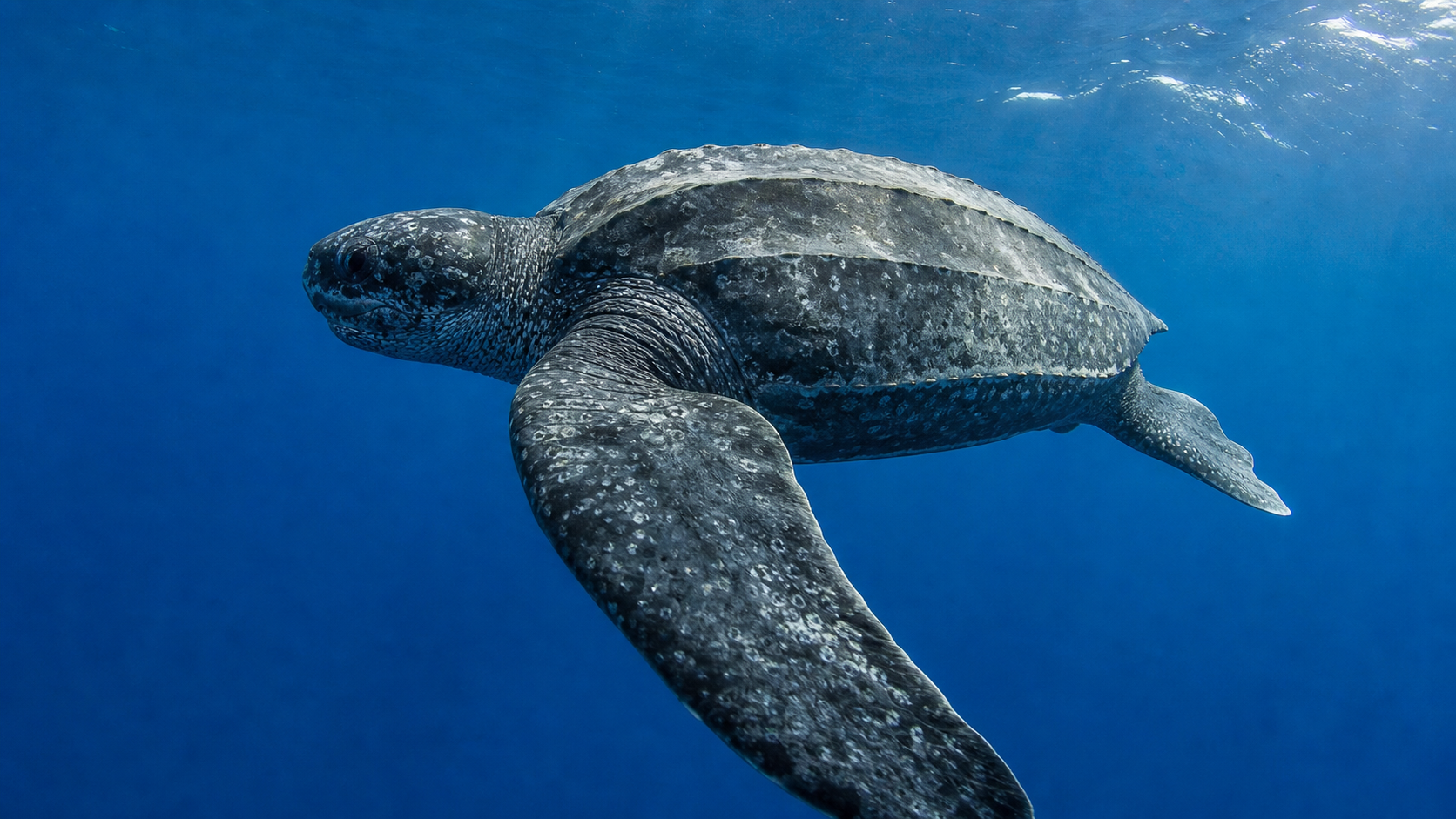
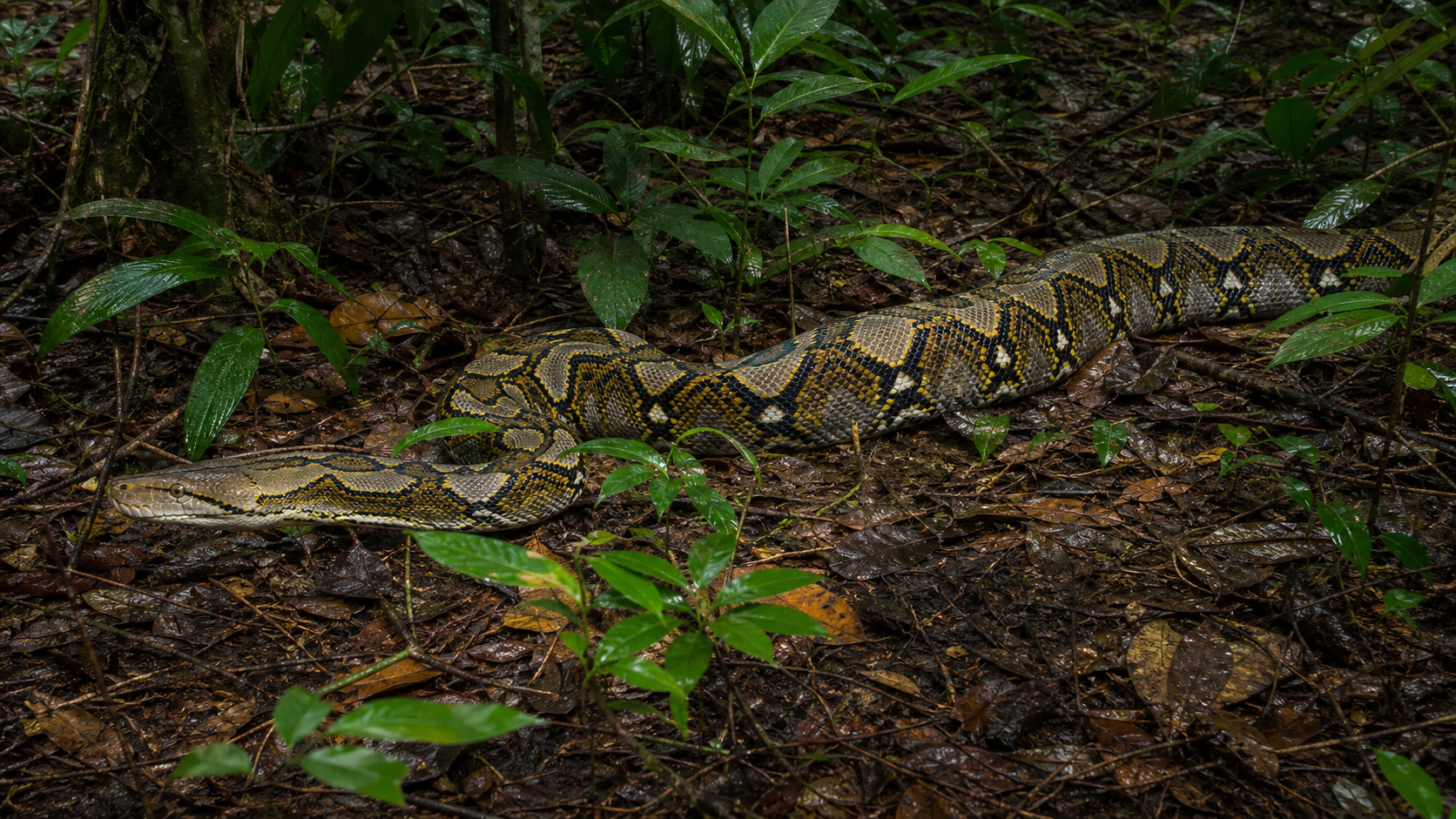
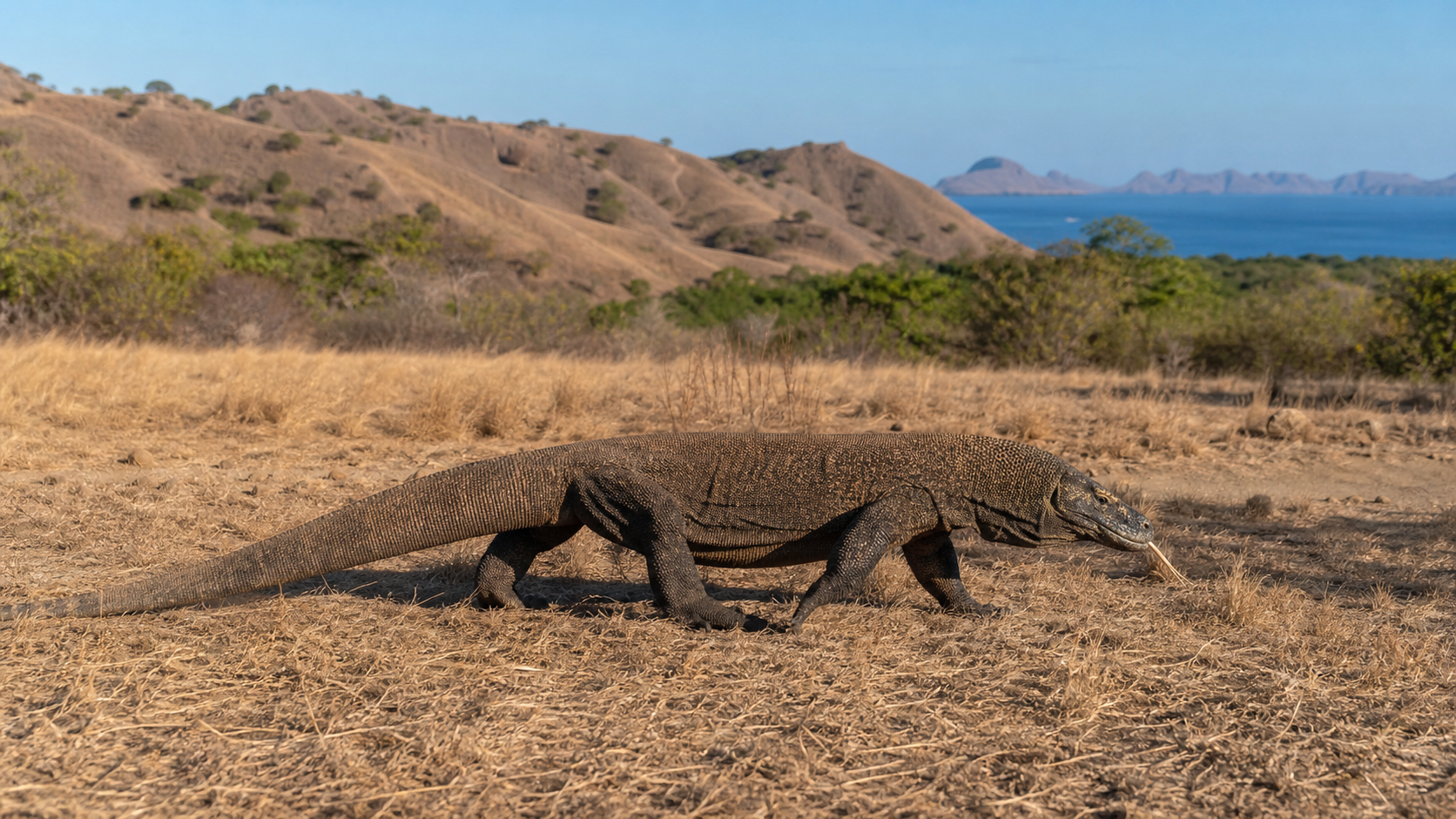
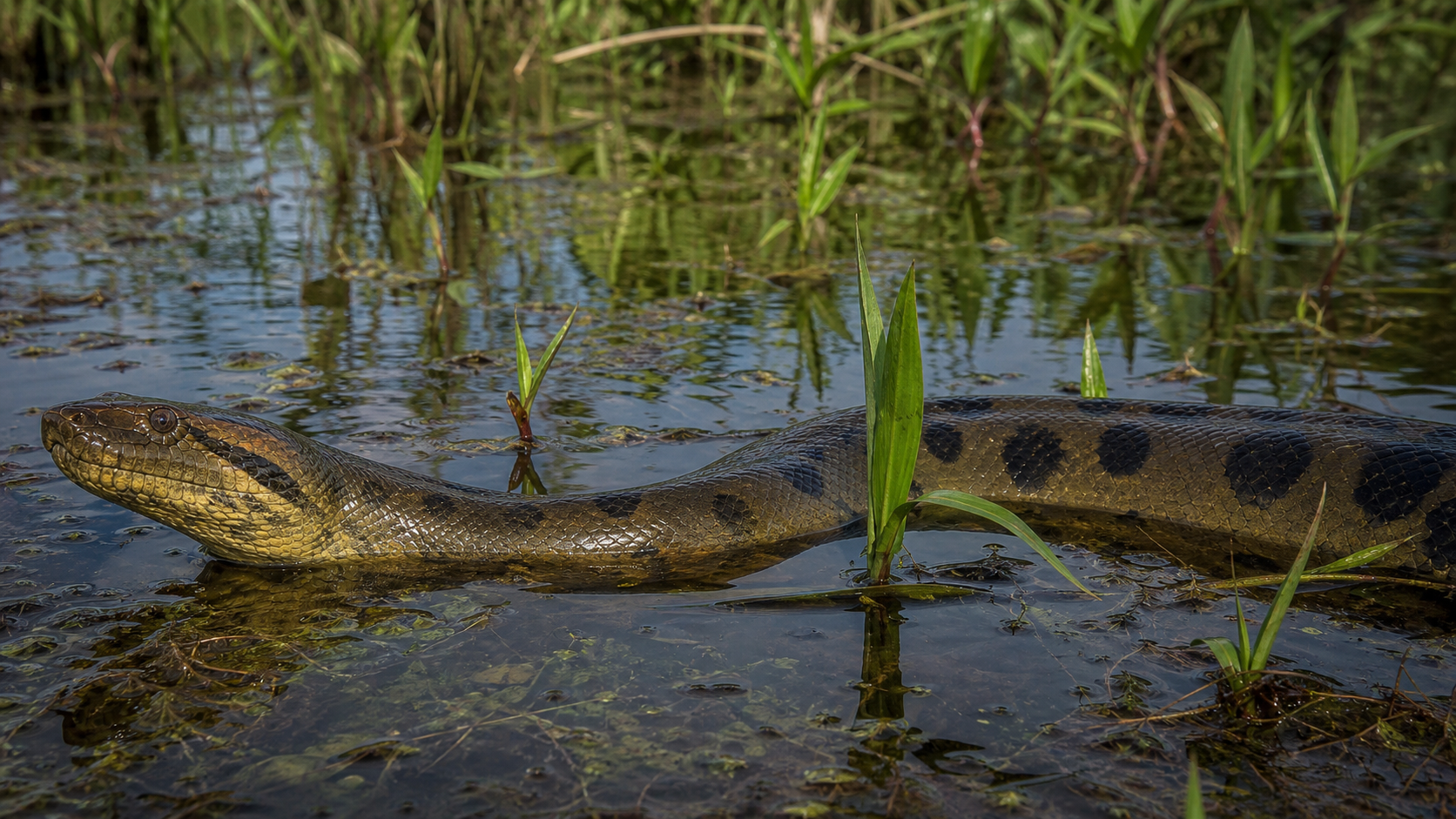
The leatherback sea turtle is the largest living turtle. The reticulated python is generally regarded as the longest snake species, while green anacondas are the heaviest snakes. The Komodo dragon is the largest living lizard. These records describe different measures and body forms, so they should not be collapsed into a single simple ranking.
Large reptiles need large, connected habitats
Giant reptiles are shaped by rivers, coasts, forests, nesting beaches, and prey populations. Their size does not make them invulnerable. Fishing gear, habitat loss, persecution, and illegal collection can threaten them, while people face real risks where large crocodilians live. Respecting wildlife rules and giving animals space protects both people and the species that share those landscapes.
Length, Mass and Body Shape Answer Different Questions
Length is useful for comparing long-bodied snakes, while mass may better show the bulk of a large crocodilian, turtle or anaconda. Reported records should say how an animal was measured and whether the number came from a direct measurement rather than an estimate. Sex and age matter because adult females and males can differ greatly in size.
The largest living reptile is not necessarily the longest animal in every category. Saltwater crocodiles, leatherback turtles, reticulated pythons, green anacondas and Komodo dragons represent different lineages and body plans. A comparison is clearer when it states the group and the measure rather than using a single dramatic superlative.
Large Bodies Depend on Long-Term Habitat Quality
Many of the largest reptiles mature slowly and need extensive habitat through different stages of life. A sea turtle needs feeding areas and nesting beaches, a crocodilian needs water and safe banks, and a large snake needs prey and cover. Losing one part of that system can affect survival even when adults remain visible.
Respect Size Without Seeking a Close Encounter
Large reptiles can cause serious harm when people crowd, feed or try to move them. Follow local wildlife advice, keep pets away from waterways and never rely on a photograph or internet story to judge risk. Distance protects people and leaves the animal free to move normally.
Sources and review notes
Reviewed 23 August 2026. Reptile biology is wonderfully variable. We have avoided turning one species, photograph or dramatic observation into a rule for an entire group, and we have used cautious wording where evidence or local conditions differ.
Reference starting points: The Reptile Database, The IUCN Red List of Threatened Species, and PubMed-indexed research. Conservation status, taxonomy and local laws can change, so check the linked databases and the relevant local authority for current information.
Spotted something we should revisit? Send Reptile Explorer a correction—thoughtful reader feedback is always welcome.