
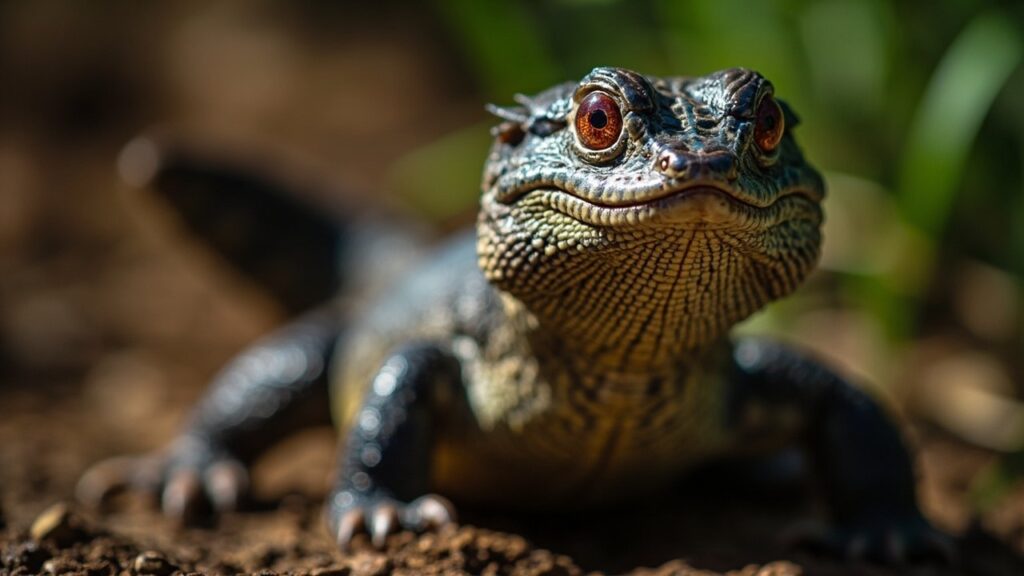
Red-Eyed Crocodile Skinks: A Dragon-Like Look
Red-eyed crocodile skinks have strongly keeled scales and orange markings around the eyes, producing a heavily textured appearance.
Red-eyed crocodile skinks have strongly keeled scales and orange markings around the eyes, producing a heavily textured appearance.
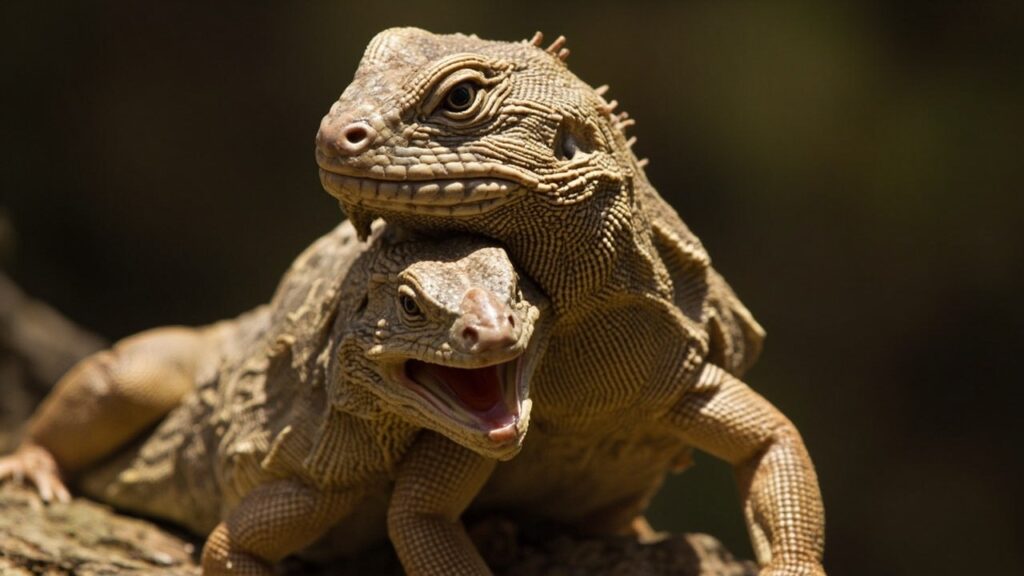
Armadillo girdled lizards may curl into a ring and grip the tail when threatened, shielding the softer underside with armoured scales.
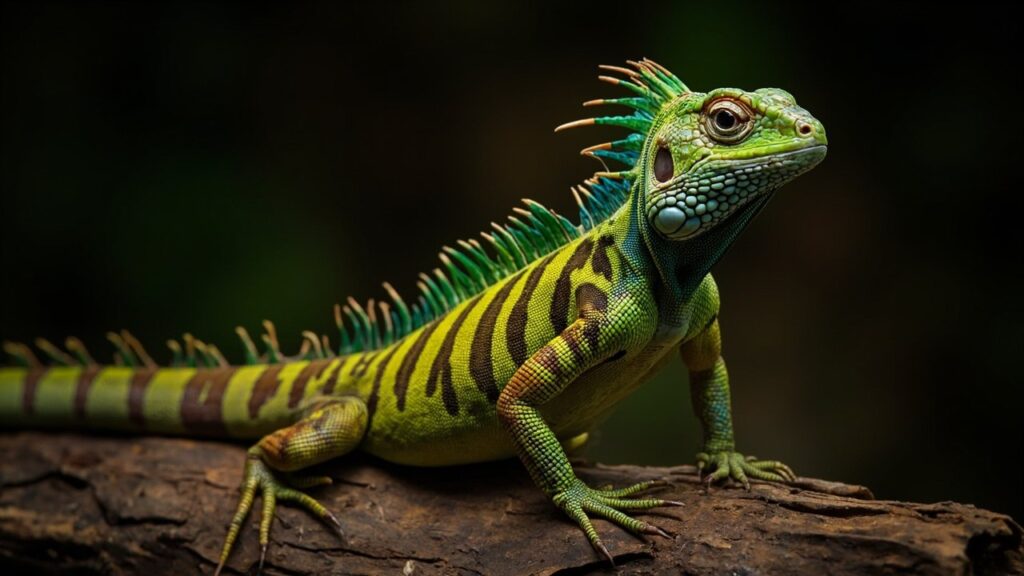
Plumed basilisks can run short distances across water using rapid hind-limb strokes and specialized feet before switching to swimming.
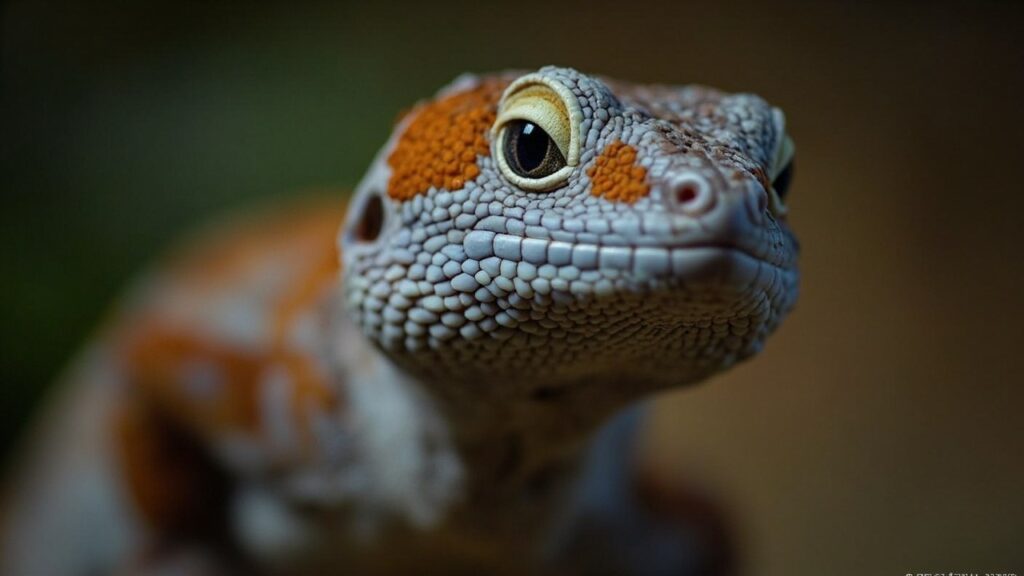
Tokay geckos use loud calls in territorial and reproductive contexts. Call structure and response vary with sex, setting and individual.
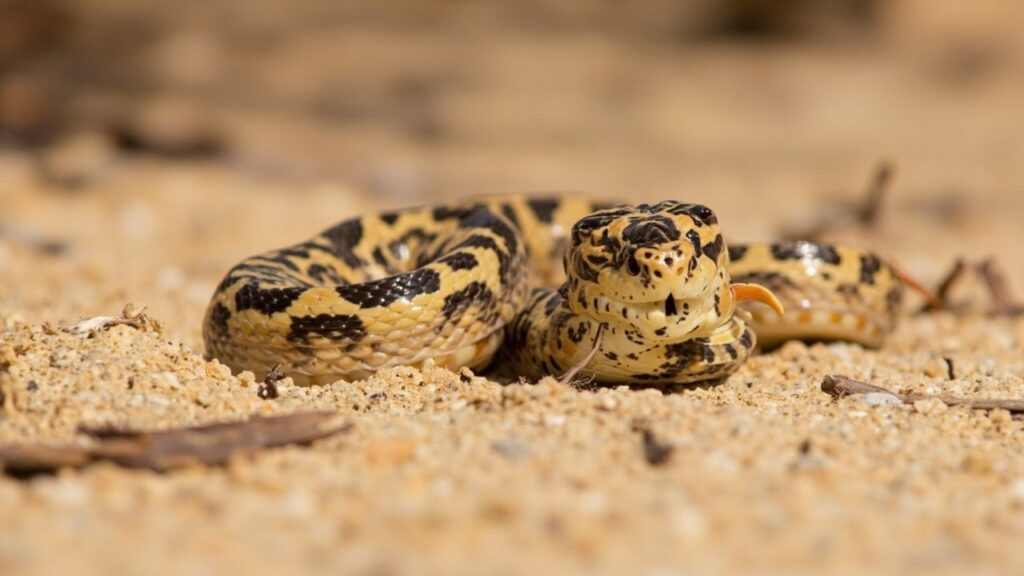
Desert horned vipers use sidewinding to cross loose sand and may partly bury themselves while waiting for prey. Their venom is medically significant.
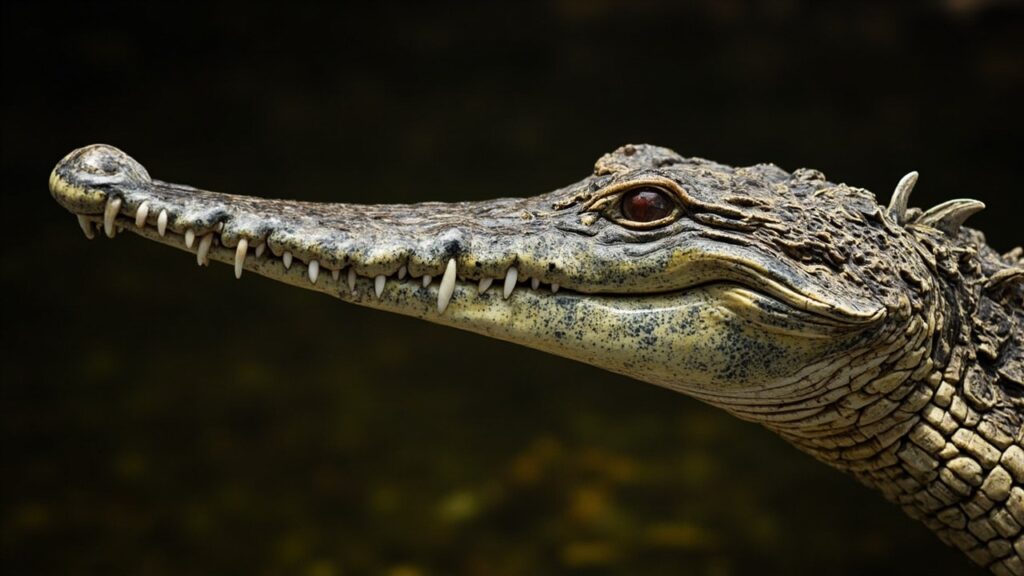
Gharials have a long, narrow snout suited to catching fish. Wild populations depend on large, connected rivers with suitable sandbanks.
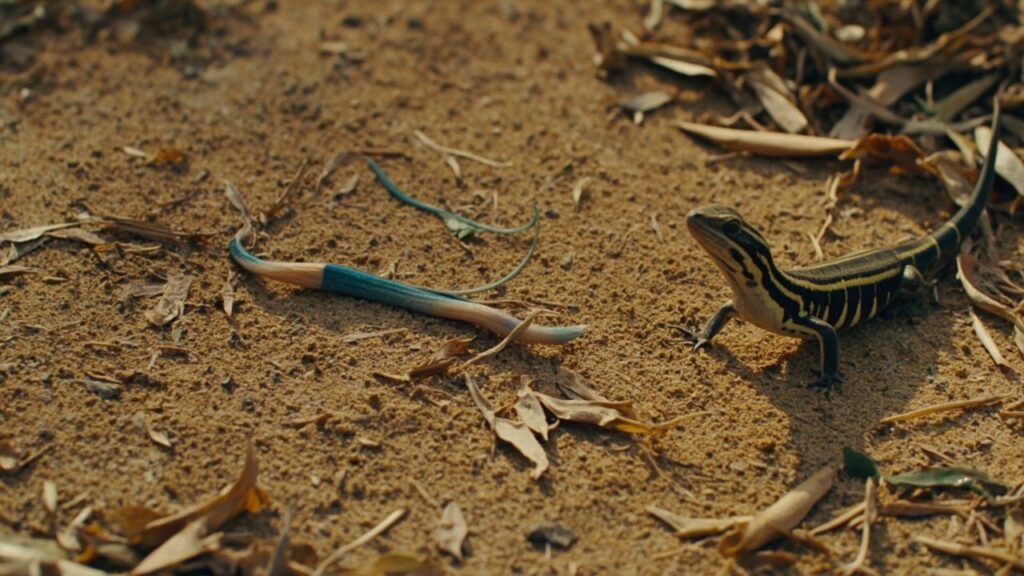
Many skinks can shed part of the tail to escape a predator. Regrowth produces a structurally different tail and carries costs for energy, movement and reproduction.
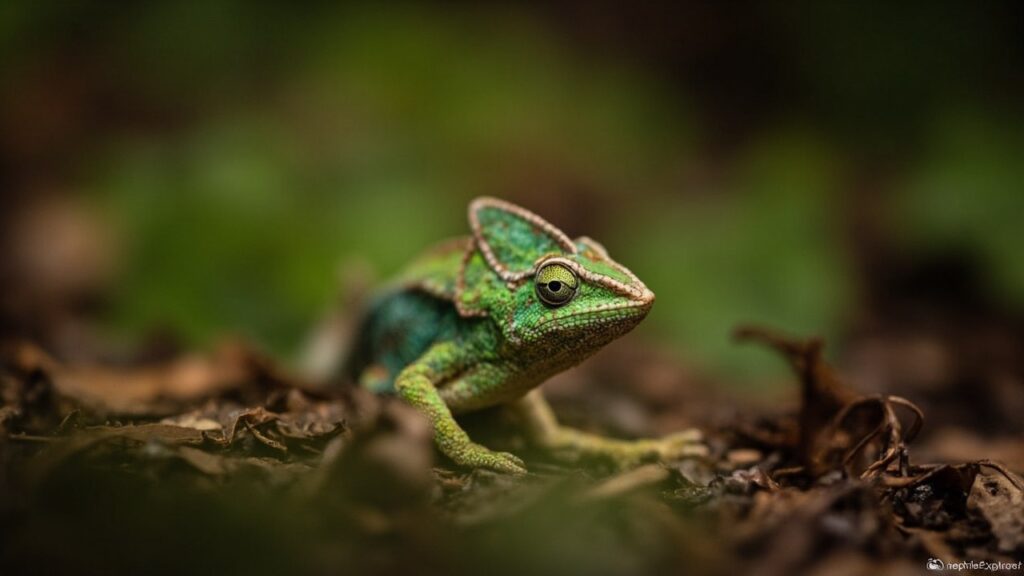
The pygmy leaf chameleon Brookesia minima is a tiny forest-floor species from Madagascar. Habitat loss and collection pressure can affect reptiles with small ranges.
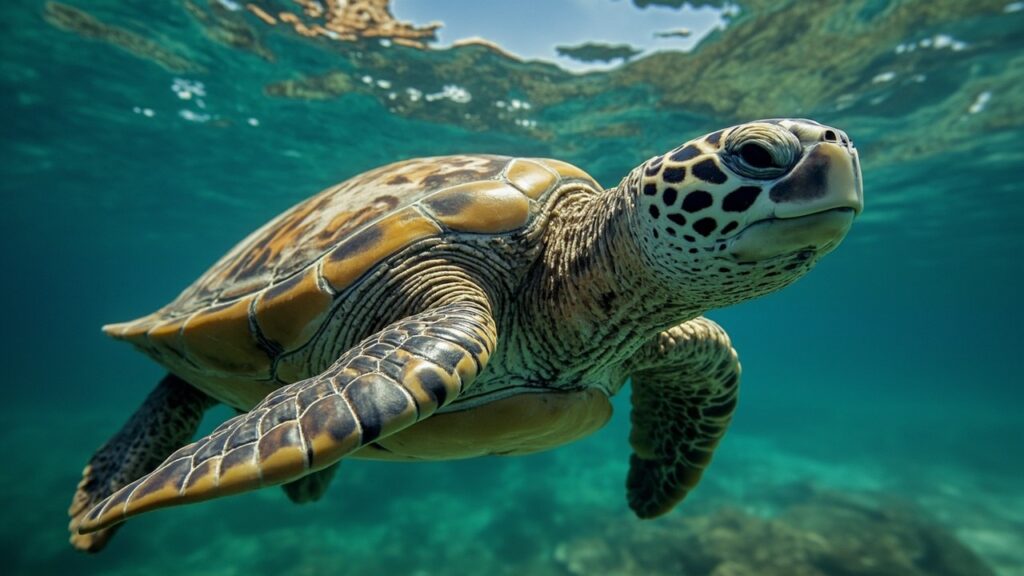
Loggerhead sea turtles use several cues during migration, including Earth’s magnetic field, waves, currents and local sensory information.
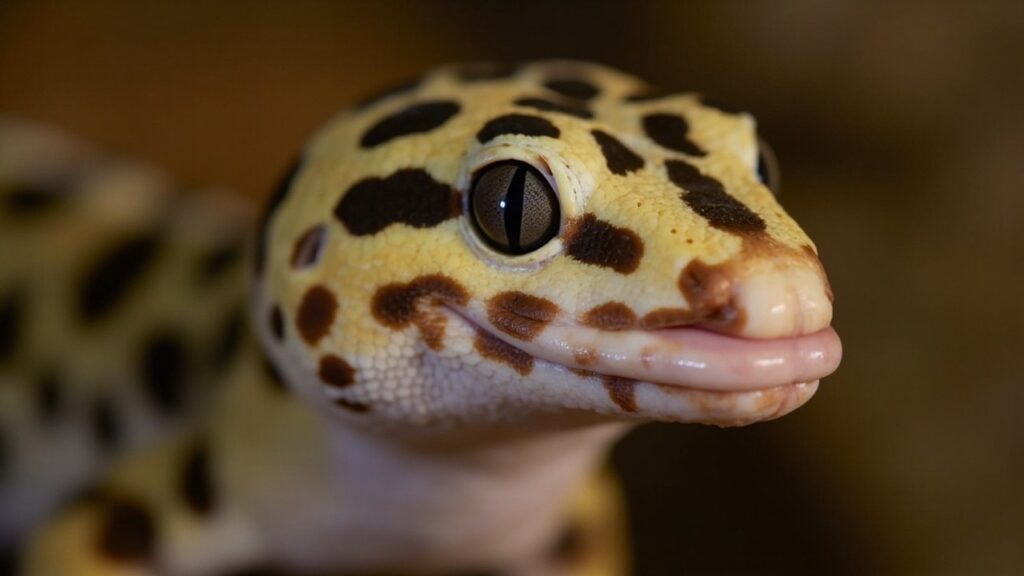
Leopard geckos may lick around the eyes during grooming or shedding. Frequent rubbing, swelling or discharge warrants veterinary assessment.