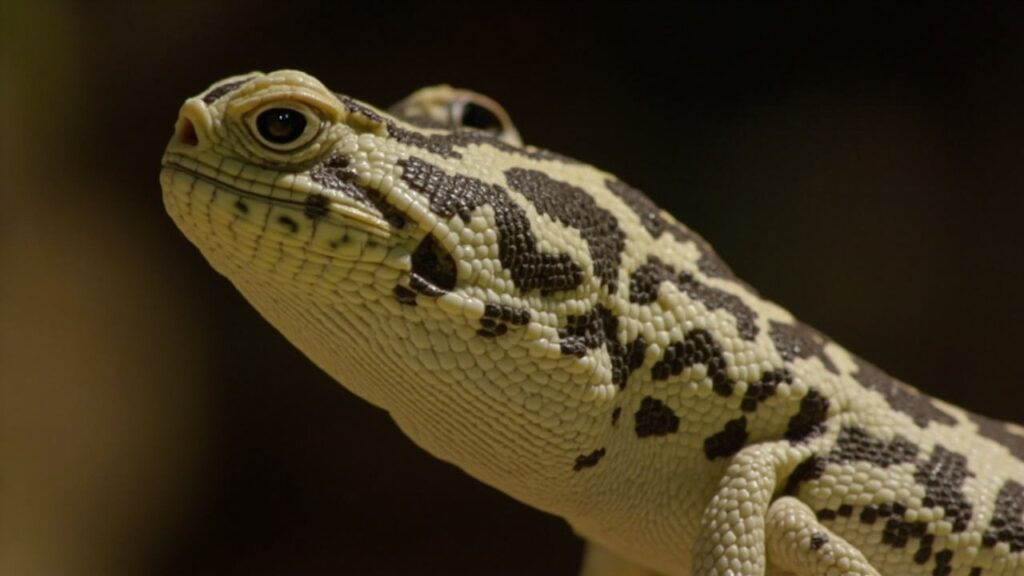
Reptiles are not emotionless machines, but scientists must be careful when inferring an animal’s private experience from behaviour. Evidence supports that reptiles can experience pain, fear and stress, and some species show learning, preferences and social behaviour. Claims that every reptile feels human-like affection, happiness or attachment go beyond what current evidence can show.
What behaviour can tell us
Posture, hiding, appetite, activity, defensive responses and physiological measures such as heart rate can help assess welfare. These signs show that an animal is responding to its environment; they do not let us read a human-style emotion directly. Context, species and individual history matter.


Welfare is the practical focus
Good reptile care provides species-appropriate temperature, shelter, space, diet, hygiene and opportunities for normal behaviour. Reducing chronic stress and treating pain are important whether or not a keeper uses human emotional labels. Enrichment should be safe, relevant and evaluated by the animal’s response.

Avoid anthropomorphism and dismissal
Two mistakes are common: assuming a reptile experiences every mammalian social emotion, or assuming it experiences nothing at all. A more accurate position is that reptile sentience and affective states are active areas of research, with evidence and uncertainty varying among species.

Emotional-support claims need care
A reptile may be meaningful to its keeper, but that does not establish that it is an effective emotional-support or therapy animal for another person. Welfare, legal requirements and the animal’s own needs should come before marketing claims about bonding or emotional treatment.

Choice Is Useful Welfare Information
When a reptile repeatedly chooses one safe resting place, feeding location or route, that observation can help a keeper improve the enclosure. It does not prove a human-like preference in every situation, but it shows that conditions affect behaviour. Opportunities to hide, regulate temperature and move away from disturbance make those choices more meaningful.
Handling Should Not Test Affection
A calm animal may tolerate handling without seeking it, and a defensive response often means the interaction should end. Repeatedly picking up a reptile to see whether it bonds with a person can increase stress. Short, necessary handling that supports the body and allows a return to cover is a better welfare practice than demanding a particular response.
Evidence Can Improve Over Time
Research on reptile cognition, pain and affective states continues to develop. Care decisions should use the best available evidence while avoiding both exaggerated claims and dismissal. Providing safe, species-appropriate conditions is worthwhile even where the precise inner experience of an animal cannot be measured directly.
Sources and review notes
Reviewed 23 August 2026. Fossils, anatomy and family trees become more interesting—not less—when uncertainty is made visible. We have separated well-supported observations from interpretations that may change as new specimens and studies appear.
Reference starting points: The Reptile Database, PubMed-indexed research, and Smithsonian natural-history resources. Conservation status, taxonomy and local laws can change, so check the linked databases and the relevant local authority for current information.
Spotted something we should revisit? Send Reptile Explorer a correction—thoughtful reader feedback is always welcome.