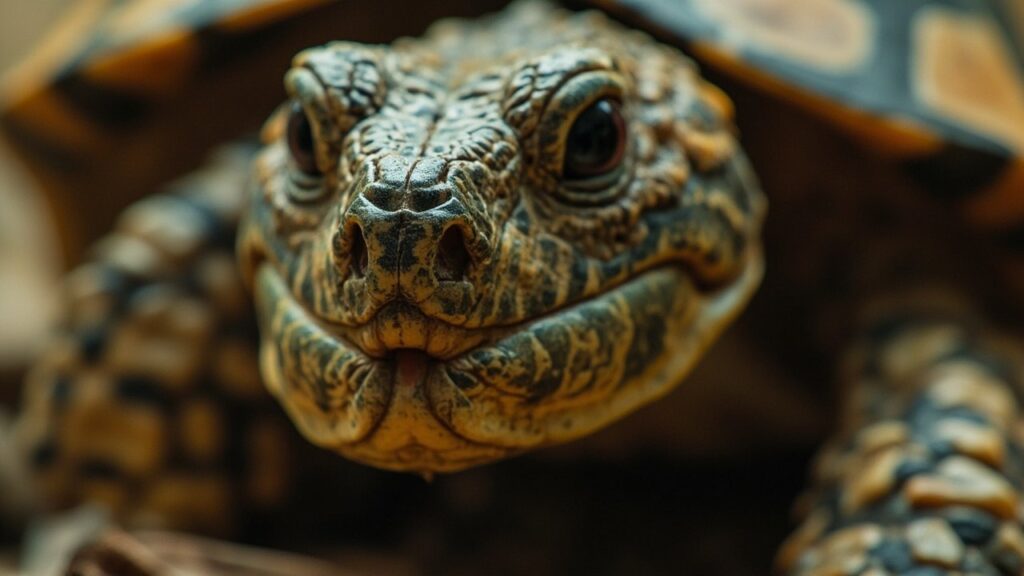
Lizard Regeneration Facts Clarified

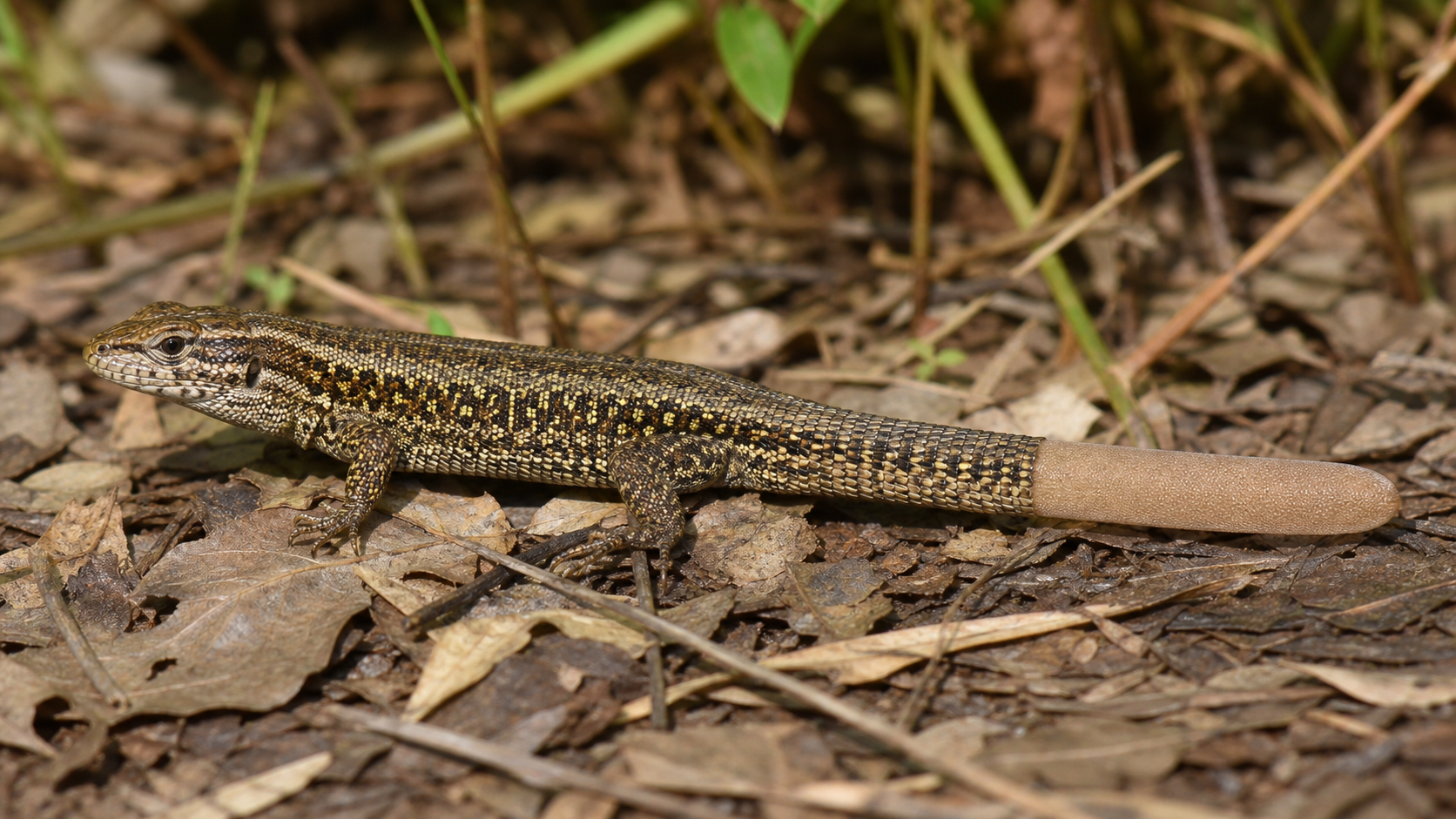
Lizards have a remarkable ability to regrow their tails. This process starts with the formation of a cluster of progenitor cells called a blastema[blastema — physiology.org]. These cells then differentiate into new tissues such as cartilage, muscle, and nerves. Key molecular signals, including Sonic hedgehog and BMP pathways, guide this growth. Unlike humans, lizards are able to regrow their tails without scarring, thanks to specialized immune cells that stimulate cartilage formation. Each stage of the regrowth process, from blastema to fully formed tail, involves intricate cellular coordination. This natural process has the potential to reveal new pathways for improving human healing and regenerative therapies.

Key Takeaways

Lizards regenerate their tails through a blastema, a cluster of rapidly dividing cells that can reform missing tissue. The spinal cord plays a crucial role in this process, as it produces hedgehog signals that stimulate the formation of a cartilage tube. Phagocytic immune cells then help to promote the growth of new cartilage, which forms without scarring. The BMP and Ihh pathways work together to ensure proper tissue patterning and cartilage ossification. Studying lizard regeneration can provide valuable insights for developing new therapies to treat human spinal cord injuries.

Regenerative Process Overview

Youtube video

Regenerative Process Overview

Lizards are incredibly skilled at regrowing their tails after amputation, thanks to a complex process that begins with the formation of a blastema, a cluster of cells that eventually turn into new tissues. When a lizard loses its tail, the blastema forms at the injury site, giving rise to the various tissues needed for regeneration.

One crucial part of the regrowth process is the formation of cartilage, which creates a tube around the spinal cord. Periosteal stem cells and blastema cells play distinct roles in this process. Periosteal cells help form a cartilage callus near the base of the tail, while blastema cells primarily form the cartilage tube further down. The signaling pathways involved are also fascinating, with Sonic hedgehog signaling from the regenerated spinal cord inducing the cartilage tube, and BMP/Ihh signaling critical for the development of the proximal cartilage callus.

The coordinated effort of stem cells, the spinal cord, and various cell types working together ensures that the lizard’s tail regenerates efficiently, showcasing nature’s remarkable regenerative abilities.

Cellular Mechanisms

cellular machinery orchestrates biological processes

As we delve into the fascinating world of lizard tail regeneration, we find a complex interplay of signaling pathways and specialized cells working together to make this remarkable process possible. At the core of tail regeneration lies the formation of a blastema, a mass of proliferating progenitor cells that are crucial for developing various tissues, including cartilage, muscle, and nerves.

Phagocytic immune cells, particularly septoclasts, play a key role in stimulating fibroblasts to form new cartilage. This unique cartilage regeneration is distinct from the scarring response typically seen in humans. The wound epidermis forms over the injury site, providing a protective layer and facilitating the regeneration process.

Hedgehog signaling, especially Shh from the regenerated spinal cord, is vital for maintaining the distal cartilage tube. The proximal cartilage, on the other hand, relies on BMP and Ihh signaling for proper tissue patterning and endochondral ossification. This intricate interaction of signals and cells results in the seamless regeneration of the lizard tail.

Key Components Role in Regeneration
Blastema Cells Form new tissues through proliferation
Phagocytic Immune Cells Stimulate fibroblasts for cartilage formation
Hedgehog Signaling Maintains distal cartilage tube integrity
Wound Epidermis Protects and facilitates regeneration
Spinal Cord Signals Essential for cartilage and tissue patterning

This intricate cellular choreography showcases the extraordinary regenerative abilities of lizards.

Molecular Signals

molecular communication signaling pathways

Delving into the molecular signals driving lizard tail regeneration reveals a complex interplay of pathways, including Wnt, Hedgehog, and BMP, which orchestrate cell proliferation, differentiation, and tissue patterning. These pathways are crucial for the remarkable ability of lizards to regenerate their tails.

Sonic hedgehog (Shh) expression in the regenerated spinal cord plays a vital role in guiding the formation and patterning of the cartilage tube, a critical structure in the regenerating tail. Key players in this process include:

  1. Sonic Hedgehog (Shh) Pathway: Essential for spinal cord patterning and cartilage induction.
  2. BMP Signaling: Activates periosteal stem cells to form an early-stage cartilage callus.
  3. Indian Hedgehog (Ihh) Pathway: Regulates proximal cartilage tube hypertrophy and ossification, while distal regions resist ossification.
  4. Fibroblasts and Phagocytes: Modulate signaling pathways to suppress scarring and enable new cartilage formation.

This process isn’t just about cell proliferation; it’s a delicate balance where fibroblasts and phagocytes like septoclasts secrete factors to fine-tune these pathways. This intricate process ensures that the blastema — the mass of proliferating cells — can regenerate the tail without scarring, restoring both form and function.

Understanding these molecular signals could have significant implications for regenerative therapies in humans.

Comparative Regeneration

regeneration comparative analysis

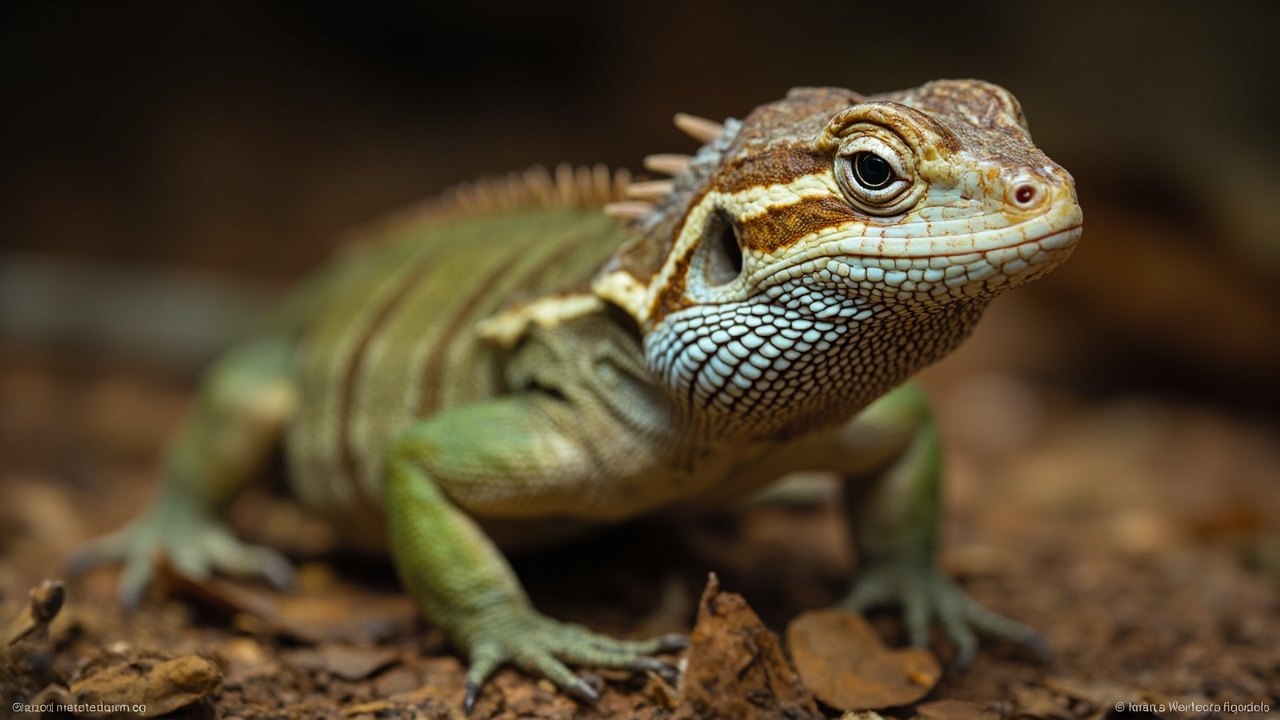
Exploring the differences in regenerative abilities between lizards and humans reveals a fascinating gap in cellular mechanisms and molecular pathways. Humans struggle with cartilage repair, whereas lizards, like the green anole lizard, can effortlessly regenerate lost tails and even parts of their limbs. This remarkable process relies on a specialized structure known as the regenerative blastema.

During lizard tail regeneration, two cell types work together: blastema fibroblasts and lizard blastema cells. Analysis of lizard blastema shows that a phagocyte-dependent mechanism is crucial for initiating the regenerative process. These cells collaborate to rebuild complex structures, including the spinal cord, cartilage, and muscle tissue.

The green anole lizard’s regenerative capabilities are particularly notable for their efficiency and completeness. The way these cells work together lays the foundation for seamless regrowth, highlighting significant cellular and molecular differences from humans. For instance, the Hedgehog signaling pathway plays a key role in cartilage formation in lizards, a pathway that is not naturally active in human adult cartilage repair. Researchers studying lizard tail regeneration have documented these differences extensively.

Research Implications

implications for future research

Our exploration of the cellular and molecular differences in lizard regeneration naturally leads us to consider the profound implications for advancing human medical therapies. At Arizona State University, the research team has investigated the process in great detail, focusing on various facets to understand the mechanisms behind tissue regeneration.

To fully grasp these insights, we need to understand several key points:

  1. Single-cell RNA sequencing: This technique helps identify specific gene expression patterns during lizard spinal cord regeneration, revealing potential targets for human therapies.
  2. Lizards’ immune response can disclose how certain immune cells facilitate or inhibit the regenerative process, offering clues to improve human healing.
  3. By analyzing the differences between lizard and human cartilage, researchers can identify molecular differences that may be manipulated to enhance human regenerative capabilities. Studies comparing axolotl regeneration to lizard models help illuminate what makes some vertebrates so effective at tissue repair.
  4. Collaboration between biologists, biomedical engineers, and clinicians is crucial to bridge the gap between basic research and clinical applications, accelerating the development of effective treatments.

For those interested in the broader lizard evolutionary history, the regenerative capacity of lizards represents a fascinating case study in evolutionary adaptation.

As we delve deeper into the cellular and molecular processes governing lizard regeneration, we move closer to discovering new therapies for human spinal cord injuries and other regenerative challenges.

Frequently Asked Questions

What Are the Regeneration Abilities of Lizards?

Lizards have an impressive ability to regrow their tails, with regeneration timelines varying from several weeks to several months depending on the species and the size of the lizard. This regeneration process involves fracture healing and blastema-based processes, with Sonic hedgehog signaling playing a key role in cartilage tube formation.

Are Scientists Researching Lizard Tail Regeneration?

Revealing nature’s secrets, I’m exploring the fascinating world of lizard tail regeneration. By cracking the genetic code, we hope to inspire new breakthroughs in human tissue repair and regeneration. This research could be a game-changer!

How Many Times Can a Lizard Regenerate?

A lizard’s ability to regrow its tail is quite impressive, with some species capable of regeneration multiple times throughout their lives. [*Note: exact regeneration limits vary by species; claims of regeneration occurring up to 20 times are unverified and likely overestimated in the literature.] Younger lizards tend to have a higher capacity for regeneration, but this repeated process can take a toll on their overall health due to the metabolic costs involved.

Can Lizards Regrow Tails Infinitely?

Lizards can’t regrow their tails indefinitely. With each regeneration, they deplete their progenitor cells, and subsequent regenerations typically produce tails that are shorter and less structurally perfect than the originals. [*Note: specific limits on how many times regeneration can occur before the tail becomes non-functional vary by species and individual.]

Scroll to Top