
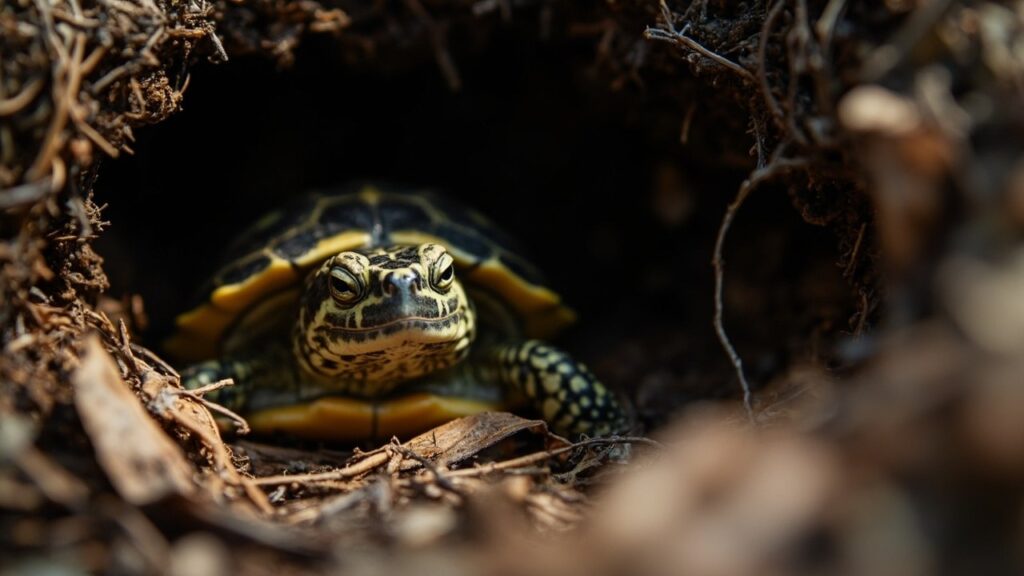
Reptile Dormancy: Brumation and Hibernation
Many reptiles reduce activity during cold periods, often called brumation. Timing and physiology vary with species, climate and health.
Many reptiles reduce activity during cold periods, often called brumation. Timing and physiology vary with species, climate and health.
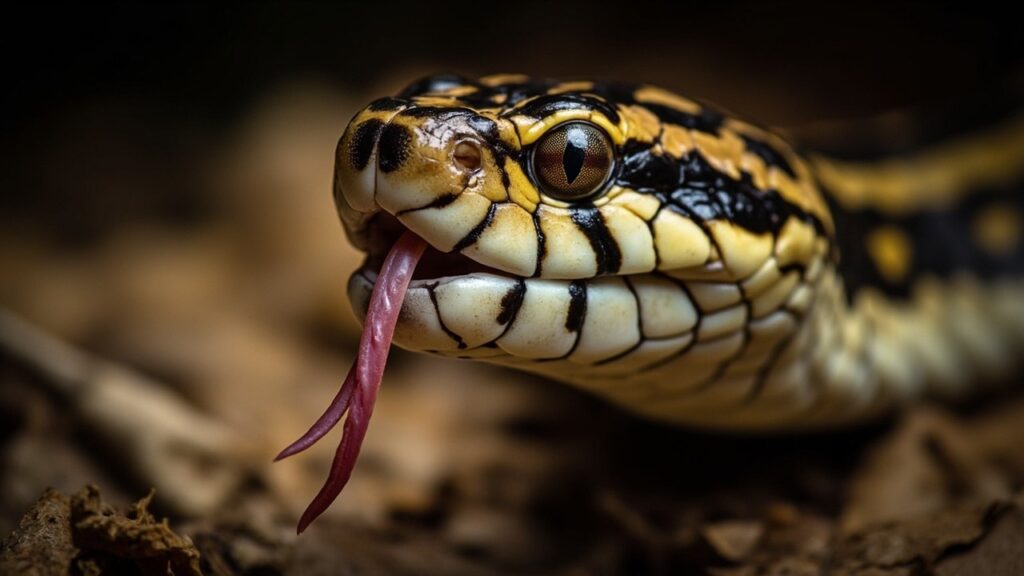
Snake tongues collect chemical information; they do not sting or inject venom. Venom is delivered through specialised teeth, and unidentified snakes should never be handled.
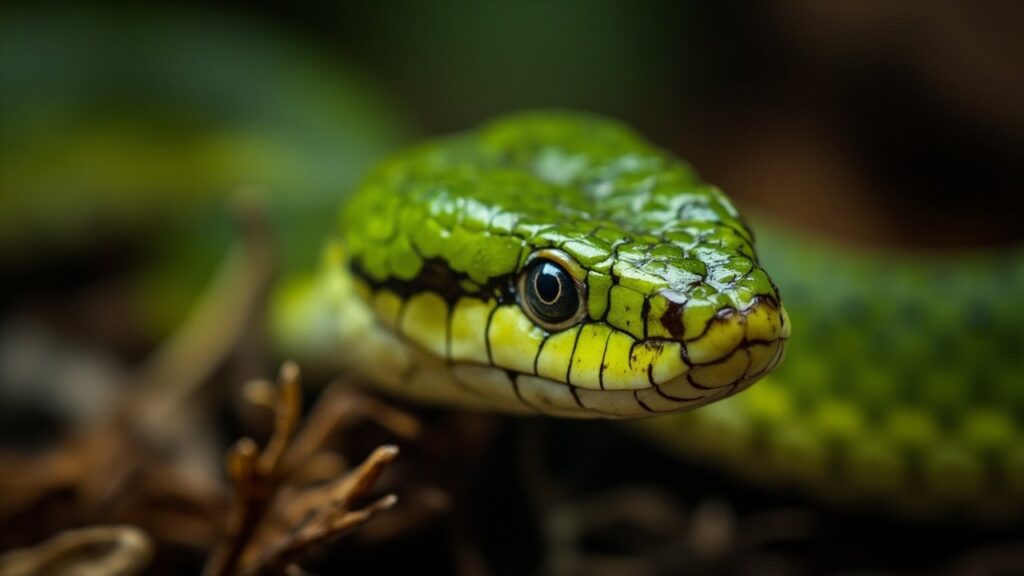
Green colour does not show whether a snake is venomous. Species and location matter; observe unfamiliar snakes from a distance and seek local guidance.
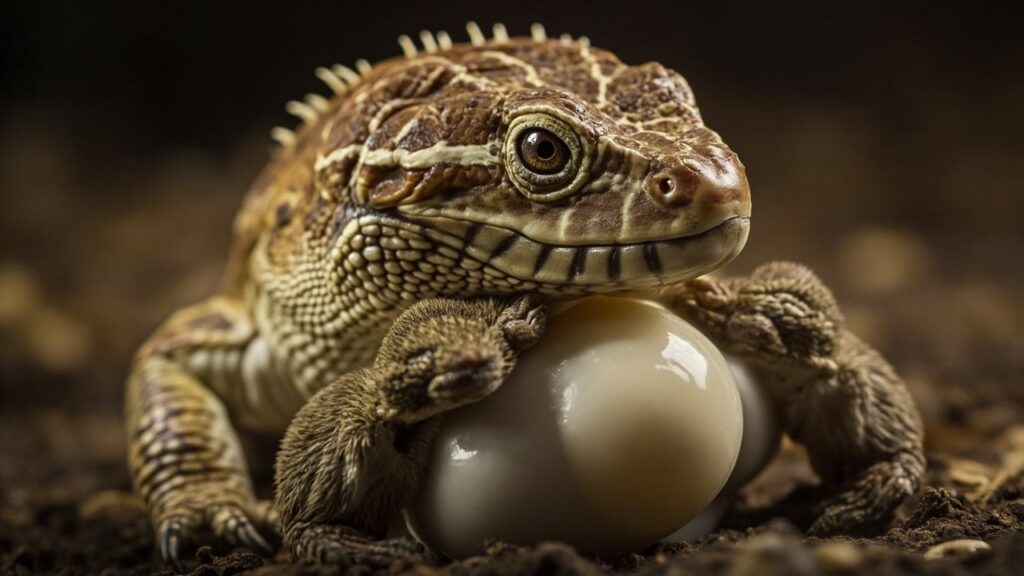
Parental care occurs in some reptiles, including nest defence, guarding and transport of young. Its form and frequency vary by species.
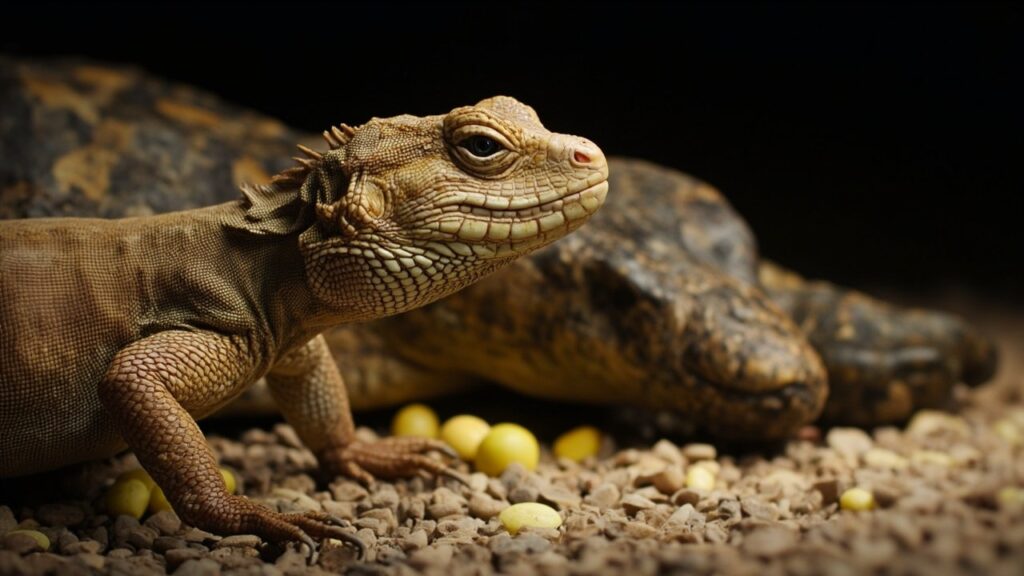
Studies show that some reptiles can learn routes, solve simple tasks and remember cues. Cognitive abilities differ among species and individuals.
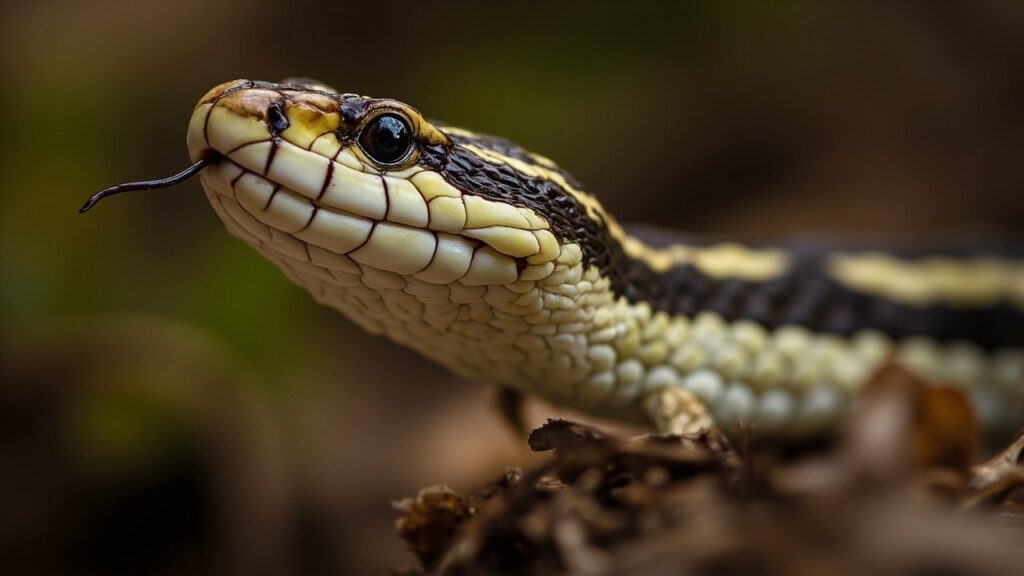
Snakes shed their outer skin as they grow. Persistent retained skin, eye caps or repeated difficult sheds can signal a husbandry or health problem.
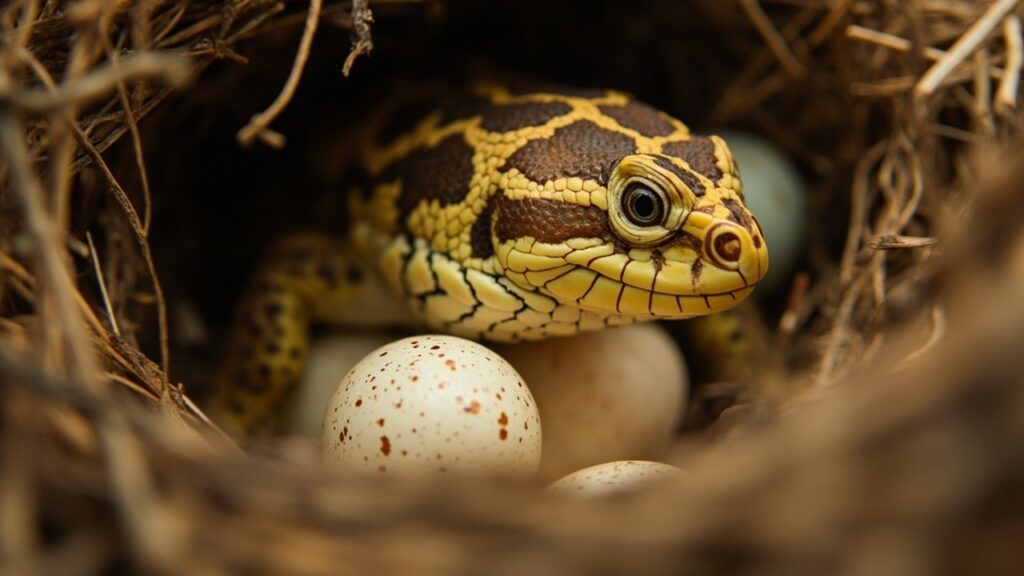
Reptile eggs vary in shell texture, incubation needs and development. Nest sites and parental care also differ widely among species.
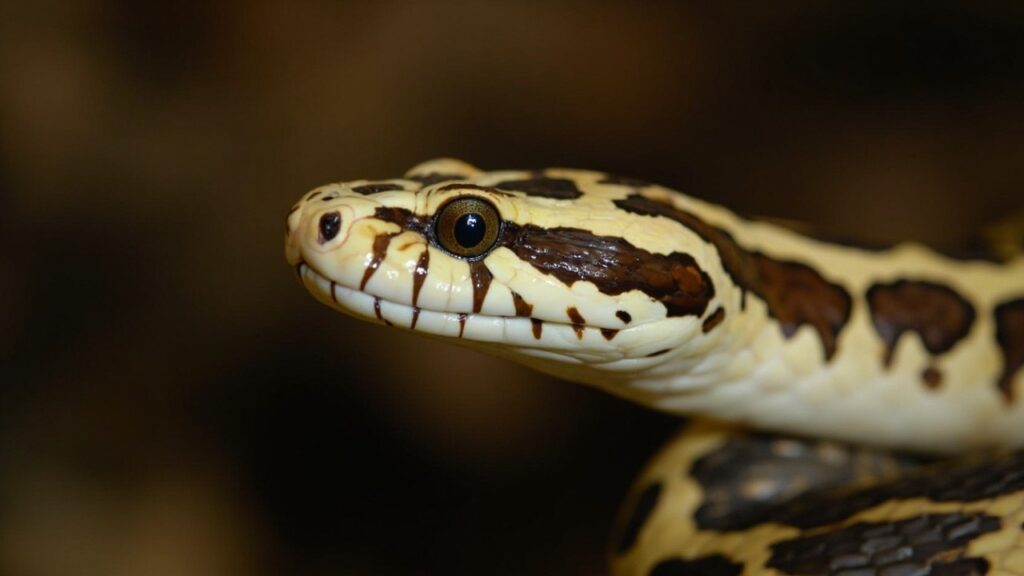
Snake charming relies mainly on a snake tracking movement and responding defensively, not following a melody. Handling and confinement raise welfare concerns.
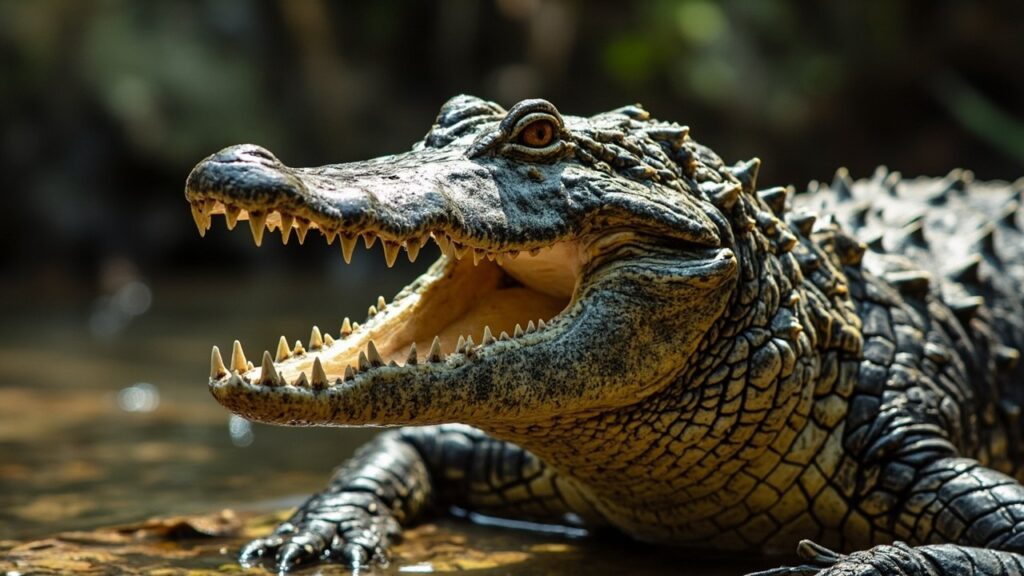
Alligators and crocodiles often differ in snout shape, visible teeth and preferred habitat, but these traits vary and should not replace expert identification.
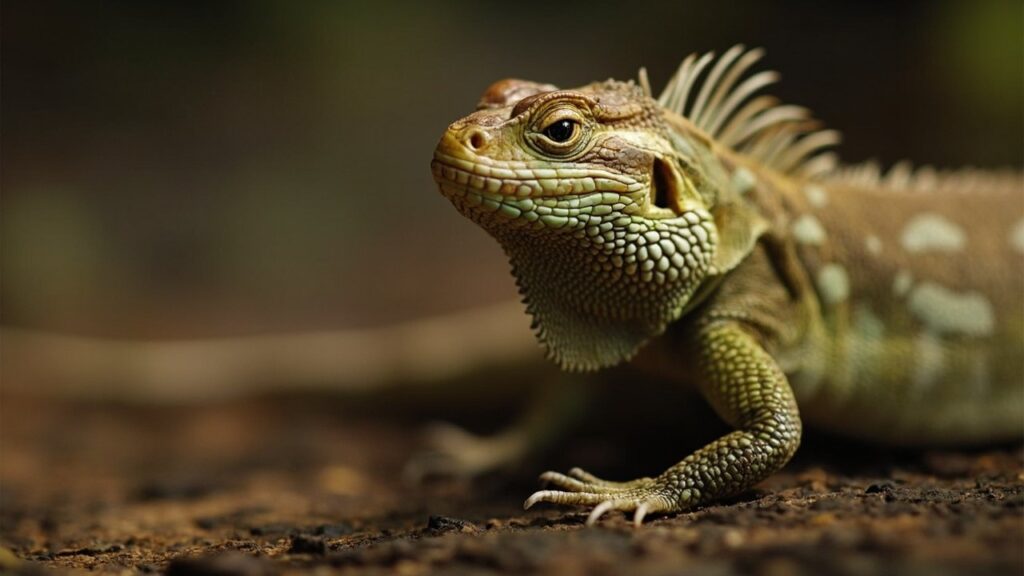
Many lizards can regrow part of a lost tail, but the replacement differs from the original in bone, muscle and scale structure. Ability varies by species.