A Native of Southeastern Wetlands
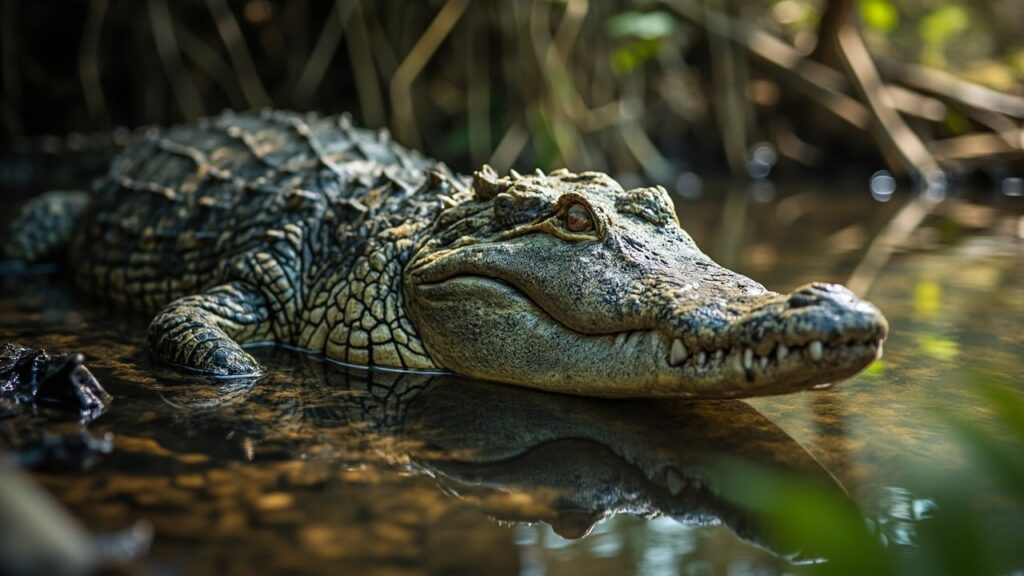
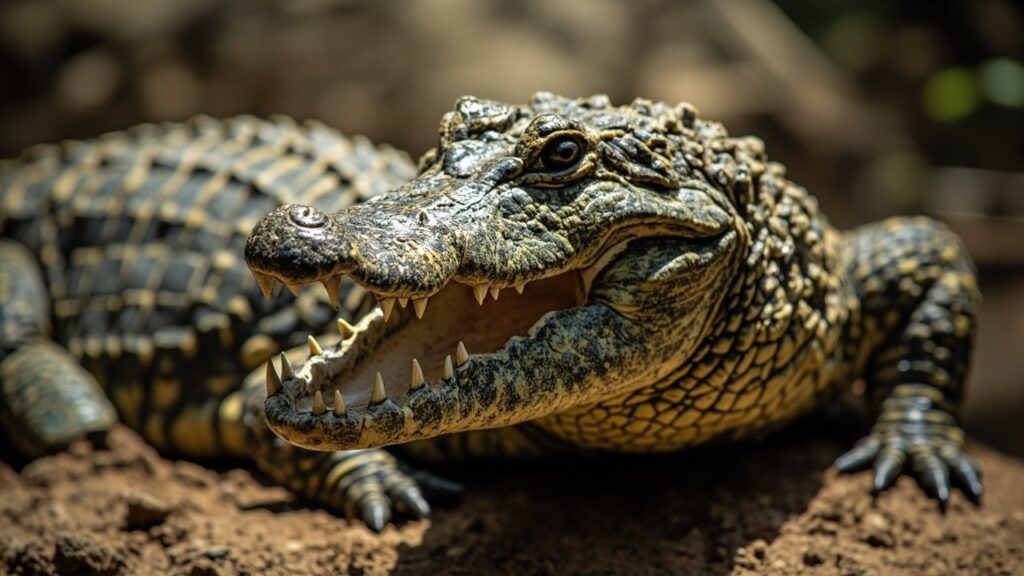
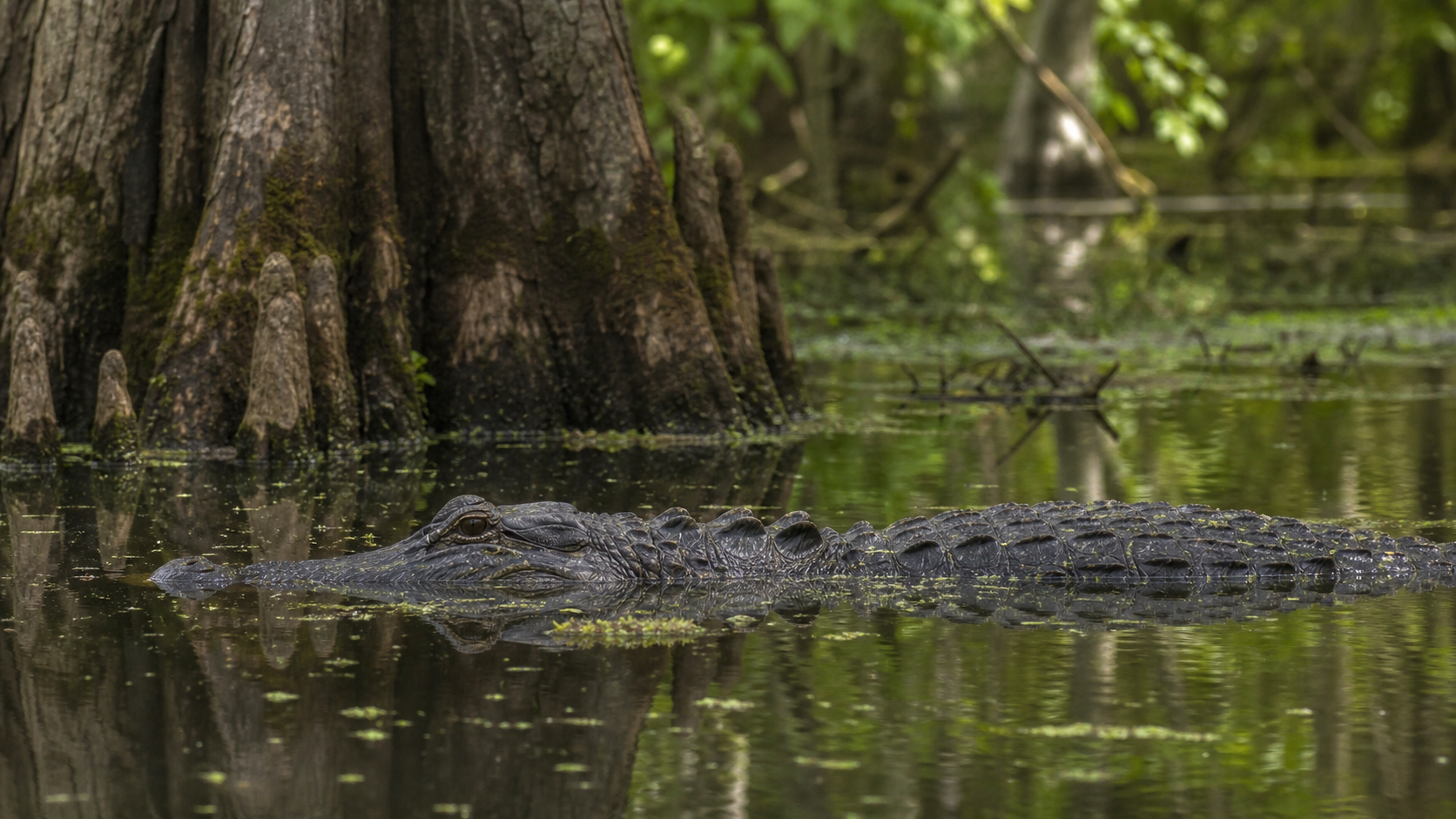
The American alligator (Alligator mississippiensis) occurs across the southeastern United States. It is most closely associated with freshwater lakes, slow rivers, marshes and swamps, though it can also enter brackish water. As an ectotherm, it uses sun, shade and water to manage body temperature. Its activity changes with weather and season, so a quiet alligator should never be mistaken for a safe one.

Predator, Nest Builder and Parent
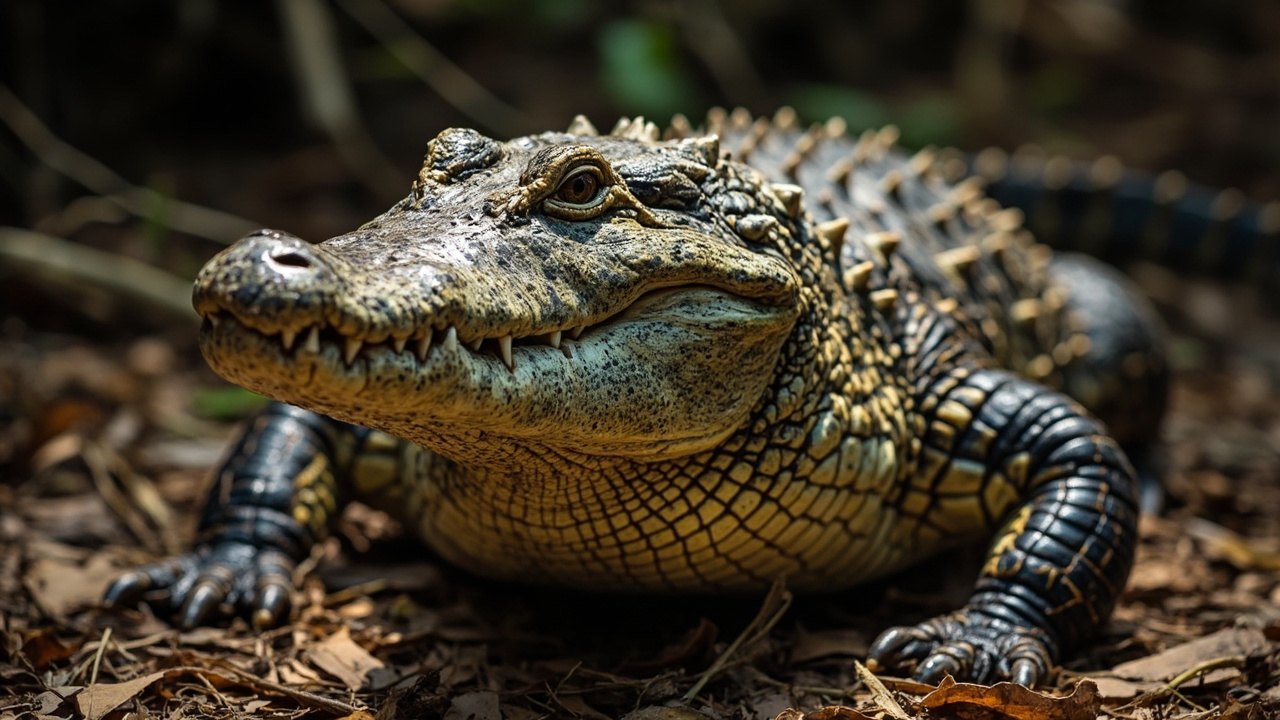
Young alligators eat insects, small fish and amphibians, while larger animals take a wider variety of prey including fish, turtles, birds and mammals. Females build nests from vegetation and other material, guard the eggs and respond to hatchling calls. Nest success is far from guaranteed because flooding and predators can destroy eggs or young. These behaviours are part of the species’ ordinary life history, not a reason to approach nesting areas.
Recovery Does Not Remove the Need for Caution
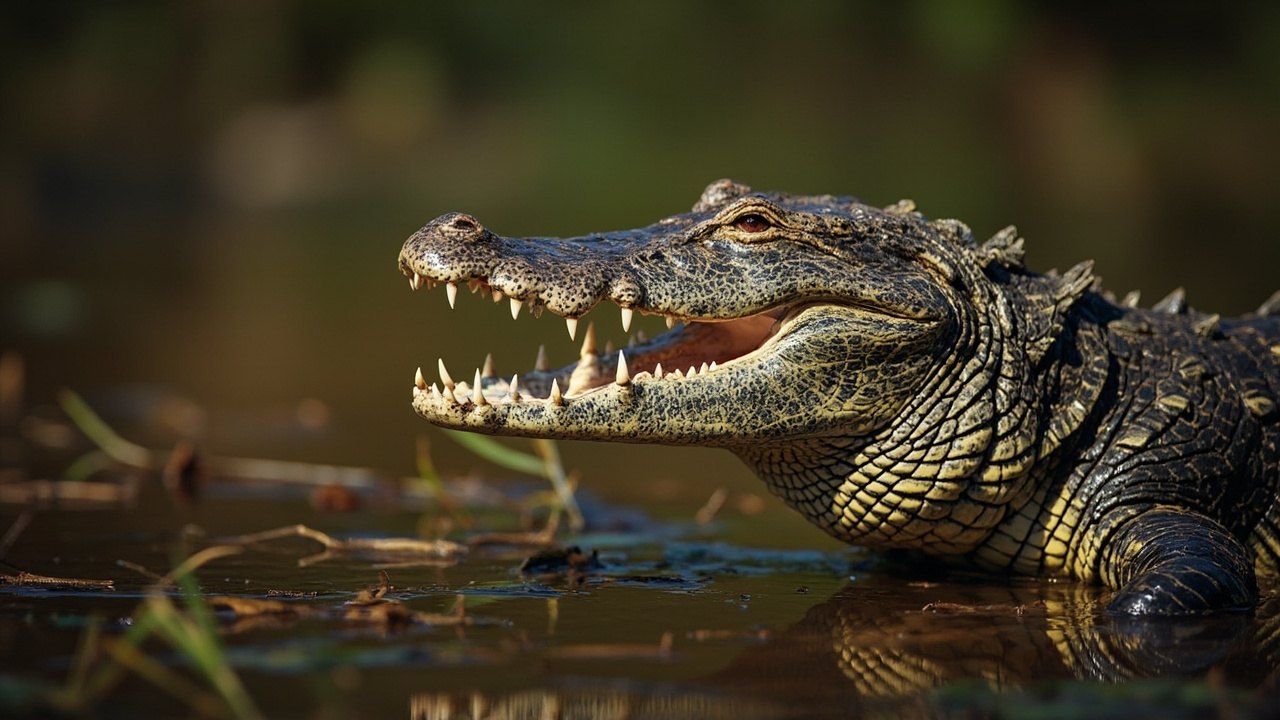
American alligators recovered from major twentieth-century declines through legal protection and management, but they remain protected by law. Feeding them is dangerous because it can reduce their natural wariness of people and create a public-safety problem. Keep pets away from the water’s edge, do not swim where alligators may be present and follow advice from local wildlife authorities. Coexistence works best when alligators stay wild and people keep their distance.
Wetland Engineering Has Local Effects
In some wetlands, alligators maintain depressions often called alligator holes. These places can retain water during dry periods and may be used by other animals as conditions change. Their effect depends on the wetland and season, so the idea should not be used to claim that every alligator creates the same habitat. It does show that a large predator can influence more than its immediate prey.
Season Changes What People See
Temperature and water level influence where alligators rest, bask and move. An animal may be easier to see at one time of year and remain hidden at another. Visibility is not a measure of population size or safety. A quiet surface can still contain an alligator, particularly near vegetation, banks, drainage channels and places where people have fed wildlife.
Reports Preserve a Safe Distance
If an alligator appears in an unsuitable place or shows unusual behaviour around people, report it to the local wildlife authority instead of approaching it. A clear description of the location and the situation can help trained staff decide what action is needed. Keeping a distance protects both the observer and the animal.
Sources and review notes
Reviewed 23 August 2026. Reptile biology is wonderfully variable. We have avoided turning one species, photograph or dramatic observation into a rule for an entire group, and we have used cautious wording where evidence or local conditions differ.
Reference starting points: The Reptile Database, The IUCN Red List of Threatened Species, and PubMed-indexed research. Conservation status, taxonomy and local laws can change, so check the linked databases and the relevant local authority for current information.
Spotted something we should revisit? Send Reptile Explorer a correction—thoughtful reader feedback is always welcome.