
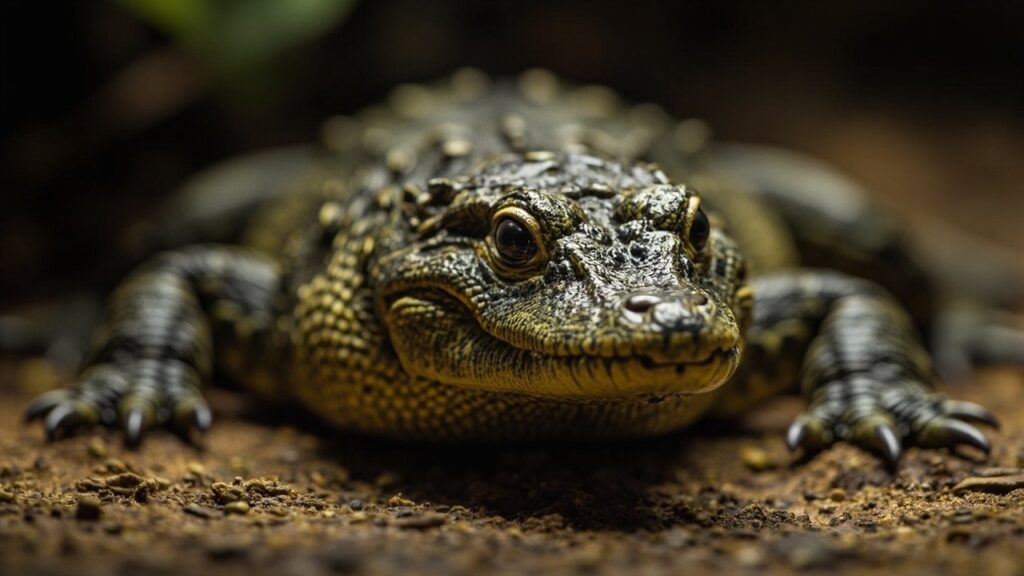
Cuvier’s Dwarf Caimans: Small Crocodilians
Cuvier’s dwarf caiman is a small South American crocodilian found in several river systems. Behaviour and threats vary across its range.
Cuvier’s dwarf caiman is a small South American crocodilian found in several river systems. Behaviour and threats vary across its range.
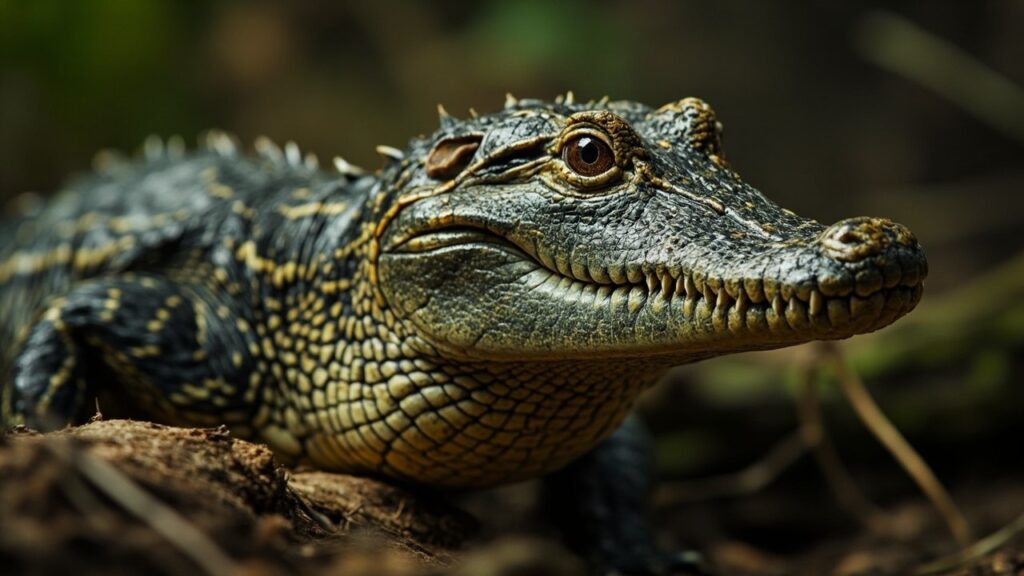
Chinese alligators survive in a small part of their former lower-Yangtze range. Captive breeding supports recovery, but secure habitat, post-release monitoring and local participation remain necessary.
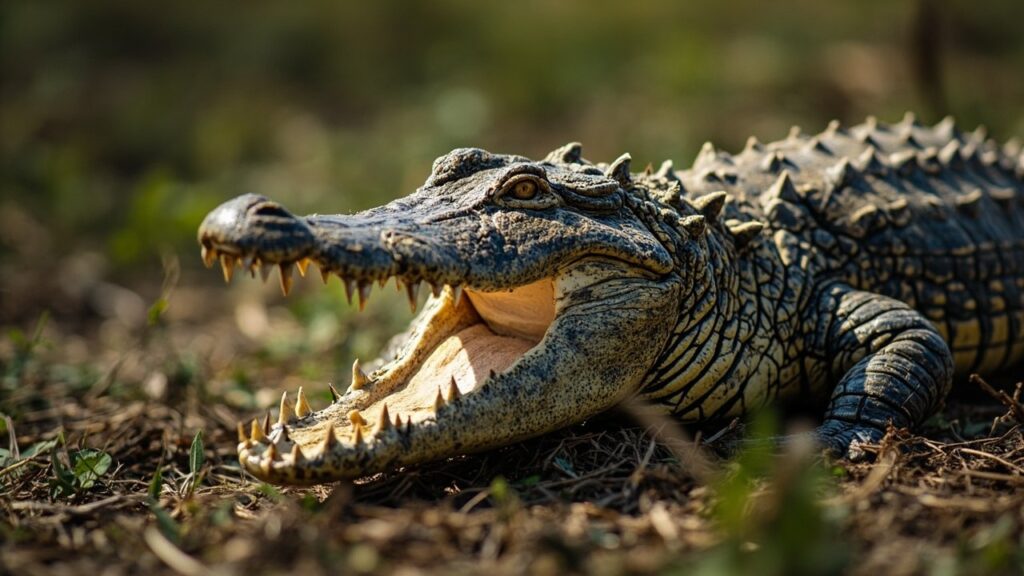
Mugger crocodiles inhabit lakes, ponds, marshes and reservoirs across parts of South Asia. Conservation depends on suitable freshwater habitat, safer fishing practices and locally appropriate conflict reduction.
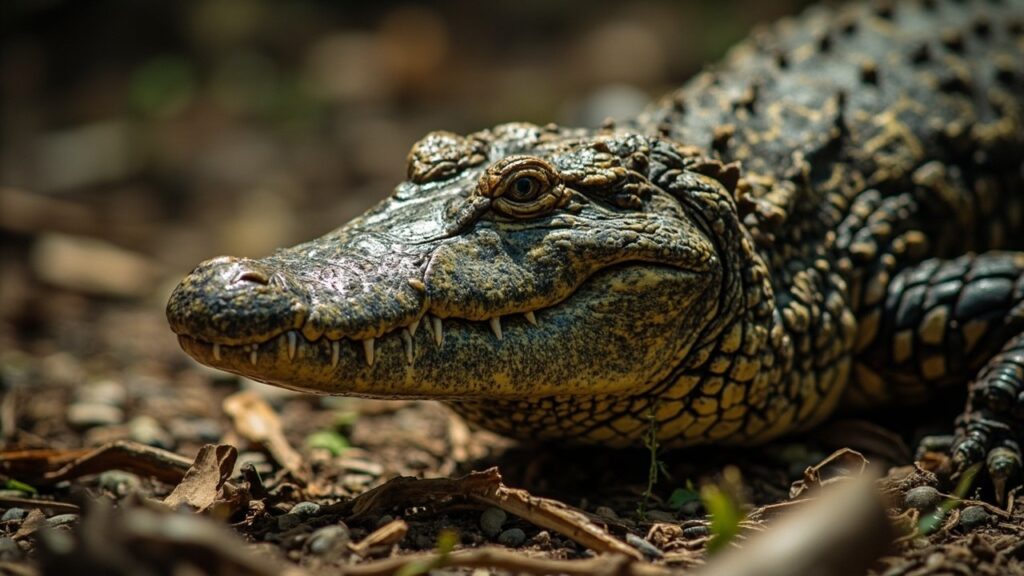
The Orinoco crocodile is native to Colombia and Venezuela and is Critically Endangered. Recovery needs habitat protection and long-term monitoring.
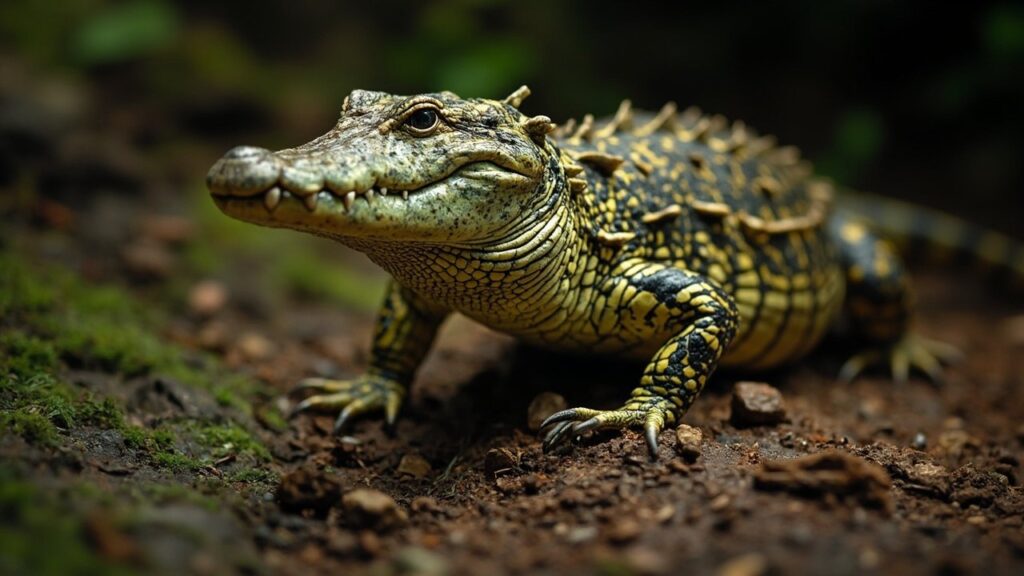
Dwarf crocodiles are small, secretive crocodilians of West and Central African forests and wetlands. Habitat loss, wetland disturbance, hunting and trade can affect local populations.
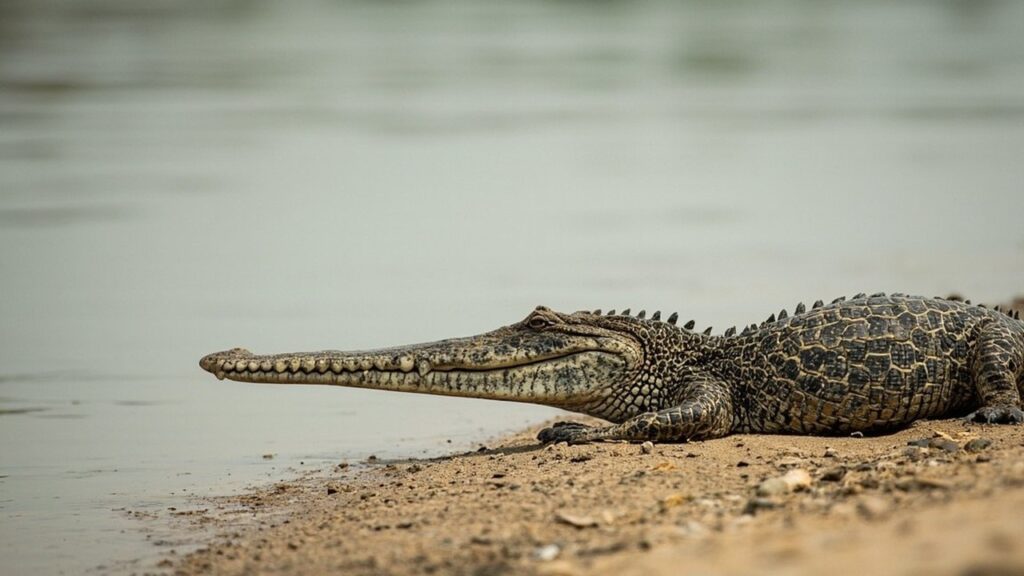
Gharials are Critically Endangered river specialists that need connected waterways, fish, basking sites and sandbanks for nesting.
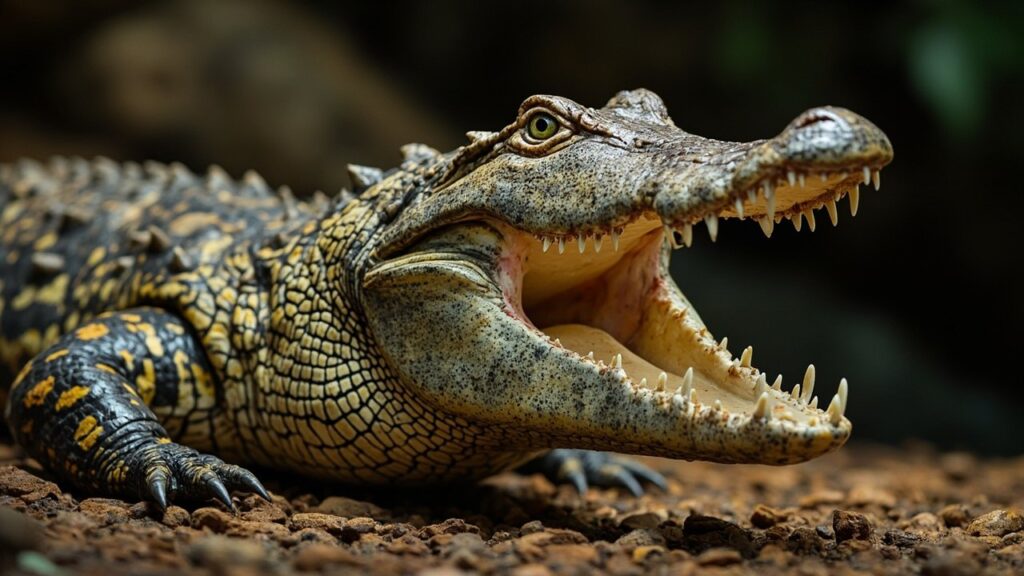
Caimans are a varied group of Central and South American crocodilians. Species differ in size, habitat, diet and conservation status.
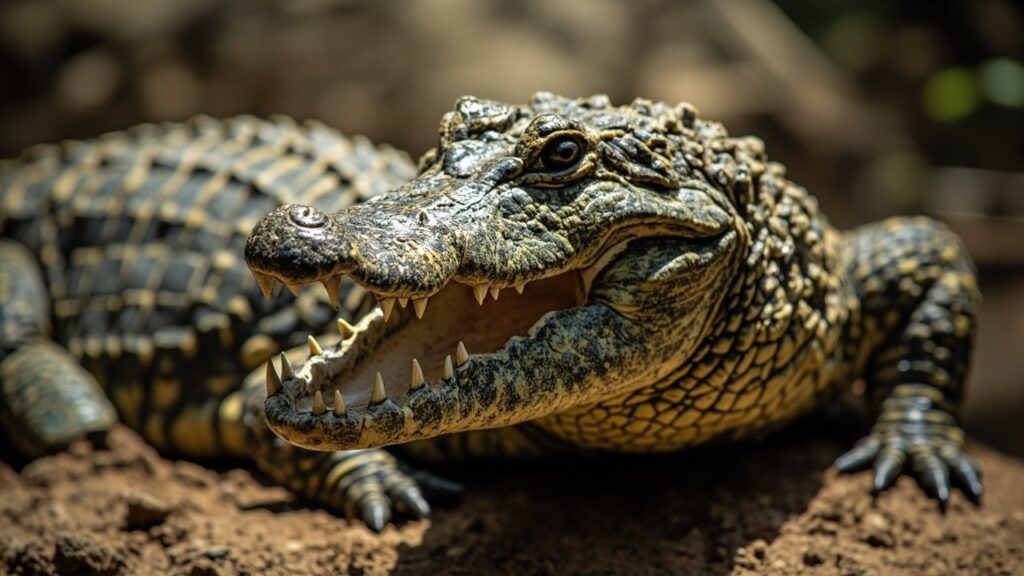
Nile crocodiles occupy rivers, lakes, marshes and other wetlands across much of sub-Saharan Africa and Madagascar. Females guard nests and can help hatchlings reach the water.
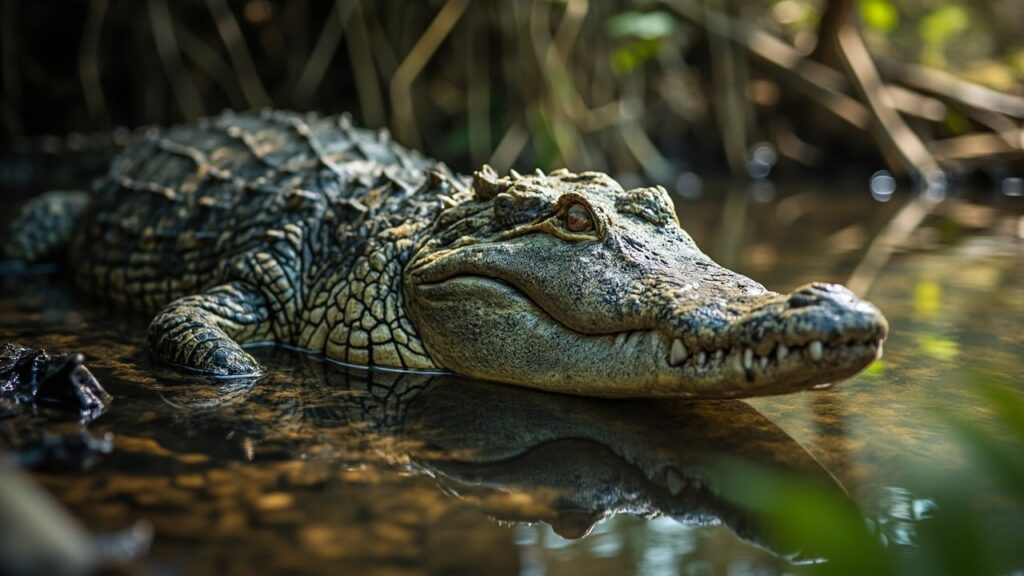
Saltwater crocodiles use estuaries, mangroves, coastal rivers and freshwater systems across the Indo-Pacific. They are powerful ambush predators, and local water-safety guidance should always be followed.
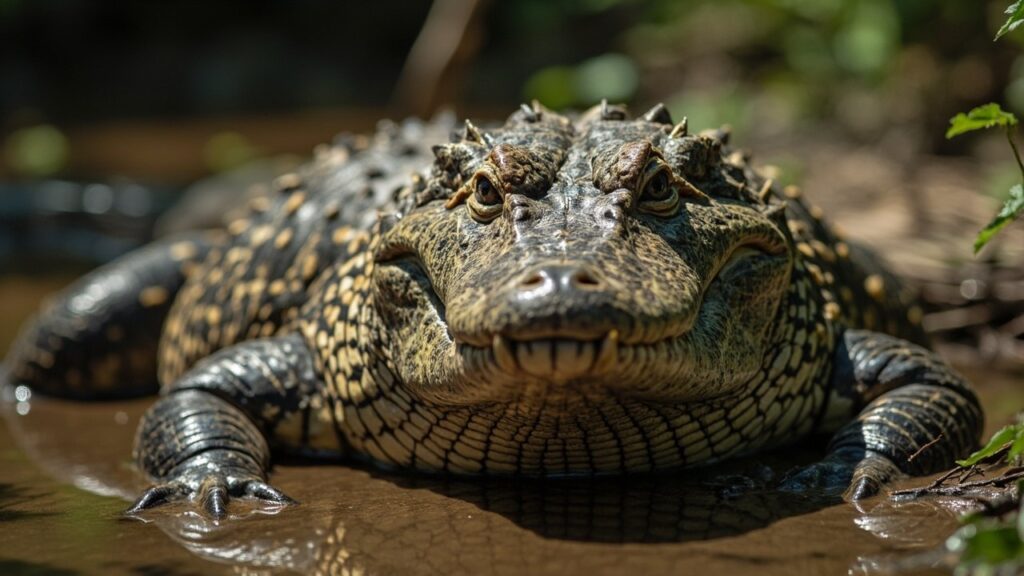
American alligators are wetland predators and nest builders of the southeastern United States. Adults and young use different foods and habitats.