More Than a Saltwater Animal
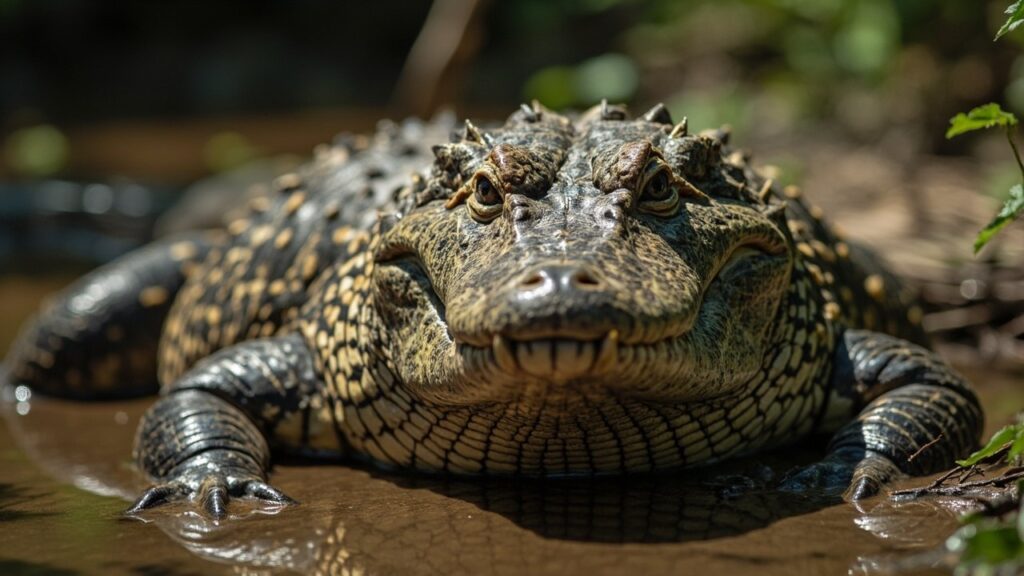
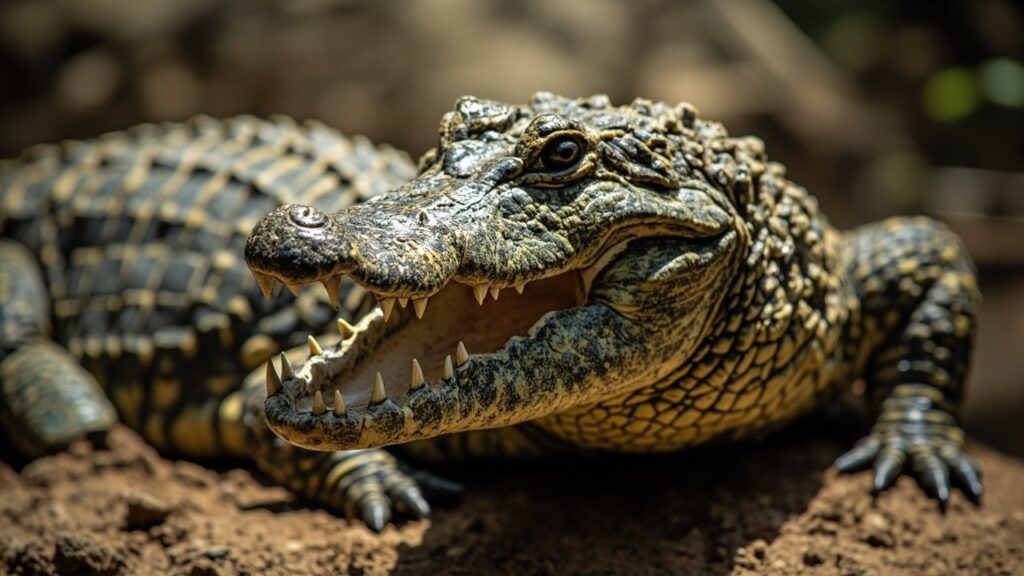
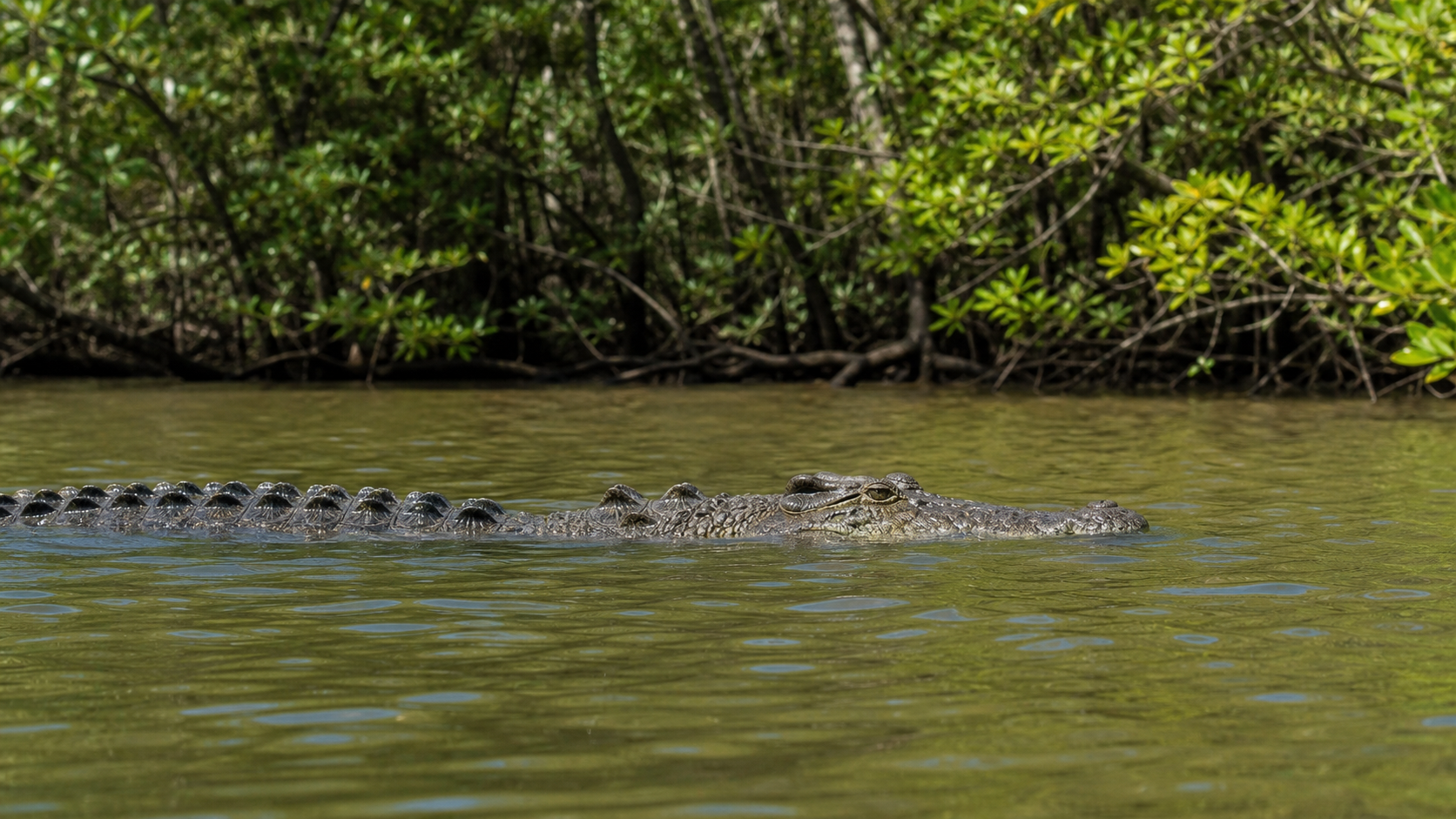
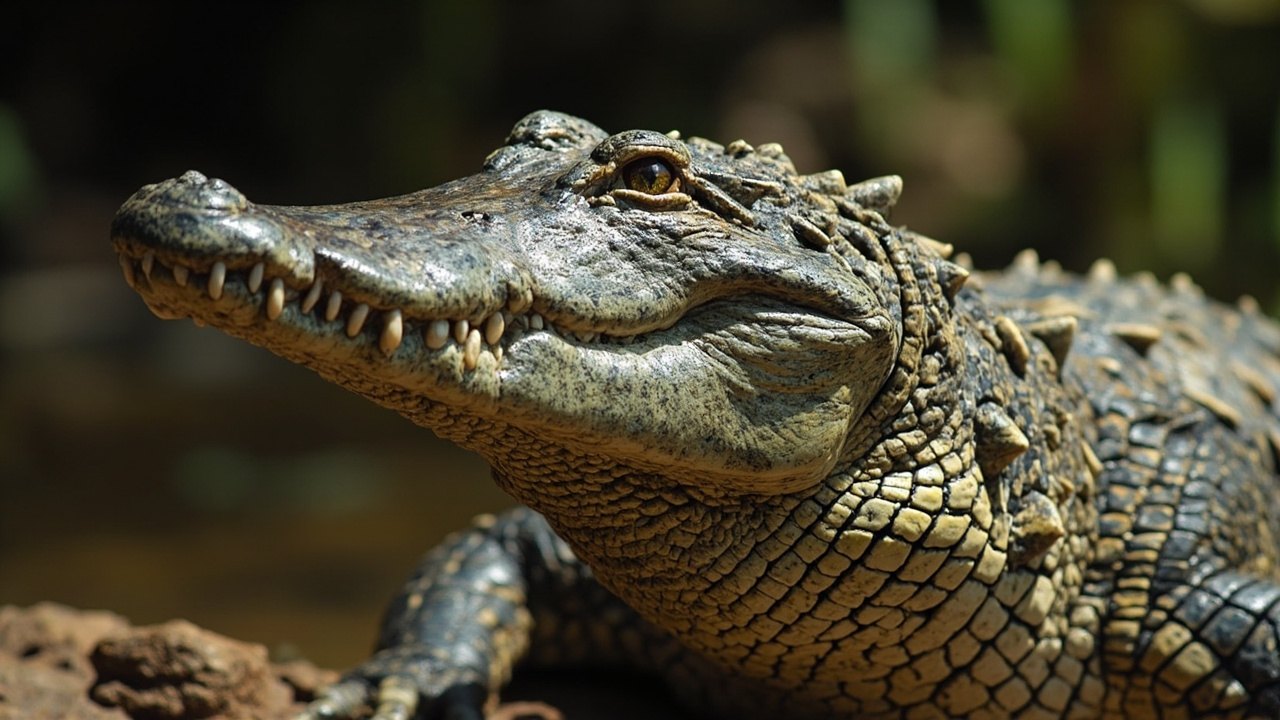
The saltwater crocodile (Crocodylus porosus) ranges across the Indo-Pacific, including northern Australia and parts of South and Southeast Asia. It uses coastal rivers, mangroves, estuaries, wetlands and freshwater systems as well as marine shorelines. The name describes its tolerance of seawater, not a rule that it lives only in the sea. Large males may defend areas, while females protect nests from potential predators.
Powerful, Opportunistic Feeding
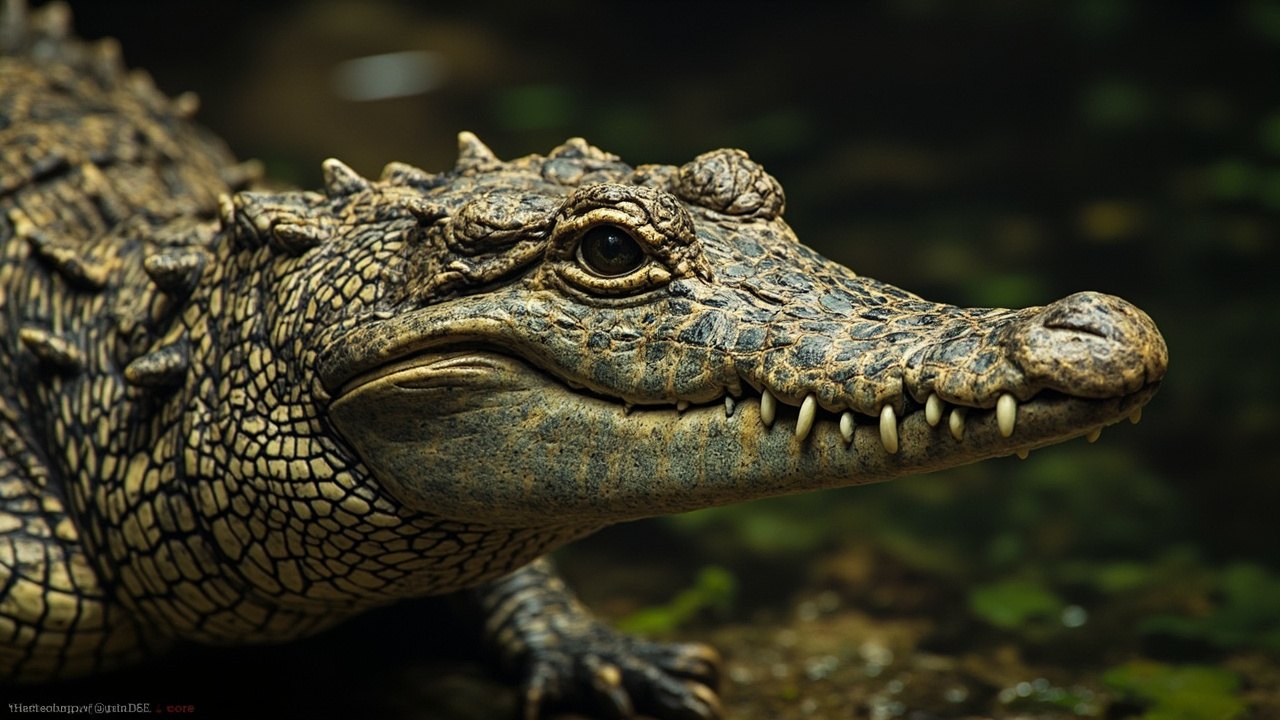
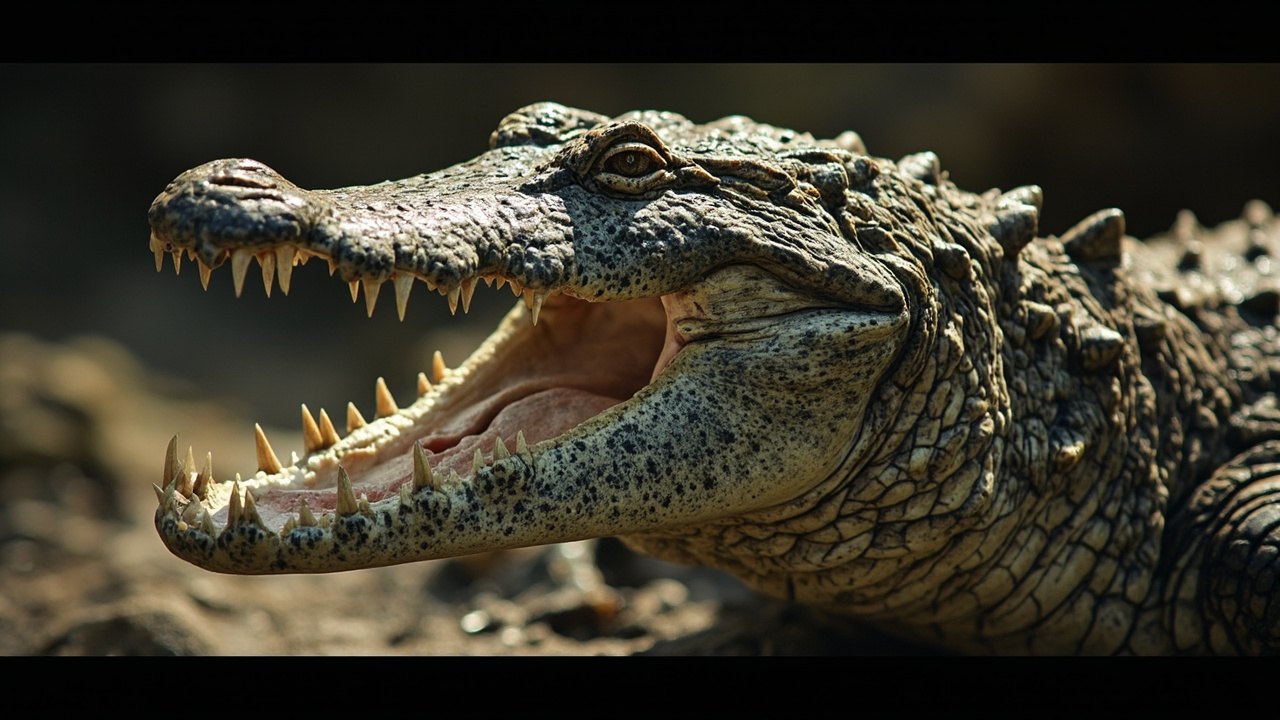
Saltwater crocodiles are ambush predators. They wait at the water’s edge or below the surface, then use a rapid strike and powerful jaws to seize prey. Fish, crustaceans, birds, reptiles and mammals can all be part of the diet depending on the animal’s size and location. A crocodile may use a rolling movement to tear apart large prey or carrion, but the often repeated term death roll is not a separate hunting method used during every feeding event.
Coexisting Means Taking Water Safety Seriously
In crocodile country, a waterway can be dangerous even when no animal is visible. Do not feed, approach or attempt to photograph a crocodile closely, and use only designated swimming areas where local authorities advise that it is appropriate. Conservation and public safety work together through monitoring, habitat management and clear local rules. Risk management can lower danger, but it cannot make wild crocodile habitat risk-free.
Salt Tolerance Broadens the Range
Saltwater crocodiles can use saline water, but coastal waterways are connected systems rather than one uniform habitat. Tides, rainfall, freshwater flow and mangrove cover change the conditions available at different times. Freshwater wetlands and river sections can be just as important as shorelines. A sighting near the sea does not show where an individual feeds, rests or breeds throughout the year.
Nesting Season Changes Local Risk
Female crocodiles choose nest areas above typical flooding levels and may defend the site and young. Floods, erosion and changes in vegetation can affect nesting success. Access rules and warning signs near waterways should be followed closely because local staff can account for the species present, recent sightings and seasonal conditions that a visitor cannot see.
Safety Depends on Local Information
Standing at a bank, launching a boat or retrieving an object near water can create risk even when a crocodile is not visible. Use designated facilities where they are provided and follow current advice from the relevant authority. Never feed a crocodile or discard fish remains at a water’s edge, because repeated food cues can change where animals wait.
Sources and review notes
Reviewed 23 August 2026. Reptile biology is wonderfully variable. We have avoided turning one species, photograph or dramatic observation into a rule for an entire group, and we have used cautious wording where evidence or local conditions differ.
Reference starting points: The Reptile Database, The IUCN Red List of Threatened Species, and PubMed-indexed research. Conservation status, taxonomy and local laws can change, so check the linked databases and the relevant local authority for current information.
Spotted something we should revisit? Send Reptile Explorer a correction—thoughtful reader feedback is always welcome.