Life Along African Waterways
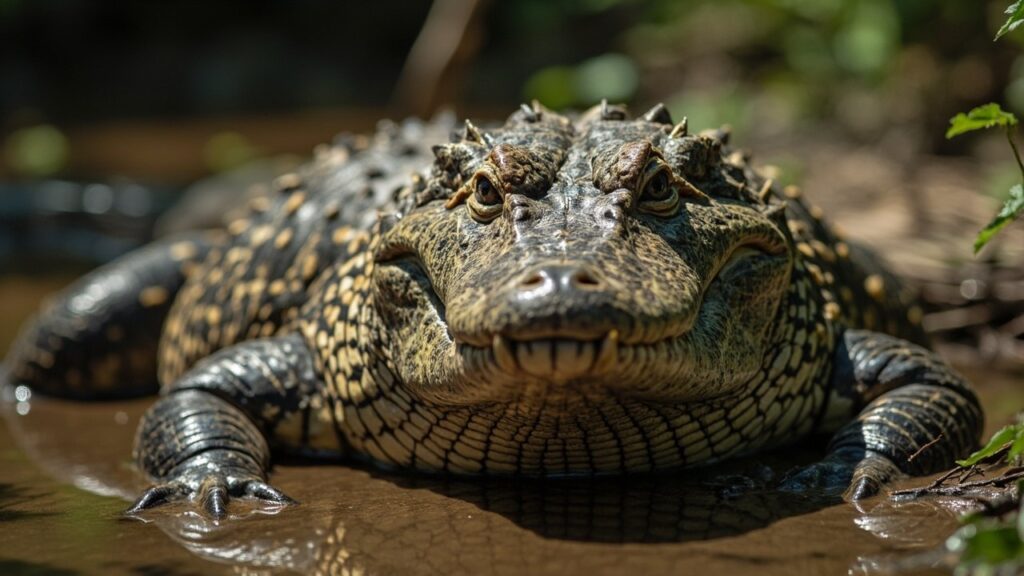
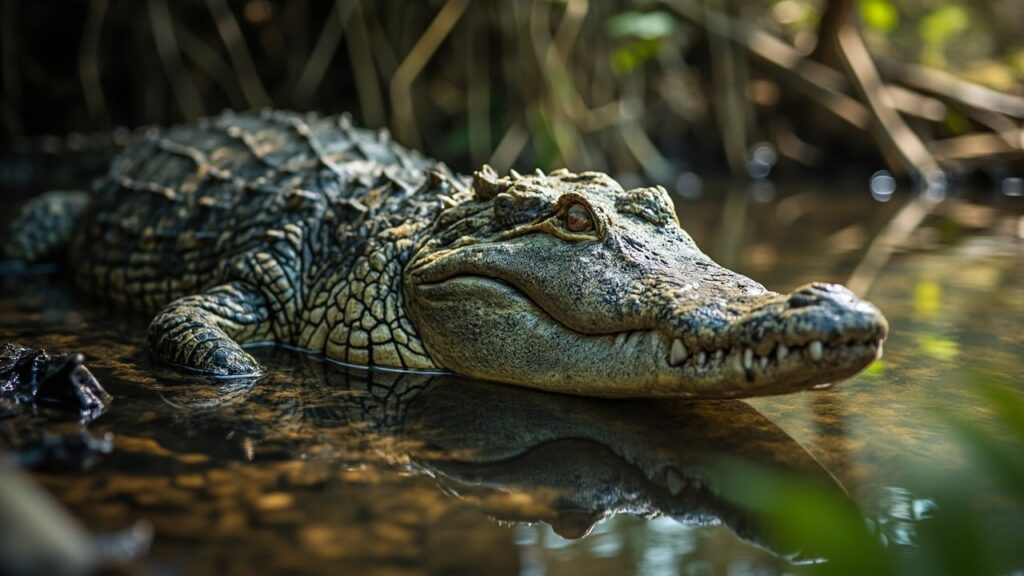
The Nile crocodile (Crocodylus niloticus) occurs across much of sub-Saharan Africa and Madagascar. It uses rivers, lakes, marshes and other wetlands, and may also occur in brackish water in some areas. Adults are large, powerful crocodilians, with males generally growing larger than females. They are not limited to the Nile River, despite their common name.
An Ambush Predator With a Changing Diet
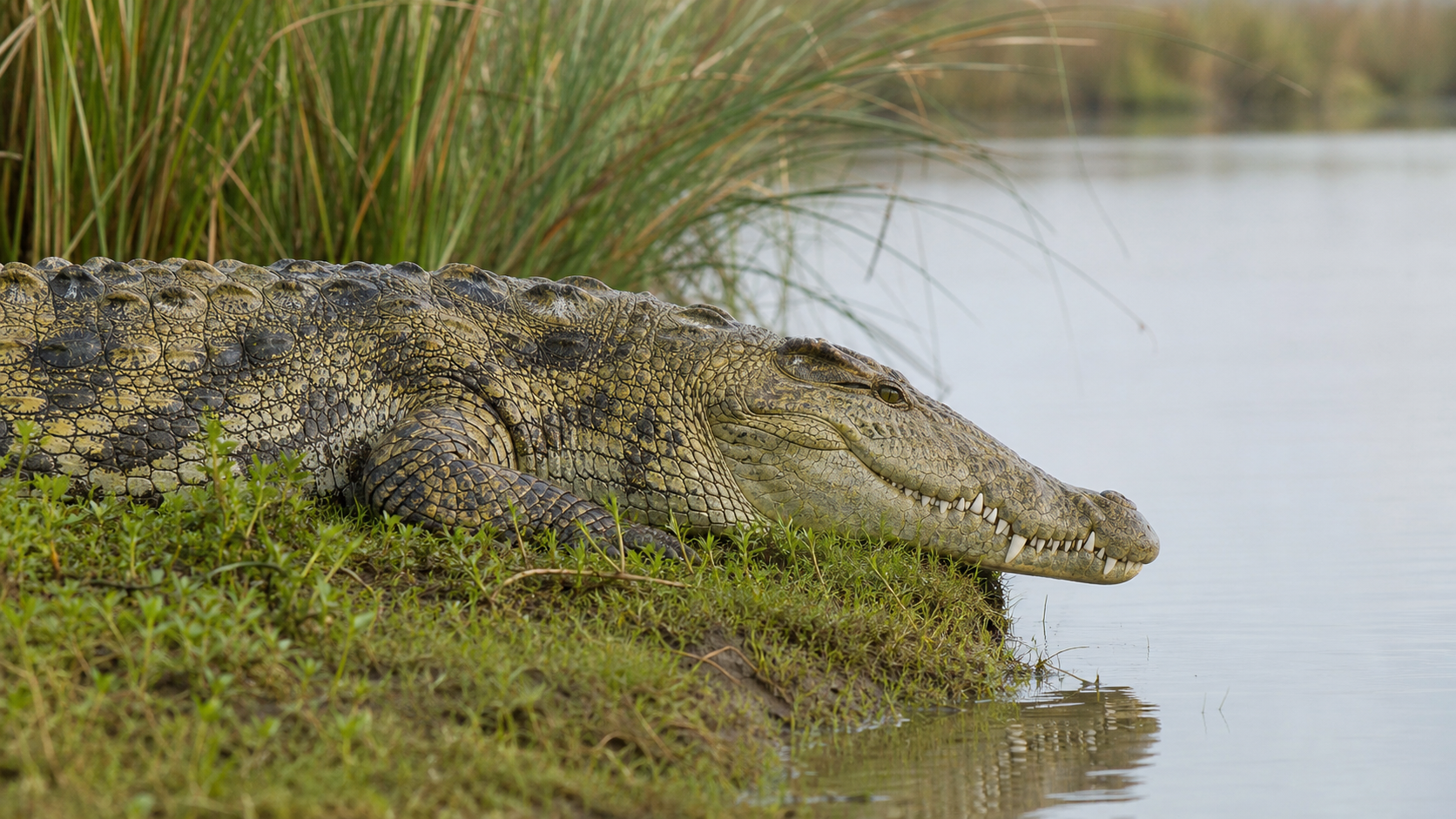
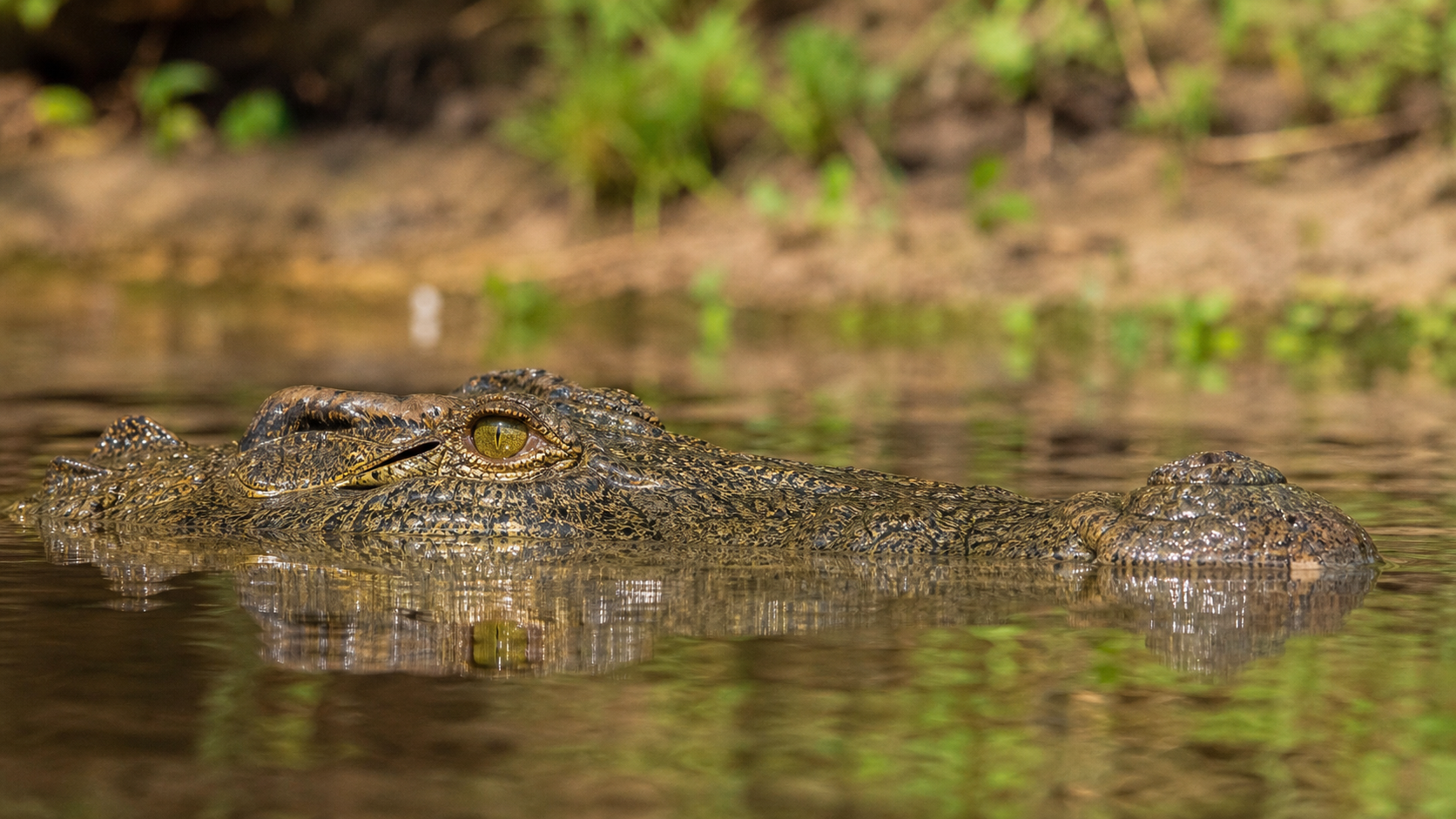
Young Nile crocodiles take smaller prey such as insects, crustaceans and fish. Larger animals can take fish, birds, turtles and mammals when the opportunity arises. Crocodiles usually hunt from the water’s edge or beneath the surface, using a sudden rush and a powerful bite rather than chasing prey over long distances. What an individual eats depends on its size, season and the prey available in that waterway.
Nests, Hatchlings and Human Safety
Females dig nests in suitable banks or sand, guard the eggs and respond to hatchling calls. A mother can help open the nest and carry young to water, although hatchlings still face high mortality. Nile crocodiles can seriously injure or kill people, especially where daily activities bring people close to water. Local safety guidance, safe water access and protection of wetland habitat are all necessary where people and crocodiles share a landscape.
Water and Banks Are Both Part of the Habitat
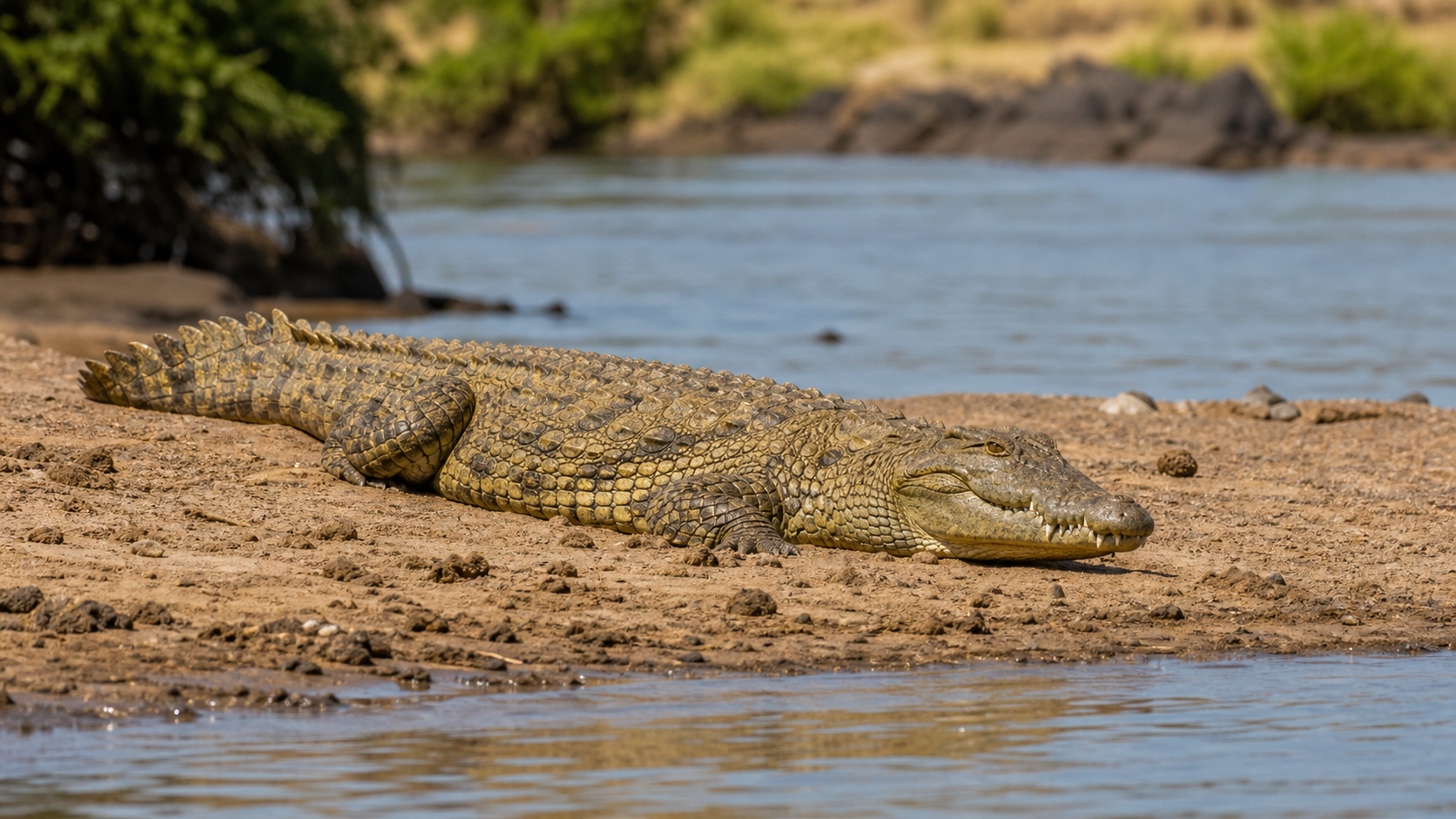
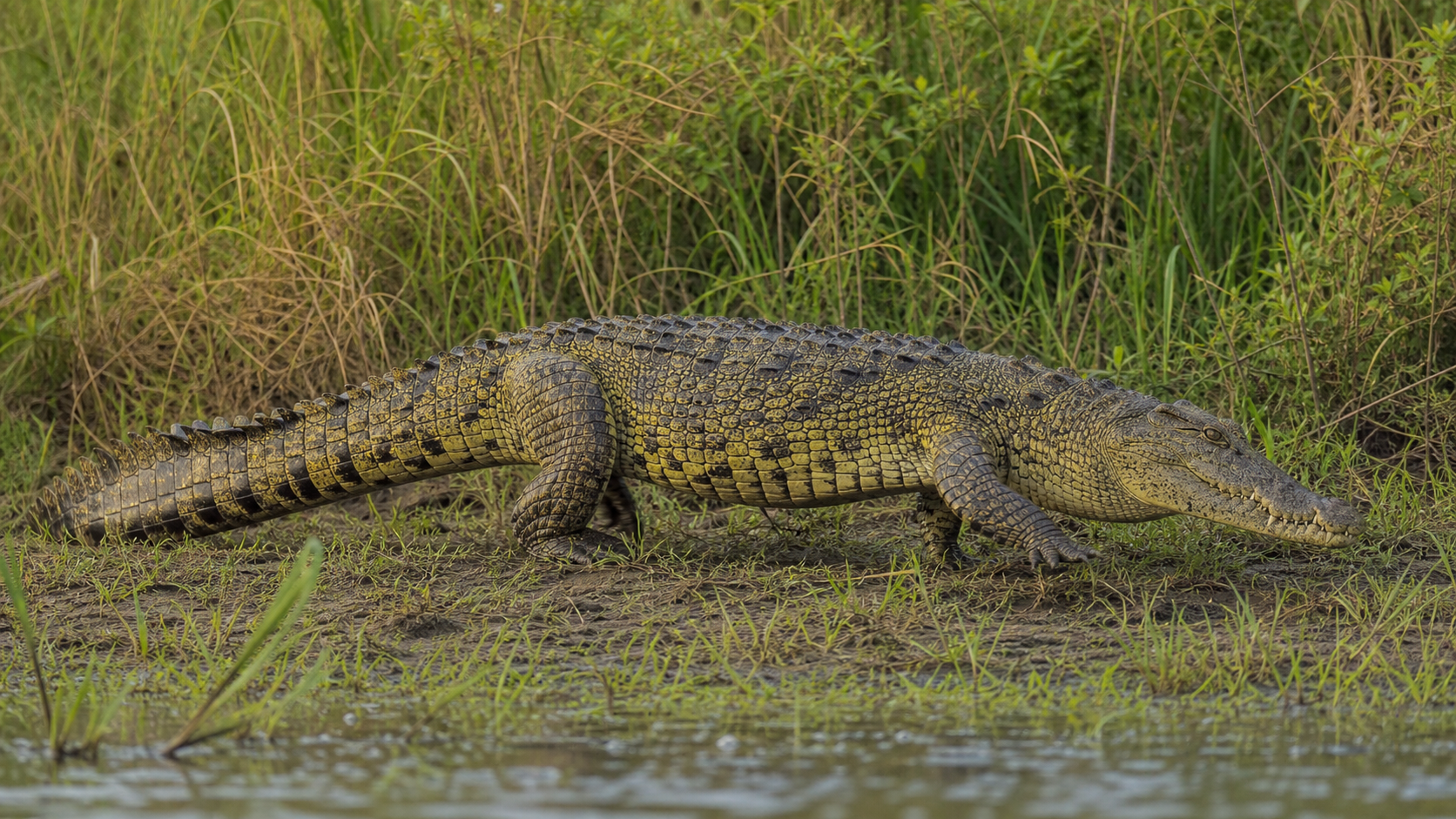
A river provides feeding opportunities, but banks and sandbars provide basking, nesting and resting places. Seasonal floods, shoreline development and changes to river flow can affect those places in different ways. A site that still holds water may not provide the same cover or nesting conditions if its banks have been altered.
Young and Adults Do Not Use Every Resource Alike
Smaller crocodiles are vulnerable to different predators and may rely on shallower cover than large adults. Food size and hunting opportunities also change as an animal grows. Describing these life stages separately makes a food-web account more accurate than treating every Nile crocodile as the same kind of predator.
Shared Water Requires Practical Safety
Communities living near crocodilian habitat need safe water access, clear local information and ways to report conflict. Do not test a shoreline because it looks quiet. Wildlife safety is based on local conditions and official guidance, not on whether a crocodile is visible at one moment.
Sources and review notes
Reviewed 23 August 2026. Reptile biology is wonderfully variable. We have avoided turning one species, photograph or dramatic observation into a rule for an entire group, and we have used cautious wording where evidence or local conditions differ.
Reference starting points: The Reptile Database, The IUCN Red List of Threatened Species, and PubMed-indexed research. Conservation status, taxonomy and local laws can change, so check the linked databases and the relevant local authority for current information.
Spotted something we should revisit? Send Reptile Explorer a correction—thoughtful reader feedback is always welcome.