Colour Change Has Several Purposes
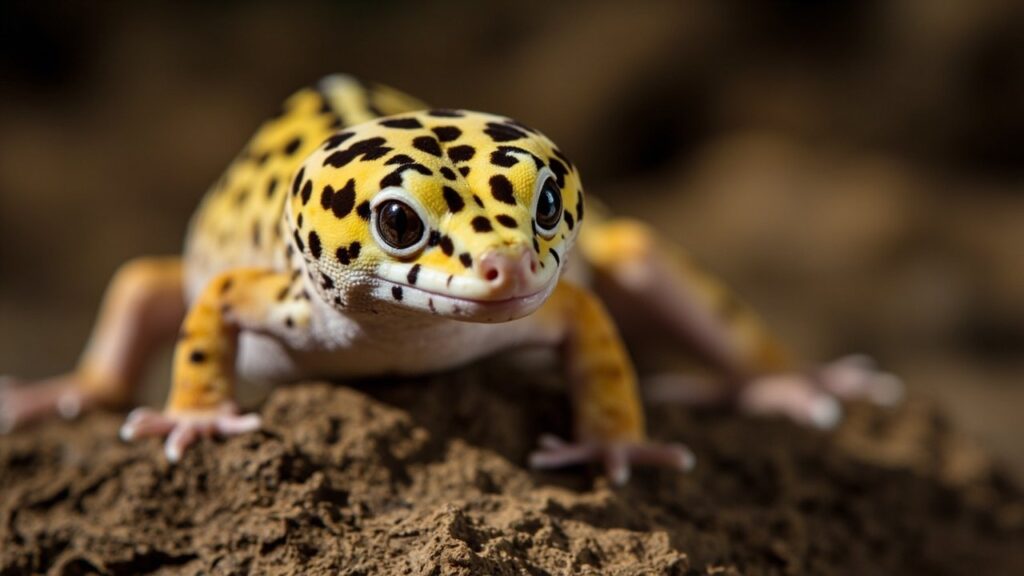
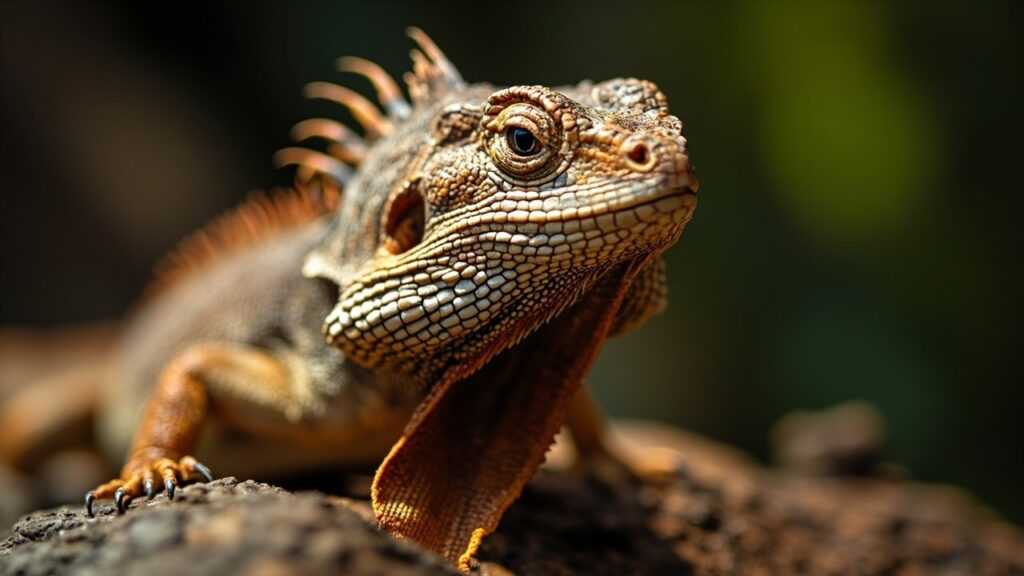
Chameleons are not simply animals that match any background on command. Colour can contribute to camouflage, but it also plays important roles in social signalling, courtship, territorial displays and responses to temperature or stress. The range and speed of change differ among species, individuals and situations.

How the Skin Produces Colour
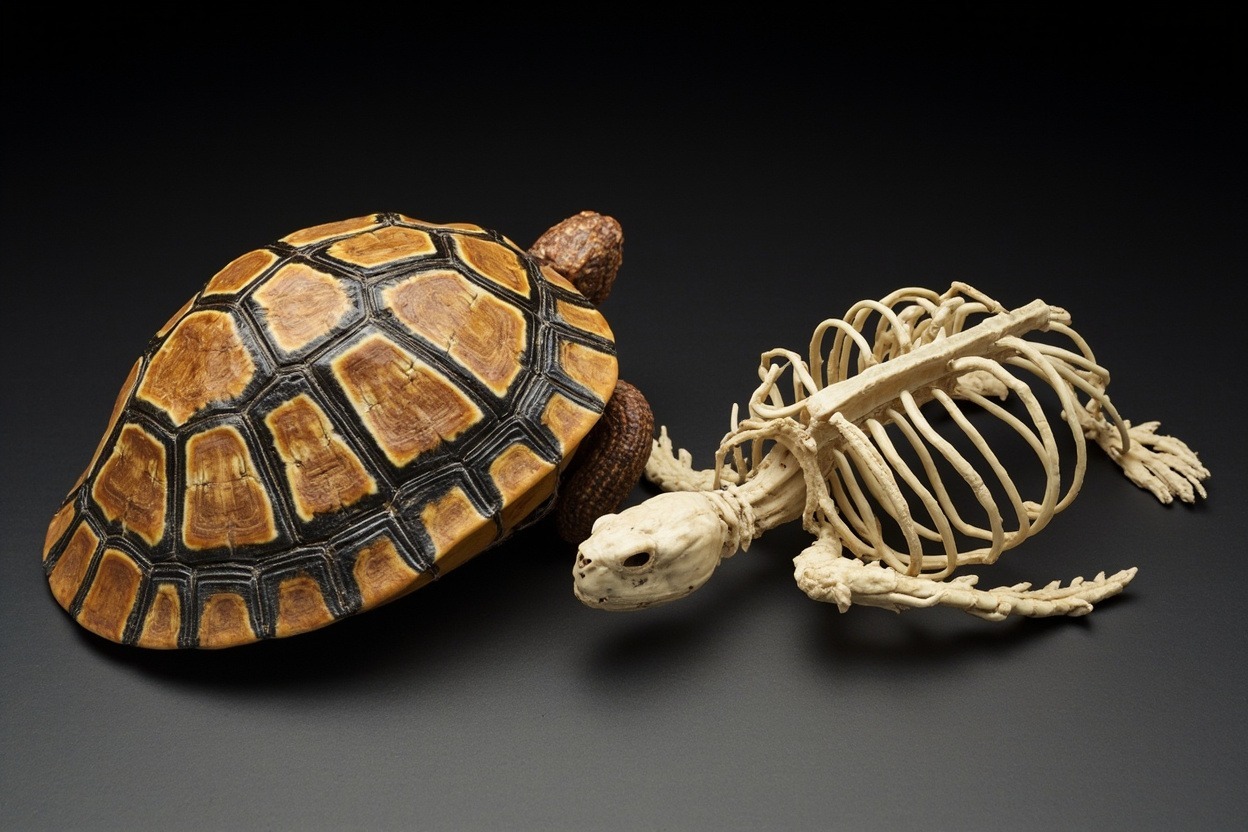
Chameleon skin contains multiple layers of specialised cells. Pigment cells affect light absorption, while reflective iridophore cells can alter the wavelengths reflected from the skin. In some species, changes in the arrangement of tiny guanine crystals within iridophores help produce rapid shifts in visible colour.
Specialists in Their Own Habitats
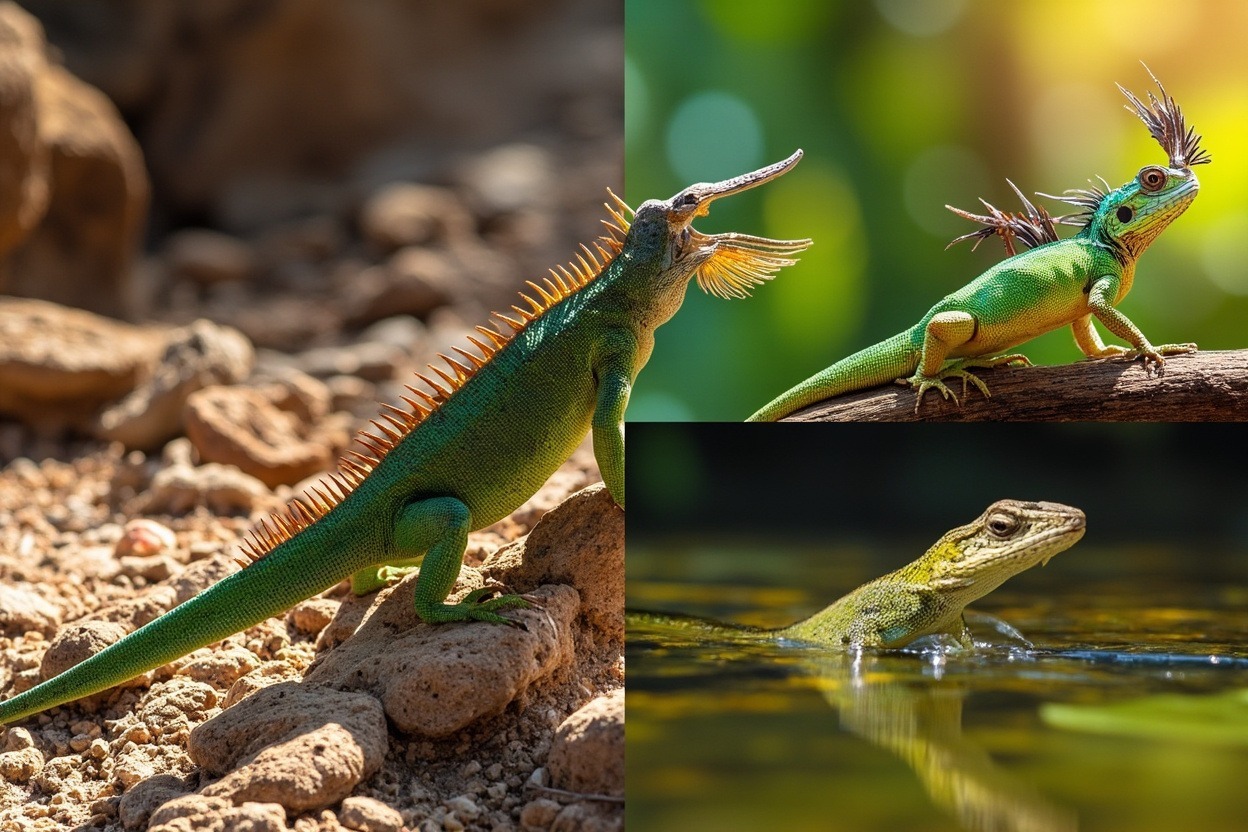
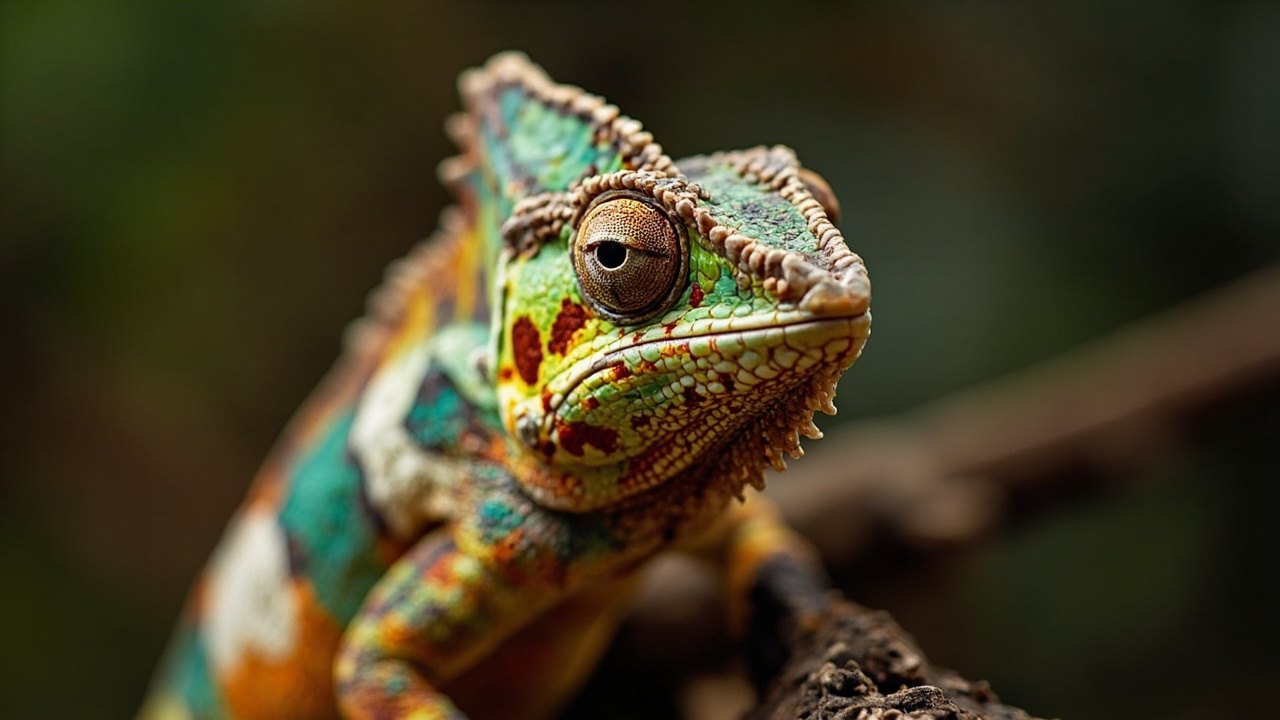
Many chameleons are adapted to life in vegetation, with grasping feet, prehensile tails and independently mobile eyes. Those features do not make every chameleon an easy captive animal. Handling should be limited, enclosure conditions must be species-specific, and dramatic colour change alone should never be used to diagnose health or emotional state.
Different species use colour differently
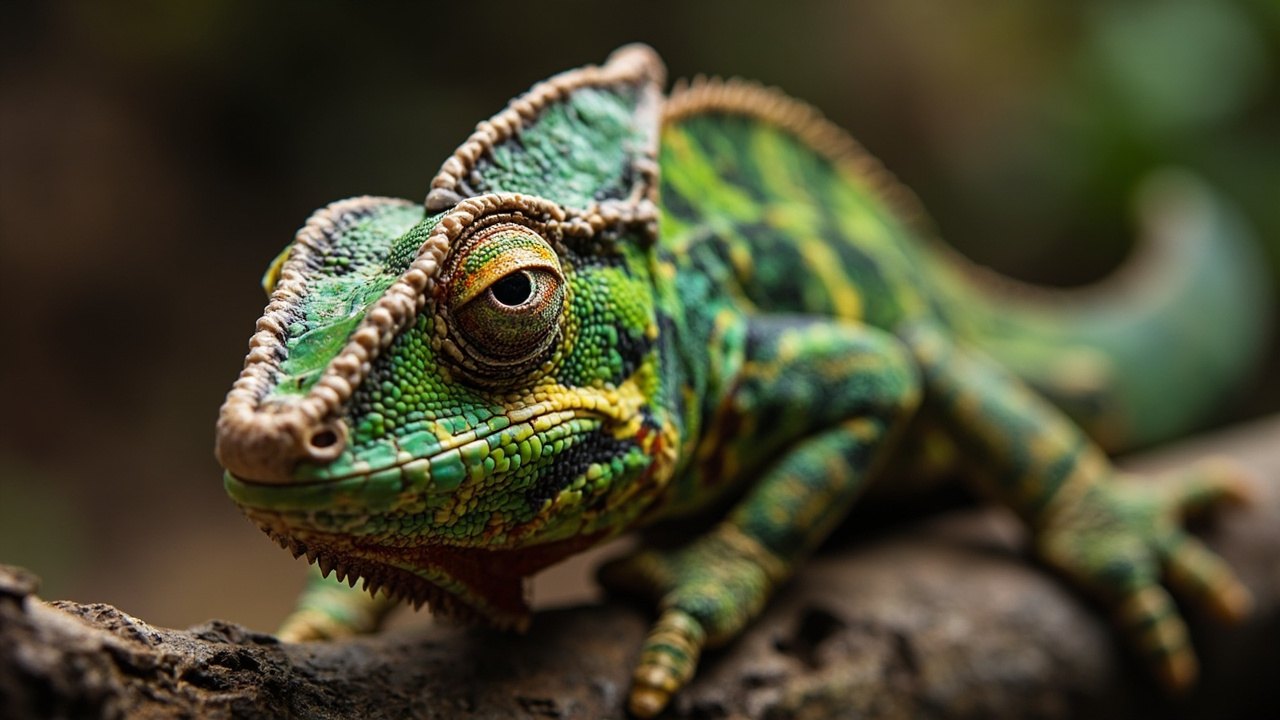
There are many chameleon species, and they do not share one universal colour system. Some show bold social patterns, some change more subtly, and some are highly specialized for particular vegetation or climates. A colour that appears bright in one species may have a different context in another. Lighting, photography, temperature, posture, and the background can also change what a human observer thinks they see.
Colour is only one signal. A chameleon may communicate through body orientation, inflation, head movement, position on a perch, and distance from another animal. Independently mobile eyes help the animal scan its surroundings, while its grasping feet and prehensile tail support careful movement through vegetation. Those features are adaptations for a particular way of life, not proof that every chameleon can thrive in the same enclosure or habitat.
Species-specific care and conservation matter
Wild chameleons can be affected by habitat loss, collection, road traffic, and local environmental change, but the pressure and legal protection vary by species and place. Records should use a verified name and location where possible. For captive animals, husbandry should be based on the exact species, life stage, and health status, with appropriate opportunities for climbing, drinking, temperature regulation, and privacy. A dramatic colour shift can be worth noting, but it should not replace a broader assessment of behaviour or professional veterinary advice when an animal seems unwell.
Sources and review notes
Reviewed 23 August 2026. Reptile biology is wonderfully variable. We have avoided turning one species, photograph or dramatic observation into a rule for an entire group, and we have used cautious wording where evidence or local conditions differ.
Reference starting points: The Reptile Database, The IUCN Red List of Threatened Species, and PubMed-indexed research. Conservation status, taxonomy and local laws can change, so check the linked databases and the relevant local authority for current information.
Spotted something we should revisit? Send Reptile Explorer a correction—thoughtful reader feedback is always welcome.