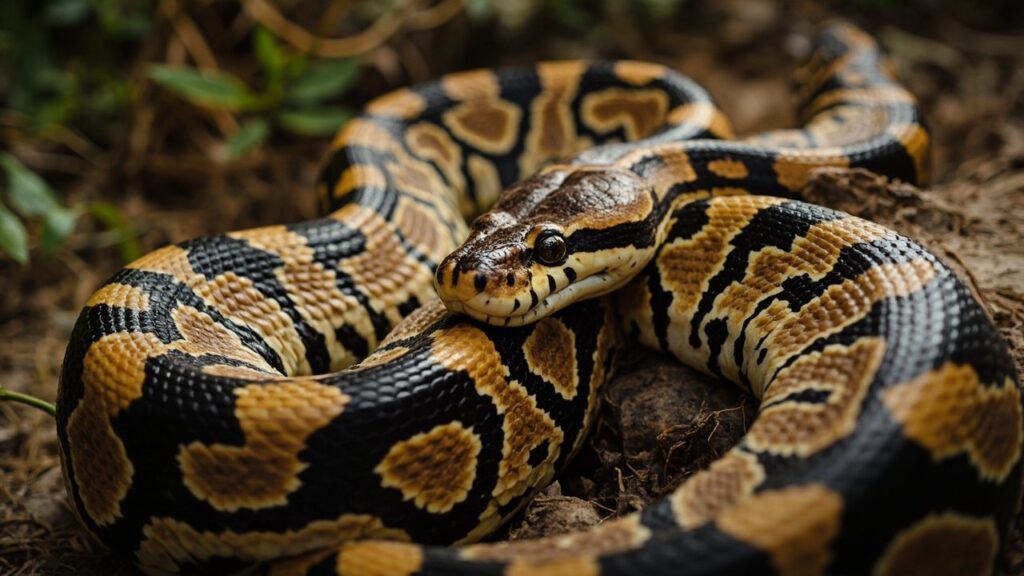
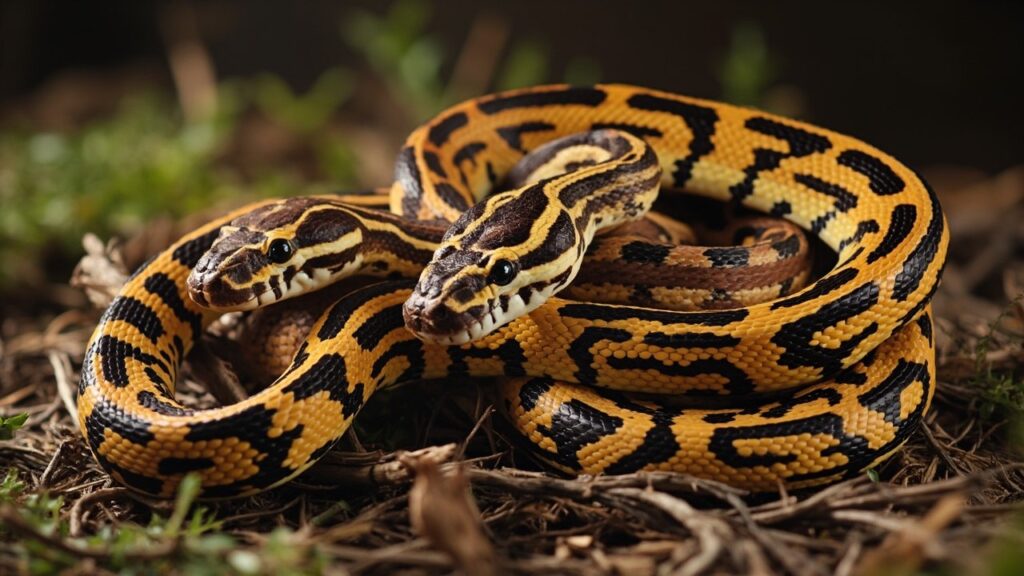
A Popular Species, Not a Simple Commitment
The corn snake (Pantherophis guttatus) is often chosen by new keepers because many captive-bred individuals are manageable and adaptable. That reputation should not be mistaken for low-maintenance care. A responsible keeper plans for a long-lived animal, secure housing, routine cleaning, veterinary costs and a reliable source of appropriate food.

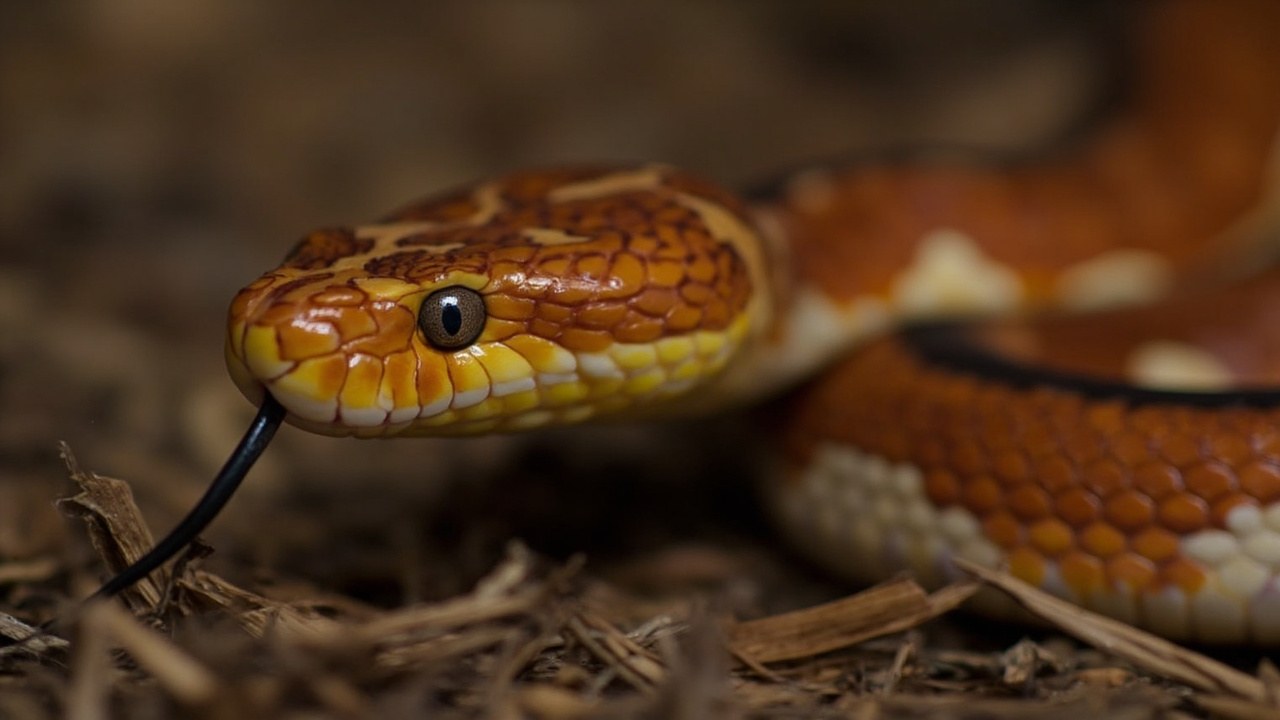
Design the Enclosure Around Choice
A suitable enclosure gives the snake room to move, secure hides in more than one thermal area, clean water, safe substrate and escape-proof construction. Heating should create a species-appropriate gradient rather than a uniformly hot box. Conditions should be checked with reliable equipment and adjusted to the individual snake’s needs and health history.
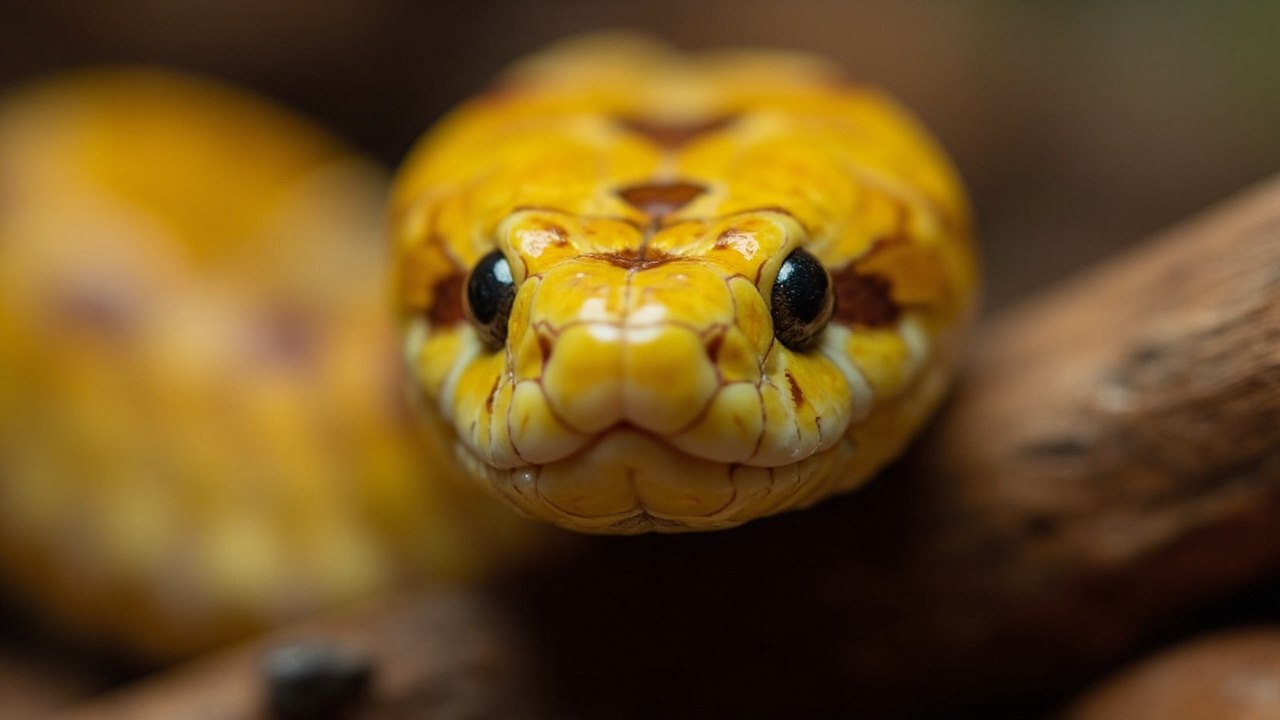
Feeding, Handling and Health
Appropriately sized frozen-thawed prey is generally the safer feeding choice for captive corn snakes. Handling should be calm and optional, not forced as proof that a snake is “friendly.” Choose ethically bred animals, wash hands after contact and seek a reptile veterinarian for persistent appetite, shedding, breathing, skin or behaviour concerns.
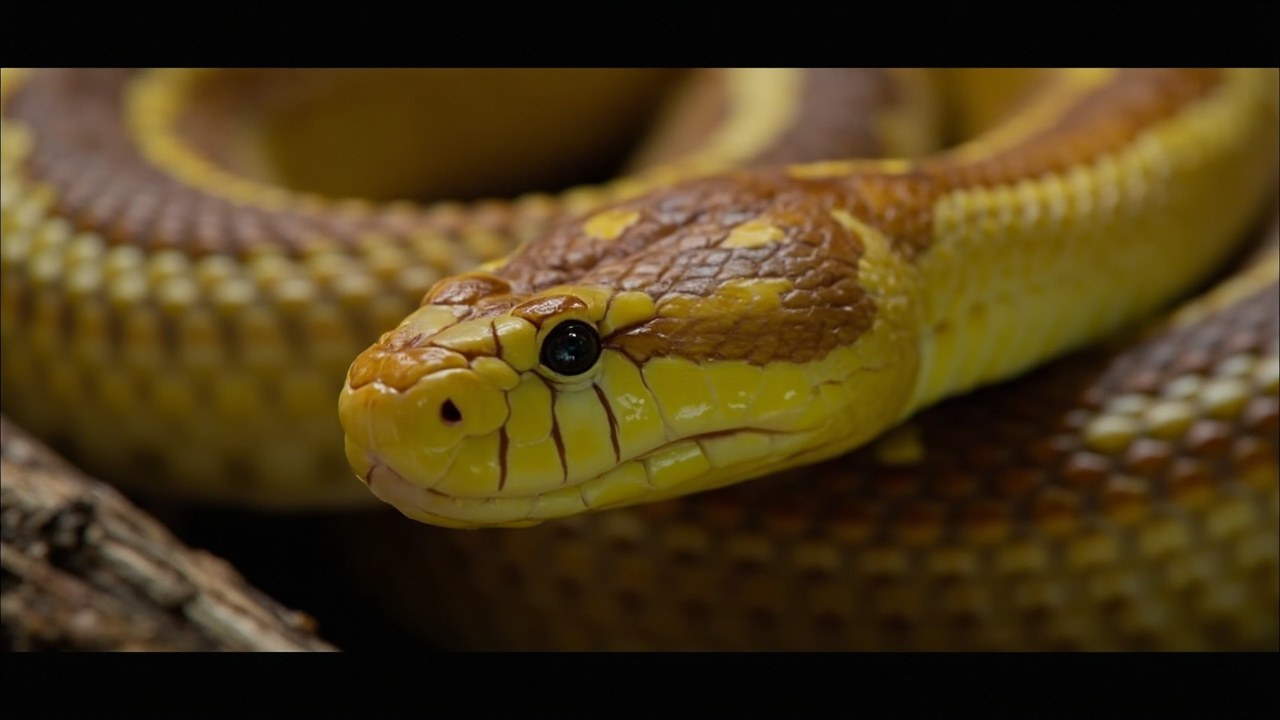
A Care Plan Starts Before Purchase
Corn snakes are often described as manageable pets, but manageability is not the same as low responsibility. A keeper needs a secure enclosure, suitable temperature choices, clean water, appropriate feeding arrangements, access to veterinary care and a plan for the snake’s full lifespan. Captive-bred animals with clear origin and health information are preferable to animals of unknown background or wild capture.
Escape prevention deserves the same attention as heating and feeding. Snakes can use small gaps, loose lids and poorly fitted cable openings. An enclosure should be checked after cleaning or moving furniture, and any escape should be handled calmly rather than by placing traps or releasing the animal outdoors.
House the Individual, Not a General Label
Age, body size, health status and behaviour affect how a corn snake uses its enclosure. Hides, a thermal gradient, safe substrate and room to move allow the snake to choose conditions rather than being exposed to one uniform space. A feeding response, a shed or a period of hiding does not diagnose health on its own. Repeated changes should be recorded with basic husbandry information.
Wild Snakes Are Not Pet Stock
Never release a captive corn snake, even where the species occurs naturally. Captive animals can carry pathogens or have genetic backgrounds that do not belong in a local population. A persistent health concern, regurgitation, unusual breathing or unexpected weight change should be assessed by a reptile-qualified veterinarian.
Sources and review notes
Reviewed 23 August 2026. Care works best when it starts with the exact species in front of you. We checked this article against current veterinary husbandry guidance, but measured enclosure conditions and a reptile-experienced veterinarian should guide decisions for an individual animal.
Reference starting points: Merck Veterinary Manual: reptile management and husbandry, CDC: healthy handling around reptiles and amphibians, and The Reptile Database. Conservation status, taxonomy and local laws can change, so check the linked databases and the relevant local authority for current information.
Spotted something we should revisit? Send Reptile Explorer a correction—thoughtful reader feedback is always welcome.