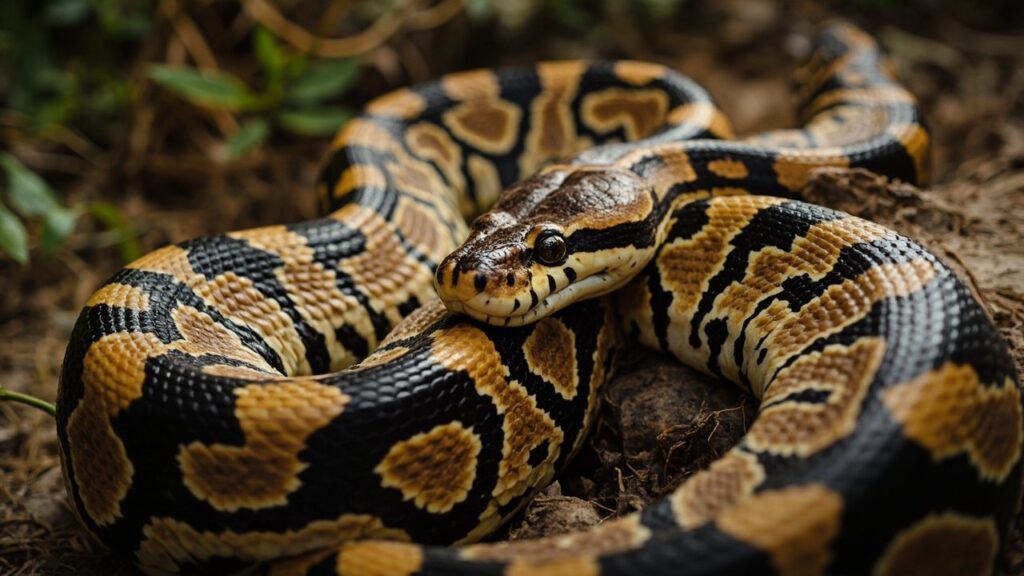
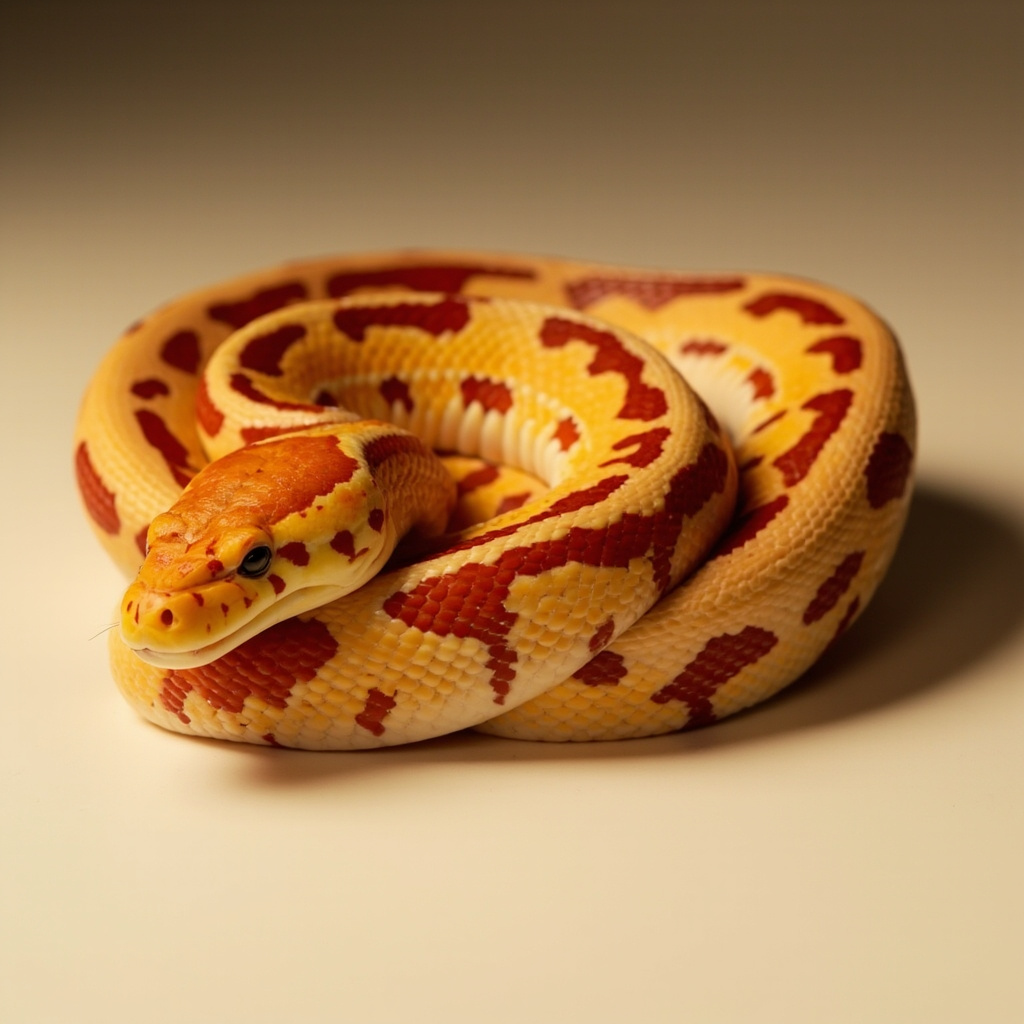
Kingsnakes are a group, not one pattern
Kingsnakes are species in the genus Lampropeltis, and their colours and markings vary by species, locality and individual. Dark chain-like patterns, bands, stripes and mottling can all occur, but colour is not a reliable substitute for a proper identification using range, scalation and reputable field guidance.

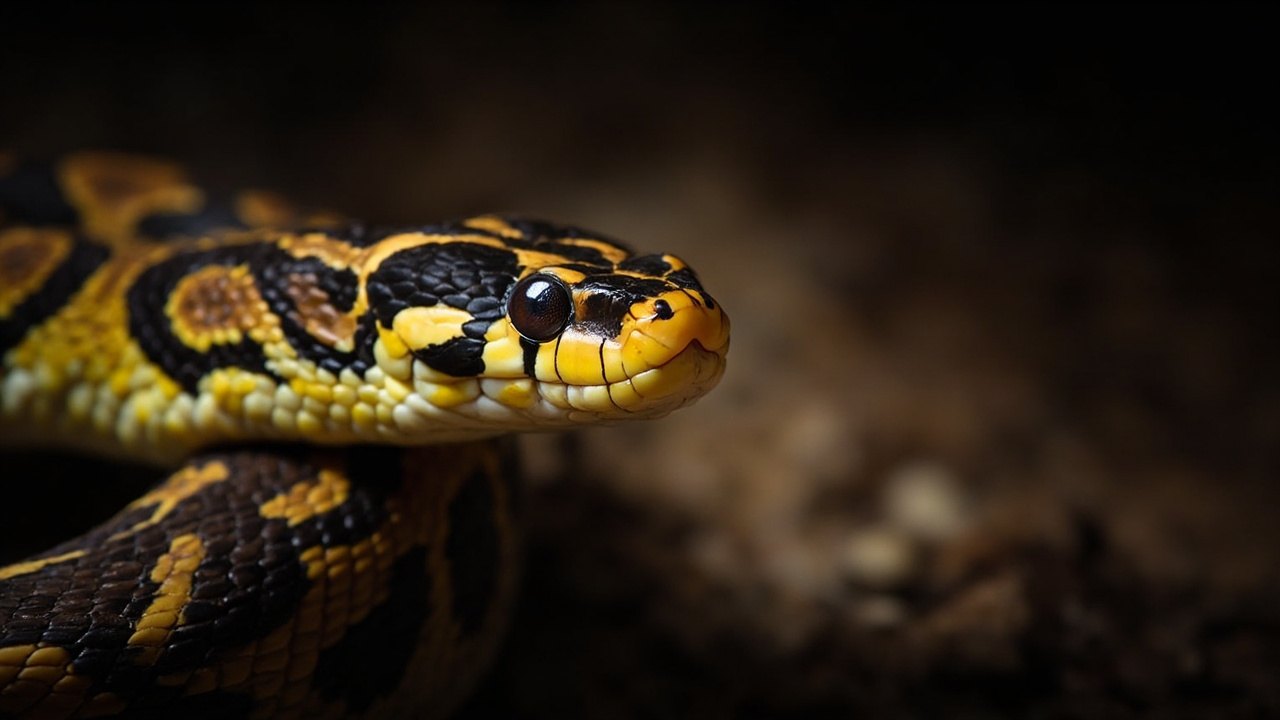
Wild variation and captive morphs are different topics
Natural pattern variation may help camouflage, communication or mimicry in particular settings. Captive morphs are inherited colour and pattern traits selected by breeders. They should not be described as wild adaptations, nor should images of a captive morph be used to identify a snake encountered outdoors.
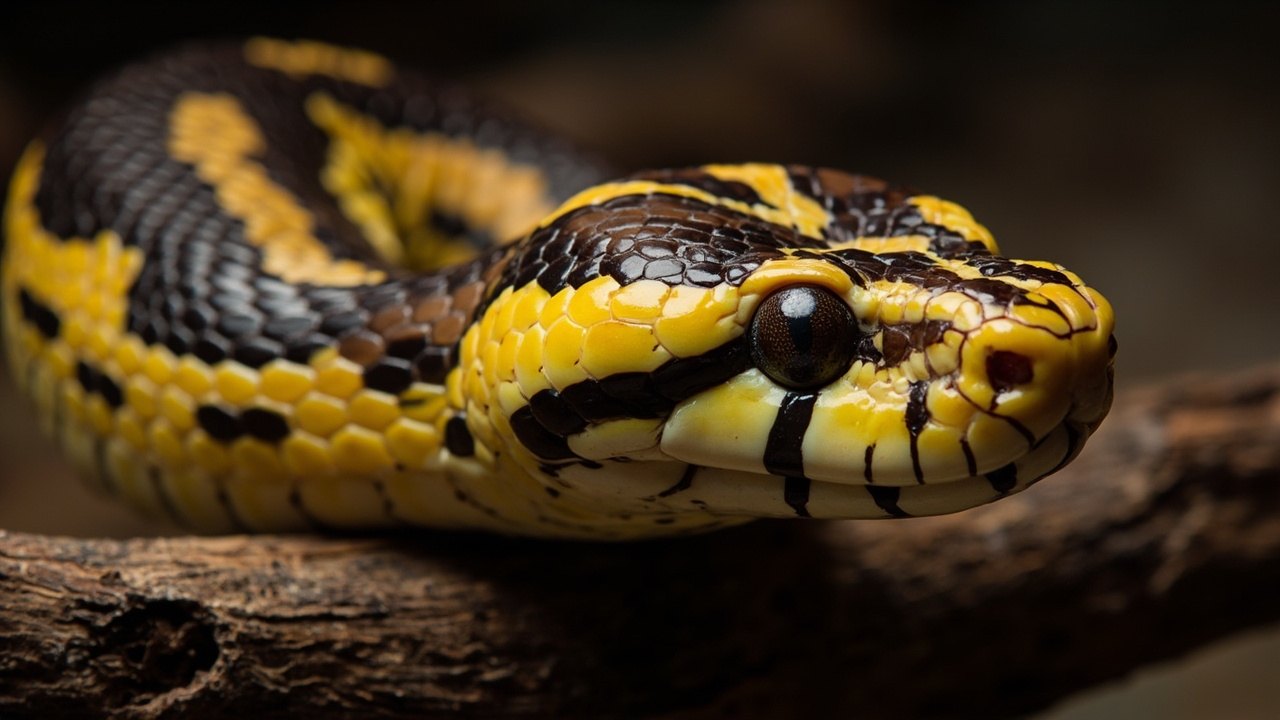
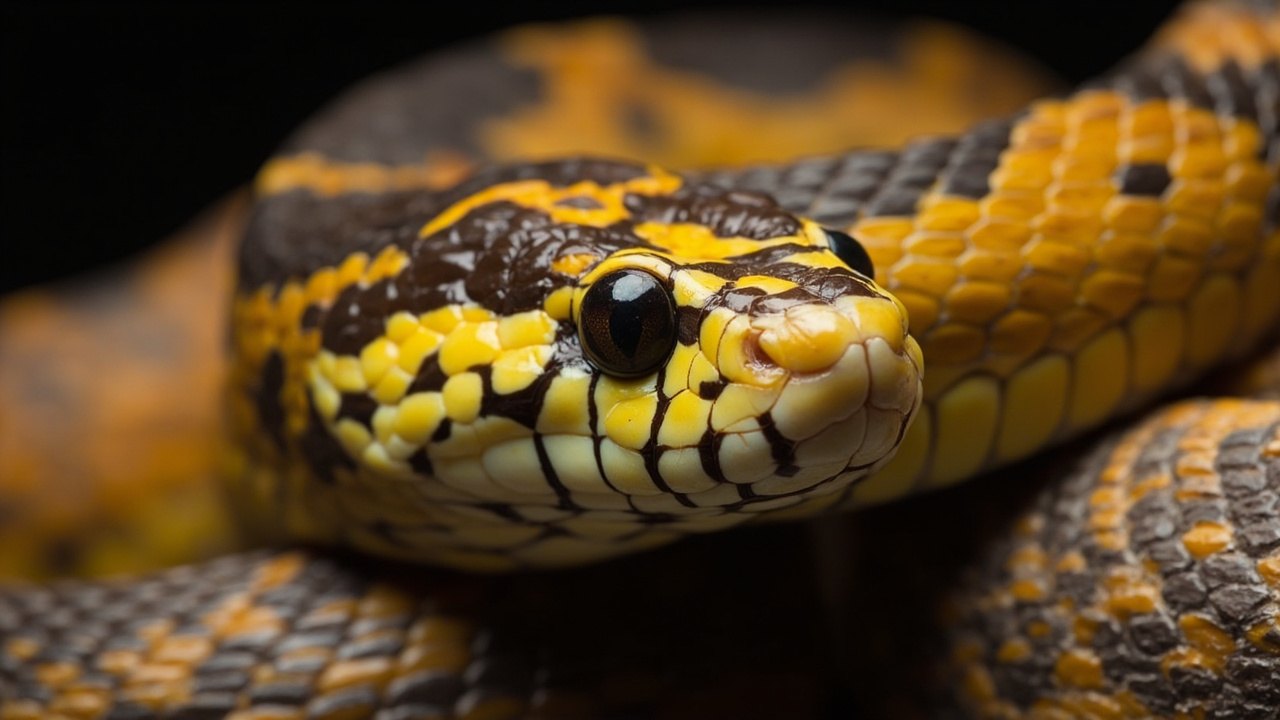
Respectful observation and responsible care
Most kingsnakes are non-venomous, but any wild snake may bite if handled. Observe from a distance and contact a local expert if identification affects safety decisions. Prospective keepers should research the exact species, lawful source, long-term enclosure needs and veterinary access before acquiring a captive-bred animal.
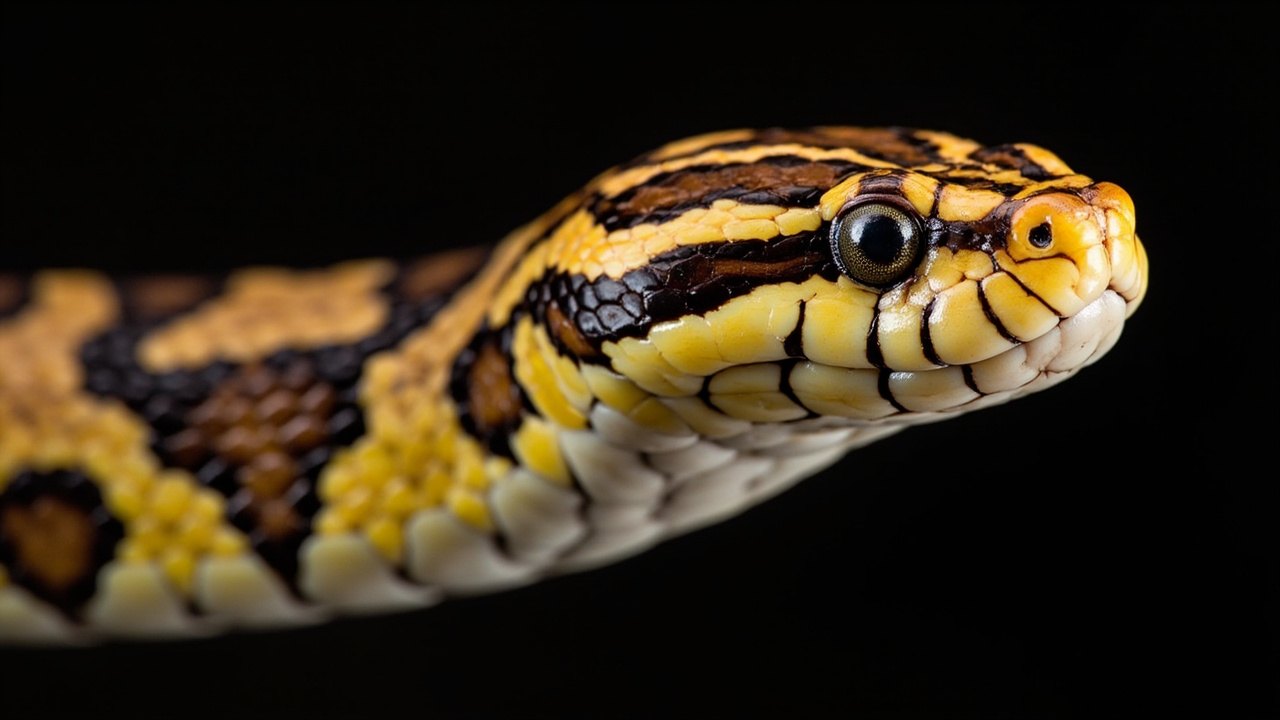
Geographic Variation Needs Context
Wild kingsnake colour and pattern are records of an individual in a place. Within the genus Lampropeltis, a banded, striped or mottled appearance can reflect species, locality, age and individual variation. It cannot confirm an identification on its own. A useful field record combines a clear photograph, date, broad location, habitat, body form and a regional guide. That evidence keeps a wild phenotype separate from a breeder’s name for a captive animal.
Morph Labels Describe Breeding History
Captive morphs arise when keepers select inherited colour or pattern traits over generations. Some labels refer to a single well-established trait; others describe a line, combination or marketplace term. A morph name therefore does not establish a snake’s species, wild origin or welfare. Breeders who record parentage, scientific identification, hatch date, feeding history and veterinary information give future keepers useful provenance rather than relying on appearance alone.
Good Records Support Responsible Care
Captive-bred kingsnakes should not be released outdoors, even near a place that appears suitable. A released animal may carry pathogens, have mixed ancestry or be unable to survive locally. For wild snakes, distance is the best practice. A photograph taken without handling the animal can preserve pattern information while allowing the snake to continue using cover, temperature choices and travel routes normally.
Sources and review notes
Reviewed 23 August 2026. Reptile biology is wonderfully variable. We have avoided turning one species, photograph or dramatic observation into a rule for an entire group, and we have used cautious wording where evidence or local conditions differ.
Reference starting points: The Reptile Database, The IUCN Red List of Threatened Species, and PubMed-indexed research. Conservation status, taxonomy and local laws can change, so check the linked databases and the relevant local authority for current information.
Spotted something we should revisit? Send Reptile Explorer a correction—thoughtful reader feedback is always welcome.