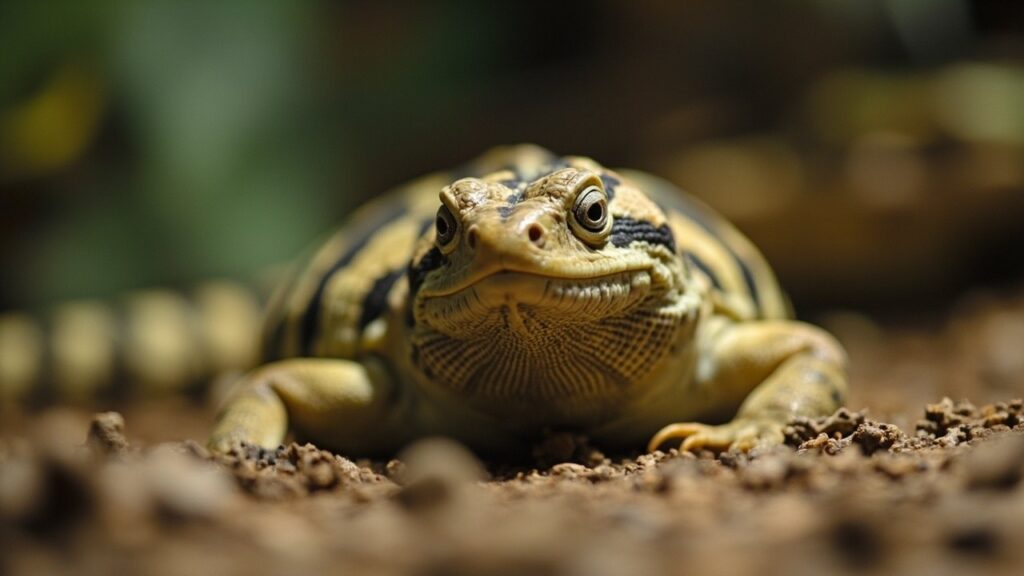
Summer Changes the Whole Enclosure
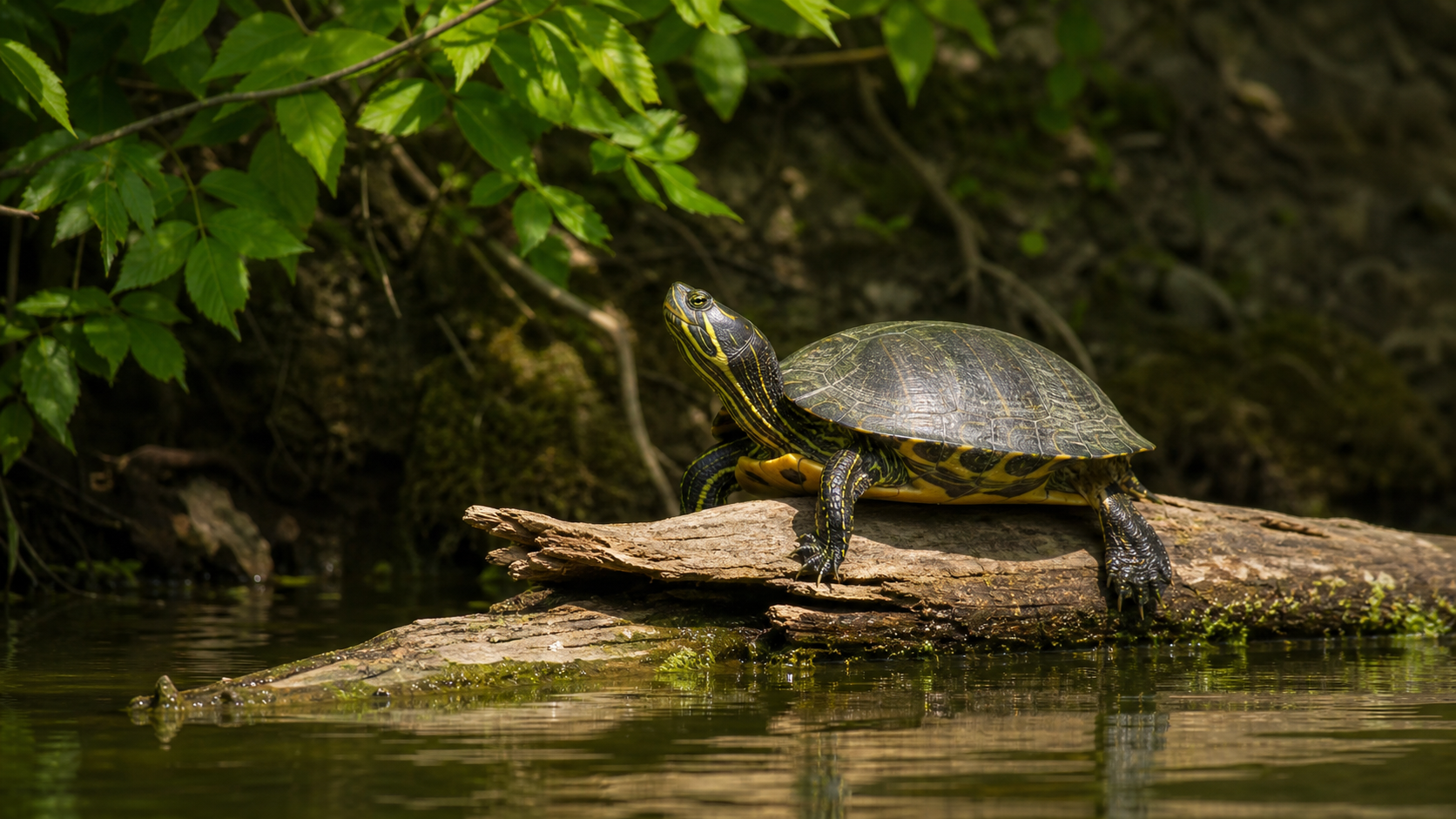
Warm weather can raise temperatures in a reptile enclosure even when the heat source has not changed. Basking should provide a controlled, species-appropriate option, not unrestricted heat. Check the warm area, cool retreat and surrounding room regularly, especially during heat waves, power changes or periods of strong sun.

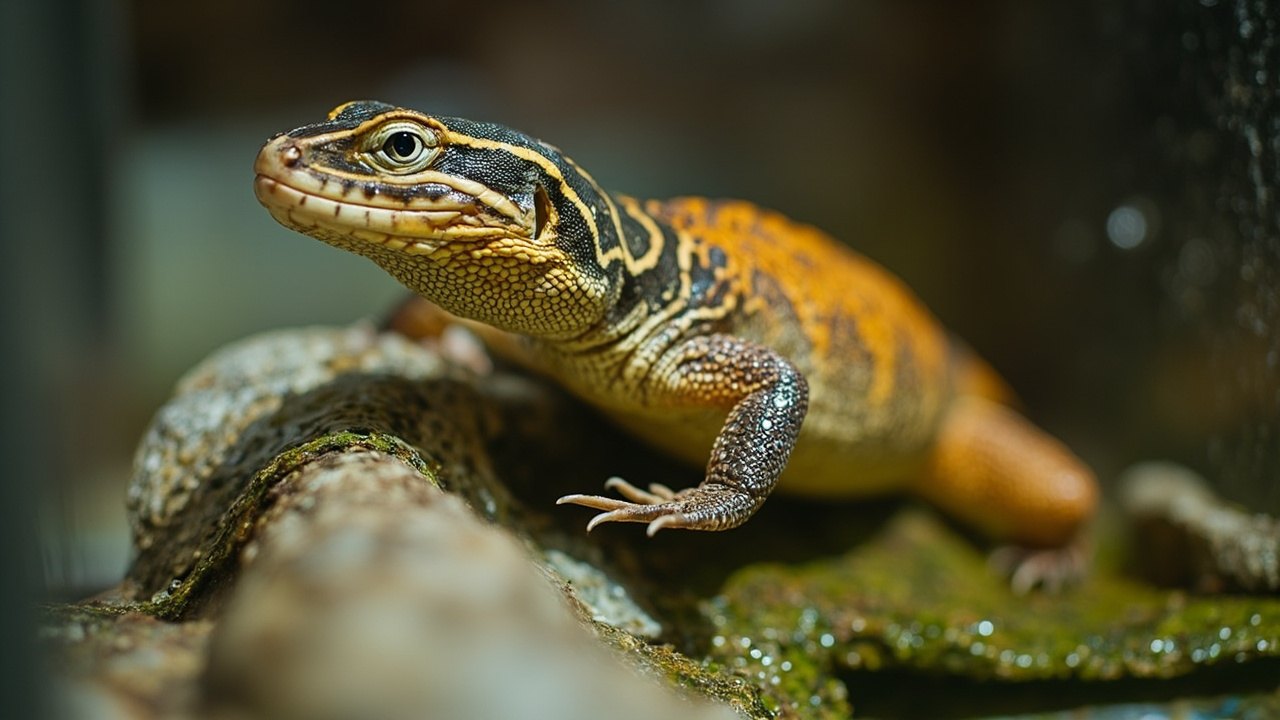
Hydration Is Species-Specific
Fresh, clean water should be available in a form the species can use safely, but reptiles do not all drink, soak or use humidity in the same way. Do not impose a generic drinking schedule or force soaking. Instead, match water access, humidity, misting and enclosure ventilation to the species’ natural history and veterinary guidance.
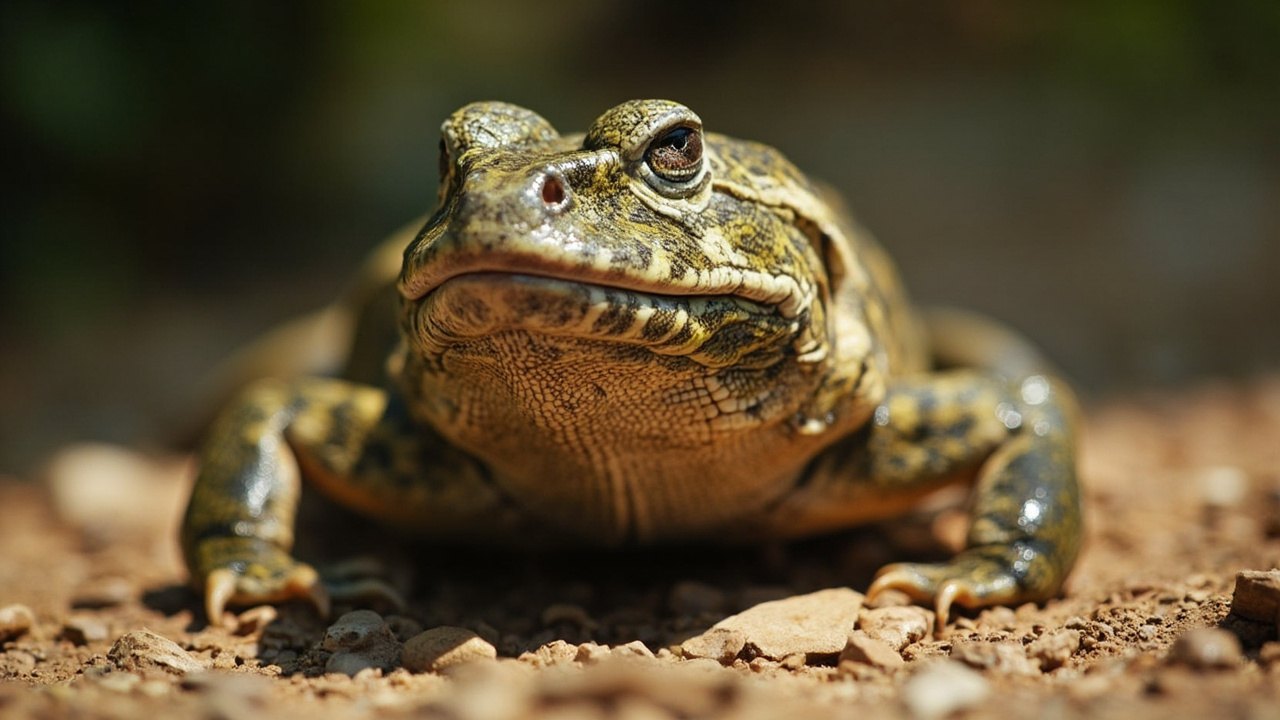
Prevent Overheating Before It Starts
Use thermostatically controlled equipment, provide secure shade and hides, and protect animals from direct, uncontrolled sunlight through glass or plastic. Changes in behaviour, appetite, appearance or activity during hot weather deserve prompt husbandry review. If overheating or dehydration is suspected, contact a qualified reptile veterinarian rather than relying on online first aid.
Measure Conditions Where the Reptile Rests
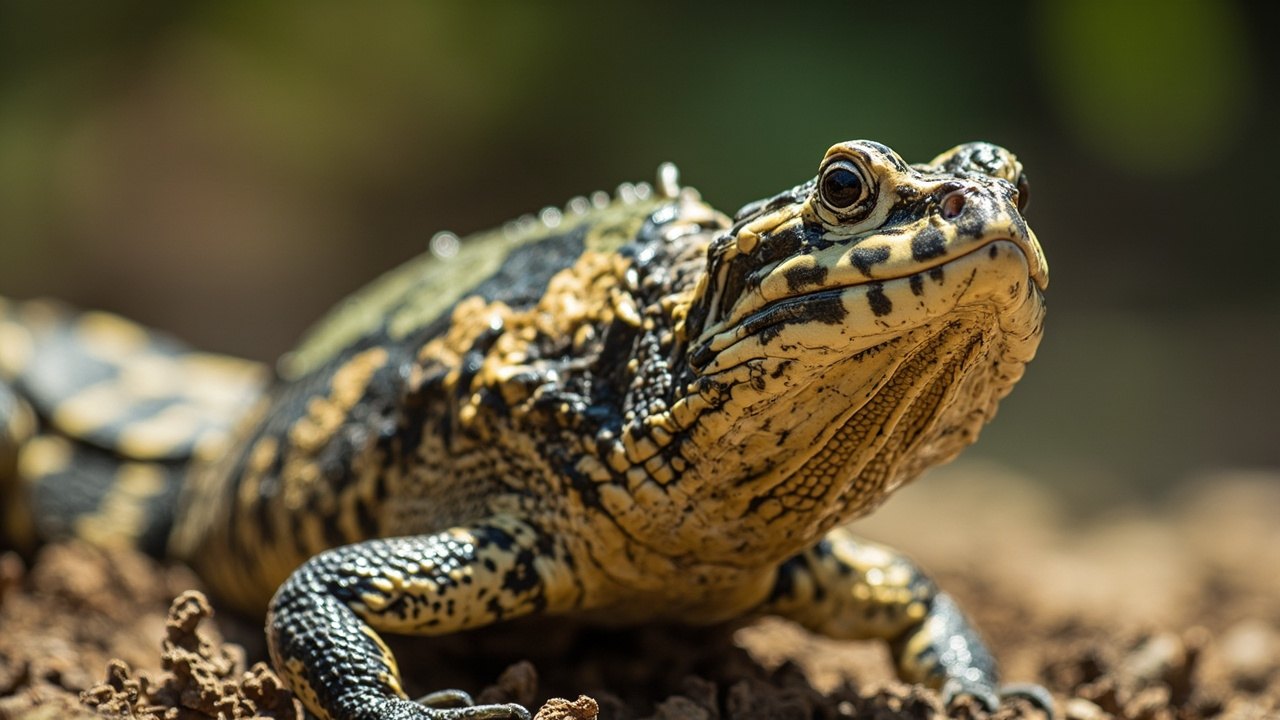
Summer monitoring should include the warm area, the cool retreat, hides and the room outside the enclosure. Air temperature, surface temperature and direct sunlight can differ sharply within a few centimetres. Take readings at several times of day, especially during a heat wave or after changing furniture, bulbs, ventilation or room cooling. A thermostat controls a heat source, but it cannot guarantee that the whole enclosure remains within the species’ safe range.
Water and Humidity Are Separate Variables
Fresh water should be clean, accessible and suited to the species, but a larger water bowl does not automatically correct unsuitable humidity or excessive heat. Misting, soaking and humid hides are appropriate only when they match the reptile’s natural history and husbandry plan. Increased moisture also requires cleaning and ventilation so that uneaten food, waste, mould and stagnant water do not create another problem.
Prepare Before a Hot Day Arrives
Keep temperature records, test backup plans, and know which room stays coolest if indoor temperatures rise. Direct sun through glass or plastic can rapidly heat an enclosure beyond the reading at a nearby thermostat. Avoid abrupt, improvised cooling methods. If a reptile shows concerning changes in condition, activity, breathing or posture, contact a qualified reptile veterinarian while reviewing the actual temperature and humidity data.
Sources and review notes
Reviewed 23 August 2026. Care works best when it starts with the exact species in front of you. We checked this article against current veterinary husbandry guidance, but measured enclosure conditions and a reptile-experienced veterinarian should guide decisions for an individual animal.
Reference starting points: Merck Veterinary Manual: reptile management and husbandry, CDC: healthy handling around reptiles and amphibians, and The Reptile Database. Conservation status, taxonomy and local laws can change, so check the linked databases and the relevant local authority for current information.
Spotted something we should revisit? Send Reptile Explorer a correction—thoughtful reader feedback is always welcome.