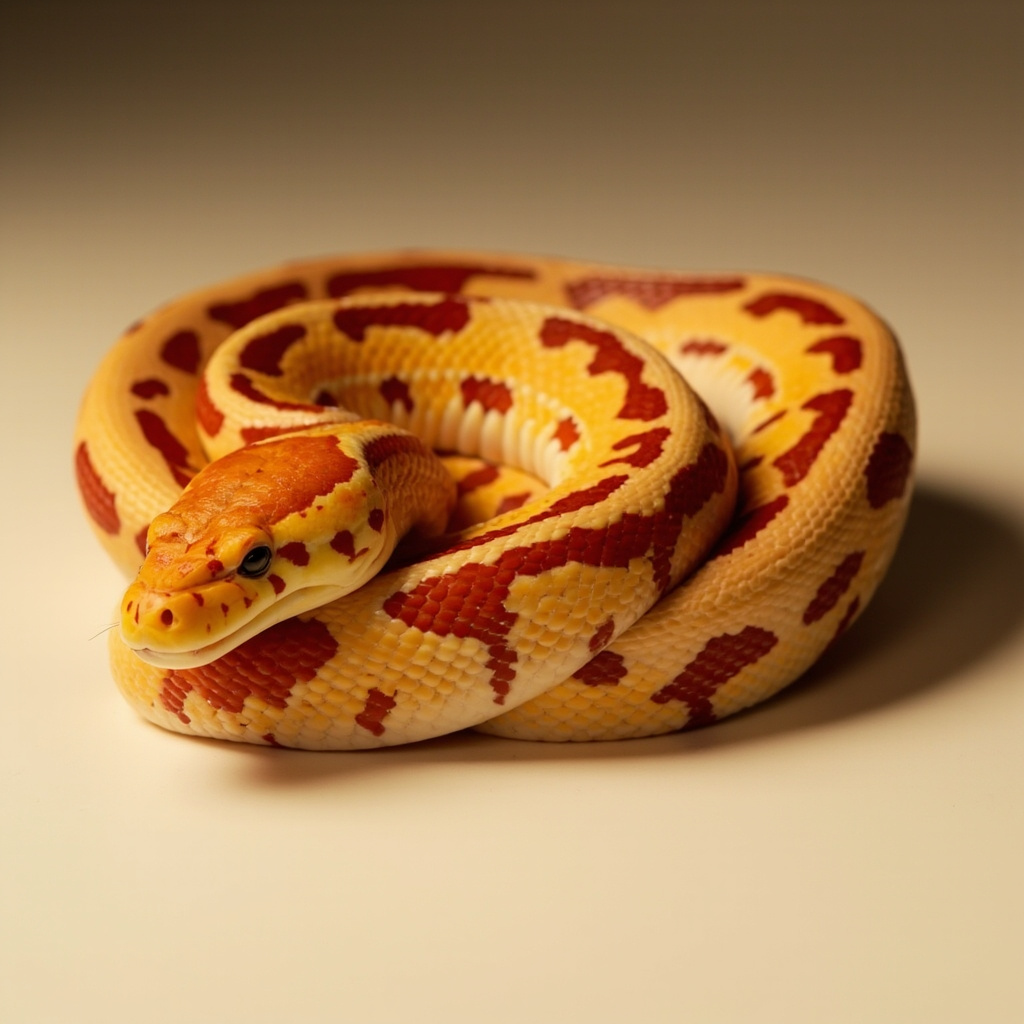
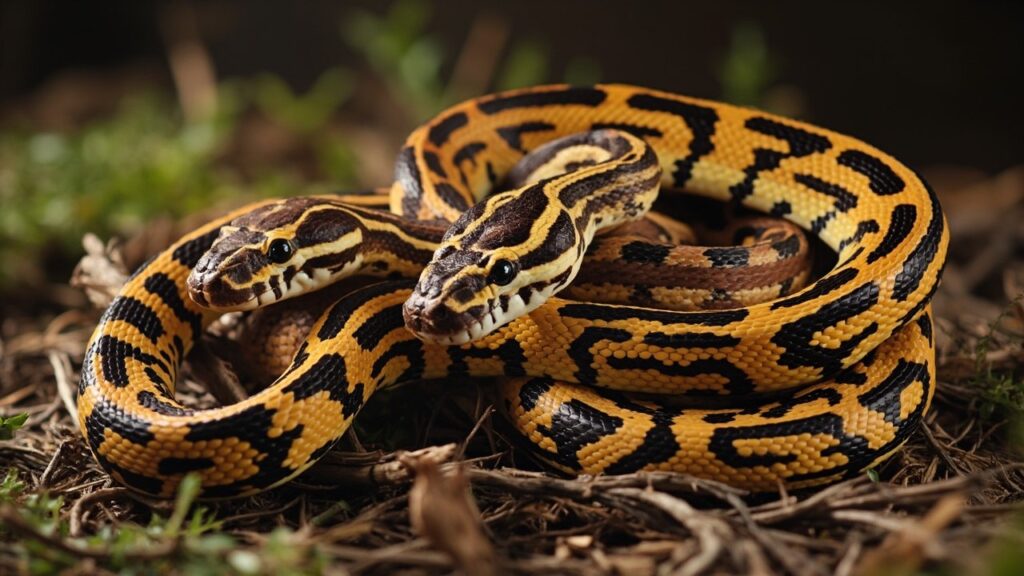
A West and Central African python
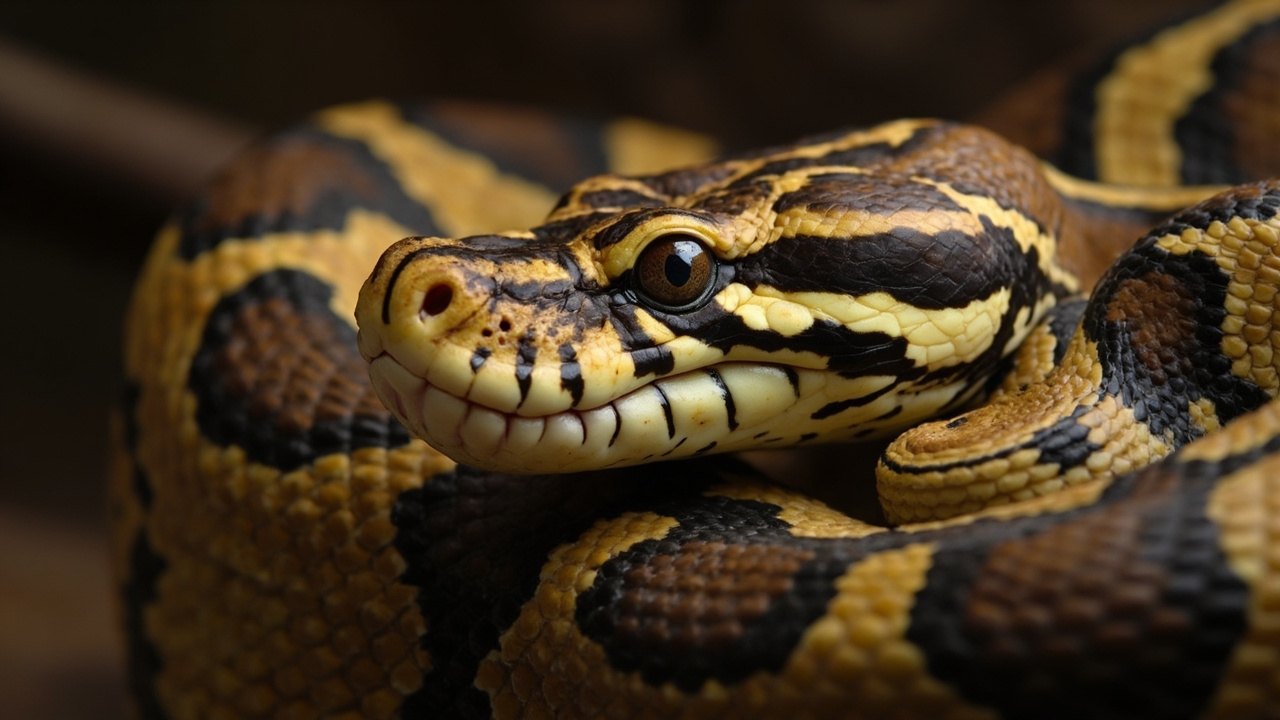
The ball python, Python regius, is also called the royal python. It occurs across parts of West and Central Africa, where it uses grassland, open woodland, burrows, and other cover. In the heat of the day it may shelter in animal burrows or termite mounds. Wild animals should not be collected or treated as props for photographs.

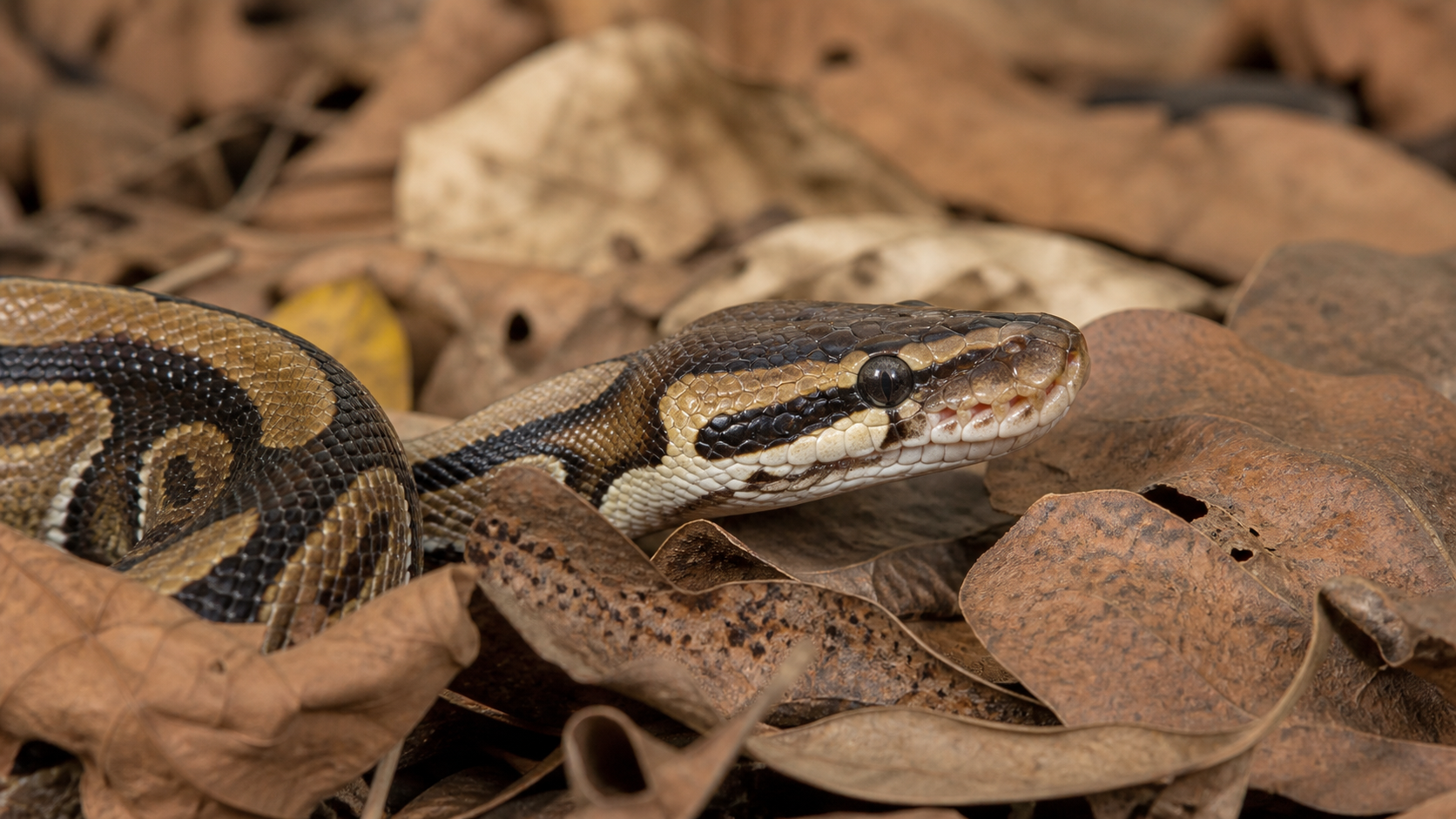
Its defensive posture explains the common name
When threatened, a ball python may coil tightly with its head protected in the centre. This is a defensive response, not proof that the snake enjoys handling. Ball pythons are nonvenomous constrictors that take suitable prey whole. Captive-bred colour and pattern morphs are the result of selective breeding and do not describe a separate wild species.
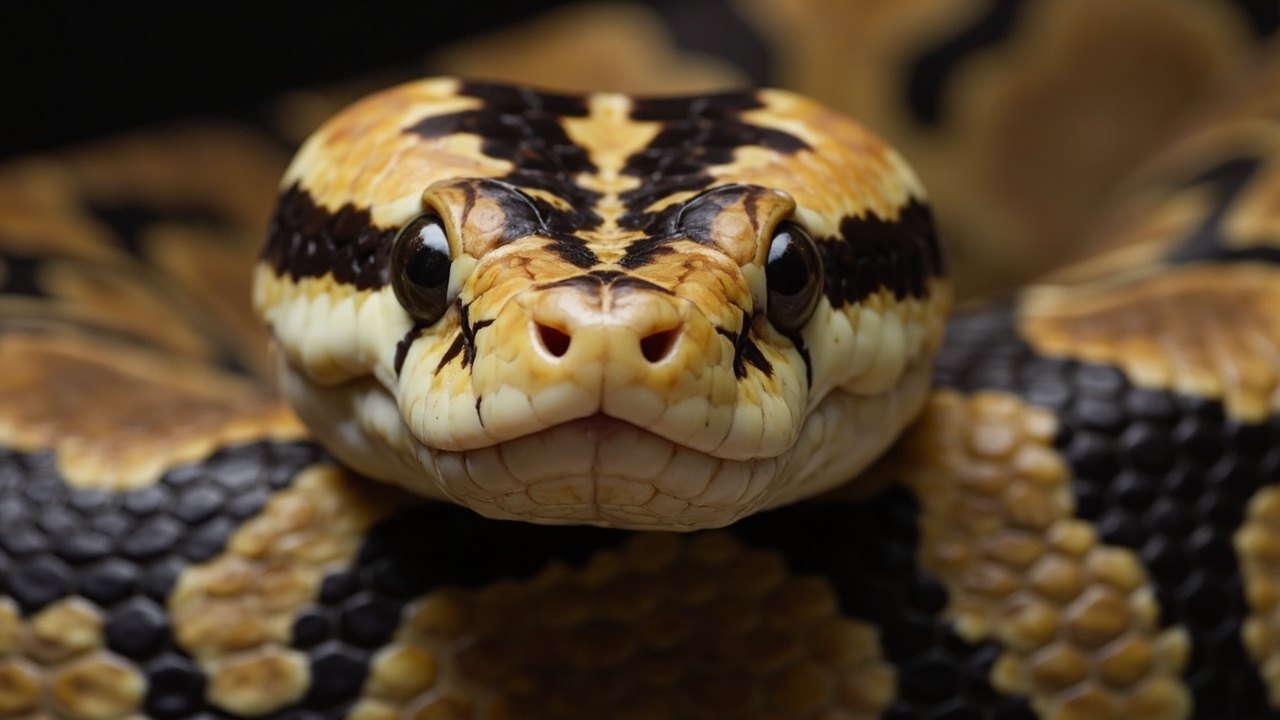
Good care is a long-term commitment
Anyone considering a ball python should research lawful, ethically sourced captive-bred animals and have a secure enclosure ready before purchase. The enclosure must provide species-appropriate temperature, humidity, cover, water, and a safe way to regulate body temperature. A snake that repeatedly refuses food, loses weight, shows breathing difficulty, or has a persistent shedding problem needs assessment by a reptile-experienced veterinarian.
Natural History Gives Care a Starting Point
Ball pythons use cover in grassland and woodland settings across parts of West and Central Africa. A captive enclosure cannot reproduce a continent, but it should give the animal secure, species-appropriate places to rest, regulate temperature and drink. An open box with a heat source is not enough to explain good care, because the snake’s use of cover and ability to choose conditions also matter.
The defensive balling posture can occur when an animal feels threatened. It is not a request for handling and should not be forced open for a photograph. Regular, gentle observation is generally more informative than repeated interaction intended to make the snake appear calm.
Source and Long-Term Planning Matter
Captive-bred animals with clear lawful provenance avoid adding demand for wildlife collection. A prospective keeper should consider the animal’s long lifespan, access to suitable veterinary care, secure housing during moves or outages and a plan if their circumstances change. Colour and pattern morphs are not a substitute for knowing the snake’s health history and breeder records.
Feeding Problems Need Context
Food refusal can have several causes, including season, enclosure conditions, stress or illness. Do not force-feed, make abrupt changes or assume a fasting period is harmless when body condition declines. A reptile-qualified veterinarian can assess persistent refusal, weight loss, discharge or breathing changes.
Sources and review notes
Reviewed 23 August 2026. Care works best when it starts with the exact species in front of you. We checked this article against current veterinary husbandry guidance, but measured enclosure conditions and a reptile-experienced veterinarian should guide decisions for an individual animal.
Reference starting points: Merck Veterinary Manual: reptile management and husbandry, CDC: healthy handling around reptiles and amphibians, and The Reptile Database. Conservation status, taxonomy and local laws can change, so check the linked databases and the relevant local authority for current information.
Spotted something we should revisit? Send Reptile Explorer a correction—thoughtful reader feedback is always welcome.