Rat Snake Is a Broad Common Name
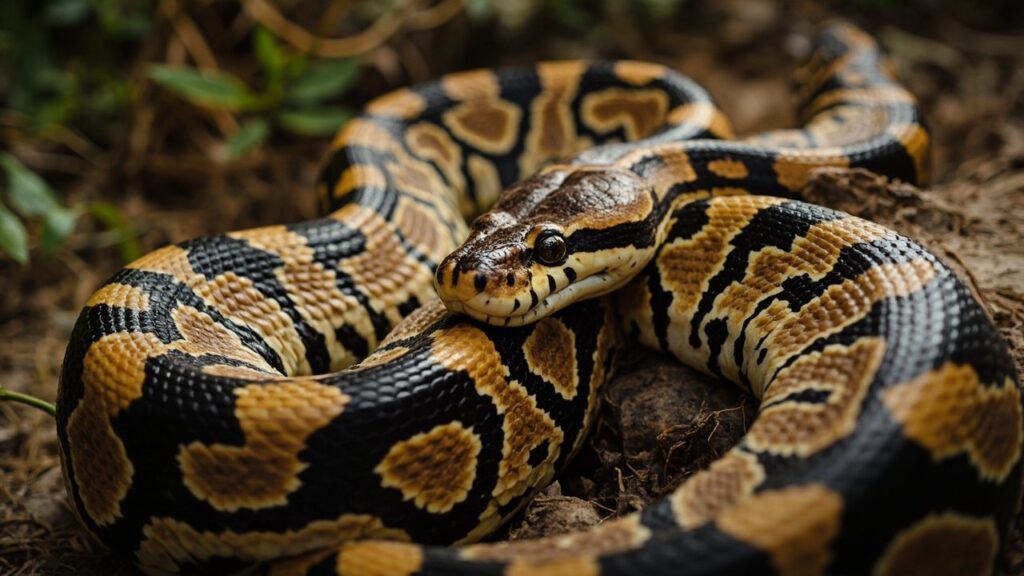
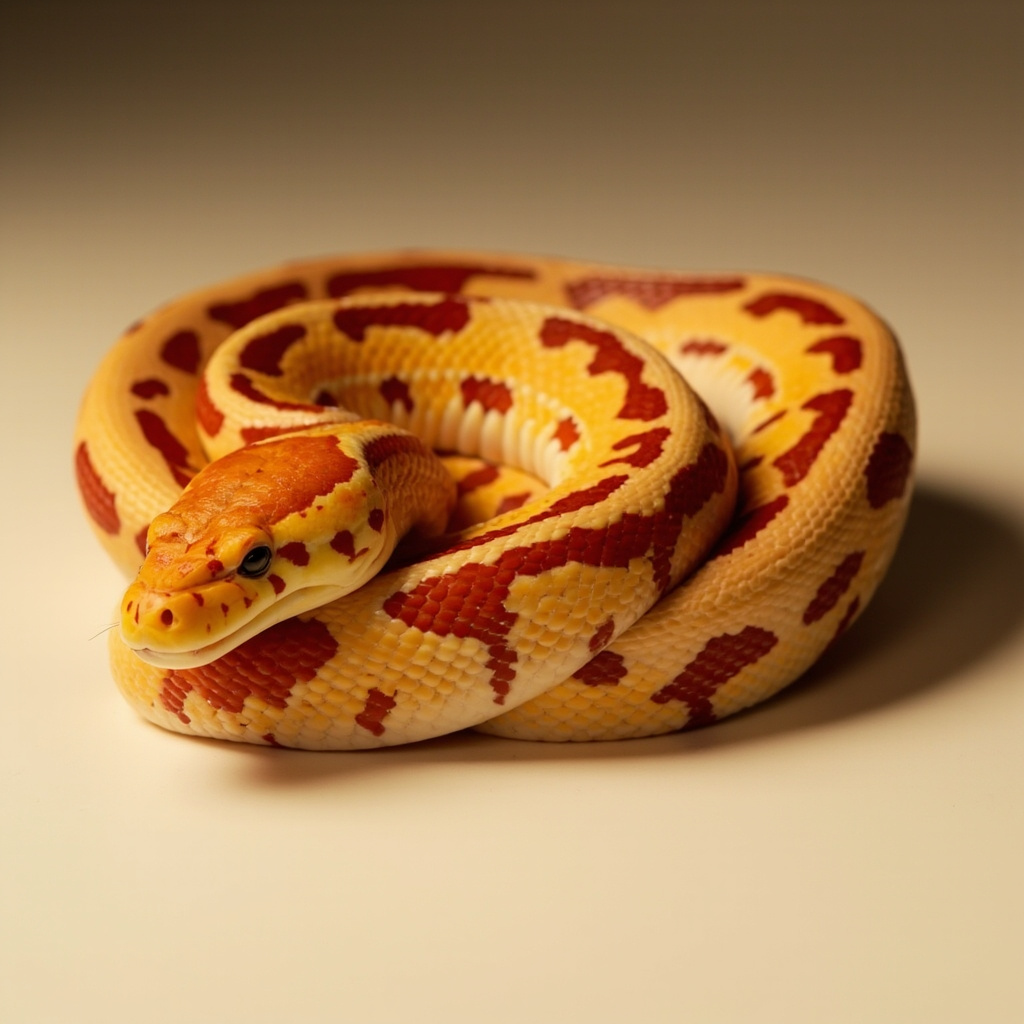
Several North American snakes are commonly called rat snakes, and their scientific names and ranges are not interchangeable. A useful identification starts with location, appearance, and a current regional field guide rather than applying one species name to every large climbing snake.

Built to Hunt and Climb
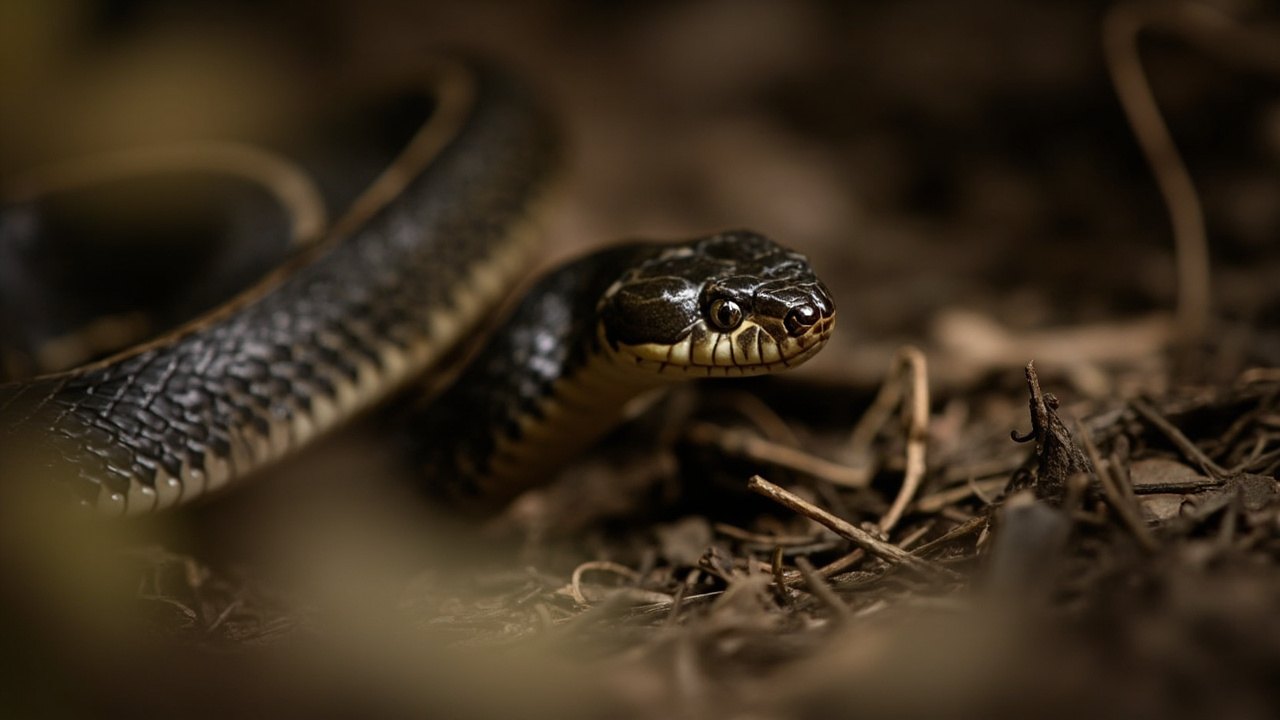
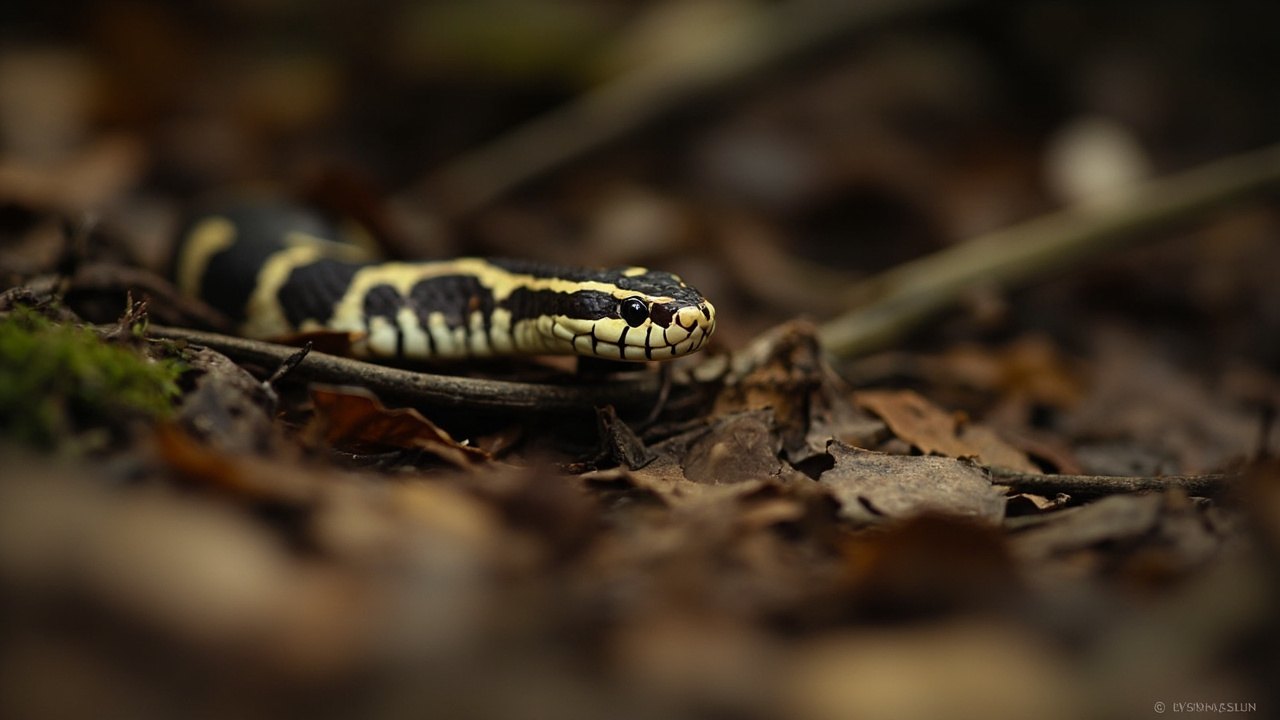
Many rat snakes are nonvenomous constrictors that feed on rodents, birds, eggs, and other available prey. They climb readily, using body position and scale contact to move through vegetation, cavities, and human-made structures. Constriction quickly impairs circulation in captured prey.
Coexisting With a Native Predator
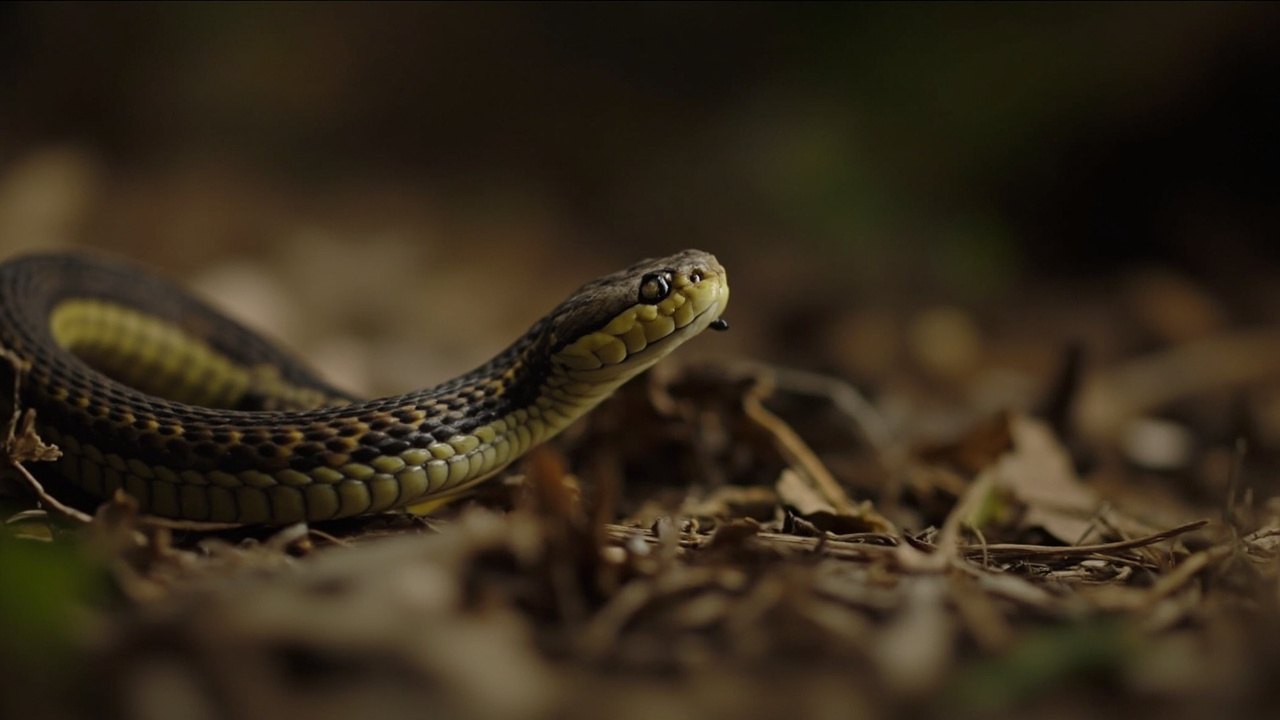
Rat snakes can help limit rodent numbers, but they are also part of a larger food web. They may freeze, musk, or vibrate the tail when alarmed, which is defensive behaviour rather than a reason to handle them. Give unfamiliar snakes space and seek local expert help when identification or removal is needed.
Names can conceal real differences
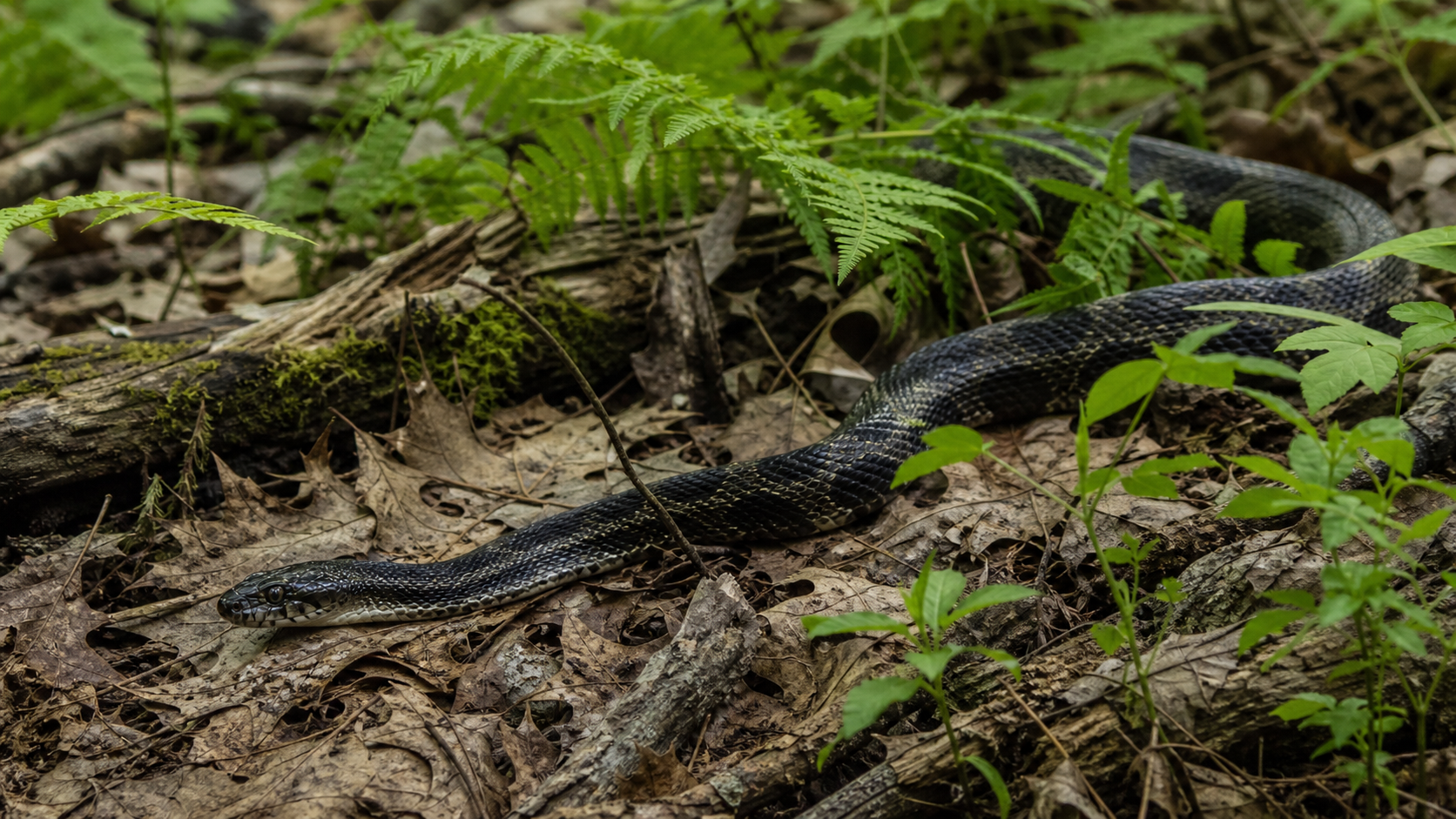
“Rat snake” is a broad common name used for several related North American snakes. Scientific names, range boundaries, and accepted classifications have changed as researchers study their relationships, so an older book and a newer field guide may use different labels. The practical point is simple: identify a snake using the region and its actual features, not only a name such as black rat snake or corn snake.
Many rat snakes use forest edges, farmland, barns, brush piles, and tree cavities where prey and shelter are available. They may climb into vegetation or structures while searching for rodents, birds, eggs, or other prey. Finding a snake near a building does not prove there is a rodent problem, but it can indicate that the surrounding habitat provides cover and food. A nonvenomous species can still bite when threatened, so it should not be picked up for reassurance.
Coexistence starts with safe identification
Give an unfamiliar snake space and keep pets away. If a snake is inside a house or in a high-use area, contact a local wildlife professional or agency for guidance rather than trying to trap it with glue boards or improvised tools. Relocating animals far from their capture site can expose them to unfamiliar habitat and traffic. Maintaining tidy, wildlife-friendly edges while reducing access to rodent food can support a safer relationship with native snakes. Accurate, place-based information is more useful than assuming that every large climbing snake is the same species or behaves the same way.
Sources and review notes
Reviewed 23 August 2026. Reptile biology is wonderfully variable. We have avoided turning one species, photograph or dramatic observation into a rule for an entire group, and we have used cautious wording where evidence or local conditions differ.
Reference starting points: The Reptile Database, The IUCN Red List of Threatened Species, and PubMed-indexed research. Conservation status, taxonomy and local laws can change, so check the linked databases and the relevant local authority for current information.
Spotted something we should revisit? Send Reptile Explorer a correction—thoughtful reader feedback is always welcome.