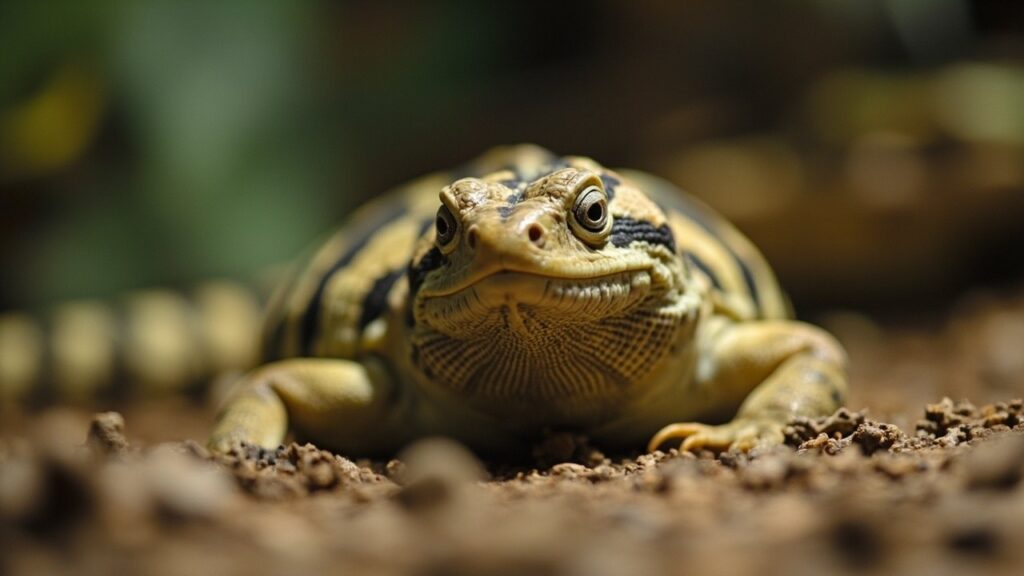
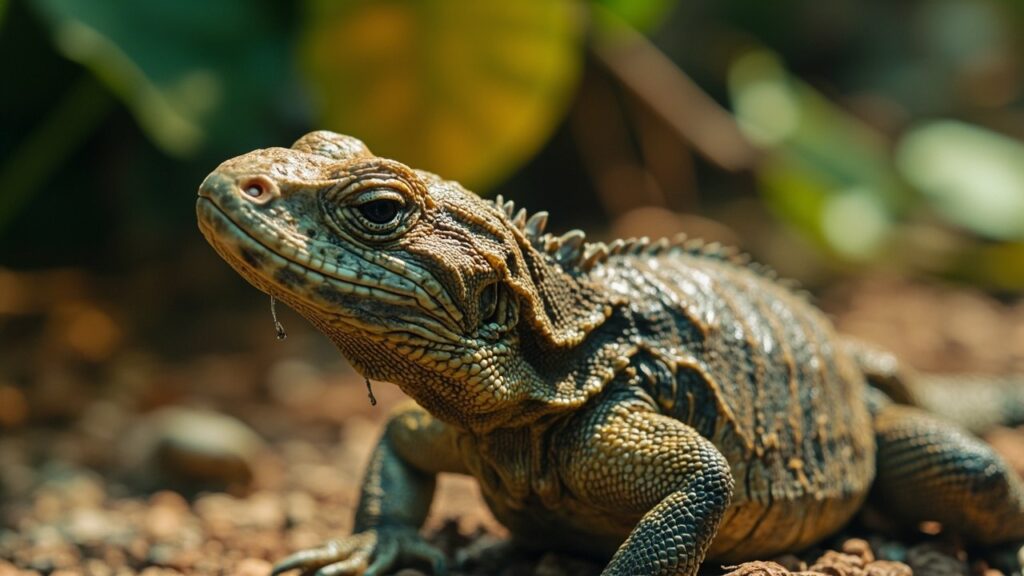
Temperature Directs Reptile Activity
Reptiles rely heavily on environmental heat, so temperature influences when they move, feed, digest, reproduce, and seek cover. The response is not the same for every species: a desert lizard, a temperate snake, and an aquatic turtle may use very different strategies.

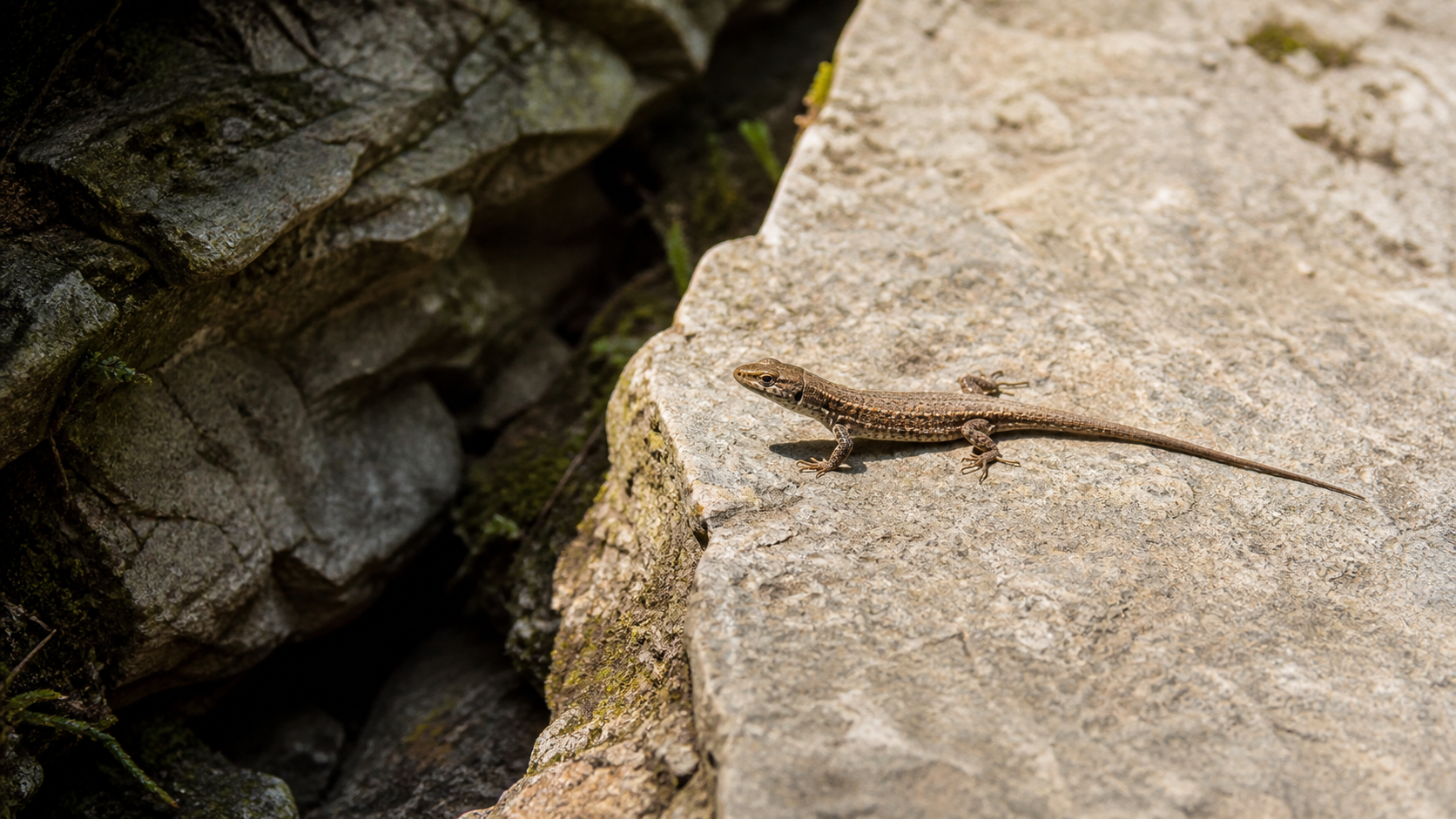
Behavioural Thermoregulation
Basking, retreating into shade, using burrows, changing posture, and shifting the time of activity all help reptiles manage body temperature. These behaviours can buffer short-term changes, but they depend on access to a range of safe microhabitats rather than one uniform temperature.
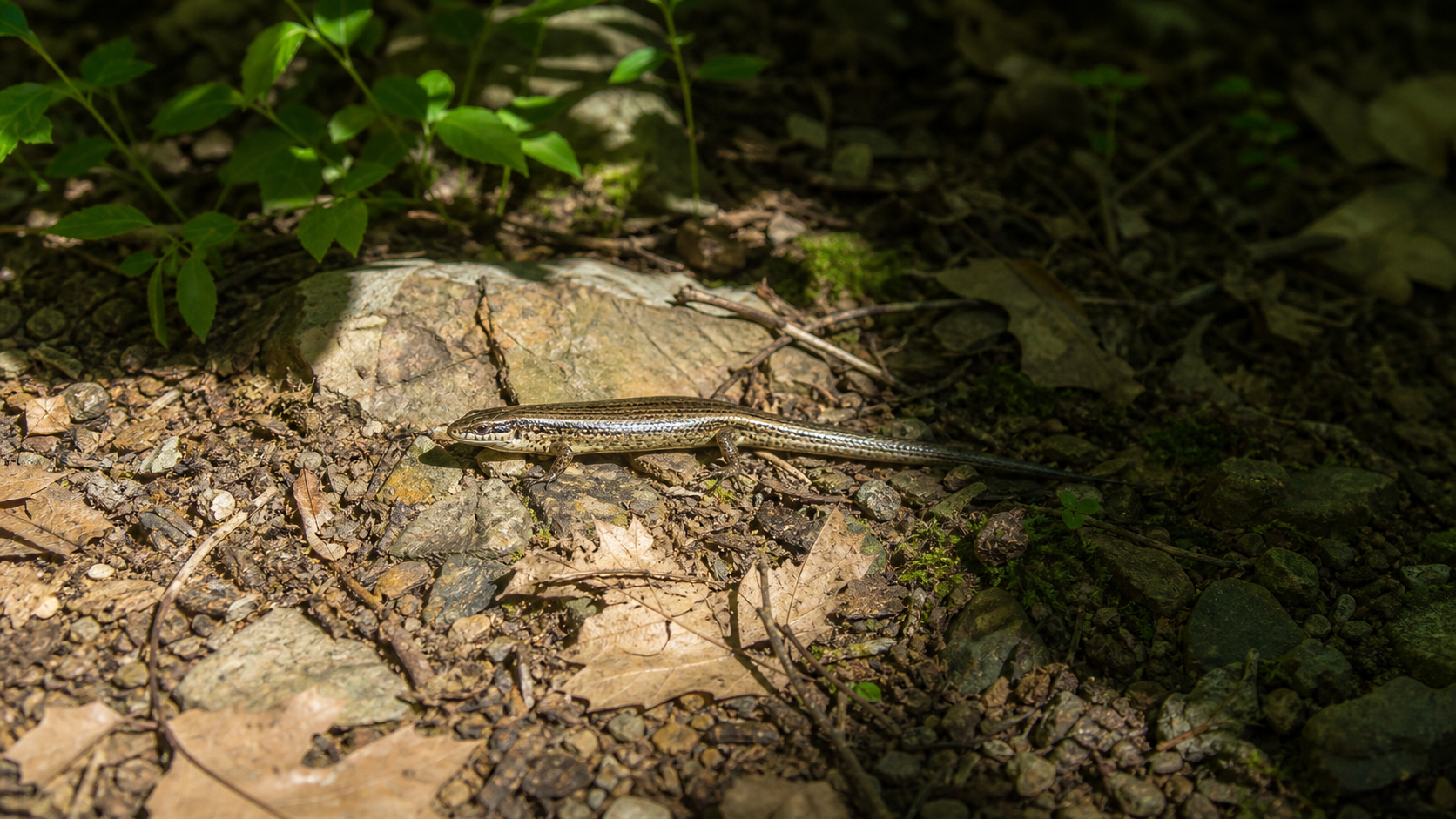

Changing Conditions Need Context
Rapid or sustained temperature changes can alter activity and performance, especially when shelter or cool refuges are unavailable. In captivity, a monitored, species-appropriate thermal gradient is more useful than a universal setting. Persistent changes in appetite, activity, or posture should be assessed with a reptile veterinarian.
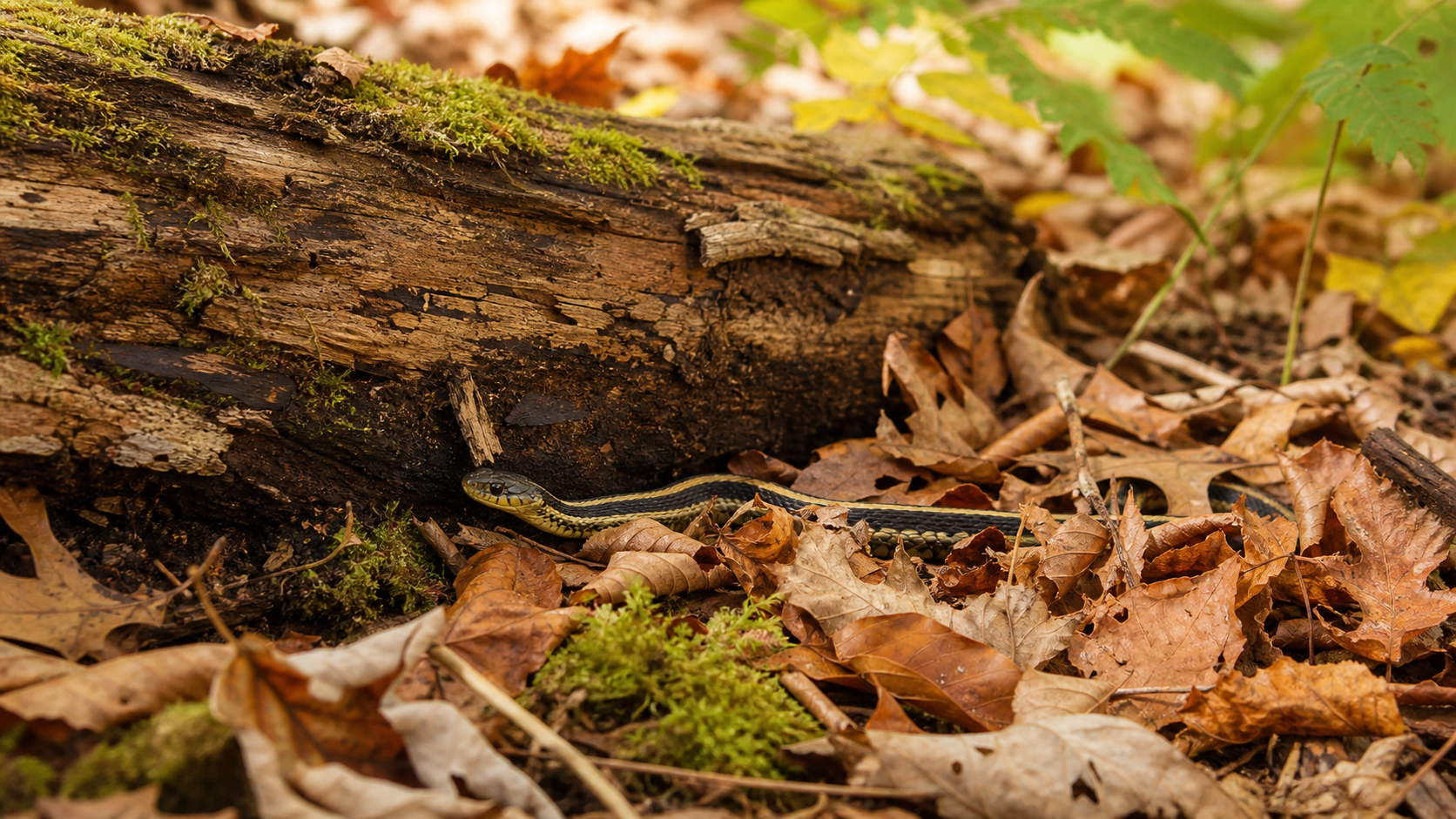
Air Temperature and Body Temperature Are Not the Same
A weather report or enclosure thermometer does not by itself describe a reptile’s body temperature. Sun exposure, surface temperature, wind, humidity, body size, posture and access to cover can all change the heat an animal gains or loses. Two reptiles in the same general area may make different choices because their preferred conditions, activity period and risks from predators or dehydration are different.
Microhabitats Create Behavioural Options
Reptiles can move between sun, shade, vegetation, burrows, water, rock surfaces and other refuges. This movement is behavioural thermoregulation, but it also involves feeding opportunities, safety and water balance. A lizard that moves to shade at midday is responding to more than a single number on a thermometer. For this reason, habitat quality includes the range and arrangement of usable microhabitats across the day and through the seasons.
Interpret Changes With Species and History in Mind
Normal activity can vary with season, reproductive state, recent weather and the animal’s routine. In captivity, monitoring separate areas of an enclosure and providing a species-appropriate gradient is more informative than seeking one universal temperature. Sudden or persistent changes in appetite, movement, posture or use of cover can have several causes. A reptile-qualified veterinarian should assess health concerns, while changes to heating or lighting should be based on the needs of the species and safe, measured conditions.
Sources and review notes
Reviewed 23 August 2026. Care works best when it starts with the exact species in front of you. We checked this article against current veterinary husbandry guidance, but measured enclosure conditions and a reptile-experienced veterinarian should guide decisions for an individual animal.
Reference starting points: Merck Veterinary Manual: reptile management and husbandry, CDC: healthy handling around reptiles and amphibians, and The Reptile Database. Conservation status, taxonomy and local laws can change, so check the linked databases and the relevant local authority for current information.
Spotted something we should revisit? Send Reptile Explorer a correction—thoughtful reader feedback is always welcome.