An Island of Endemic Reptiles
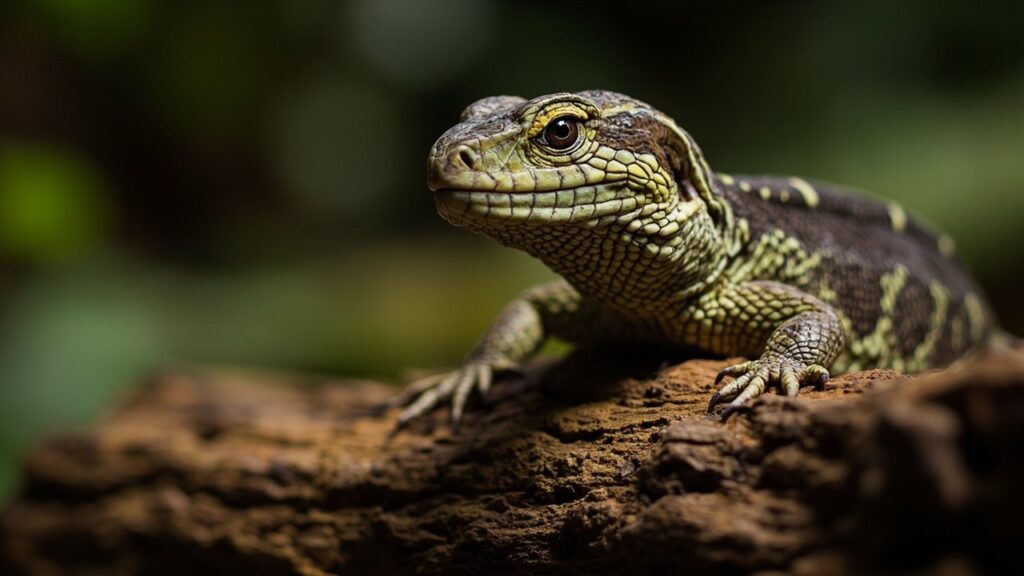
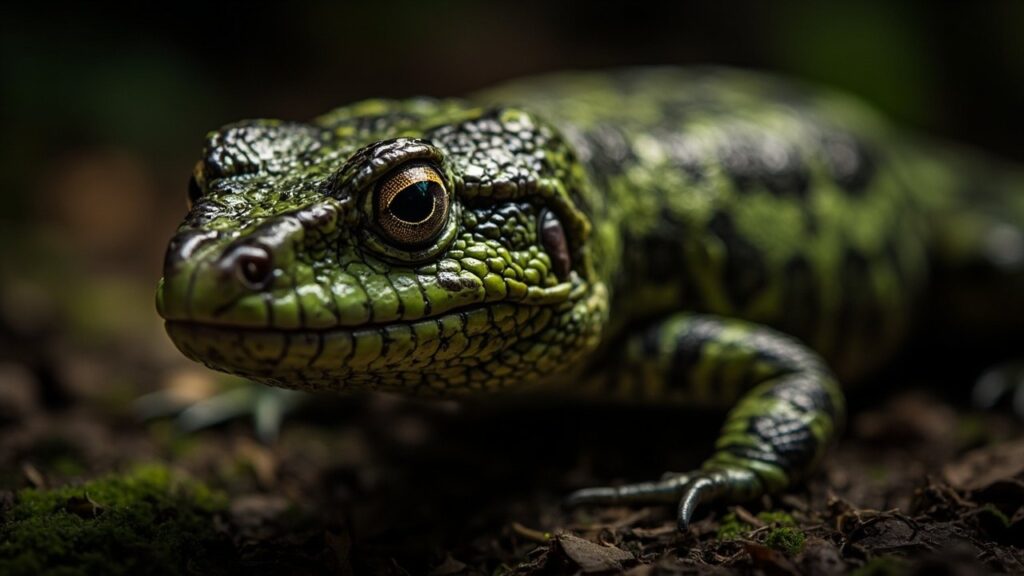
Madagascar’s long isolation has produced an exceptional concentration of reptiles found nowhere else. Its rainforests support distinctive lineages of chameleons, leaf-tailed geckos, day geckos, snakes, and other reptiles, many of which occupy narrow habitat or elevation ranges.

Life at Different Forest Levels
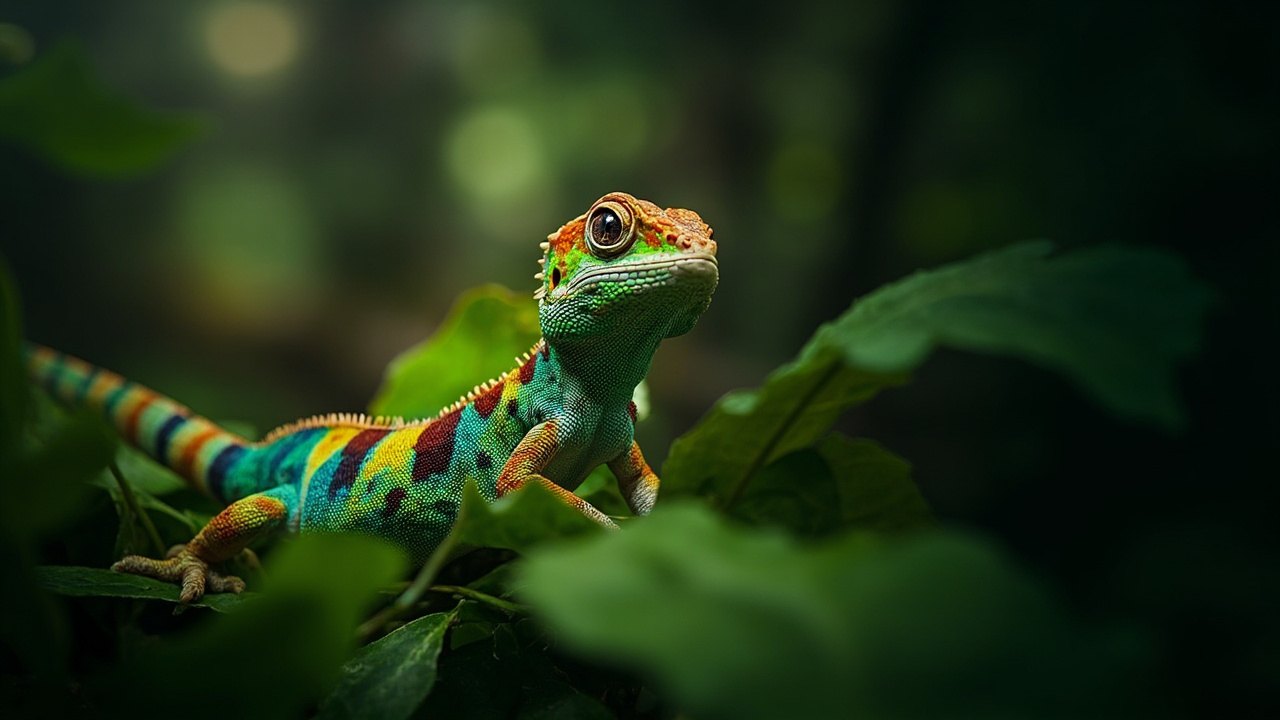
Reptiles use rainforest habitat from the leaf litter to the canopy. Leaf-tailed geckos rely on bark and foliage for concealment, while different chameleons and day geckos use branches, trunks, or sunlit openings. Species examples must be matched to the correct forest type instead of treating all Malagasy reptiles as rainforest animals.
Conservation Starts With Forests
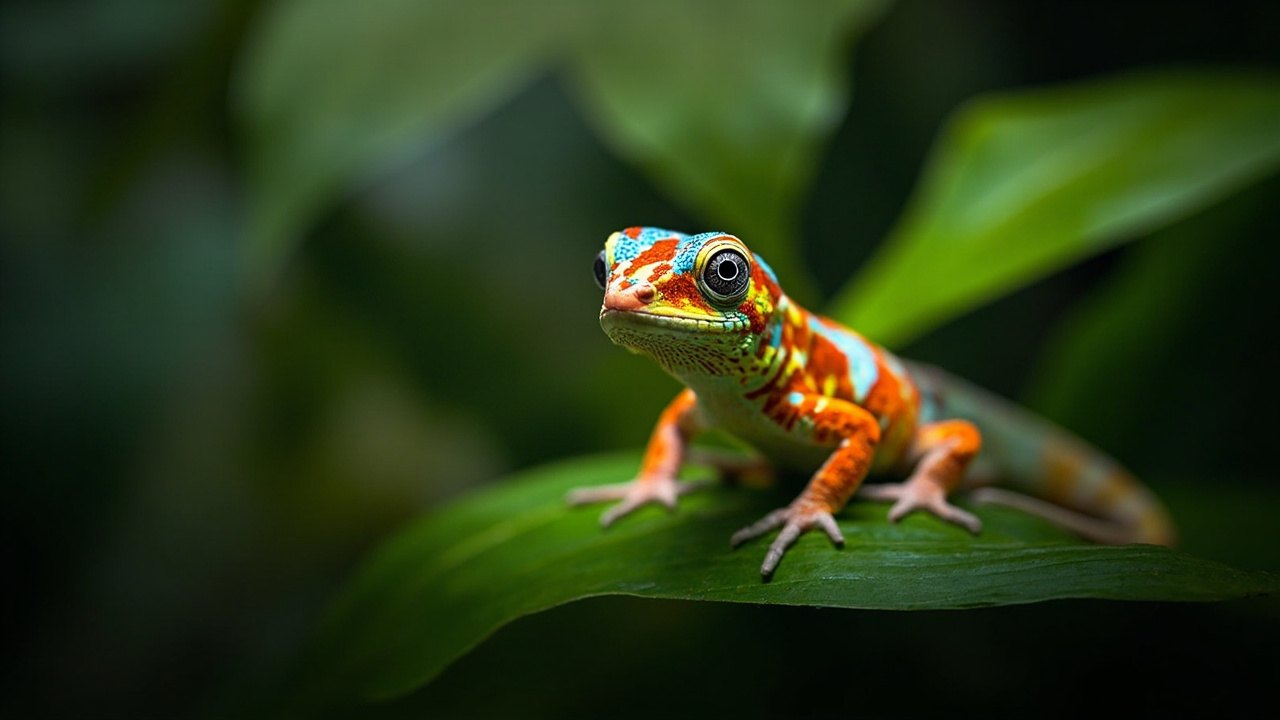
Forest loss and fragmentation can remove the cool, humid, connected habitat that specialist reptiles need. Protecting intact forest, restoring links between fragments, reducing harmful collection, and supporting local stewardship can benefit both well-known and poorly documented species.
Endemism Does Not Mean the Same Habitat for Every Species
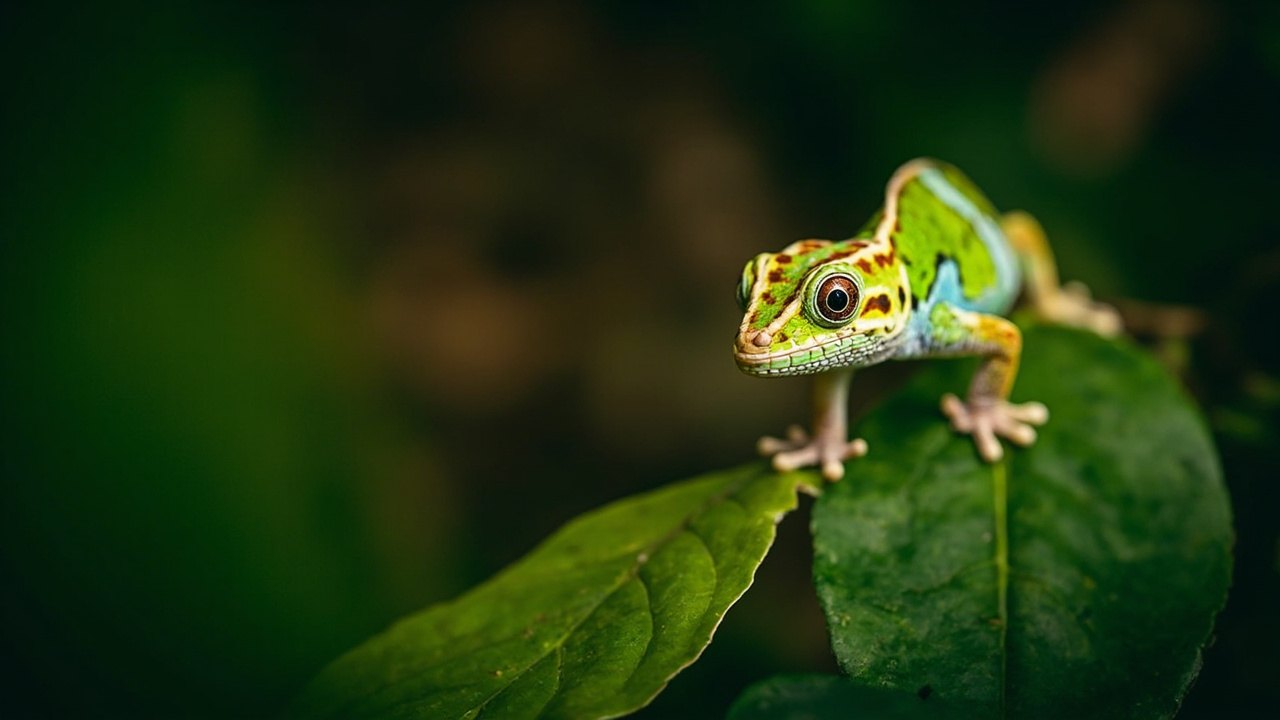
Many Malagasy reptiles are endemic, but that does not mean that they occur throughout the island or in every rainforest. Some species are tied to lowland humid forest, while others occur in montane forest, dry forest, littoral forest or isolated rock and scrub habitats. A narrow range can make a population especially sensitive to local forest loss, fire, collection pressure or a break in habitat connectivity. Accurate articles should name the particular habitat and region whenever evidence supports it.
Forest Structure Creates Reptile Niches
Rainforest is made up of layers and small-scale conditions. Leaf litter, fallen wood, tree trunks, dense foliage, branch height and sunlit gaps differ in temperature, moisture and cover. A leaf-tailed gecko that rests against bark is not using the same resources as a daytime gecko on exposed vegetation, even when both are found in the same forest. Protecting only the canopy, or only a narrow strip of trees, may fail to retain the range of microhabitats used by specialist reptiles.
Records Need Careful Identification
Taxonomy and distributions continue to be refined as field surveys and genetic studies progress. A photograph can document an encounter, but it is not always enough for a confident species record. Researchers compare location, morphology, calls where relevant and, when appropriate, specimens or genetic material. Clear identification protects the usefulness of conservation data and prevents broad claims about Malagasy rainforest reptiles from being repeated without evidence.
Sources and review notes
Reviewed 23 August 2026. Reptile biology is wonderfully variable. We have avoided turning one species, photograph or dramatic observation into a rule for an entire group, and we have used cautious wording where evidence or local conditions differ.
Reference starting points: The Reptile Database, The IUCN Red List of Threatened Species, and PubMed-indexed research. Conservation status, taxonomy and local laws can change, so check the linked databases and the relevant local authority for current information.
Spotted something we should revisit? Send Reptile Explorer a correction—thoughtful reader feedback is always welcome.