A Mosaic of Forest Habitats
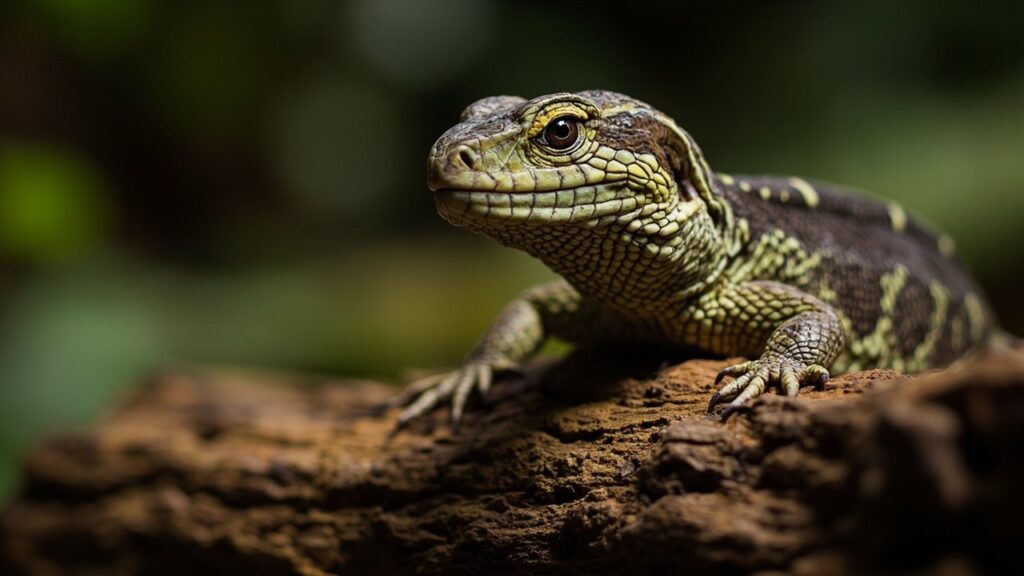
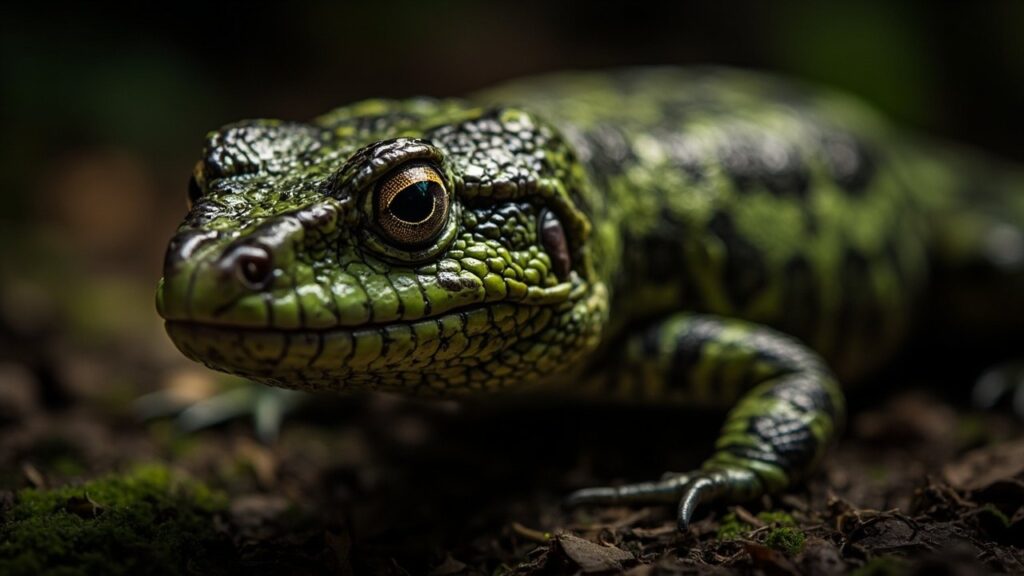
Sumatra’s reptiles occupy more than one kind of forest. Lowland rainforest, peat-swamp forest, foothill and montane forest, streams, and forest edges each create different temperatures, cover, and food opportunities. A useful account of the island’s reptiles should connect each species to the habitat it actually uses.


Elusive Species Need Careful Interpretation
Asian water monitors, forest geckos, agamid lizards, snakes, and wetland crocodilians illustrate the variety of reptile life on Sumatra. Modigliani’s nose-horned lizard is a reminder of how incomplete the record can be: it was long known from a historical specimen before living animals were documented again. Limited records are a reason for further study, not proof of a precise range or population trend.
Conservation Begins With Habitat
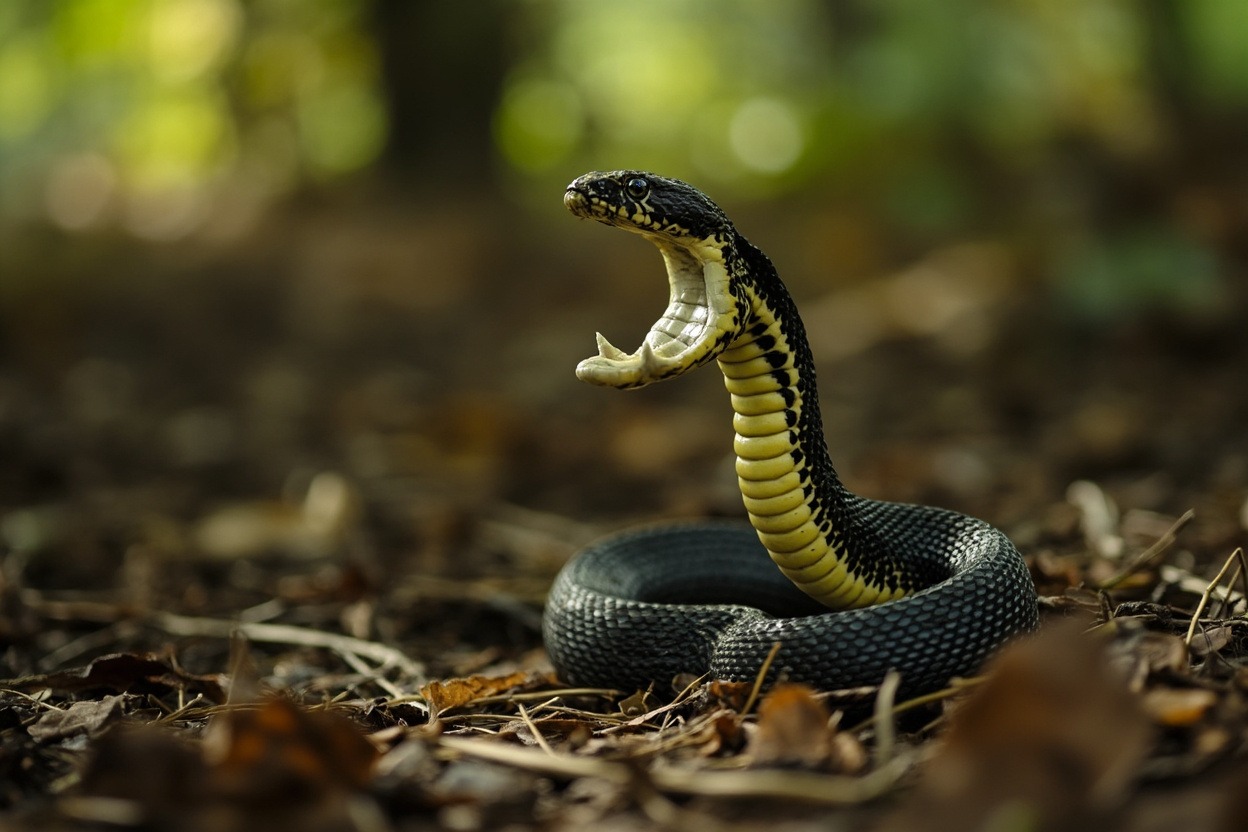
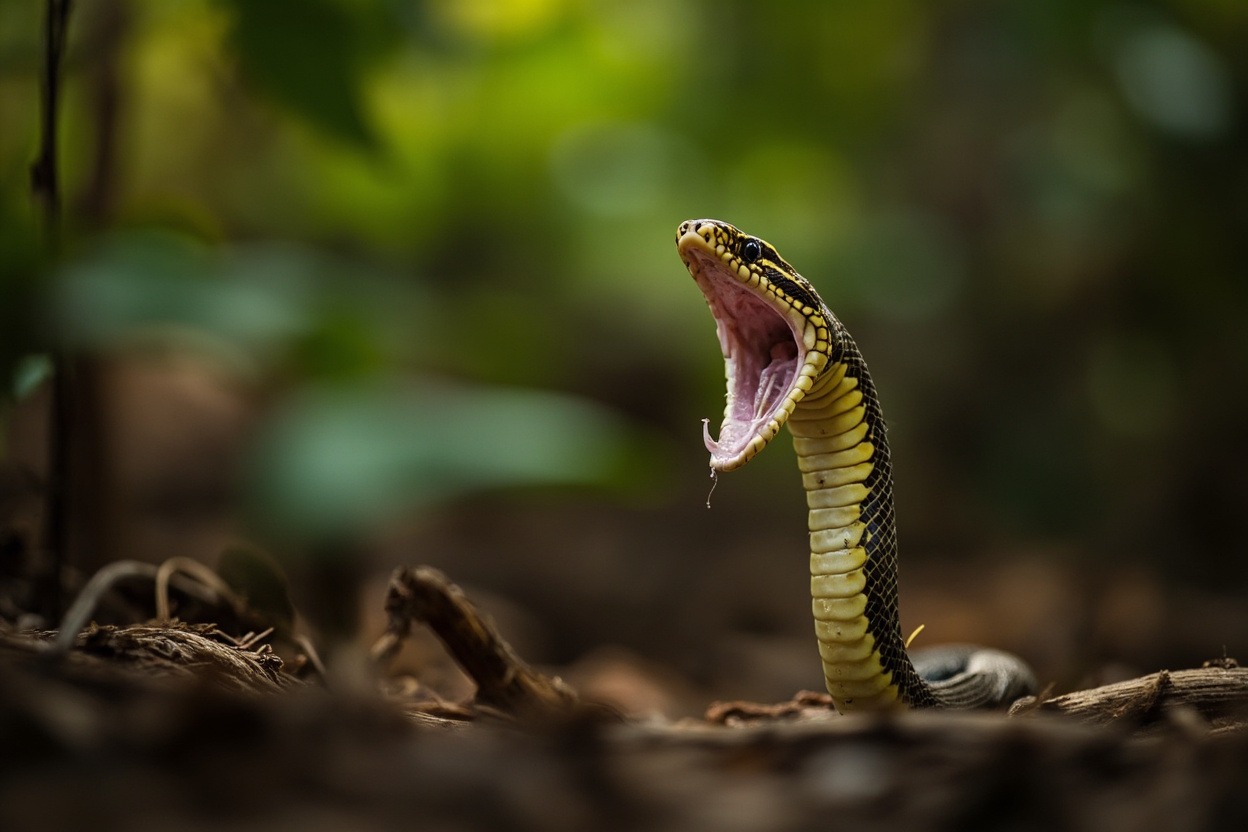
Forest conversion, fragmentation, altered waterways, and collection can affect reptiles, but the pressure and response differ by species. Protecting connected native habitat, retaining riparian cover, and supporting locally led monitoring give conservation work a stronger foundation than broad claims about a single threat or solution.
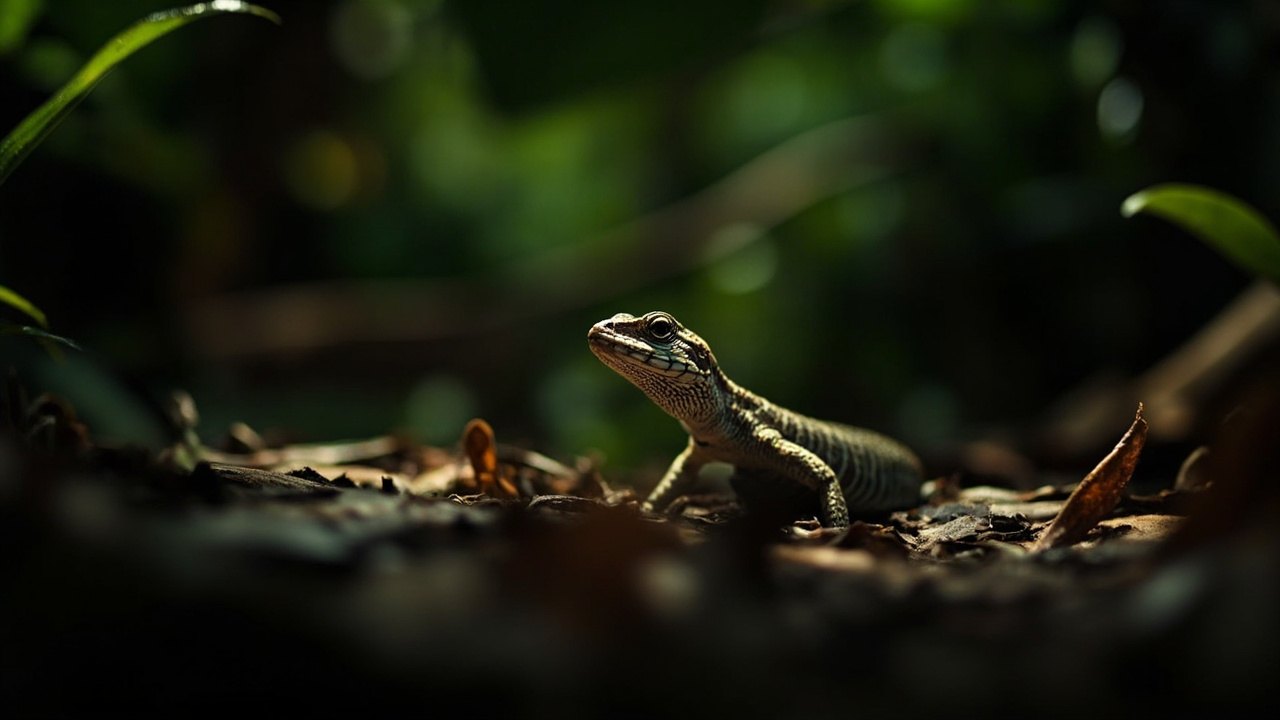
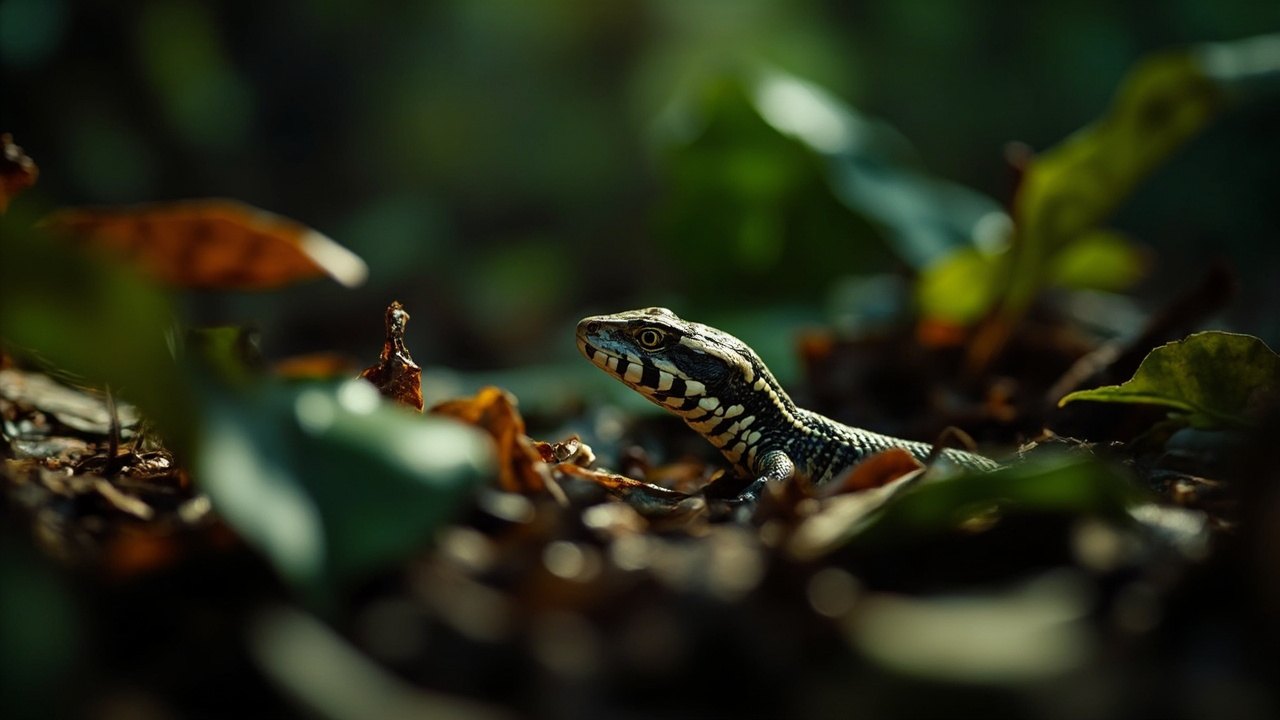
Altitude Changes Forest Conditions
Sumatra’s lowland, foothill and montane forests differ in temperature, rainfall, vegetation structure and seasonal water. Reptiles that use leaf litter, tree trunks, streams or canopy vegetation respond to those differences at a small scale. Forest cover on a map cannot reveal every usable refuge. A record should connect an animal to the elevation, forest type, water source and cover actually present at the observation site.
Peat Swamps Hold Distinct Reptile Habitat
Peat-swamp forests often have dark, acidic water and saturated soils, yet they are not empty or degraded by definition. They provide conditions used by specialised fish, amphibians, reptiles and invertebrates. Draining peat can alter water levels, fire risk, vegetation and access between channels and forest cover. Protecting a river alone does not replace the connected swamp forest around it.
Field Records Need Verified Identities
Some Sumatran reptiles are difficult to identify from colour alone because lighting, age and closely related species can confuse an image. Researchers can combine photographs with locality, habitat notes, scale characters and comparison with regional references. Clear, cautious records strengthen future surveys and reduce the chance that one unusual animal is used to define the range or conservation status of a whole species.
Sources and review notes
Reviewed 23 August 2026. Reptile biology is wonderfully variable. We have avoided turning one species, photograph or dramatic observation into a rule for an entire group, and we have used cautious wording where evidence or local conditions differ.
Reference starting points: The Reptile Database, The IUCN Red List of Threatened Species, and PubMed-indexed research. Conservation status, taxonomy and local laws can change, so check the linked databases and the relevant local authority for current information.
Spotted something we should revisit? Send Reptile Explorer a correction—thoughtful reader feedback is always welcome.