Humidity Starts With the Species
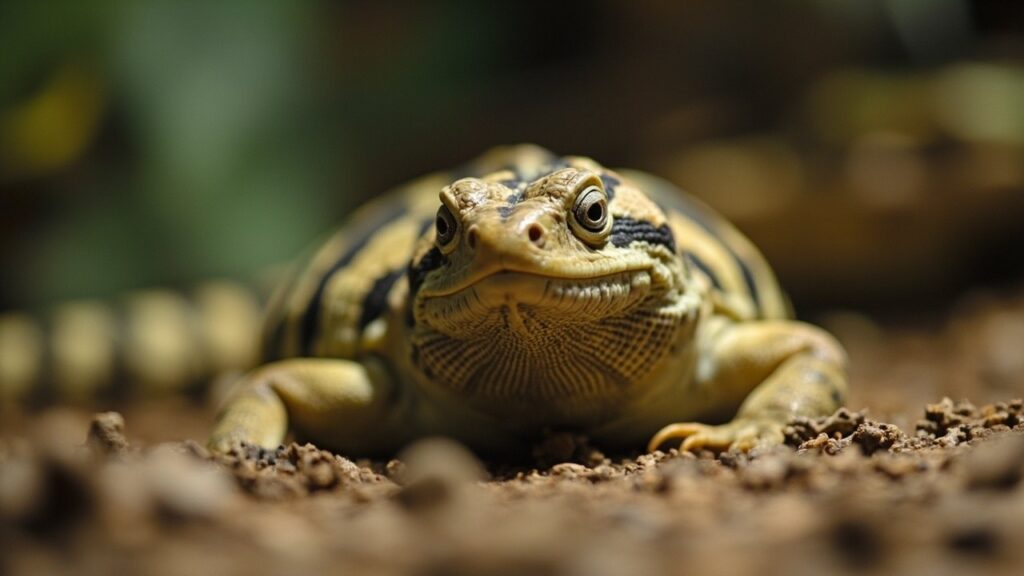
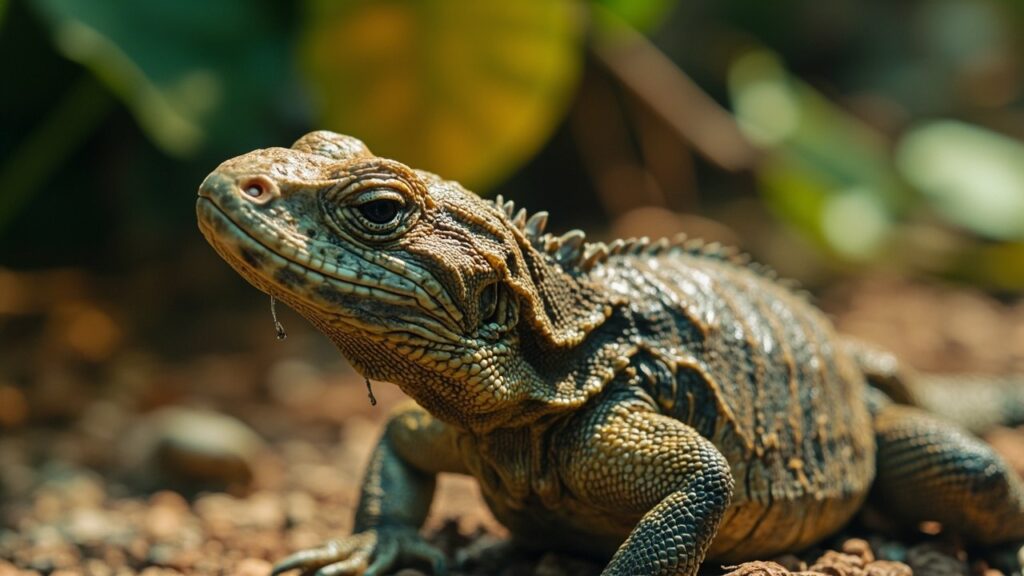
There is no single humidity target for reptiles. A desert gecko, a tropical snake, and a semi-aquatic turtle can require very different conditions, and needs can also vary with age, health, and breeding status. Good husbandry begins with reliable species-specific information rather than a household comfort range.
Monitoring Seasonal Change
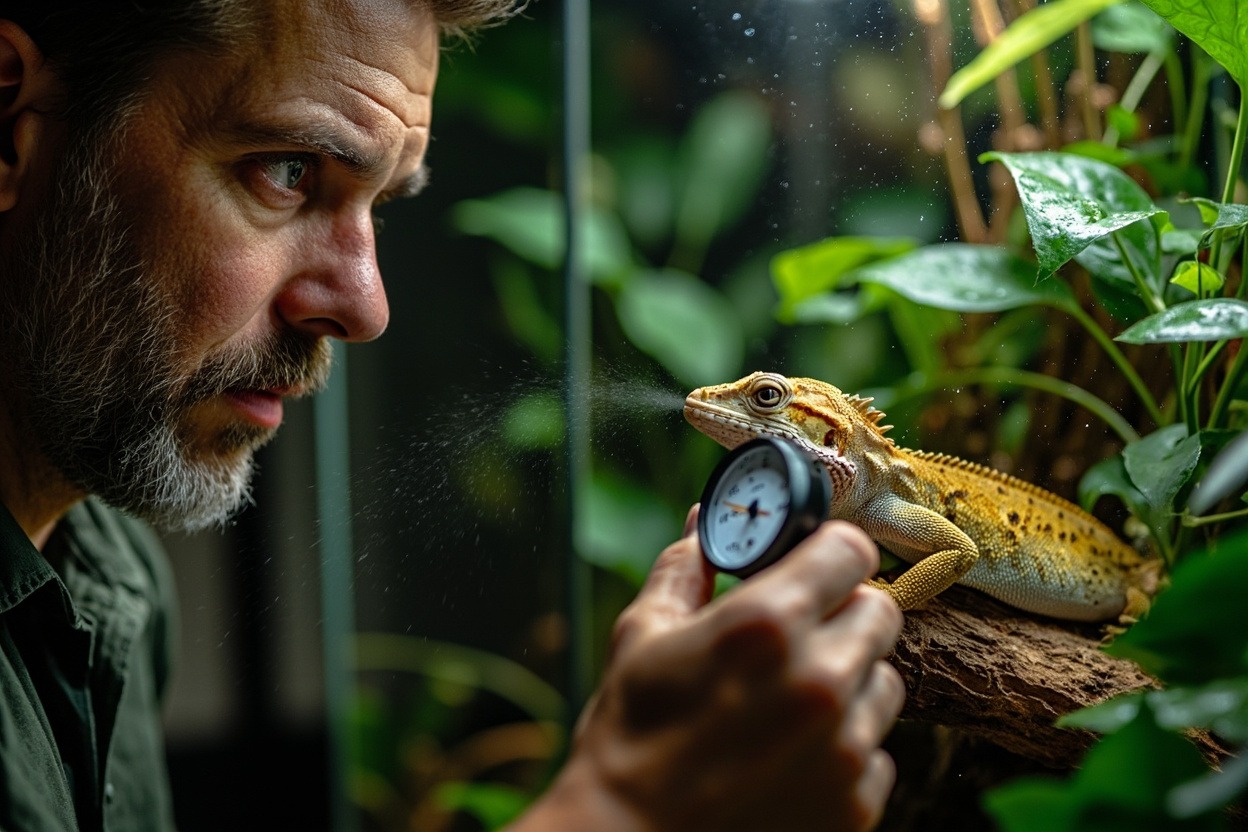
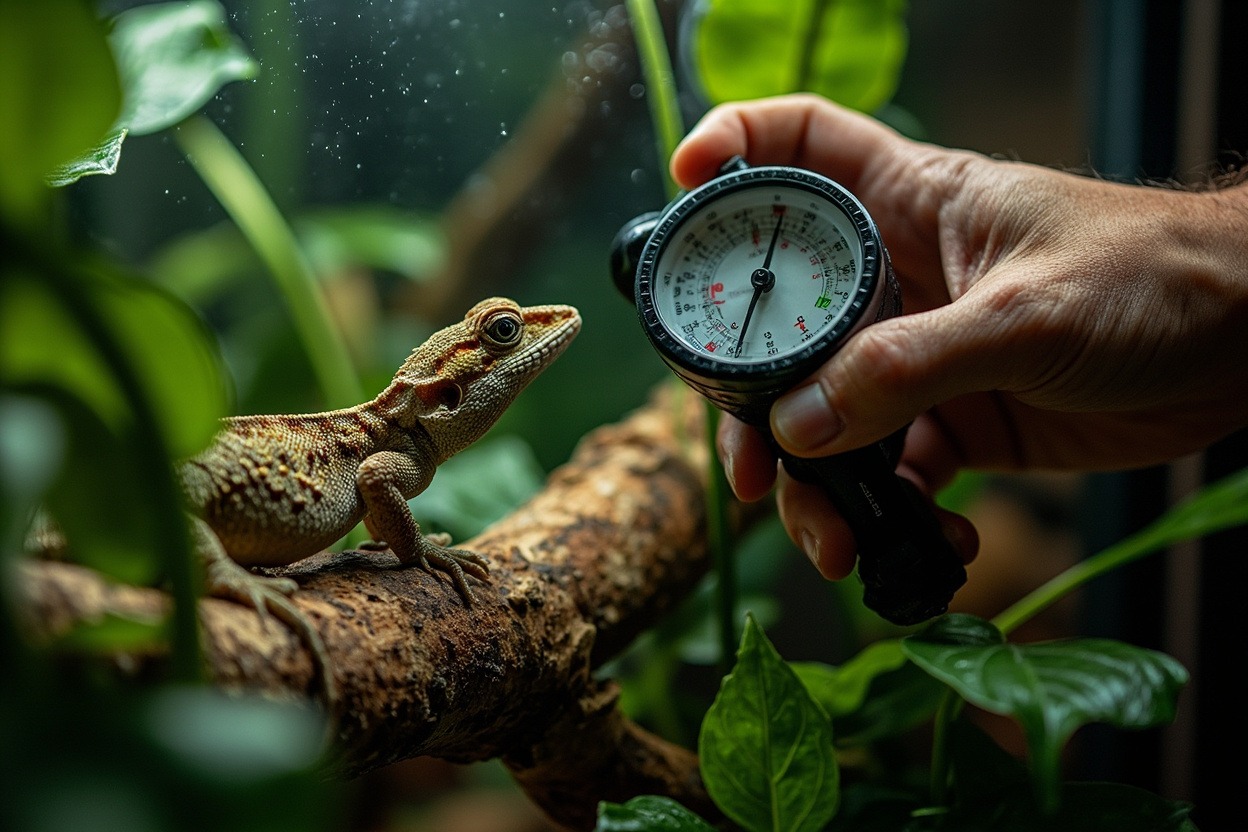
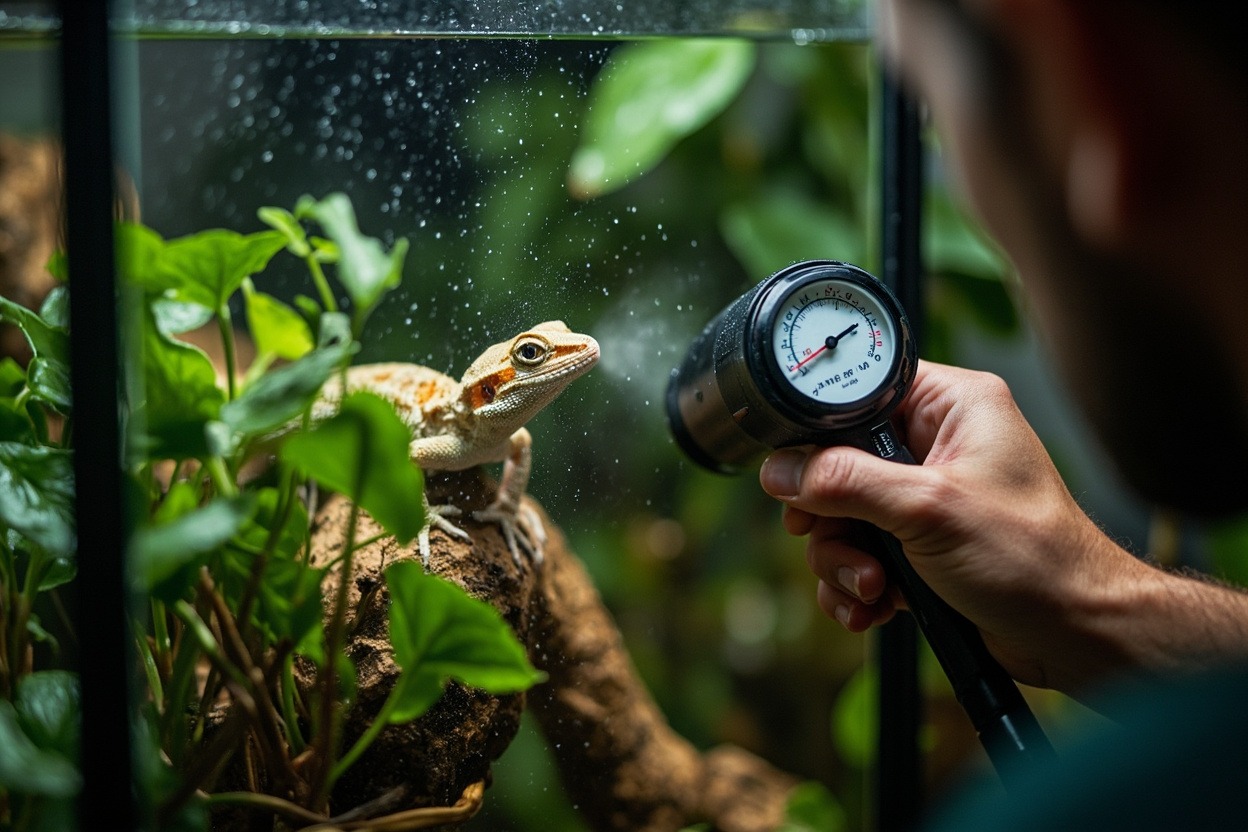
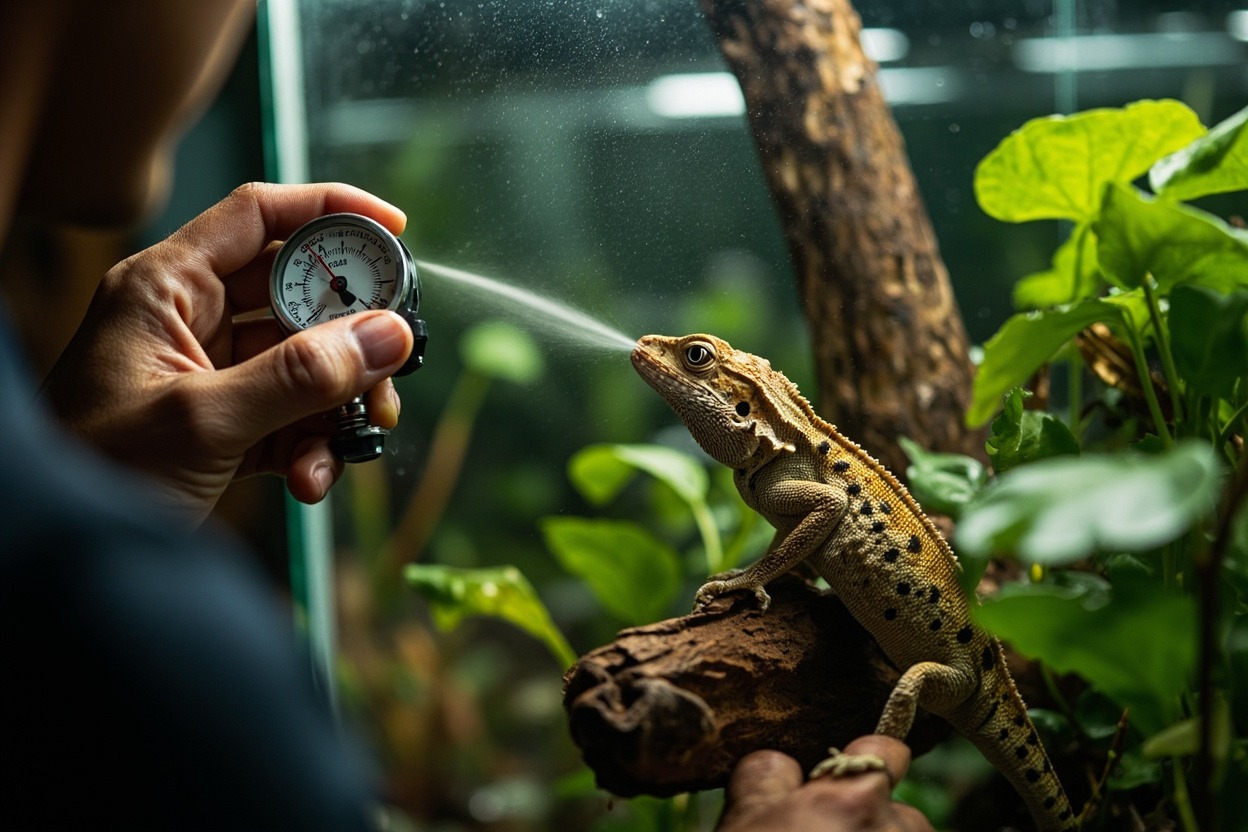
Room conditions can shift with outdoor weather, heating, cooling, and ventilation. Measure relative humidity inside the enclosure, close to the animal’s usable space, rather than relying on a reading elsewhere in the room. Pair that reading with observations of ventilation, substrate condition, water availability, and normal shedding behaviour.
Make Adjustments Deliberately
Adjustments should preserve both the humidity range and fresh airflow that the species needs. Use enclosure design, substrate, water features, and hides in ways appropriate for the animal, then monitor the result before making further changes. Persistent shedding problems, respiratory signs, or unexpected behaviour warrant advice from a reptile veterinarian.
Measure conditions where the reptile lives
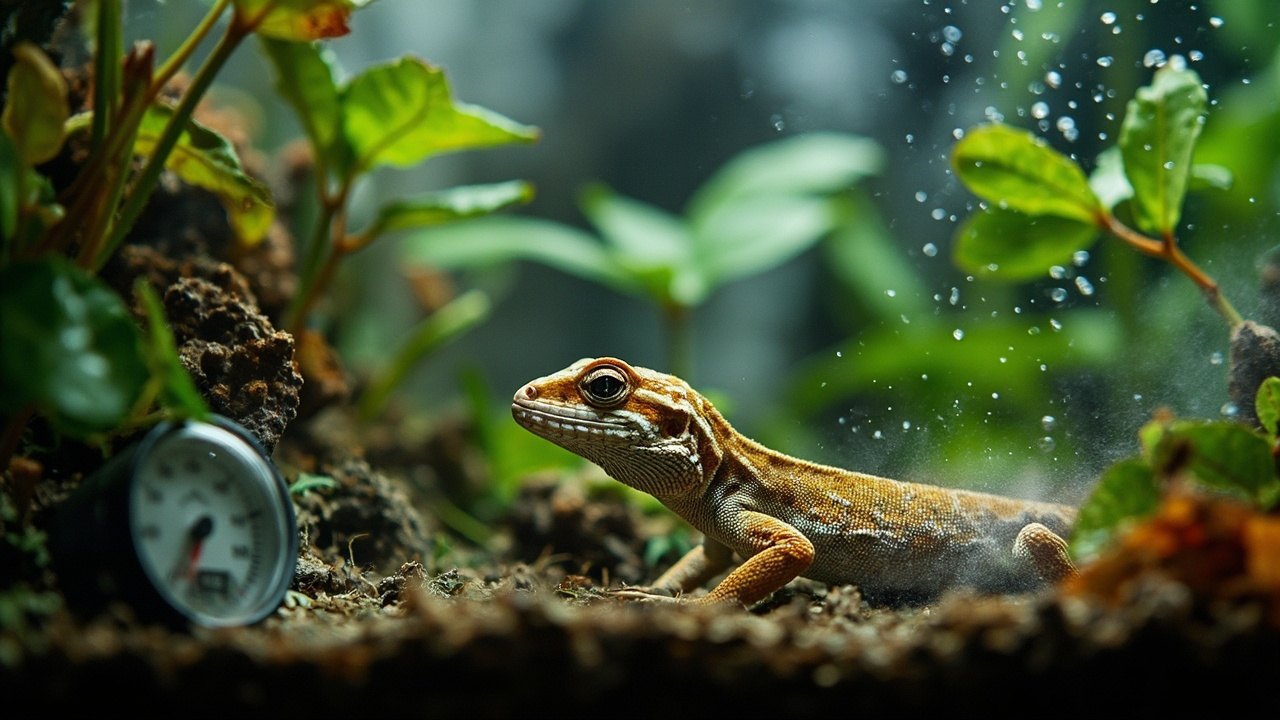
Relative humidity changes with temperature, so the same amount of moisture can produce a different reading at a warmer or cooler spot. A calibrated hygrometer placed in the animal’s usable area gives better information than a room reading near a door, window, or heating vent. Record the reading alongside the time of day, temperature, ventilation, and whether a water dish, misting system, substrate, or hide has recently been changed.
Many reptiles benefit from choice within an enclosure, but the details must match the species. A species that uses a humid retreat may need a properly maintained humid hide while still having drier, well-ventilated areas. A species from a humid forest may need different enclosure design and airflow. Raising humidity by sealing every vent or keeping all substrate wet can create stagnant air, damp surfaces, or unwanted microbial growth, so changes should be gradual and monitored.
Use behaviour and health signs carefully
Shedding, drinking, posture, appetite, and use of hides can provide useful context, but none provides a complete diagnosis on its own. Persistent retained shed, breathing changes, skin lesions, unusual lethargy, or a sudden change in feeding should be discussed with a reptile-qualified veterinarian. Good husbandry records help that assessment because they show what conditions the animal experienced. Avoid copying humidity targets from a different species or assuming that a seasonal change outdoors requires the same change indoors.
Sources and review notes
Reviewed 23 August 2026. Care works best when it starts with the exact species in front of you. We checked this article against current veterinary husbandry guidance, but measured enclosure conditions and a reptile-experienced veterinarian should guide decisions for an individual animal.
Reference starting points: Merck Veterinary Manual: reptile management and husbandry, CDC: healthy handling around reptiles and amphibians, and The Reptile Database. Conservation status, taxonomy and local laws can change, so check the linked databases and the relevant local authority for current information.
Spotted something we should revisit? Send Reptile Explorer a correction—thoughtful reader feedback is always welcome.