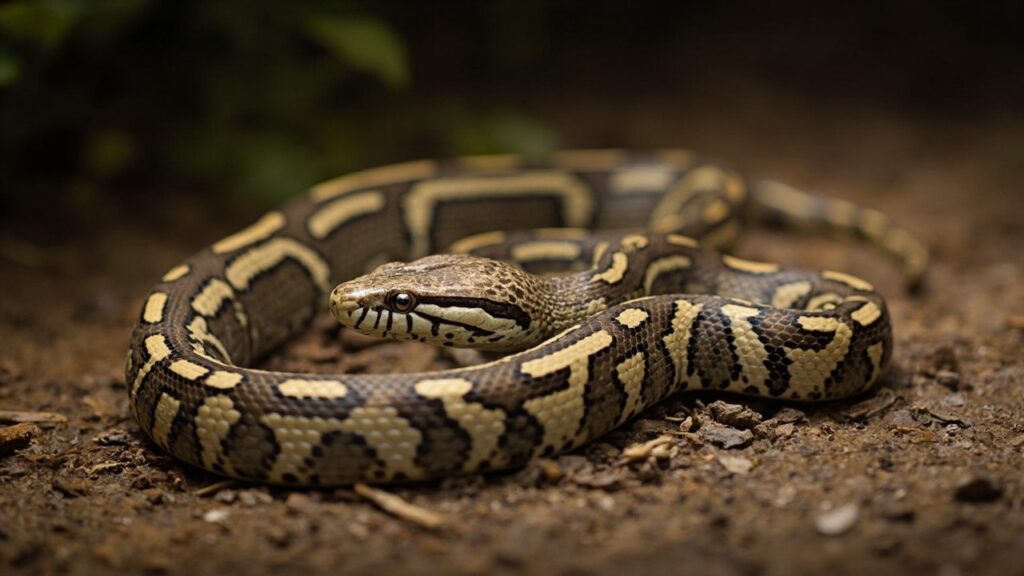
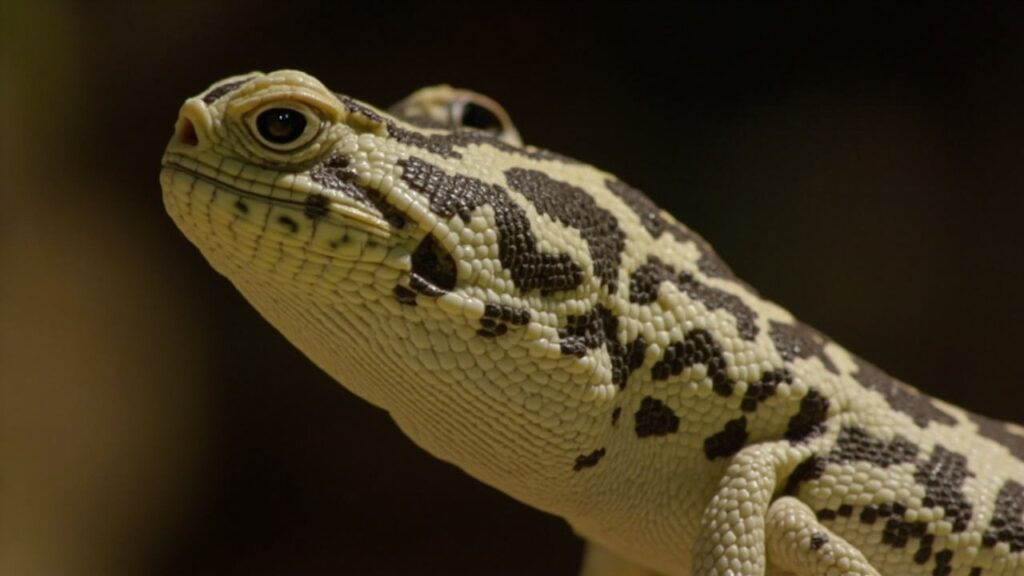
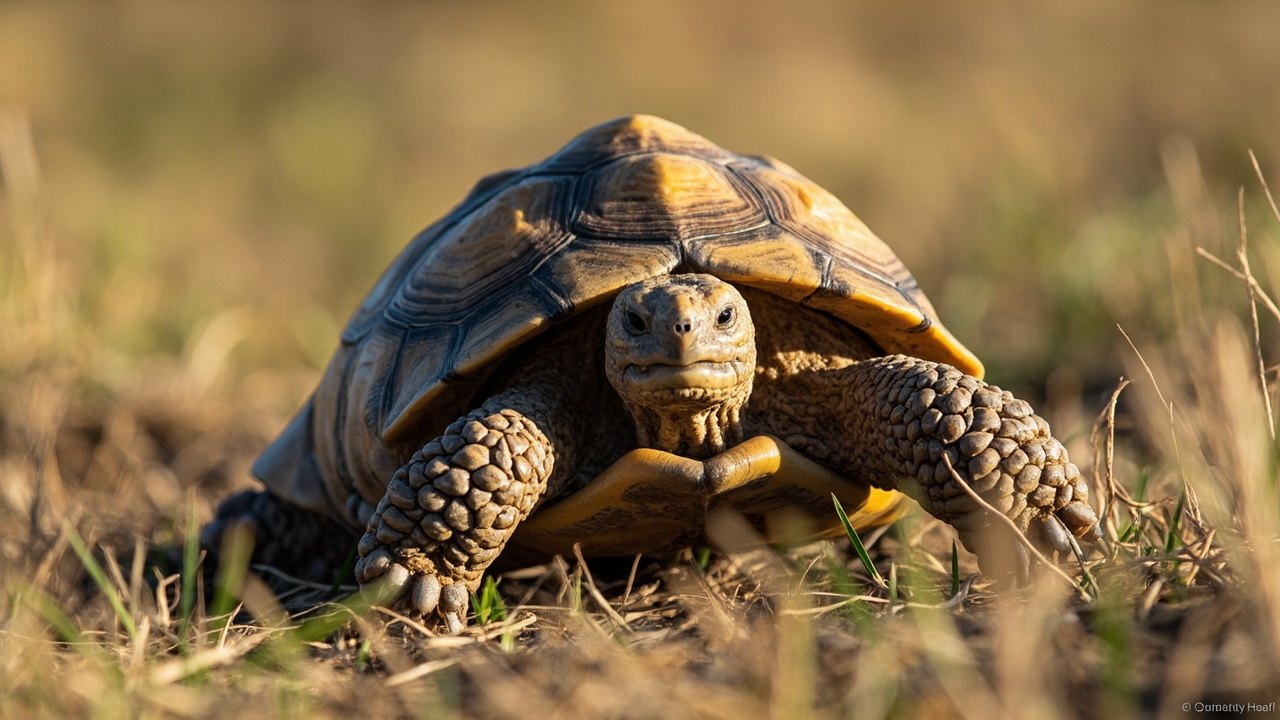
A tortoise cannot leave its shell. Unlike a hermit crab’s borrowed shell, a tortoise shell is part of the animal’s skeleton and living body.
Built into the skeleton
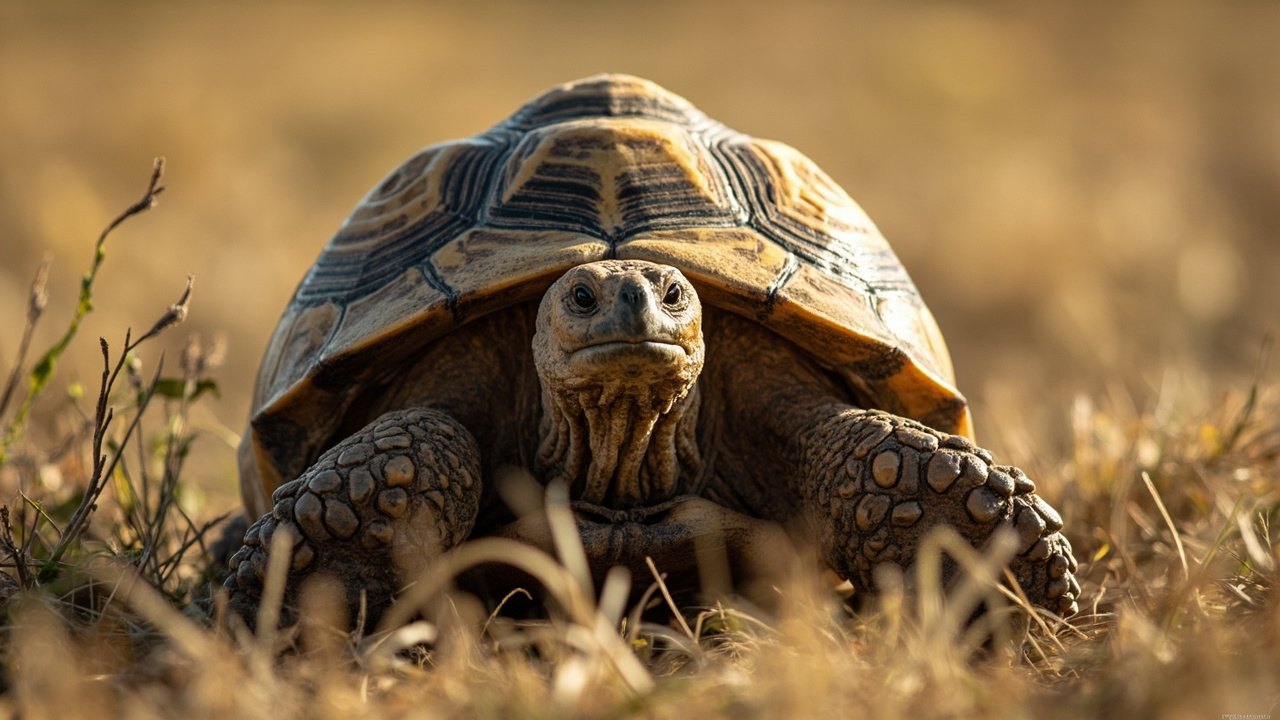
The upper shell is the carapace and the lower shell is the plastron. Ribs and vertebrae are integrated with the shell, while the outer scutes are made of keratin. The shell has blood supply and nerves, so damage can be painful and medically serious.
Why the myth persists
The comparison with a hermit crab is tempting, but it is biologically incorrect. A tortoise grows with its shell throughout life; it does not trade, shed, or step out of it.
If a shell is damaged
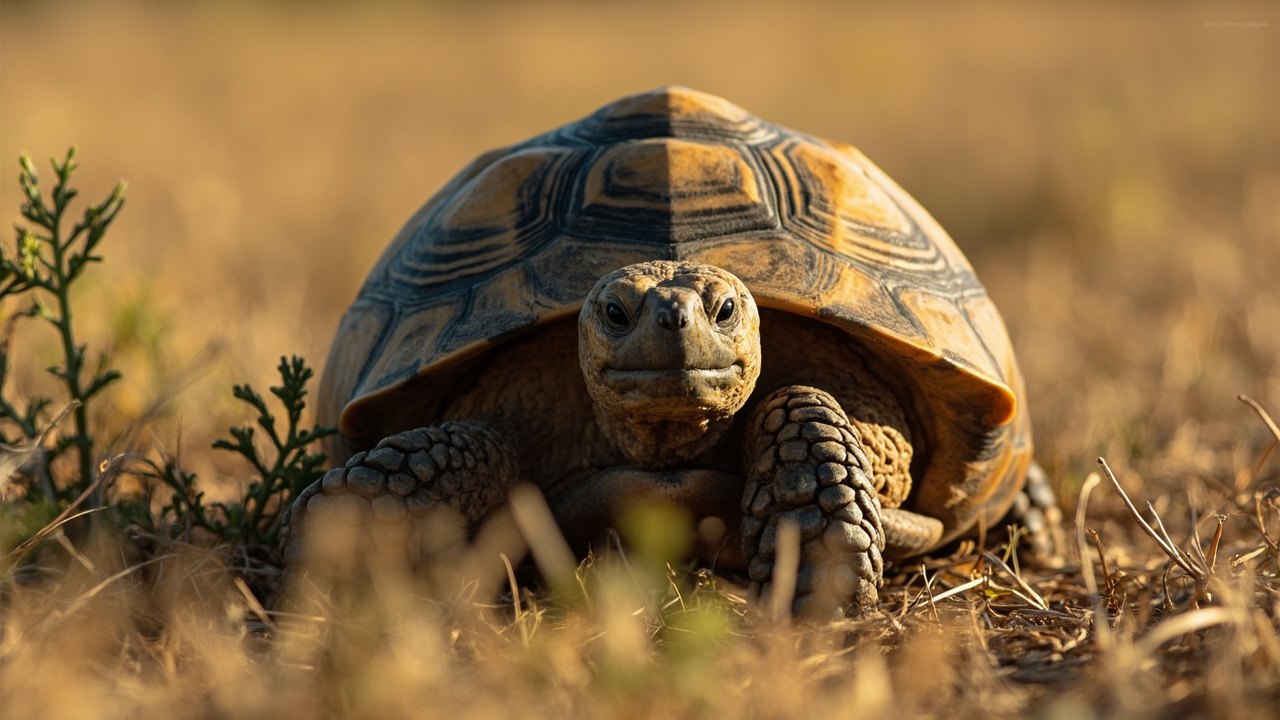
Shell cracks, wounds, burns, or other injuries need prompt assessment by a reptile-experienced veterinarian or wildlife rehabilitator. Do not drill, glue, or remove shell material at home unless directed by a qualified professional.
Shell growth is part of tortoise growth
A tortoise grows with its shell because the shell is living anatomy, not a separate container. Bone, blood vessels, nerves, keratin scutes, skin, and muscles all work together. A healthy shell can show growth over time, but visible rings on scutes are not a reliable way to determine exact age. Wear, diet, hydration, injury, and living conditions can change the surface appearance.
Because the shell is sensitive, a tortoise should never be drilled, painted, glued, or decorated for appearance. Adhesives and household treatments can trap moisture, interfere with assessment, or cause further damage. A minor-looking crack may extend deeper than it appears, while a soft patch or changed shell shape can have several possible causes. Only a reptile-experienced veterinarian can assess the animal in context and recommend treatment.
Good care protects the whole animal
Species-appropriate food, ultraviolet exposure where appropriate, temperature choices, hydration, enclosure space, and safe substrate all affect long-term welfare. There is no single care recipe for every tortoise because desert, Mediterranean, tropical, and forest species have different natural histories. When sharing information, name the species and avoid assuming that a common pet-care tip applies to all of them. The simplest correction to the shell myth is also the most accurate: a tortoise cannot leave its shell because it is inseparable from the animal’s skeleton and living body.
Sources and review notes
Reviewed 23 August 2026. Reptile biology is wonderfully variable. We have avoided turning one species, photograph or dramatic observation into a rule for an entire group, and we have used cautious wording where evidence or local conditions differ.
Reference starting points: The Reptile Database, The IUCN Red List of Threatened Species, and PubMed-indexed research. Conservation status, taxonomy and local laws can change, so check the linked databases and the relevant local authority for current information.
Spotted something we should revisit? Send Reptile Explorer a correction—thoughtful reader feedback is always welcome.