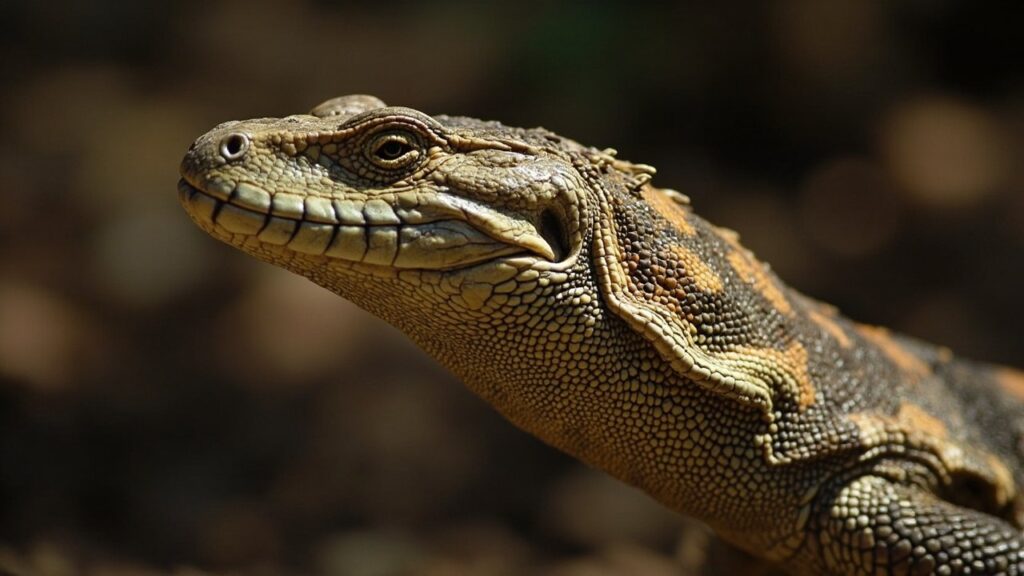
The tokay gecko, Gekko gecko, is well known for the loud call that gives it its name. The repeated “to-kay” sound is communication, not a sign that the animal is trying to entertain people.

Why tokays call
Calls are associated with social and reproductive contexts, including territory and contact between animals. The exact meaning can depend on the individual, setting, and the rest of the gecko’s behaviour. Loudness alone does not tell us whether an animal is content, stressed, or aggressive.
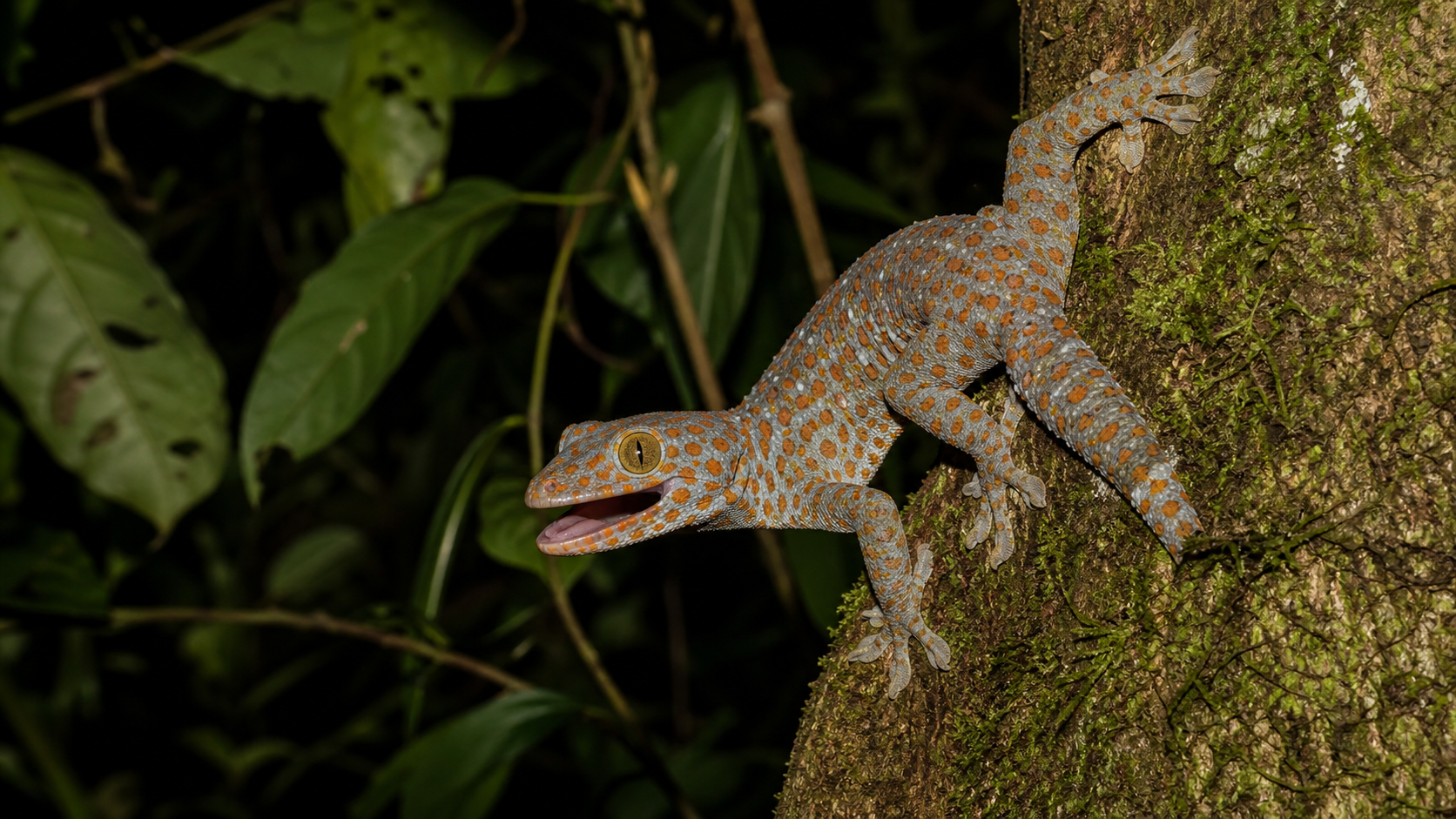

A species with a broad regional range
Tokay geckos occur in parts of South and Southeast Asia and use a variety of structures and vegetation. Accurate images should show a verified tokay, whose blue-grey body and orange or red spots distinguish it from many other geckos and lizards.
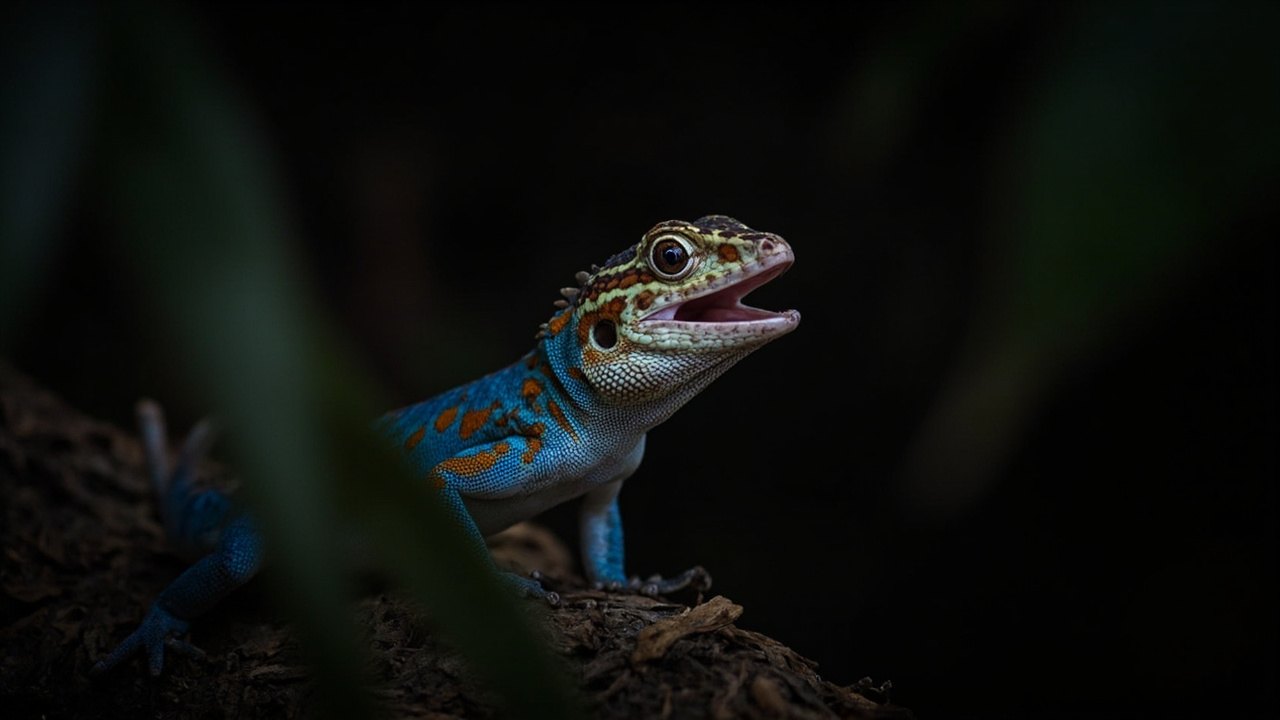
Respect the animal
Tokays can bite defensively and should not be handled for photographs or a close look. Their strong vocal presence is one reason observing them from a respectful distance is more appropriate than treating them as novelty pets.
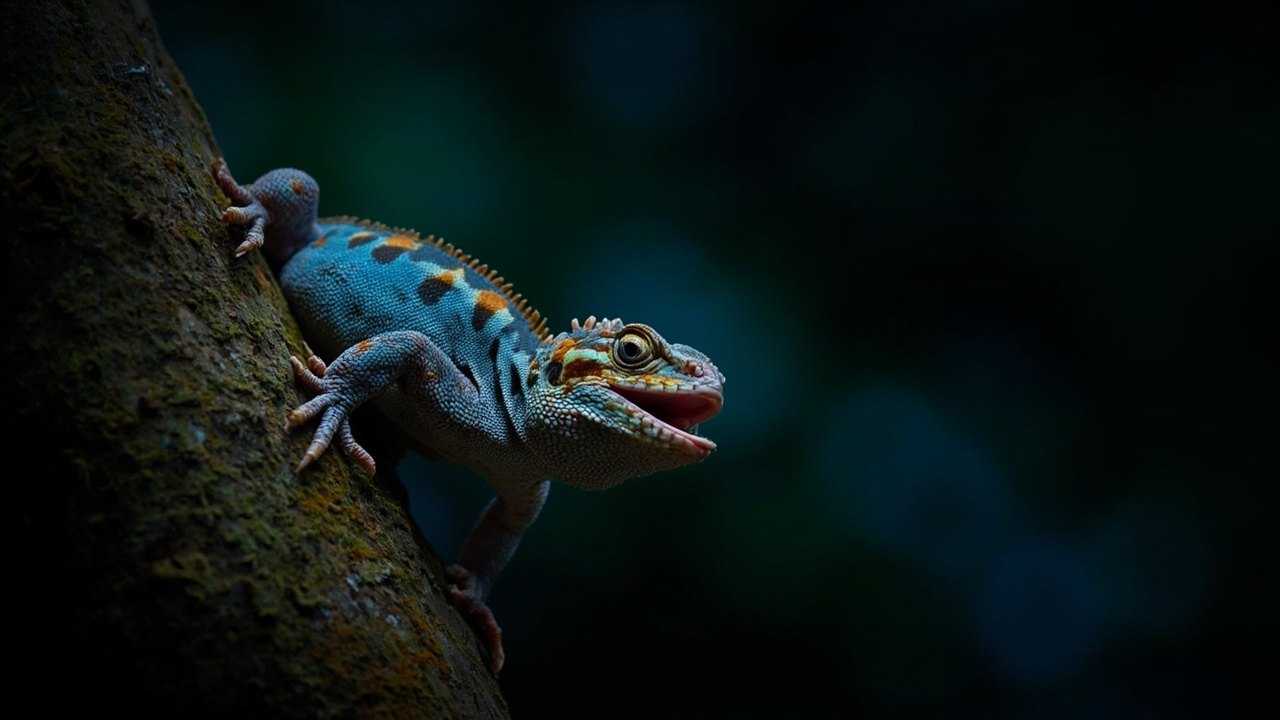
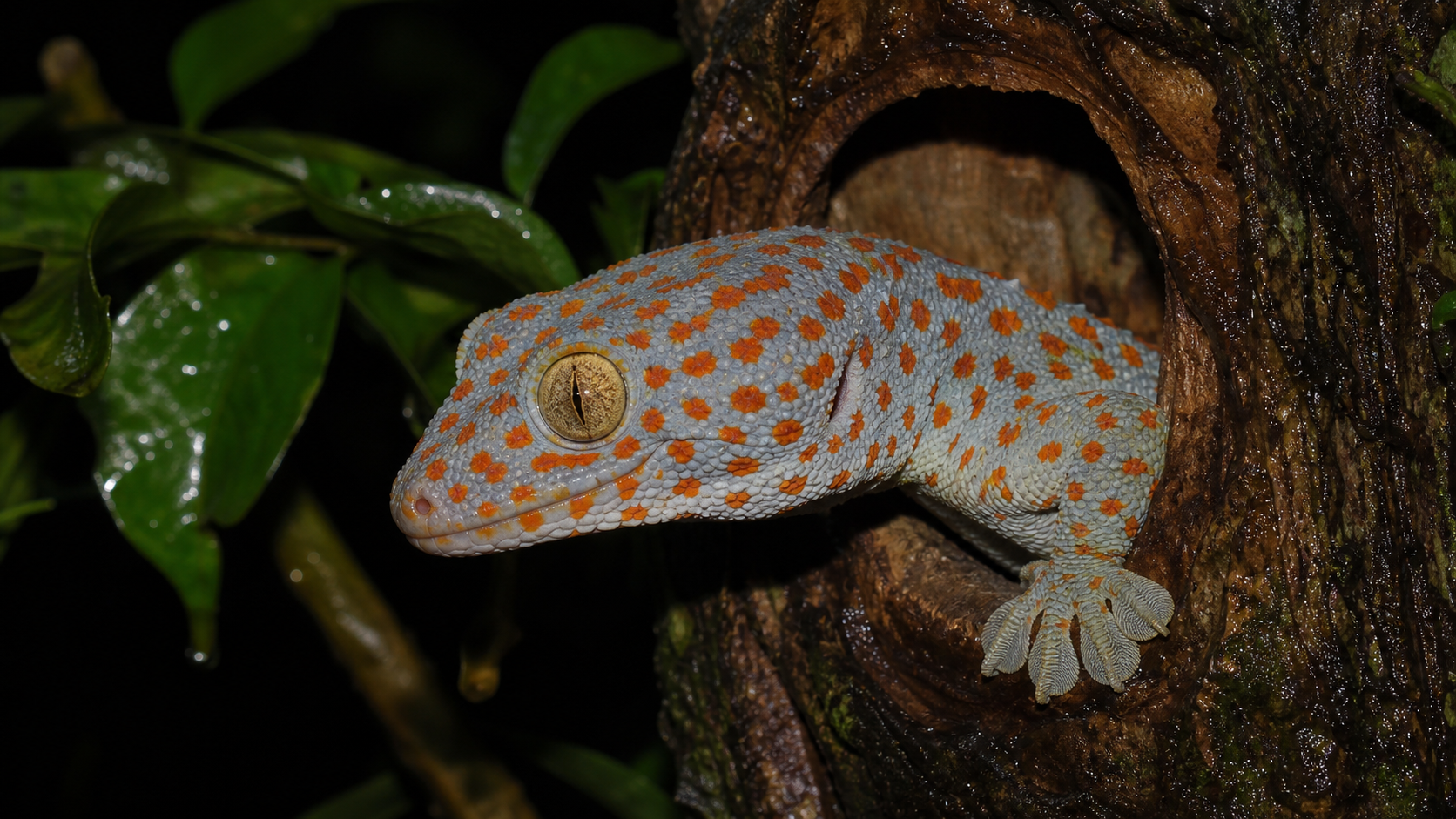
The Familiar Call Is Only Part of Its Repertoire
The name tokay gecko reflects the well-known repeated call of Gekko gecko, but this species can produce more than one kind of vocalisation. Research has also documented alarm calls with different visible mouth and body movements. Sound should be interpreted with posture, location, nearby animals and the immediate situation. A loud call by itself cannot tell an observer that the gecko is healthy, distressed, territorial or seeking a mate.
Vocalisation Should Not Be Staged
Playback, forced handling, flashing lights and repeated close approaches can alter a gecko’s behaviour and make a recording less natural. A responsible observation records the time, perch, light level and visible behaviour without provoking a response. This is especially useful for a nocturnal, climbing species whose calls may travel through vegetation, buildings or other vertical structures.
Captive Keepers Should Plan for Sound
Tokay geckos can be loud enough to affect sleeping spaces and shared homes. Prospective keepers should consider this before acquiring an animal, alongside the species’ enclosure, security, feeding and veterinary needs. A persistent unusual sound accompanied by laboured breathing, discharge, weight loss or reduced activity is not something to diagnose from a recording. A qualified reptile veterinarian can assess the animal and its conditions properly.
Sources and review notes
Reviewed 23 August 2026. Reptile biology is wonderfully variable. We have avoided turning one species, photograph or dramatic observation into a rule for an entire group, and we have used cautious wording where evidence or local conditions differ.
Reference starting points: The Reptile Database, The IUCN Red List of Threatened Species, and PubMed-indexed research. Conservation status, taxonomy and local laws can change, so check the linked databases and the relevant local authority for current information.
Spotted something we should revisit? Send Reptile Explorer a correction—thoughtful reader feedback is always welcome.