Extreme Does Not Mean Unlimited Tolerance
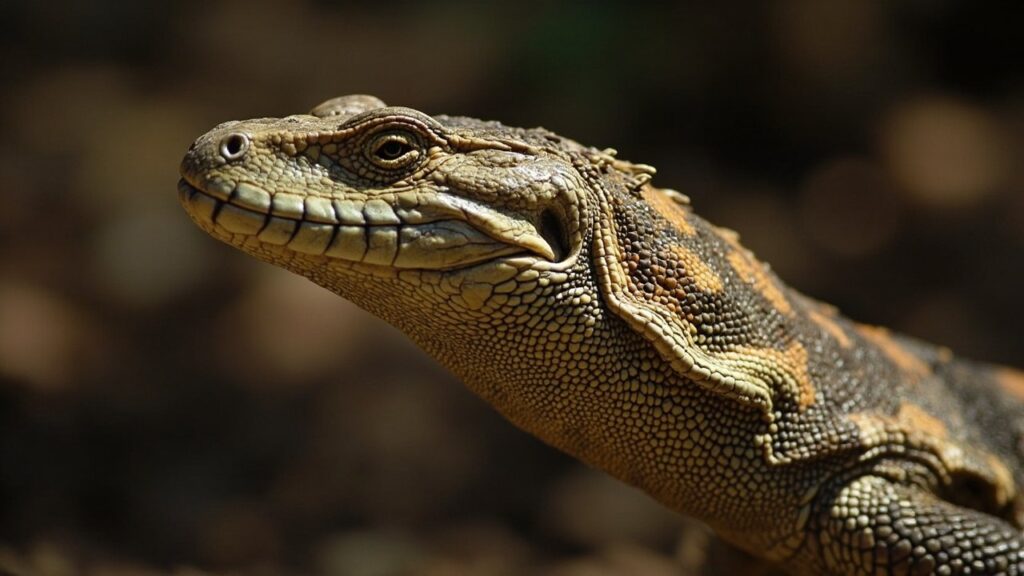
Some reptiles live in environments with intense heat, cold, aridity, salinity or seasonal food shortages. Their success depends on working within physiological limits and using small-scale refuges such as burrows, rock crevices, vegetation, shaded shorelines or warm basking surfaces. A reptile in an extreme habitat is not invulnerable to further change.

Behaviour and Anatomy Work Together
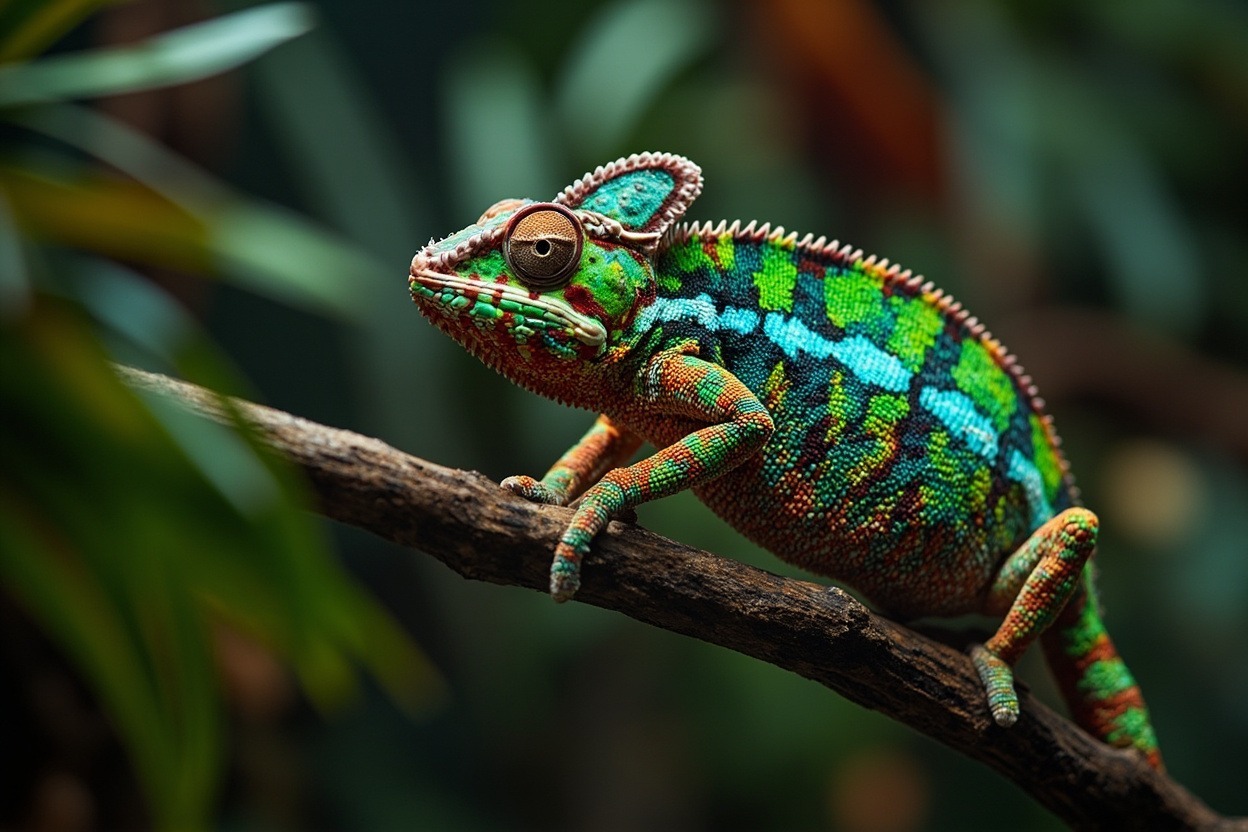
Desert reptiles may shift activity to cooler hours and shelter below ground. Marine reptiles must manage salt and prolonged time in water while still surfacing for air. Species in cooler or high-elevation habitats use carefully timed activity, protected hibernation sites and, in some lineages, reproductive strategies suited to short seasons.
Adaptation Does Not Remove Conservation Risk
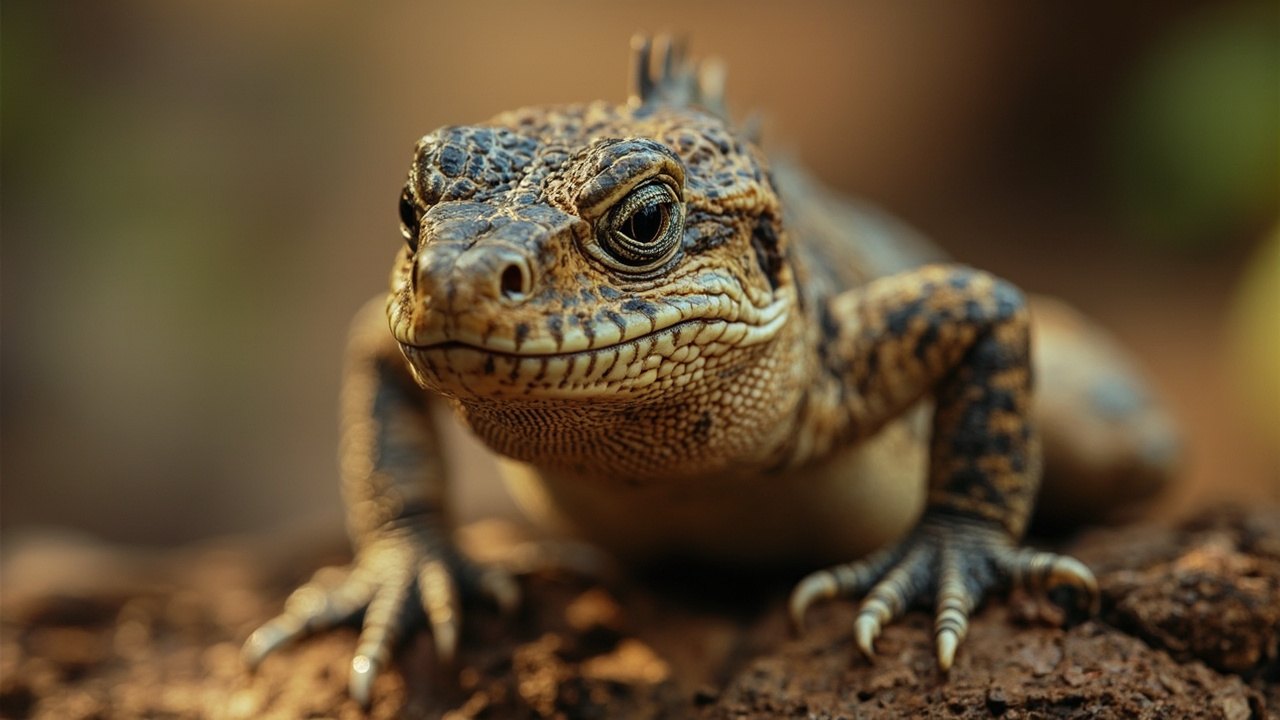
Specialisation can make a species sensitive to habitat loss, altered rainfall, heat waves, invasive predators or changing coastlines. Studying extreme-habitat reptiles is useful because it reveals how behaviour, anatomy and environment interact. It should not be used to suggest that climate pressure or habitat disturbance is harmless.
“Extreme” Depends on the Species and Place
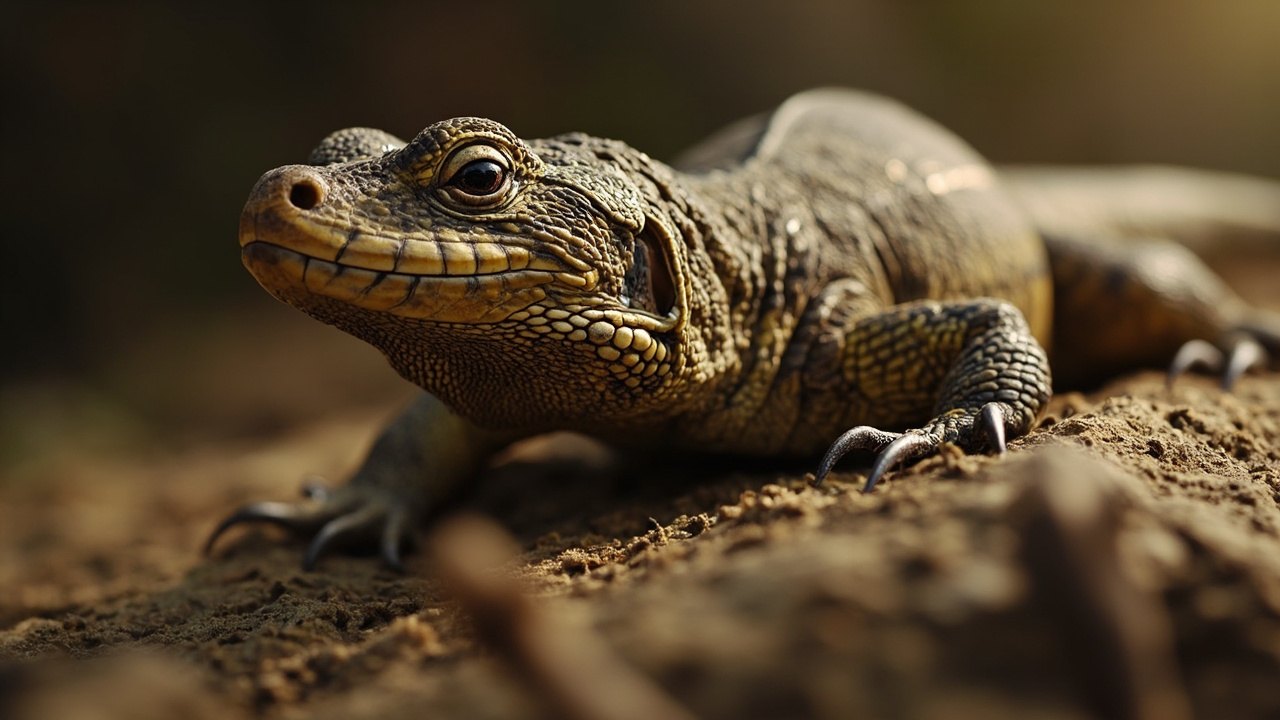
A salt marsh, a mountain slope and a hot desert all present challenges, but the relevant conditions are not the same. A reptile may cope with one stressful factor by using a refuge, changing the time it is active or selecting a narrow breeding site. That does not mean it has a broad tolerance for every condition associated with the habitat. An animal adapted to hot, dry sand may still be sensitive to losing its burrow system or to a shift in seasonal prey.
Researchers measure the actual conditions available to an animal, including surface temperature, shade, moisture, salinity, cover and access to food. Those measurements are more informative than calling a species a “survivor” without describing the limits that shape its behaviour.
Adaptations Work as Linked Systems
Body form, skin, lungs, salt handling, reproductive timing and behaviour can all contribute to persistence. A marine reptile that can manage salt still needs to surface for air. A cold-climate reptile may use hibernation sites and a short activity window, but it still needs enough time and resources to feed and reproduce. One visible trait does not explain the whole strategy.
Specialisation Can Increase Risk
Species that depend on a particular spring, nesting beach, mountain refuge or type of vegetation can be affected by a small local change. Conservation decisions should identify the resources used at each life stage, then check whether those resources remain connected and accessible. Respectful observation and precise field records help more than dramatic claims about toughness.
Sources and review notes
Reviewed 23 August 2026. Reptile biology is wonderfully variable. We have avoided turning one species, photograph or dramatic observation into a rule for an entire group, and we have used cautious wording where evidence or local conditions differ.
Reference starting points: The Reptile Database, The IUCN Red List of Threatened Species, and PubMed-indexed research. Conservation status, taxonomy and local laws can change, so check the linked databases and the relevant local authority for current information.
Spotted something we should revisit? Send Reptile Explorer a correction—thoughtful reader feedback is always welcome.