Behaviour Lets Reptiles Use Their Environment
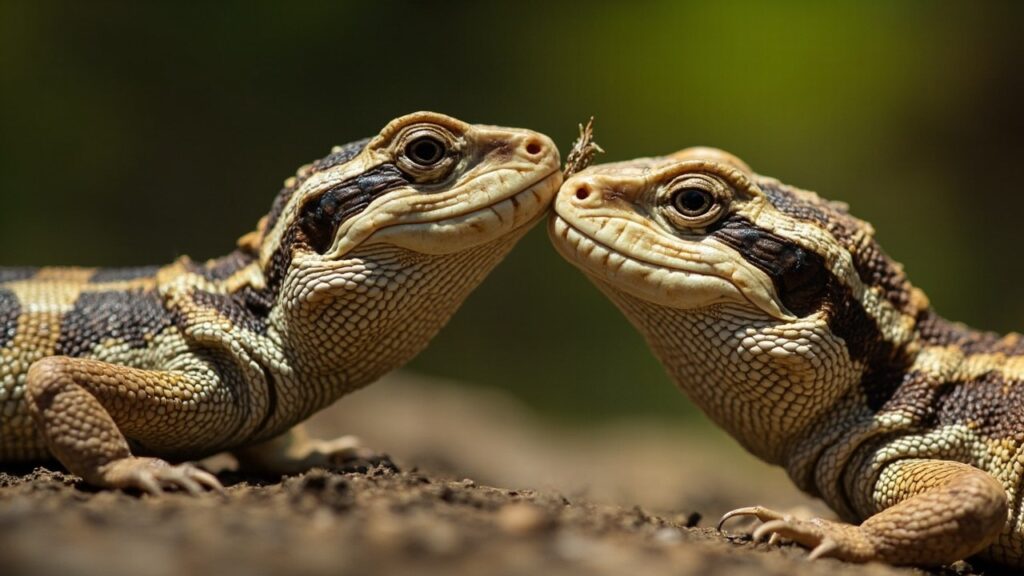
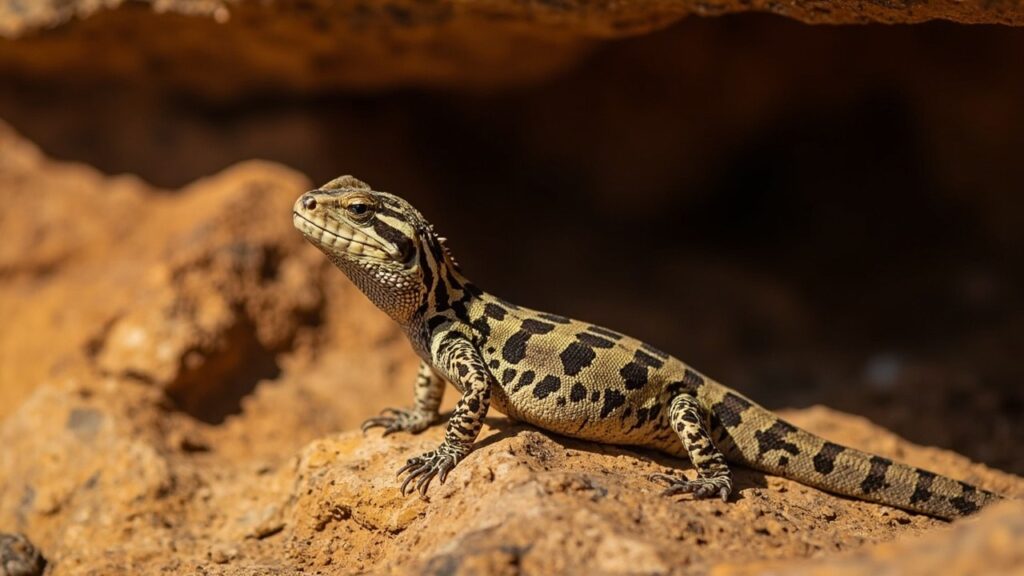
Behavioural adaptations help reptiles use changing conditions without changing their body structure. Basking, seeking shade, entering burrows and choosing sheltered water are examples of behavioural thermoregulation. These actions allow an animal to use a patchwork of temperatures and cover across a day or season.

Finding Food and Avoiding Danger
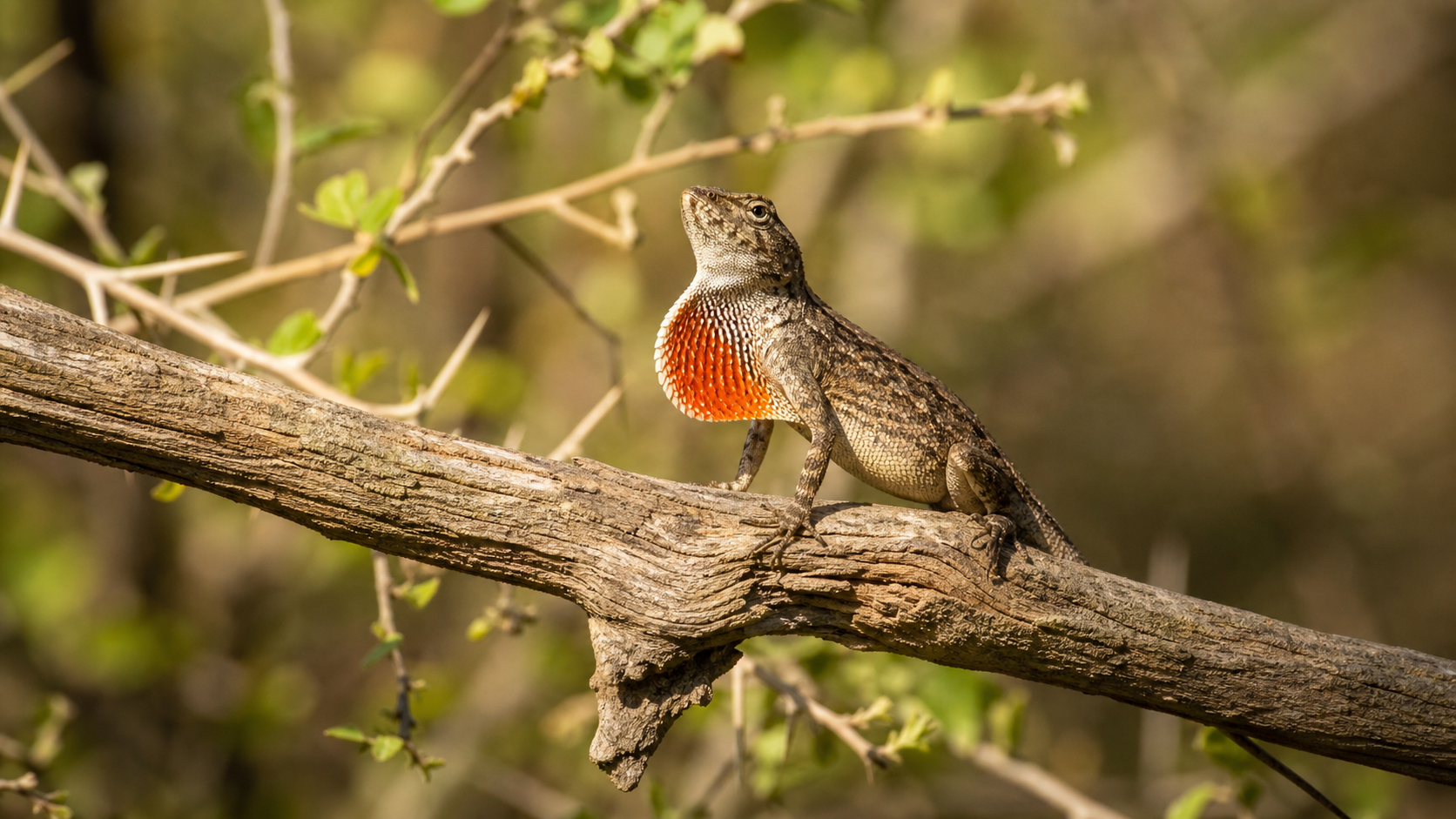
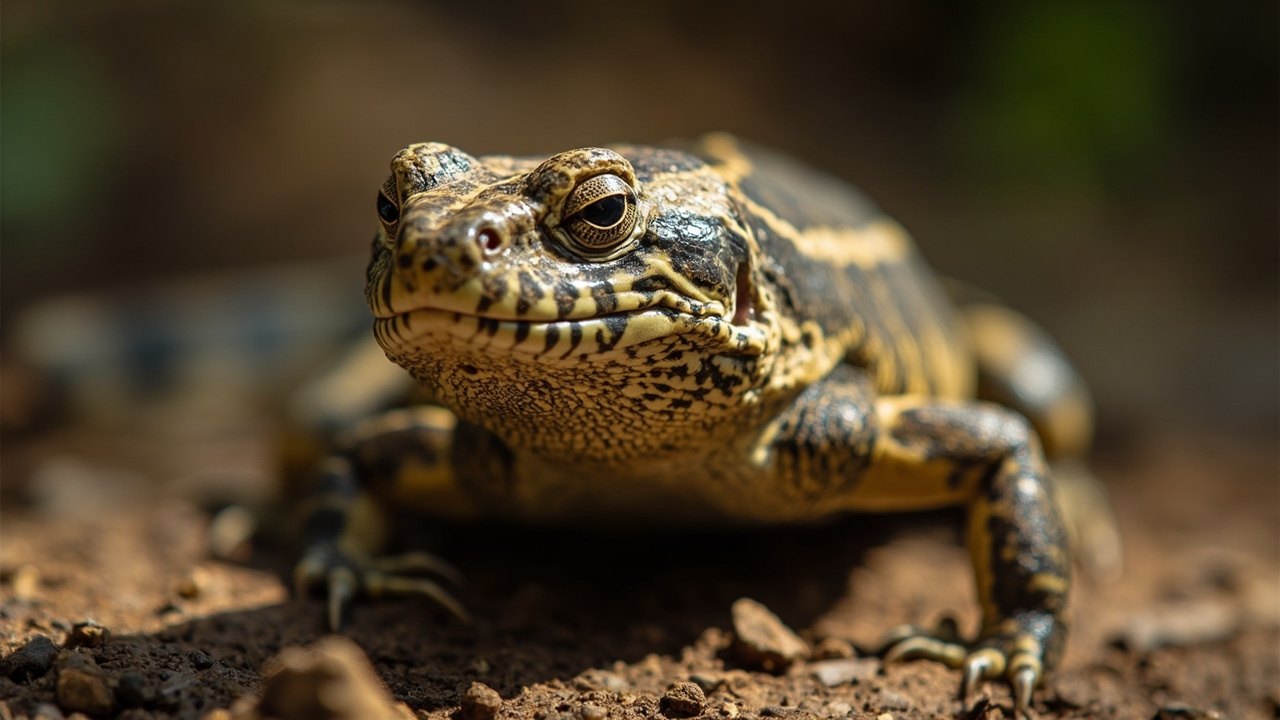
Reptiles use a wide range of foraging strategies, from sit-and-wait hunting to active searching guided by vision, scent or vibration. Defensive behaviour can include remaining still, retreating into cover, warning displays or escape. The appropriate response depends on the species, habitat and immediate risk; no single defence applies to all reptiles.
Seasonal and Reproductive Behaviour
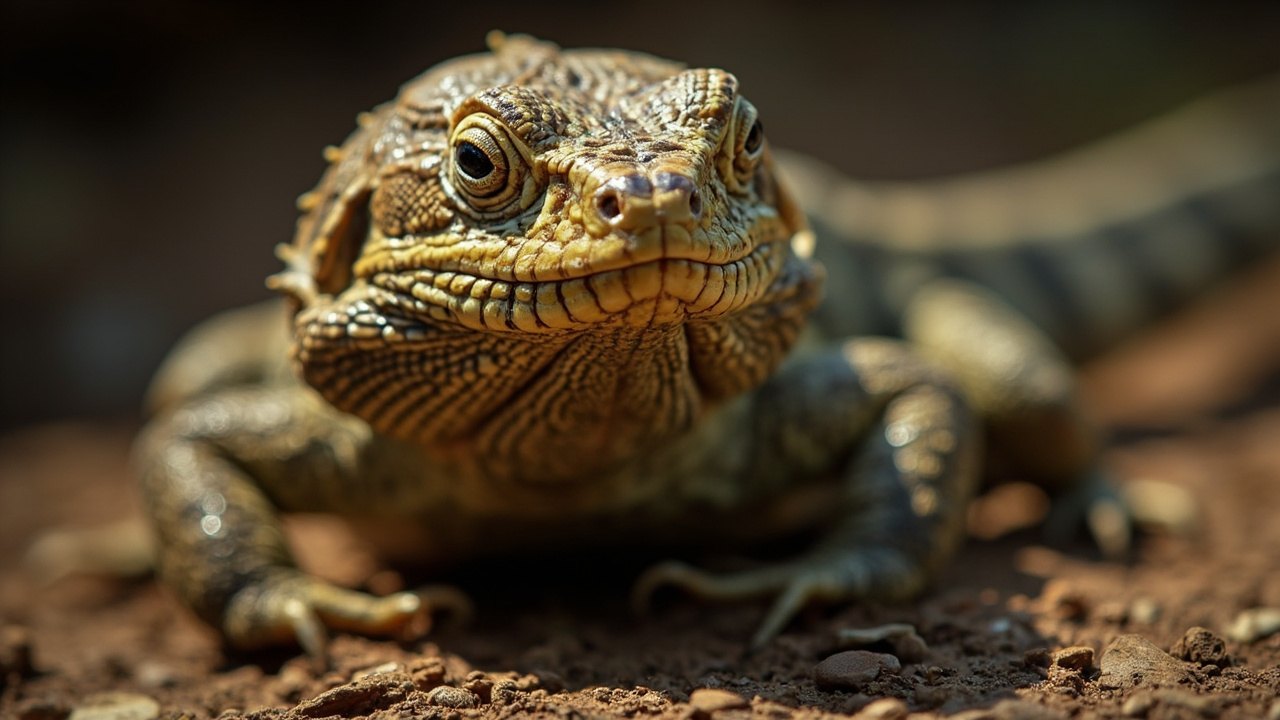
Migration, nest selection, courtship, guarding and activity timing can all affect reproductive success. Sea turtles travel between feeding and nesting areas, crocodilians can guard nests and young, and many lizards and snakes alter activity as seasons change. In captivity, providing appropriate choices and reducing unnecessary disturbance supports natural behaviour and makes health changes easier to recognise.
Behaviour Is Interpreted in Context
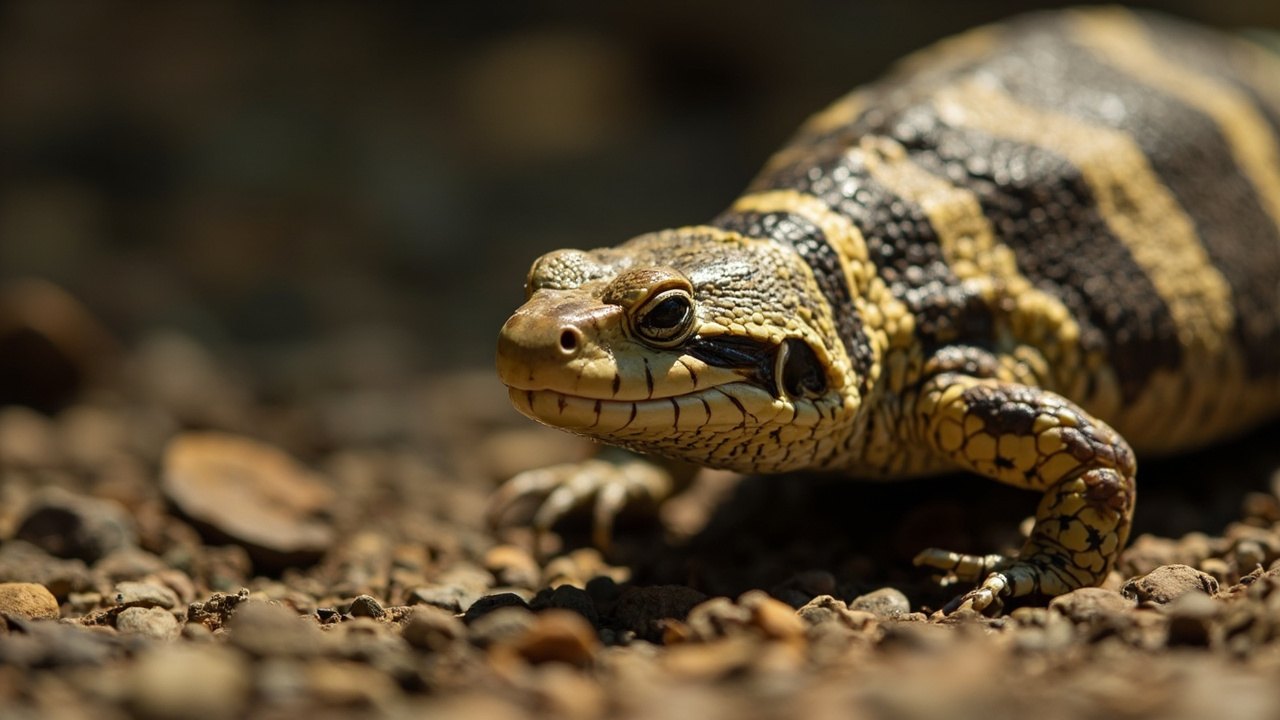
A repeated action is not automatically an adaptation with one fixed purpose. Basking may help a reptile warm up, but it can also be shaped by access to food, predators, social interactions and safe routes to cover. A lizard that freezes can avoid notice in one setting and still be vulnerable in another. Good behavioural accounts describe the animal, the conditions and the outcome that was observed rather than assigning a human motive.
Species also differ in the information they use. Some rely strongly on vision, while others follow chemical cues, movement, vibration or water disturbance. A tactic that works for a sit-and-wait snake does not describe an actively foraging lizard, and both may change their routines as weather and prey availability change.
Life Stages Have Different Demands
Juveniles, breeding adults and animals preparing for a seasonal dormancy may use different places and times. Nesting behaviour can require access to ground that is warmer or drier than a feeding area. Crocodilian parental care, sea turtle migration and snake courtship are useful examples, but no single example represents all reptiles.
Observation Should Not Create the Behaviour
Keep distance from wildlife and avoid repeated flash, handling or blocking access to shelter. In captivity, enclosures should provide species-appropriate thermal choices, cover and room to move. A sudden behaviour change can have husbandry or health causes, so a qualified reptile veterinarian should assess persistent concerns rather than relying on a broad behavioural label.
Sources and review notes
Reviewed 23 August 2026. Reptile biology is wonderfully variable. We have avoided turning one species, photograph or dramatic observation into a rule for an entire group, and we have used cautious wording where evidence or local conditions differ.
Reference starting points: The Reptile Database, The IUCN Red List of Threatened Species, and PubMed-indexed research. Conservation status, taxonomy and local laws can change, so check the linked databases and the relevant local authority for current information.
Spotted something we should revisit? Send Reptile Explorer a correction—thoughtful reader feedback is always welcome.