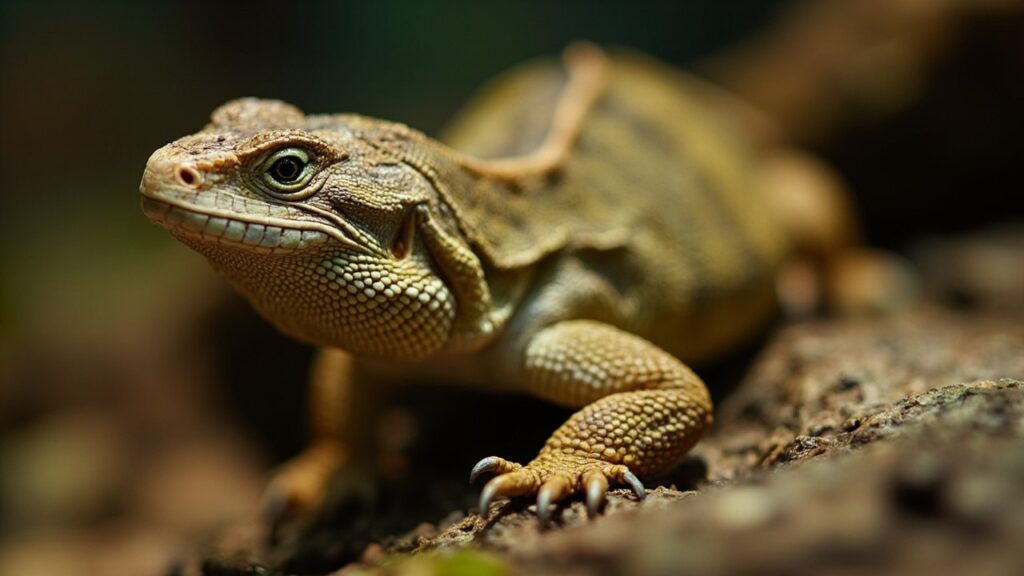
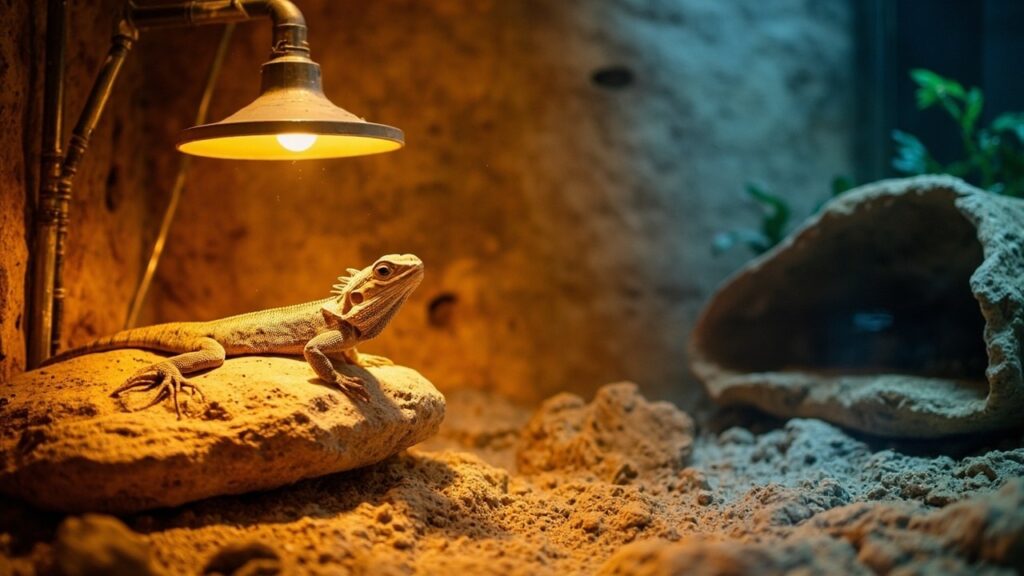
Humidity is a husbandry variable, not a universal target
Reptile humidity needs vary widely with species, life stage, enclosure design and natural habitat. A rainforest lizard, a desert gecko and an aquatic turtle should not be managed to the same number. Use a reliable hygrometer and research the needs of the exact species rather than applying household comfort ranges to an enclosure.
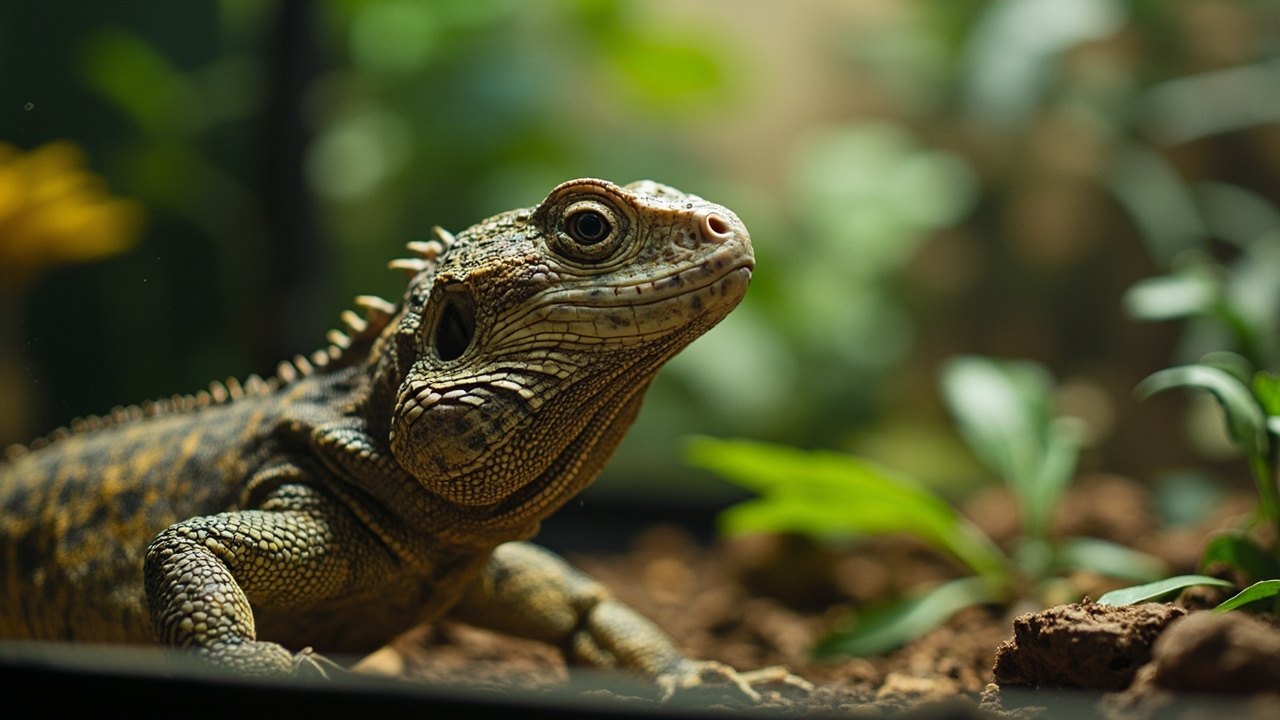
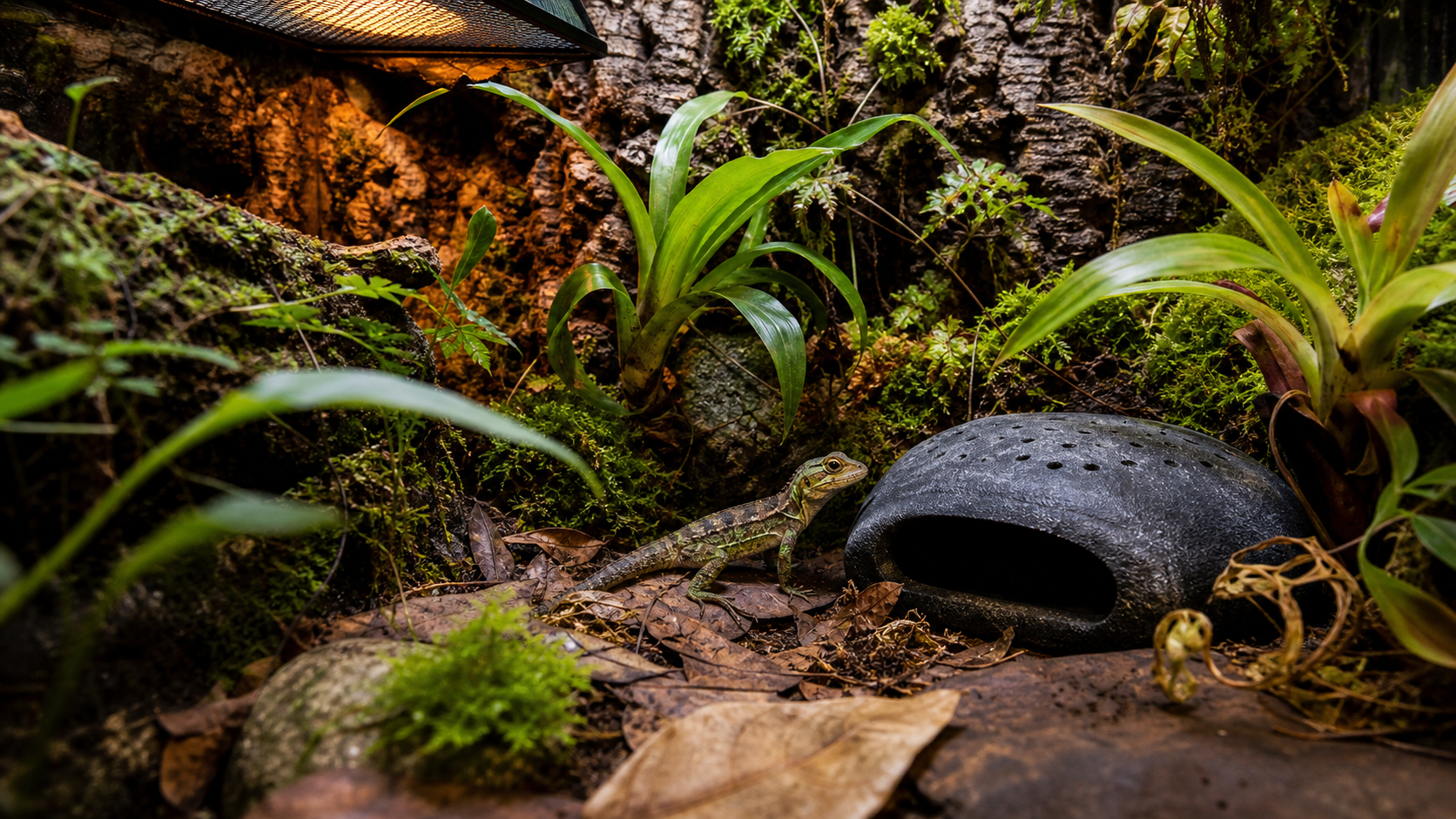
Build a usable gradient
Many reptiles benefit from being able to choose between drier and more humid microclimates. Ventilation, substrate, water access, hides and enclosure temperature all influence humidity. Persistent dampness can be harmful for species adapted to dry conditions, while insufficient moisture can contribute to dehydration or poor shedding in species that need greater humidity.
Respond to the animal and seek veterinary help early
Review shedding, hydration, skin condition, breathing, appetite and enclosure measurements together. Do not keep increasing misting because of one retained shed, and do not use a dry enclosure to solve an unrelated health issue. Recurrent shedding problems, skin changes, wheezing or lethargy warrant advice from a reptile-experienced veterinarian.
Humidity Changes Across a Day
Relative humidity can rise and fall as room temperature, enclosure heating, ventilation, water evaporation and misting change. A single reading taken just after spraying does not describe the conditions experienced through a full day and night. Repeated measurements reveal whether the enclosure returns to its intended range or remains unusually dry or damp for long periods.
Place Gauges Where Conditions Differ
A hygrometer near a water bowl, heat source or ventilation opening may not represent a resting hide on the other side of the enclosure. Check the areas the reptile actually uses, including any humid refuge. Gauges need occasional comparison or calibration because an inaccurate device can lead to unnecessary husbandry changes. Temperature readings should be reviewed beside humidity because warm air and cool air hold moisture differently.
Microhabitats Complement the Main Setup
A humid hide, water area or planted corner can give some reptiles a useful choice, but it does not replace an unsuitable enclosure-wide environment. Constantly wet substrate can be harmful for animals adapted to drier conditions, while excessive ventilation can defeat a humid habitat. Build the enclosure around the needs of the exact species, then adjust one variable at a time and record the result.
Sources and review notes
Reviewed 23 August 2026. Care works best when it starts with the exact species in front of you. We checked this article against current veterinary husbandry guidance, but measured enclosure conditions and a reptile-experienced veterinarian should guide decisions for an individual animal.
Reference starting points: Merck Veterinary Manual: reptile management and husbandry, CDC: healthy handling around reptiles and amphibians, and The Reptile Database. Conservation status, taxonomy and local laws can change, so check the linked databases and the relevant local authority for current information.
Spotted something we should revisit? Send Reptile Explorer a correction—thoughtful reader feedback is always welcome.