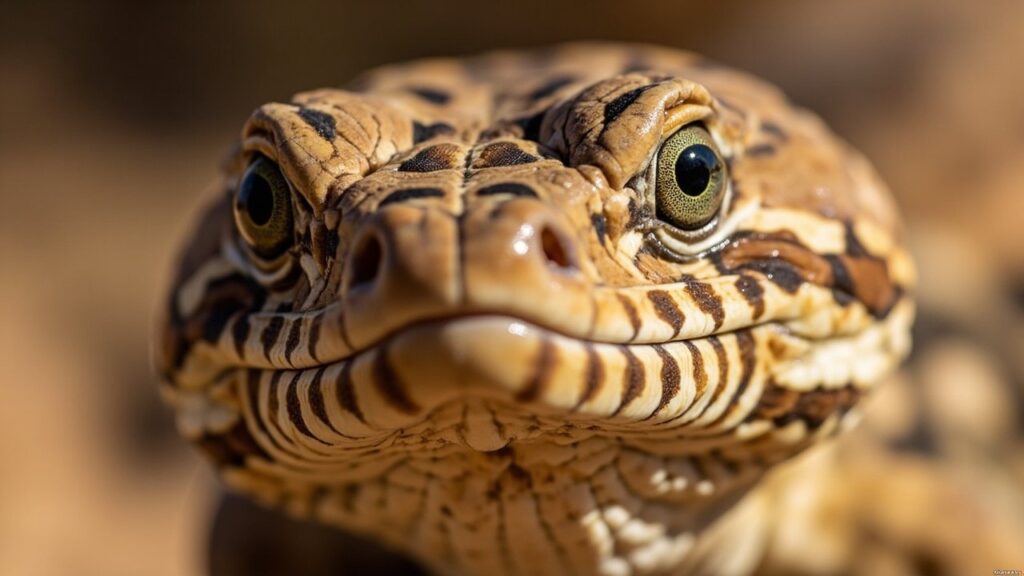
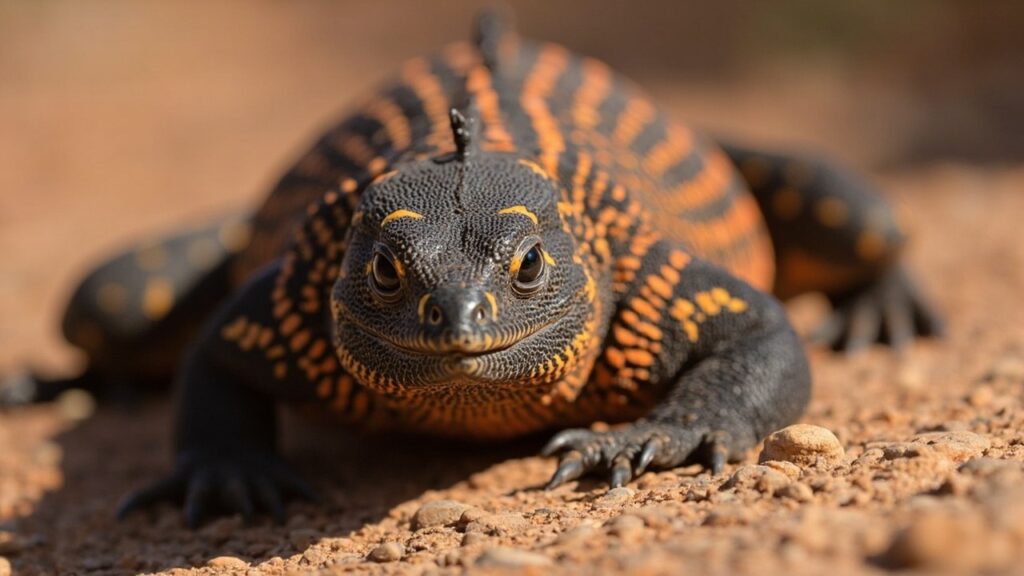
More than an empty sand desert
The Kalahari includes dunes, grasslands, thornveld, pans and seasonal drainage systems across southern Africa. Rainfall is limited and variable, but the landscape is not biologically uniform. Reptile communities differ between sandy areas, scrub, rocky sites and wetter seasonal refuges.
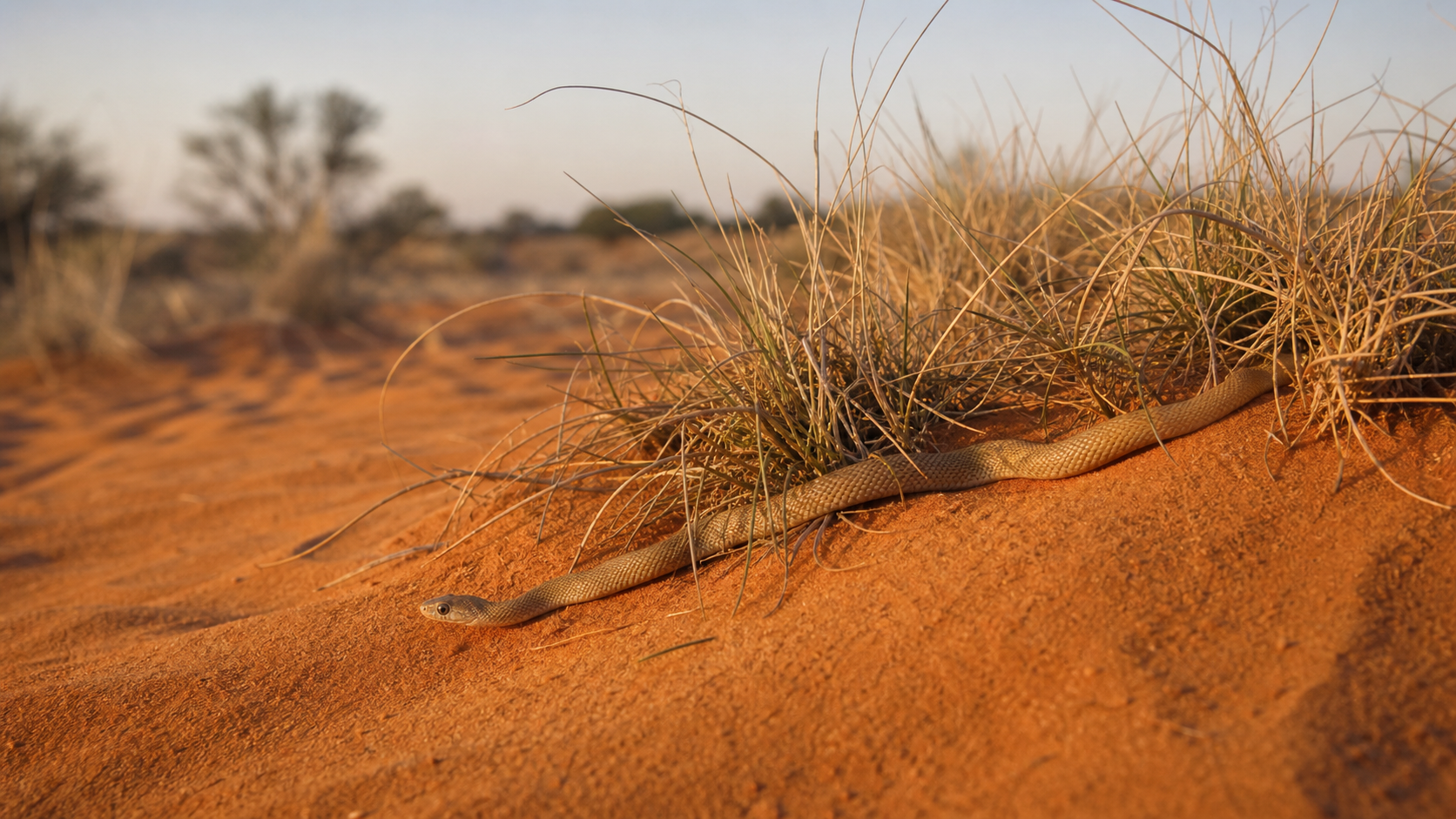
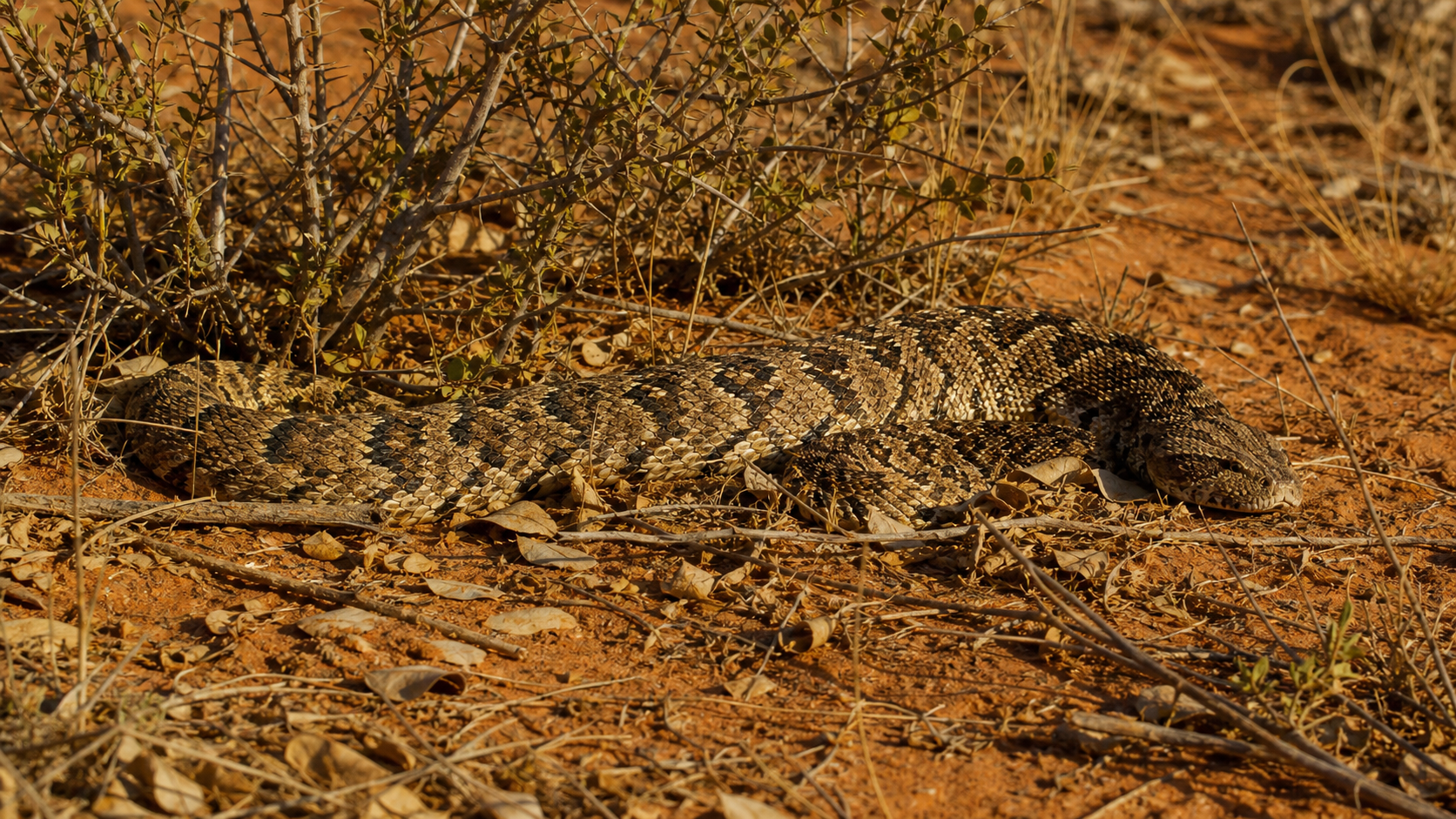
Adaptations are species-specific
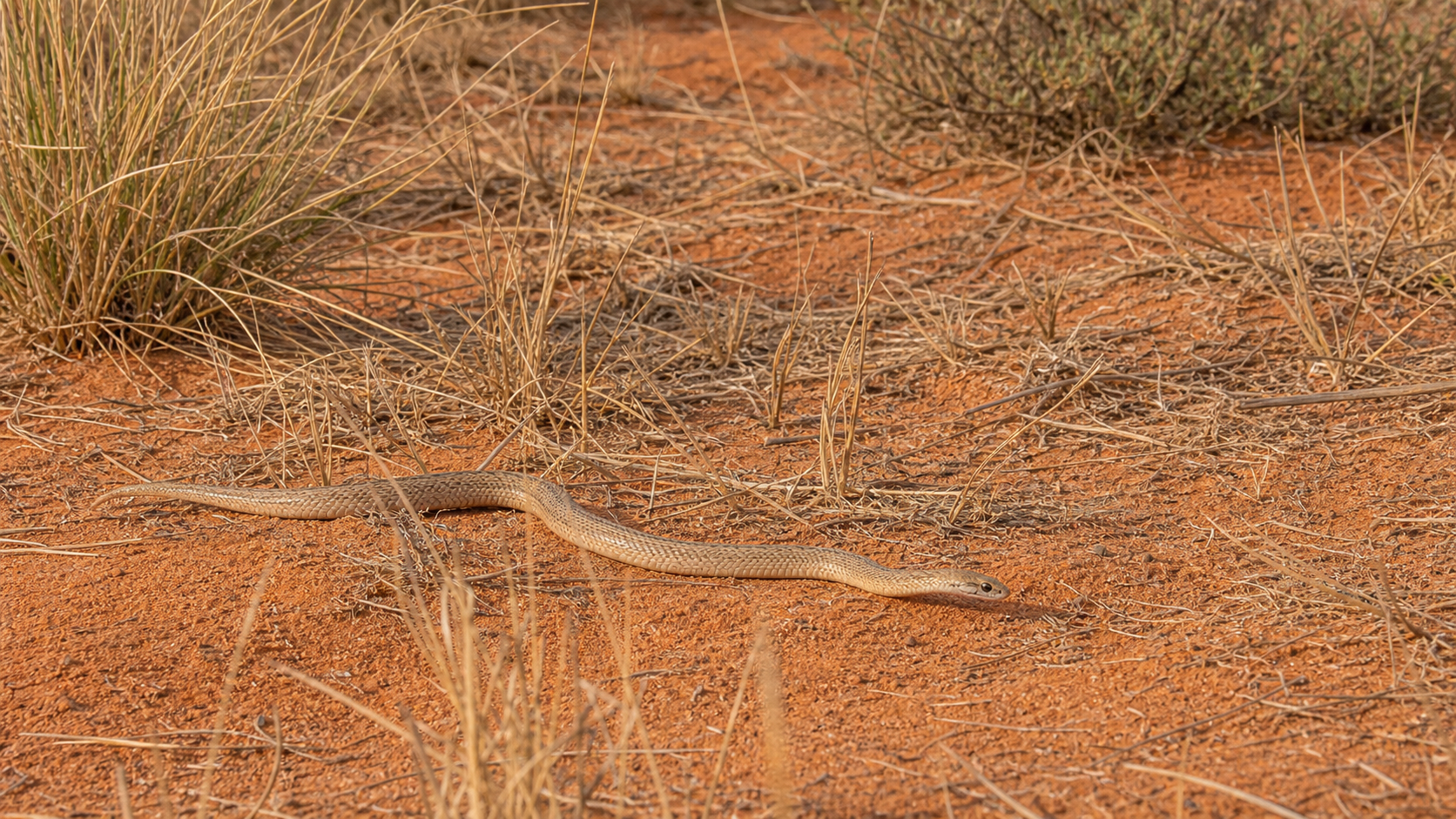
Some snakes use camouflage, cover, nocturnal activity or ambush hunting to manage heat and predation risk. Those strategies are not shared equally by every species, and a common name or colour pattern is not enough for safe identification. Venomous snakes should never be handled or approached for a photograph.
Protect habitat and reduce conflict
Road mortality, habitat conversion, persecution and inappropriate collection can affect local reptile populations. Conservation is helped by retaining native vegetation, driving carefully in wildlife areas and using trained local experts for identification. Accurate observations are more useful than dramatic claims about “desert survival.”
Rainfall changes opportunities across the Kalahari
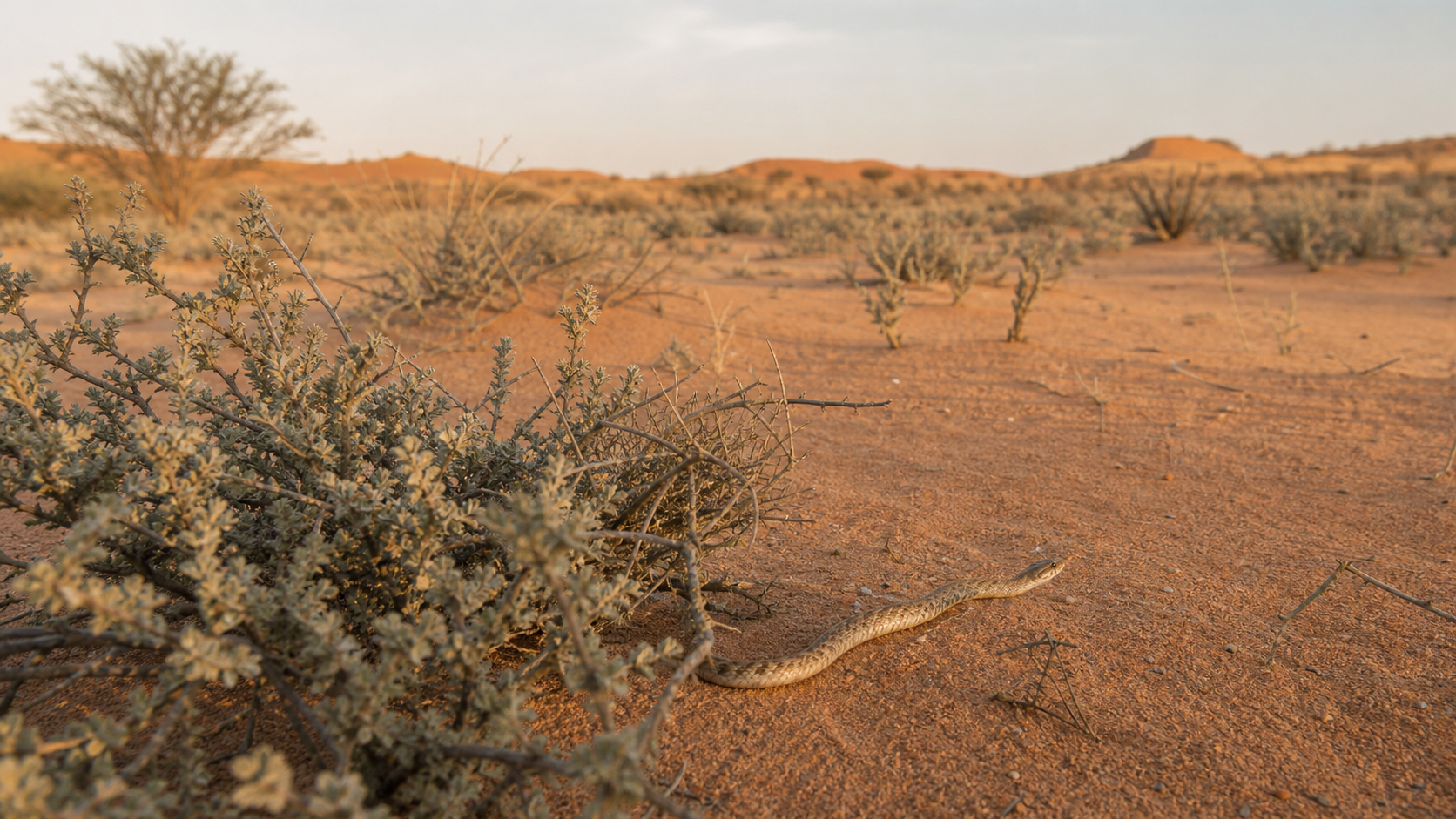
The Kalahari is shaped by variable rainfall rather than constant drought alone. After rain, insects, plants, and surface water may become more available in some places, while deep sand, scrub, pans, and grassland continue to offer very different conditions. Reptiles respond to those local changes through timing, shelter use, and movement. An animal active on a cool morning may be hidden by midday, so casual surveys need repeated visits in suitable conditions.
Burrows, termite mounds, vegetation clumps, fallen branches, and patches of shade can give reptiles safer temperatures than exposed sand. Those small features are known as microhabitats. Their value depends on the species: a ground-dwelling gecko, a sand-swimming skink, and a snake that waits near cover do not use the same parts of the landscape in the same way. A photograph labelled only “Kalahari reptile” cannot substitute for a reliable identification and habitat record.
Careful travel helps reduce pressure
Vehicles can crush animals or compact fragile soils, particularly on unmarked tracks and after dark when some reptiles are active. Keeping to permitted routes, reducing speed in wildlife areas, and not collecting animals are practical safeguards. When a snake or lizard is seen near a camp, the safest response is to give it room and seek local expertise if identification matters. Conservation decisions should be based on surveys, local ecological knowledge, and the species actually present, rather than on a generalized idea of desert survival.
Sources and review notes
Reviewed 23 August 2026. Reptile biology is wonderfully variable. We have avoided turning one species, photograph or dramatic observation into a rule for an entire group, and we have used cautious wording where evidence or local conditions differ.
Reference starting points: The Reptile Database, The IUCN Red List of Threatened Species, and PubMed-indexed research. Conservation status, taxonomy and local laws can change, so check the linked databases and the relevant local authority for current information.
Spotted something we should revisit? Send Reptile Explorer a correction—thoughtful reader feedback is always welcome.